10 Best Herbal Capsules For Dental Plaque

Herbal capsules for dental plaque are natural supplements that contain plant-based ingredients known for their antimicrobial and anti-inflammatory properties.
These capsules often include herbs like neem, clove, fennel, and turmeric, which have been traditionally used to support oral health. They work by reducing the bacterial buildup that causes plaque and gum inflammation, making them a popular alternative to conventional dental treatments. Many people use these capsules as part of a holistic approach to maintaining healthy teeth and gums.
However, it's important to consult a dentist or healthcare professional before starting any herbal supplement regimen to ensure safety and effectiveness.
Table of Contents
- 1. Salvia (Salvia officinalis)
- 2. Black pepper (Piper nigrum)
- 3. Aloe vera (Aloe barbadensis)
- 4. Ceylon cinnamon (Cinnamomum verum)
- 5. Eucalyptus (Eucalyptus globulus)
- 6. Ginger (Zingiber officinale)
- 7. Fennel (Foeniculum vulgare)
- 8. Melaleuca (Melaleuca alternifolia)
- 9. Turmeric (Curcuma longa)
- 10. Oregano (Origanum vulgare)
1. Salvia (Salvia officinalis)
Salvia officinalis, commonly known as sage, has been traditionally used for its medicinal properties, and recent research suggests that its herbal capsules may offer benefits for dental health.
These capsules contain concentrated extracts of the plant, which are rich in antioxidants and anti-inflammatory compounds that can help reduce oral bacteria. Studies indicate that sage may inhibit the growth of bacteria responsible for dental plaque formation, such as Streptococcus mutans. When used as a complementary supplement to regular oral hygiene practices, salvia officinalis capsules may support plaque prevention and promote healthier gums.
However, it is important to consult with a healthcare provider before incorporating these capsules into a dental care routine.
2. Black pepper (Piper nigrum)

Piper nigrum, commonly known as black pepper, has been traditionally used in herbal medicine for its antimicrobial and anti-inflammatory properties.
When formulated into herbal capsules, piper nigrum may help reduce dental plaque by inhibiting the growth of bacteria that contribute to plaque formation. The active compound, piperine, is believed to enhance the effectiveness of these capsules by promoting oral hygiene and reducing gum inflammation. Some studies suggest that regular use of piper nigrum herbal capsules can support overall oral health and prevent the buildup of harmful bacteria in the mouth.
However, it is important to consult with a healthcare professional before incorporating such supplements into a dental care routine.
3. Aloe vera (Aloe barbadensis)
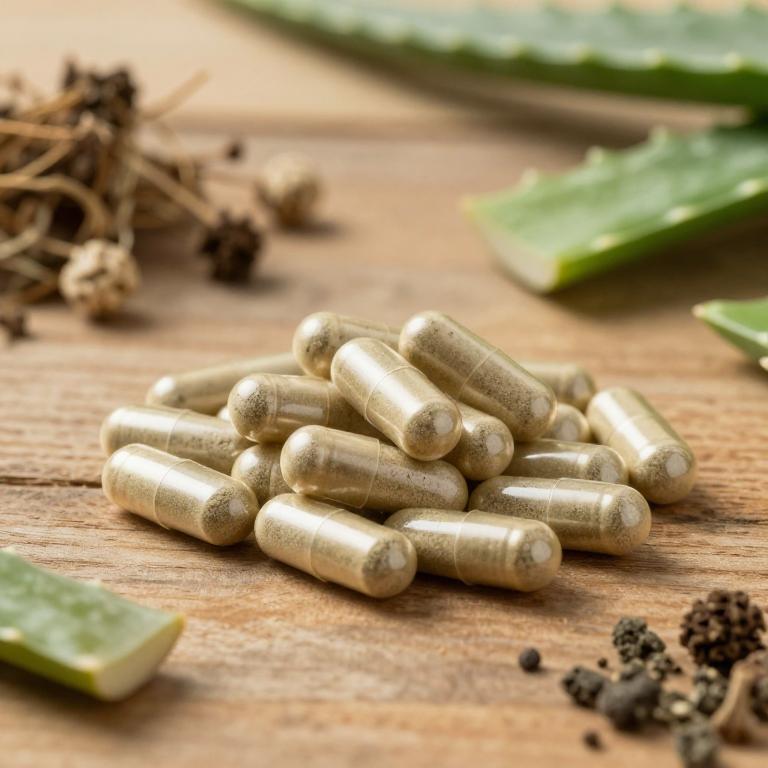
Aloe barbadensis, commonly known as aloe vera, has been widely studied for its potential benefits in oral health, particularly in the reduction of dental plaque.
The herbal capsules containing aloe barbadensis extract are formulated to support gum health and reduce the buildup of plaque due to their anti-inflammatory and antimicrobial properties. These capsules may help inhibit the growth of bacteria that contribute to plaque formation, promoting a cleaner and healthier mouth. Some clinical studies suggest that regular use of aloe vera supplements can improve overall oral hygiene and reduce the risk of gum diseases.
However, it is important to consult with a dental professional before incorporating any herbal supplements into your oral care routine to ensure safety and effectiveness.
4. Ceylon cinnamon (Cinnamomum verum)

Cinnamomum verum, commonly known as true cinnamon, has been traditionally used for its antimicrobial and anti-inflammatory properties, making it a promising ingredient in herbal capsules for dental plaque management.
The essential oils found in cinnamon, particularly cinnamaldehyde, have been shown to inhibit the growth of bacteria that contribute to plaque formation, such as Streptococcus mutans. When taken as herbal capsules, cinnamon can help reduce the accumulation of biofilm on teeth, promoting better oral hygiene. Its natural aromatic compounds also help freshen breath and support overall gum health.
Incorporating Cinnamomum verum into a daily routine may offer a natural and effective complement to conventional dental care practices.
5. Eucalyptus (Eucalyptus globulus)

Eucalyptus globulus, commonly known as eucalyptus oil, is often used in herbal capsules for its antimicrobial properties that help combat dental plaque.
These capsules contain concentrated extracts of the eucalyptus plant, which have been shown to reduce the growth of bacteria responsible for plaque formation. Regular use of eucalyptus globulus herbal capsules can support oral hygiene by preventing the buildup of harmful bacteria in the mouth. They are a natural alternative to conventional plaque-fighting products, offering a gentler yet effective solution for maintaining healthy teeth and gums.
However, it is important to consult with a healthcare professional before incorporating these capsules into a daily routine to ensure safety and effectiveness.
6. Ginger (Zingiber officinale)
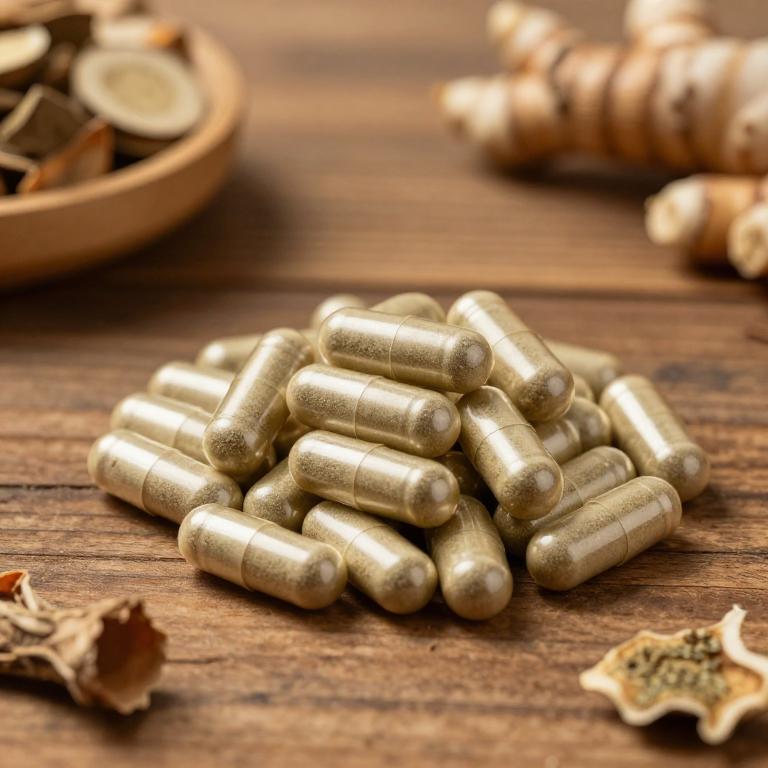
Zingiber officinale, commonly known as ginger, has been traditionally used for its anti-inflammatory and antimicrobial properties, making it a promising natural remedy for dental plaque.
Herbal capsules containing zingiber officinale extract can help reduce the buildup of plaque by inhibiting the growth of harmful bacteria in the mouth. Clinical studies suggest that ginger compounds may disrupt biofilm formation, which is a key factor in plaque development. These capsules offer a safe and convenient alternative to conventional mouthwashes and dental treatments.
Incorporating zingiber officinale into oral care routines may support overall dental health and prevent gum diseases associated with plaque accumulation.
7. Fennel (Foeniculum vulgare)

Foeniculum vulgare, commonly known as fennel, has been traditionally used for its digestive and anti-inflammatory properties, and recent studies suggest it may also be beneficial in the management of dental plaque.
The essential oils found in fennel, particularly anethol and fenchone, possess antimicrobial properties that can inhibit the growth of bacteria responsible for plaque formation. When formulated into herbal capsules, foeniculum vulgare offers a natural alternative for individuals seeking to reduce plaque without the use of synthetic additives. These capsules are typically taken orally and may support oral hygiene by reducing bacterial biofilm on teeth.
However, while preliminary research is promising, more clinical trials are needed to fully establish their efficacy and safety in dental care.
8. Melaleuca (Melaleuca alternifolia)

Melaleuca alternifolia, commonly known as tea tree oil, is a natural antimicrobial agent often used in herbal capsules for its potential benefits in dental care.
These capsules contain concentrated extracts of the plant, which may help reduce the buildup of dental plaque due to their antibacterial properties. The active compounds in melaleuca oil, such as terpinen-4-ol, can inhibit the growth of bacteria that contribute to plaque formation. While some studies suggest that tea tree oil may support oral hygiene, it is typically used as a complementary treatment rather than a replacement for conventional dental care.
As with any herbal supplement, it is advisable to consult a healthcare professional before incorporating melaleuca alternifolia capsules into a dental routine.
9. Turmeric (Curcuma longa)

Curcuma longa, commonly known as turmeric, is a herbal remedy that has been studied for its potential benefits in reducing dental plaque.
The active compound in turmeric, curcumin, possesses strong anti-inflammatory and antimicrobial properties that can help combat the bacteria responsible for plaque formation. Clinical studies suggest that curcumin may inhibit the growth of Streptococcus mutans, a primary contributor to dental plaque and cavities. When formulated into herbal capsules, curcuma longa provides a convenient and natural way to support oral hygiene.
However, it is important to consult with a dentist or healthcare provider before using turmeric supplements as part of a dental care routine.
10. Oregano (Origanum vulgare)
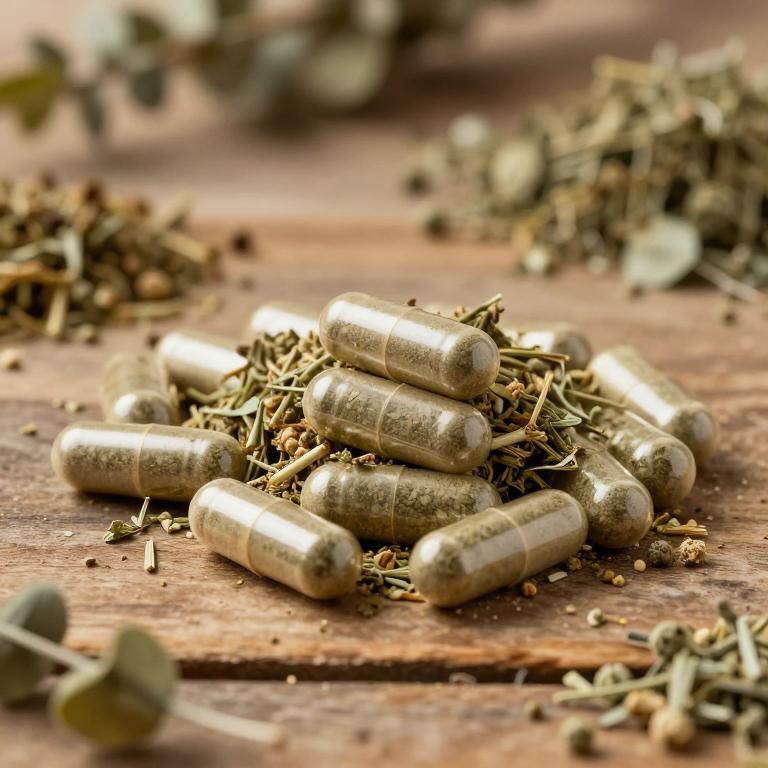
Oreganum vulgare, commonly known as oregano, has been traditionally used for its antimicrobial and anti-inflammatory properties, making it a potential natural remedy for dental plaque.
Herbal capsules containing Oreganum vulgare extract are formulated to support oral health by inhibiting the growth of bacteria that contribute to plaque formation. The active compounds in oregano, such as carvacrol and thymol, exhibit strong antibacterial effects against Streptococcus mutans and other plaque-causing microorganisms. When used as a supplement, these capsules may help reduce plaque buildup and promote healthier gums.
However, it is important to consult a dental professional before using oregano supplements as part of a comprehensive oral care routine.