10 Best Herbal Tinctures For Dark Lips
Herbal tinctures for dark lips are concentrated liquid extracts made from various plants known for their skin-brightening and nourishing properties.
These tinctures often contain ingredients like licorice root, turmeric, and calendula, which are believed to help even out skin tone and promote a healthier complexion. They are typically applied topically to the lips using a cotton swab, allowing the active compounds to penetrate the skin for a gradual improvement in lip color. Unlike harsh chemical treatments, herbal tinctures are generally considered gentle and safe for regular use, making them a popular choice in natural skincare routines.
However, it is important to perform a patch test before use to avoid any potential allergic reactions.
Table of Contents
- 1. Dog rose (Rosa canina)
- 2. Thistle (Silybum marianum)
- 3. Aloe vera (Aloe barbadensis)
- 4. Turmeric (Curcuma longa)
- 5. Blessed thistle (Cnicus benedictus)
- 6. Common grape (Vitis vinifera)
- 7. Peppermint (Mentha piperita)
- 8. Chaste tree (Vitex agnus-castus)
- 9. Licorice (Glycyrrhiza glabra)
- 10. Ginger (Zingiber officinale)
1. Dog rose (Rosa canina)
Rosa canina, also known as rose hip, is a popular herbal ingredient used in tinctures for its rich content of vitamins, particularly vitamin C, and antioxidants, which can promote skin health.
These tinctures are often used topically to address issues like dark lips, as they may help brighten the skin and improve its overall appearance. The natural compounds in Rosa canina can support the skin's healing process and may reduce the appearance of hyperpigmentation. When applied regularly, these tinctures may help to even out lip tone and enhance the natural radiance of the lips.
However, it's important to patch test before use and consult with a healthcare provider, especially if you have sensitive skin or are using other topical treatments.
2. Thistle (Silybum marianum)
Silybum marianum, also known as milk thistle, is a herbal plant commonly used in tinctures for its potential benefits for skin health.
These tinctures are believed to promote the healing and rejuvenation of dark lips due to their antioxidant and anti-inflammatory properties. The active compounds in silybum marianum, such as silymarin, may help in protecting the lips from environmental damage and stimulating cell regeneration. When applied topically, these tinctures can help brighten the lip color and improve overall lip texture.
However, it is important to consult a healthcare professional before using any herbal tinctures, especially if you have sensitive skin or existing medical conditions.
3. Aloe vera (Aloe barbadensis)
Aloe barbadensis, commonly known as aloe vera, is a versatile plant often used in herbal tinctures for its soothing and nourishing properties.
Aloe barbadensis herbal tinctures are particularly beneficial for dark lips due to their high concentration of vitamins, minerals, and antioxidants that promote skin health and hydration. These tinctures can help brighten the lip color by improving circulation and reducing the appearance of dark pigmentation. Regular application of aloe barbadensis tinctures can also soothe dry, chapped lips and enhance their overall texture and appearance.
As a natural remedy, aloe barbadensis tinctures offer a gentle and effective alternative to commercial lip treatments.
4. Turmeric (Curcuma longa)
Curcuma longa, commonly known as turmeric, is a herbal plant that has been used for centuries in traditional medicine for its anti-inflammatory and antioxidant properties.
Curcuma longa herbal tinctures are often used topically to address dark lips, which can be caused by factors such as sun exposure, smoking, or hormonal changes. These tinctures contain curcumin, a bioactive compound that may help brighten the skin and improve overall lip color. When applied regularly, they can help reduce hyperpigmentation and promote a more even skin tone on the lips.
However, it is important to perform a patch test before using any turmeric tincture to avoid potential skin irritation.
5. Blessed thistle (Cnicus benedictus)
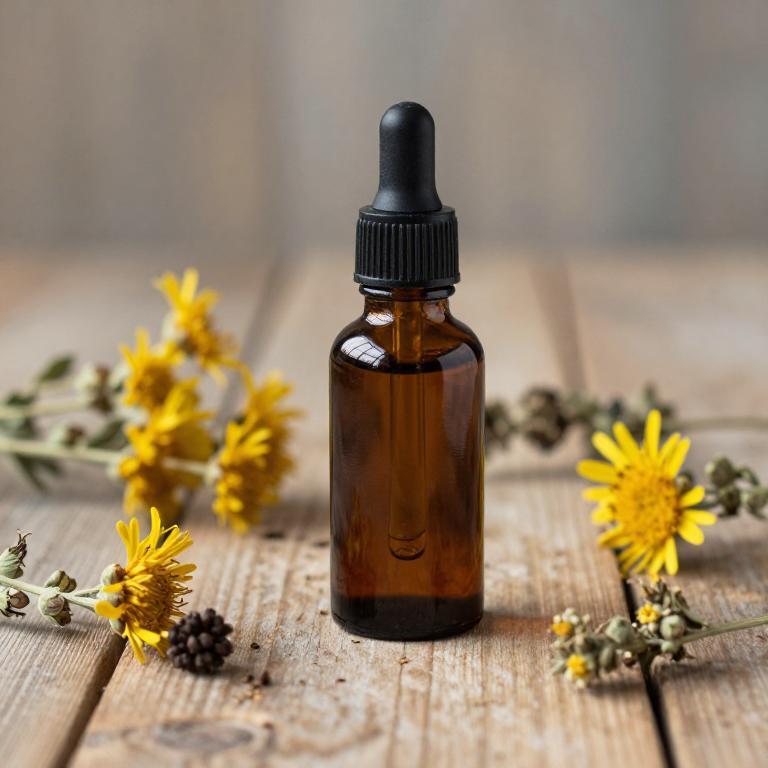
Cnicus benedictus, also known as blessed thorn, is a lesser-known herbal remedy that has been traditionally used for its potential benefits in improving the appearance of dark lips.
The tinctures made from this plant are believed to promote skin rejuvenation and enhance lip color by stimulating blood circulation and encouraging the production of melanin. While scientific evidence supporting its efficacy is limited, many natural skincare enthusiasts use these tinctures as part of their routine for their purported nourishing and revitalizing properties. When applied topically, the tinctures may help to brighten the lips and reduce the appearance of hyperpigmentation.
However, it is important to consult with a healthcare professional before using any herbal remedies, especially if you have sensitive skin or existing health conditions.
6. Common grape (Vitis vinifera)
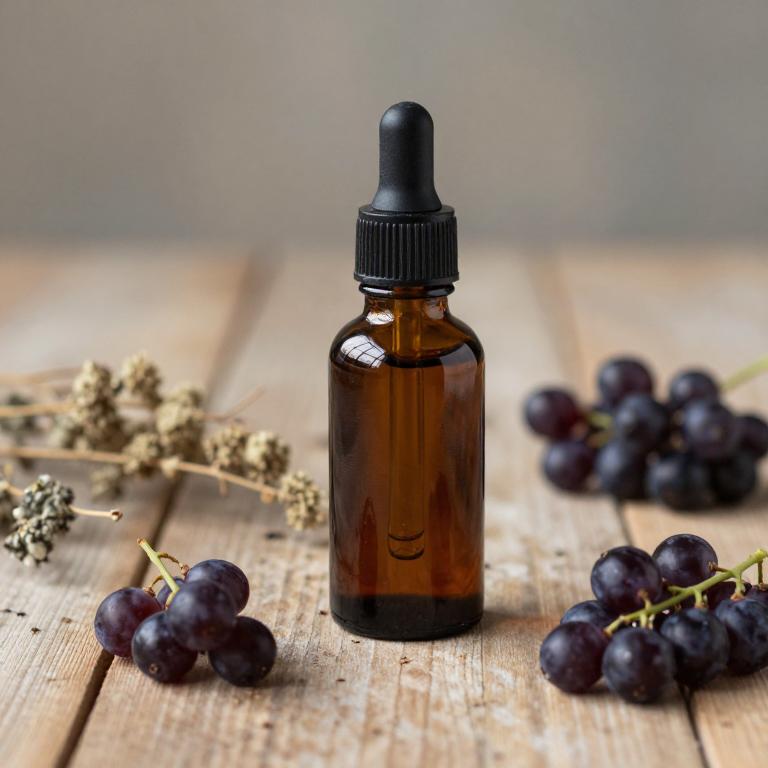
Vitis vinifera, commonly known as the grapevine plant, is often used in herbal tinctures for its rich content of antioxidants and flavonoids, which are believed to promote skin health.
These tinctures are particularly popular for addressing dark lips, as they may help in brightening the lip color and improving overall lip texture. The active compounds in Vitis vinifera tinctures can stimulate circulation and reduce hyperpigmentation, leading to a more even skin tone. When applied topically, these herbal tinctures are thought to nourish the lips and enhance their natural radiance.
However, it is important to consult a dermatologist before use, especially if you have sensitive skin or existing lip conditions.
7. Peppermint (Mentha piperita)
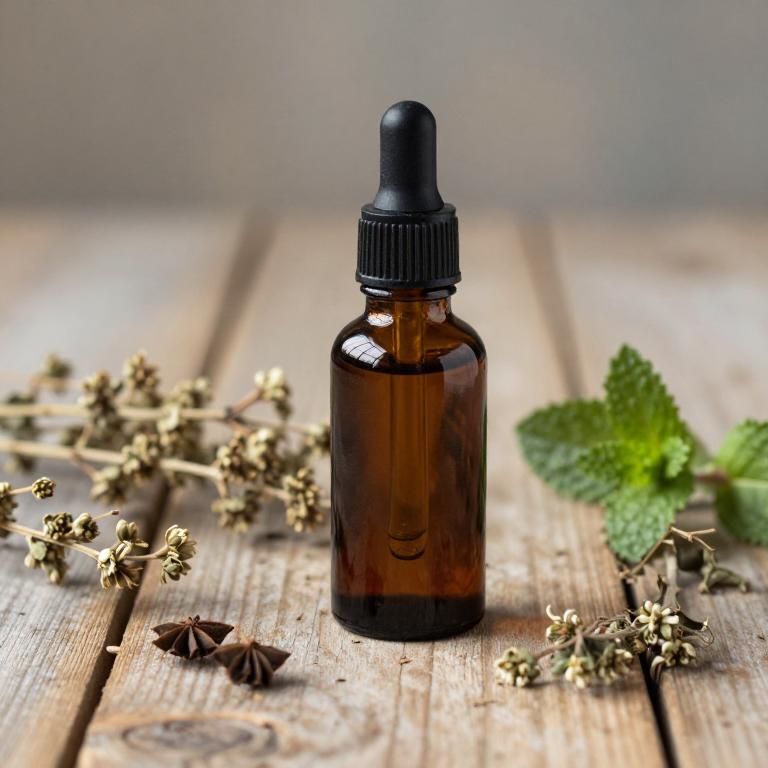
Mentha piperita, commonly known as peppermint, is a popular herb used in the formulation of tinctures for enhancing lip health, particularly for addressing dark lips.
These tinctures are valued for their cooling and refreshing properties, which can help improve blood circulation to the lips, promoting a healthier appearance. The active compounds in peppermint, such as menthol and methyl salicylate, may help lighten the pigmentation by exfoliating the skin and reducing melanin production. Regular application of peppermint tinctures can also provide a tingling sensation that stimulates the skin, leading to a more even and radiant lip color.
However, it is important to perform a patch test before use to avoid any allergic reactions, as some individuals may be sensitive to the strong ingredients in these tinctures.
8. Chaste tree (Vitex agnus-castus)
Vitex agnus-castus, commonly known as chasteberry, is a traditional herbal remedy often used in tincture form to support hormonal balance and improve the appearance of dark lips.
This herb is believed to stimulate the production of melanin, which can enhance lip color and create a more even tone. When used as a tincture, vitex agnus-castus is typically applied topically to the lips several times a day for best results. It is often recommended as a natural alternative to commercial lip treatments that contain synthetic ingredients.
However, it is important to consult with a healthcare provider before use, especially for those with hormonal imbalances or sensitive skin.
9. Licorice (Glycyrrhiza glabra)
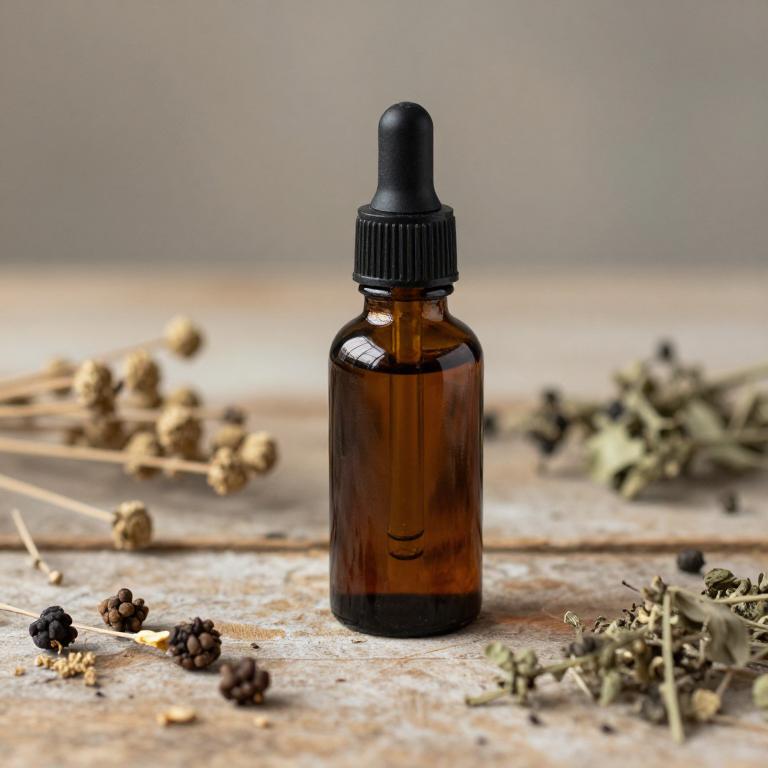
Glycyrrhiza glabra, commonly known as licorice root, is a traditional herbal remedy that has been used for centuries for its various therapeutic properties.
When used in the form of a tincture, glycyrrhiza glabra can be beneficial for dark lips due to its mild depigmenting effects and its ability to promote skin health. The tincture contains compounds such as glycyrrhizin and flavonoids, which may help to brighten the lip color and enhance the overall appearance of the lips. It is often combined with other herbs like rosehip or calendula to enhance its nourishing and rejuvenating effects.
However, it is important to use glycyrrhiza glabra tinctures in moderation, as excessive use may lead to side effects such as increased blood pressure or skin irritation.
10. Ginger (Zingiber officinale)
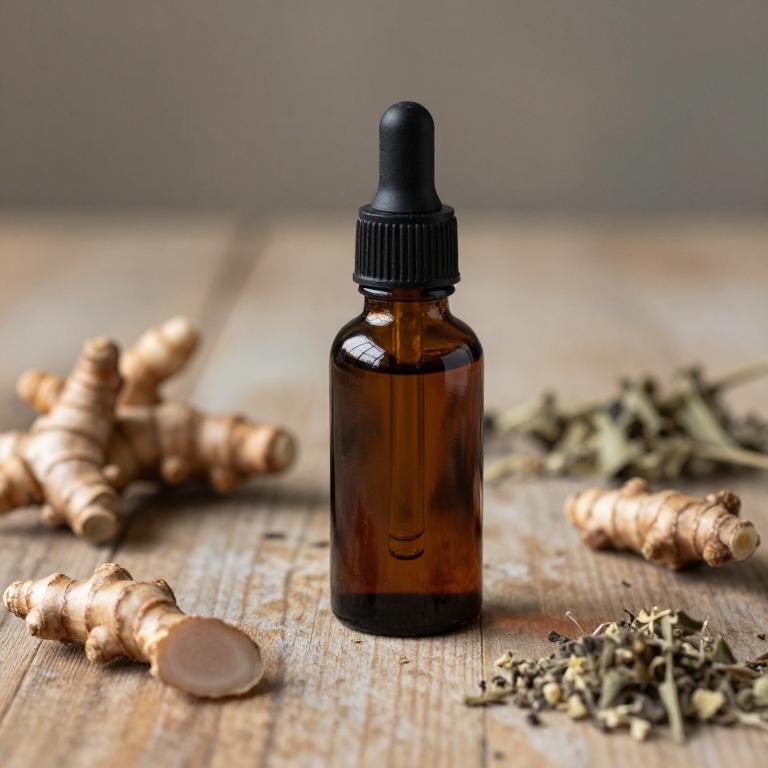
Zingiber officinale, commonly known as ginger, is often used in herbal tinctures for its potent properties that can help improve the appearance of dark lips.
These tinctures are believed to stimulate blood circulation in the lips, which may help reduce pigmentation and enhance natural lip color. The active compounds in ginger, such as gingerol and shogaol, have antioxidant and anti-inflammatory effects that can promote skin health and repair. When applied topically, ginger tinctures may help exfoliate dead skin cells and encourage cell renewal on the lips.
However, it is important to perform a patch test before using ginger tinctures to avoid potential irritation or allergic reactions.