10 Best Herbal Lozenges For Dandruff
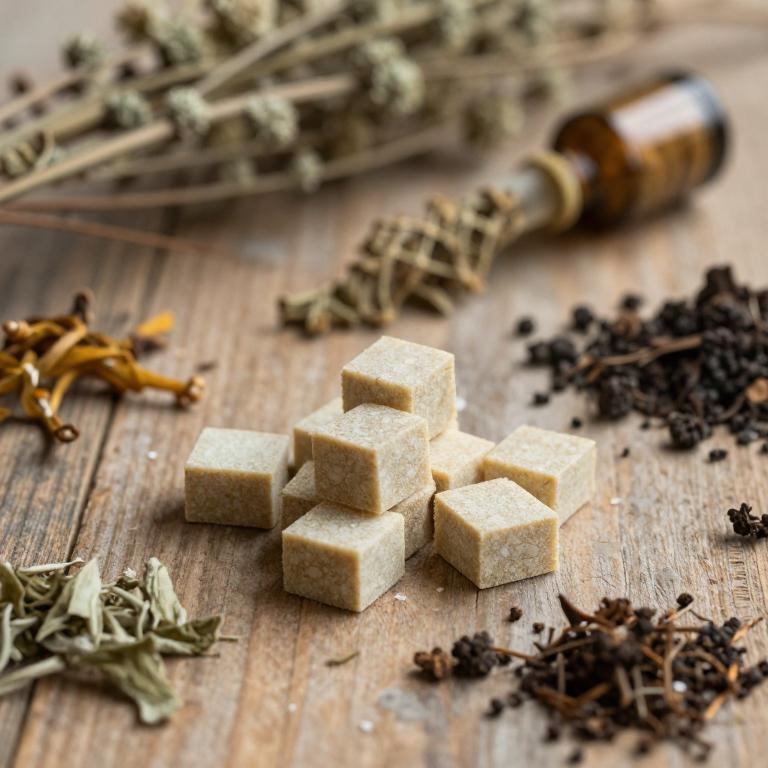
Herbal lozenges for dandruff are natural remedies that combine traditional herbal ingredients with modern lozenge technology to address scalp health.
These lozenges often contain ingredients like neem, tea tree oil, aloe vera, and chamomile, which are known for their antimicrobial and soothing properties. By dissolving in the mouth, the active ingredients are absorbed into the bloodstream, potentially reaching the scalp to reduce flakiness and itching. They are especially popular among individuals seeking alternatives to conventional dandruff shampoos.
While they may not replace medicated treatments, herbal lozenges can be a complementary approach to maintaining a healthy scalp.
Table of Contents
- 1. Melaleuca (Melaleuca alternifolia)
- 2. Salvia (Salvia officinalis)
- 3. Rosemary (Rosmarinus officinalis)
- 4. Aloe vera (Aloe barbadensis)
- 5. Ginger (Zingiber officinale)
- 6. Field horsetail (Equisetum arvense)
- 7. Lemon grass (Cymbopogon citratus)
- 8. Stinging nettle (Urtica dioica)
- 9. English lavender (Lavandula angustifolia)
- 10. St. john's wort (Hypericum perforatum)
1. Melaleuca (Melaleuca alternifolia)
Melaleuca alternifolia, commonly known as tea tree oil, is a natural ingredient often used in herbal lozenges for its antimicrobial and anti-inflammatory properties.
These lozenges are formulated to target the underlying causes of dandruff by reducing fungal overgrowth on the scalp, which is a common contributor to flaking and itching. The essential oil provides a soothing effect, helping to alleviate irritation and promote a healthier scalp environment. Regular use of these lozenges can lead to noticeable improvements in scalp health and reduced dandruff over time.
As a natural alternative to conventional treatments, melaleuca alternifolia herbal lozenges offer a gentle yet effective approach to managing dandruff.
2. Salvia (Salvia officinalis)
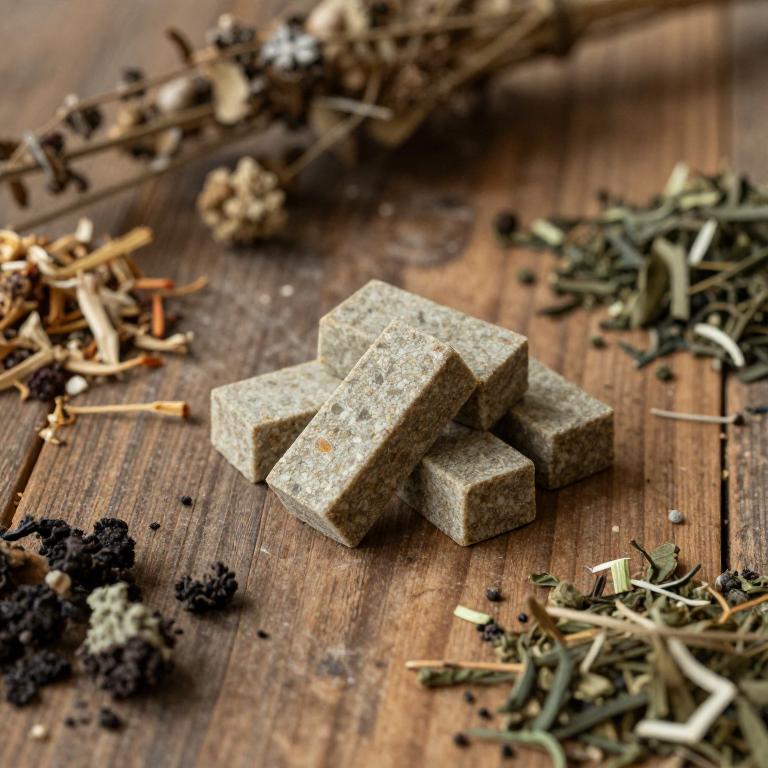
Salvia officinalis, commonly known as sage, has been traditionally used for its antifungal and antimicrobial properties, making it a promising ingredient in herbal lozenges for dandruff.
These lozenges are designed to be chewed or dissolved, allowing the active compounds in sage to be absorbed through the mouth and potentially reach the scalp via systemic effects. The essential oils in salvia officinalis, such as thujone and cineole, may help reduce the growth of Malassezia, a yeast often associated with dandruff. By incorporating natural anti-inflammatory and sebum-regulating properties, sage lozenges offer a gentle alternative to conventional dandruff treatments.
Regular use of these lozenges may support overall scalp health and reduce the frequency of flaky, itchy skin on the scalp.
3. Rosemary (Rosmarinus officinalis)
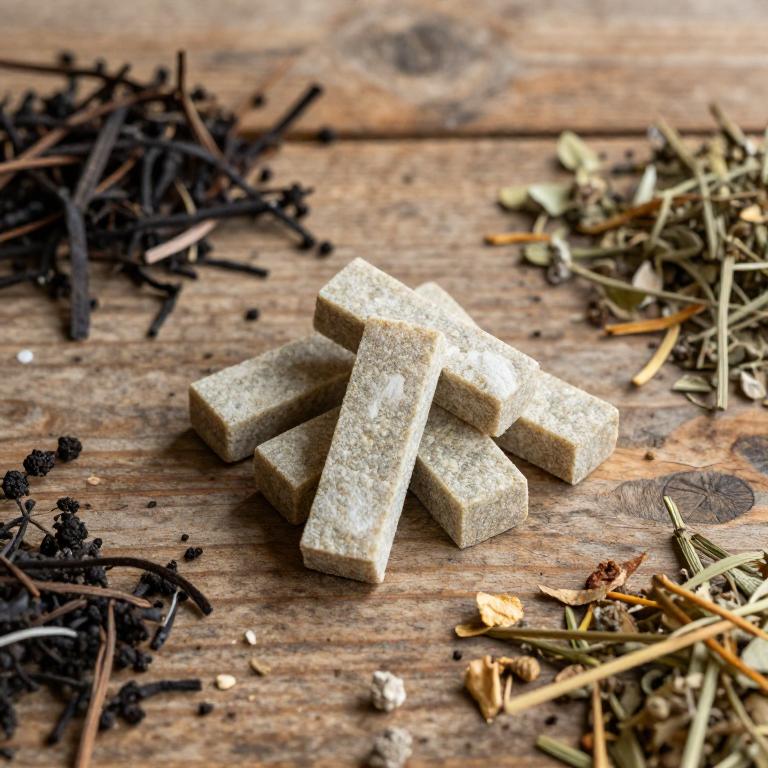
Rosmarinus officinalis, commonly known as rosemary, is a versatile herb that has been traditionally used for its aromatic and therapeutic properties.
Rosemary herbal lozenges are formulated to address dandruff by leveraging the essential oils found in rosemary, which possess antimicrobial and anti-inflammatory benefits. These lozenges help to reduce the buildup of dead skin cells on the scalp, promoting a healthier scalp environment. The natural compounds in rosemary can also stimulate blood circulation, encouraging hair growth and reducing flakiness.
Regular use of rosemary lozenges may offer a natural and effective solution for those seeking to manage dandruff without harsh chemicals.
4. Aloe vera (Aloe barbadensis)
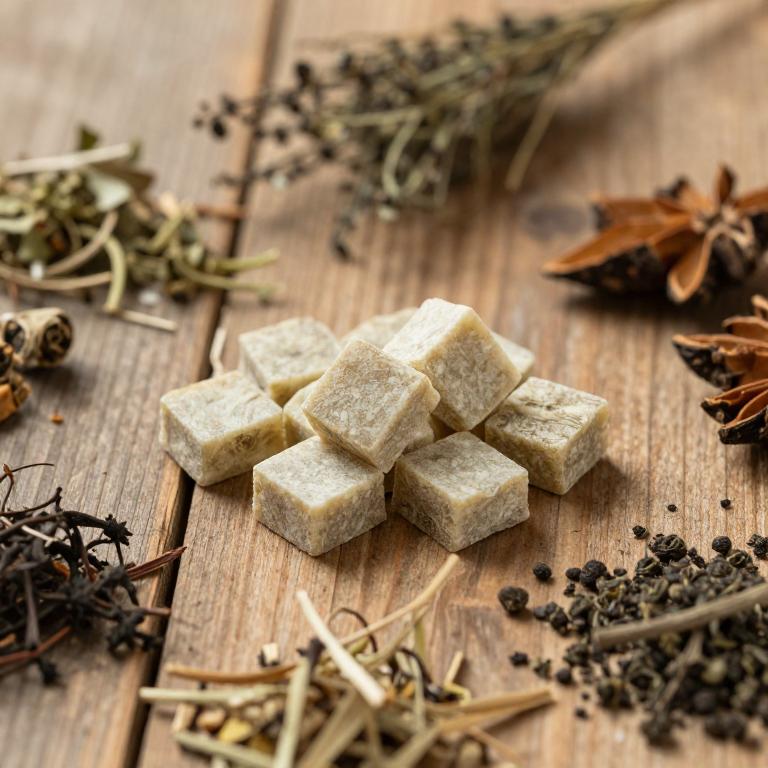
Aloe barbadensis herbal lozenges are a natural remedy designed to alleviate dandruff by harnessing the soothing and healing properties of aloe vera.
These lozenges work by moisturizing the scalp and reducing dryness, a common cause of flaky, itchy skin. The anti-inflammatory and antimicrobial compounds in aloe vera help to combat fungal infections and irritation that contribute to dandruff. Regular use of these lozenges can promote a healthier scalp environment and reduce the frequency of dandruff outbreaks.
They offer a gentle, plant-based alternative to traditional dandruff treatments, making them suitable for those seeking natural solutions.
5. Ginger (Zingiber officinale)
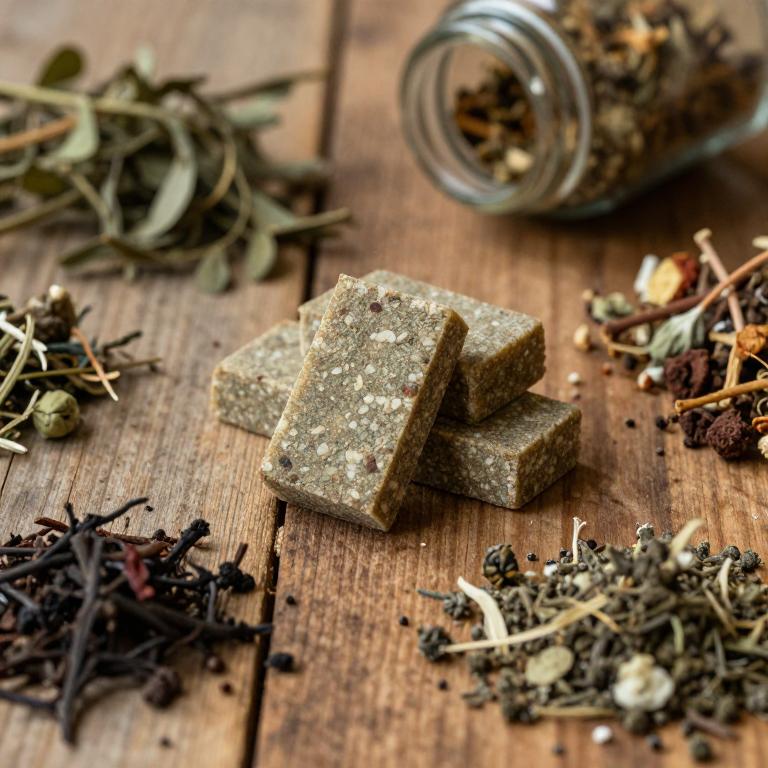
Zingiber officinale, commonly known as ginger, has been traditionally used for its anti-inflammatory and antifungal properties, making it a promising ingredient in herbal lozenges for dandruff.
These lozenges combine the therapeutic benefits of ginger with other natural ingredients to soothe the scalp and reduce flakiness. The active compounds in ginger, such as gingerol and shogaol, help in reducing scalp irritation and promoting healthy hair growth. Regular use of zingiber officinale herbal lozenges may help alleviate dandruff symptoms by improving scalp health and balancing the skin's microbiome.
While they are not a substitute for medical treatment, they offer a natural and complementary approach to managing dandruff.
6. Field horsetail (Equisetum arvense)
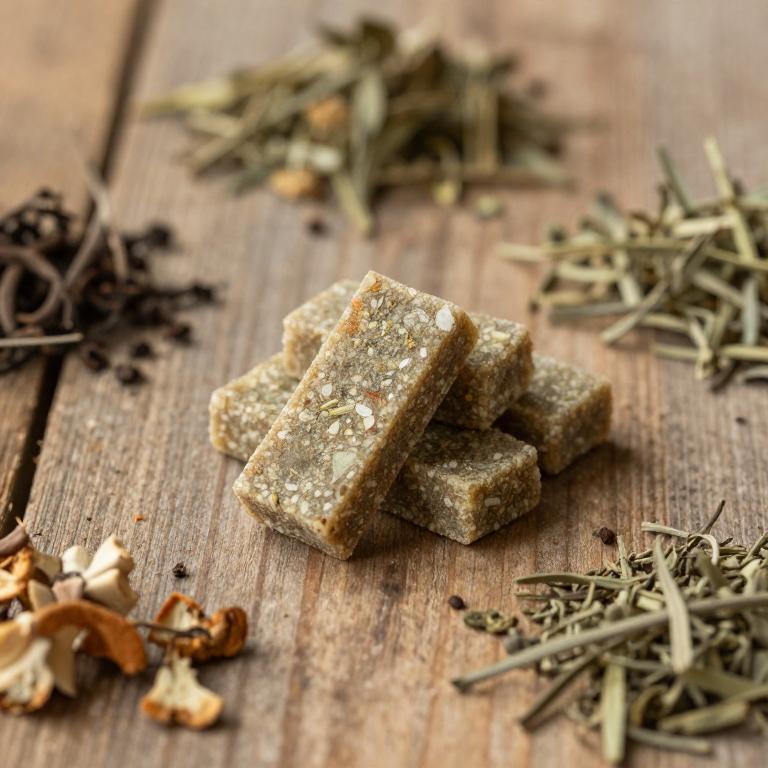
Equisetum arvense herbal lozenges are formulated with the extract of the horse tail plant, known for its natural antifungal and antibacterial properties.
These lozenges are specifically designed to combat dandruff by targeting the fungal infections that often contribute to scalp issues. The active ingredients in Equisetum arvense help reduce flakiness, itching, and irritation associated with dandruff. Regular use of these lozenges can promote a healthier scalp environment and improve overall hair condition.
They offer a natural and soothing alternative to conventional dandruff treatments, making them a popular choice for those seeking herbal remedies.
7. Lemon grass (Cymbopogon citratus)
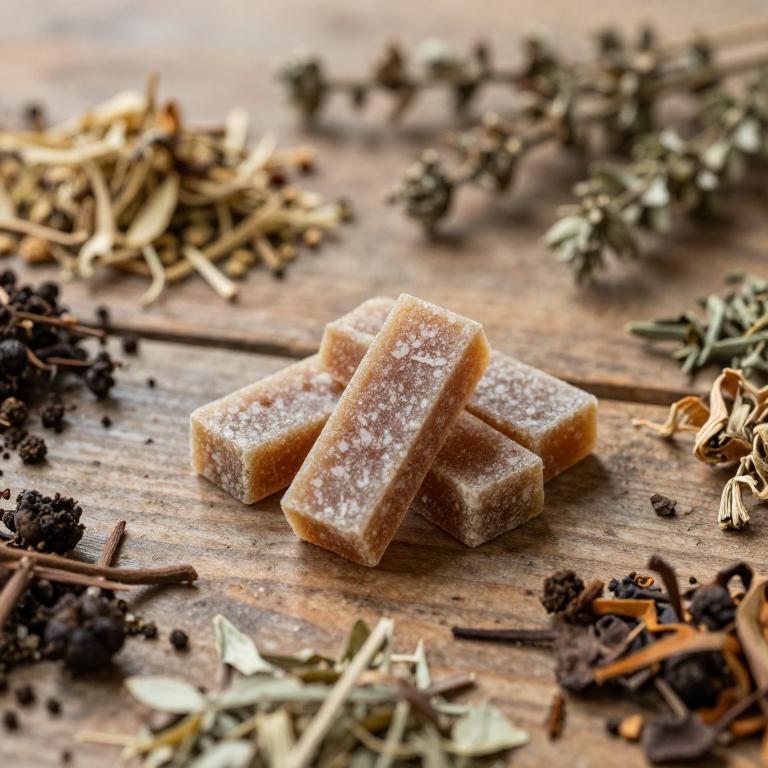
Cymbopogon citratus, commonly known as lemon grass, is a natural herb that has been traditionally used for its soothing and antifungal properties.
Herbal lozenges made from Cymbopogon citratus are formulated to provide relief from dandruff by targeting the fungal causes of scalp infections. These lozenges work by delivering a concentrated dose of the herb's active compounds directly to the scalp, helping to reduce flakiness and itching. The essential oils in lemon grass have antimicrobial effects that may help combat Malassezia, a common fungus associated with dandruff.
Regular use of these lozenges can support a healthier scalp environment and promote overall hair and scalp wellness.
8. Stinging nettle (Urtica dioica)
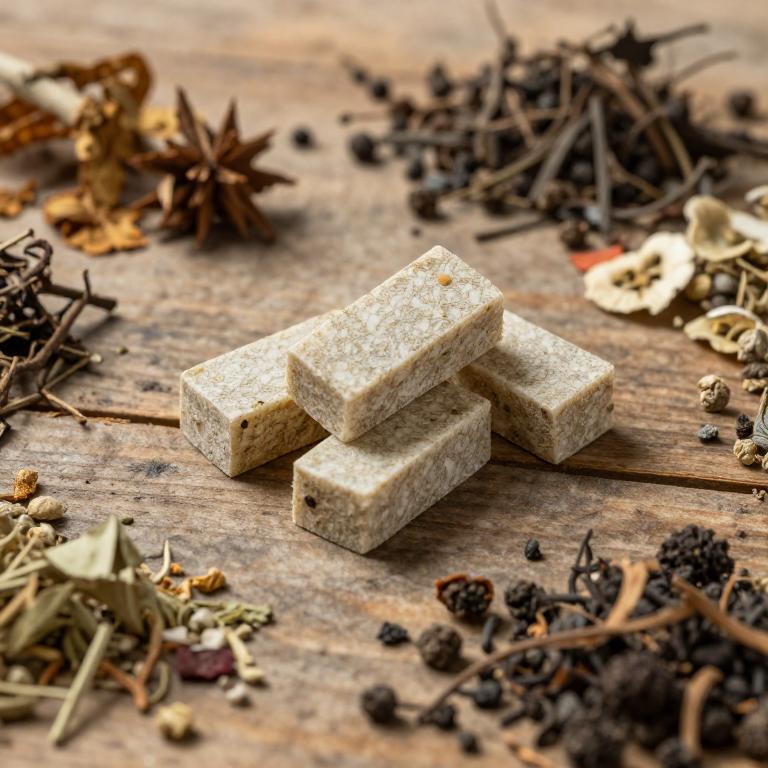
Urtica dioica, commonly known as stinging nettle, is a potent herbal ingredient used in the formulation of lozenges for dandruff due to its anti-inflammatory and antifungal properties.
These lozenges are designed to be chewed or dissolved in the mouth, allowing the active compounds to be absorbed through the oral mucosa and potentially affect the scalp's microbiome. The herb is believed to help reduce seborrheic dermatitis, a common cause of dandruff, by regulating oil production and soothing irritation. Additionally, Urtica dioica contains minerals like iron and silica, which may support overall scalp health.
While herbal lozenges are generally considered safe, individuals should consult a healthcare provider before use, especially if they have allergies or are on medication.
9. English lavender (Lavandula angustifolia)
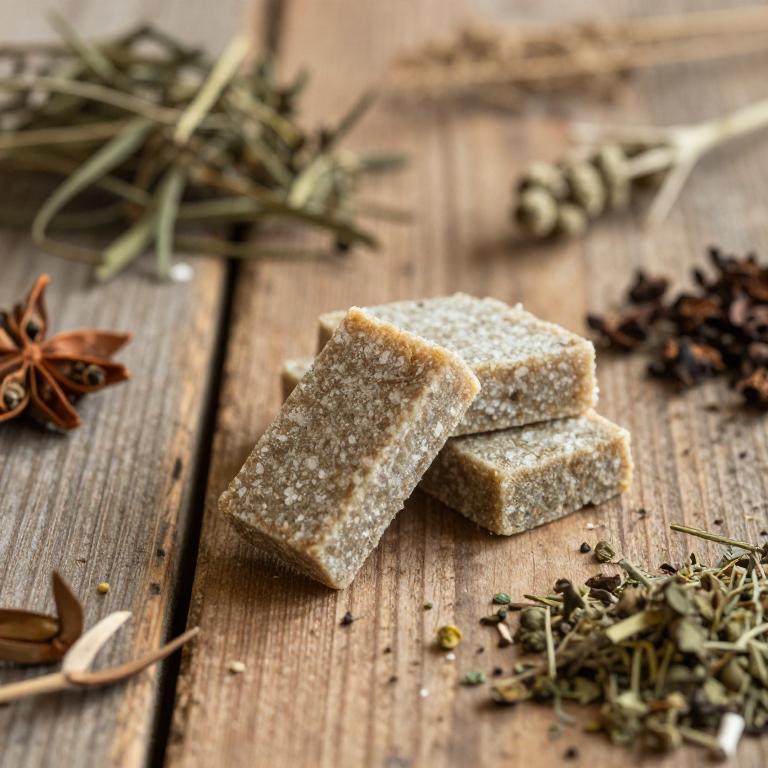
Lavandula angustifolia, commonly known as English lavender, is a popular herbal ingredient used in natural remedies for its soothing and antifungal properties.
Lavandula angustifolia herbal lozenges are formulated to help alleviate symptoms of dandruff by promoting scalp health and reducing itchiness. These lozenges work by delivering a calming effect to the scalp, which can help reduce inflammation and irritation. The essential oils in lavender are believed to inhibit the growth of Malassezia, a fungus commonly associated with dandruff.
Regular use of these lozenges may support a healthier scalp environment and reduce the frequency of flaky, oily skin on the scalp.
10. St. john's wort (Hypericum perforatum)
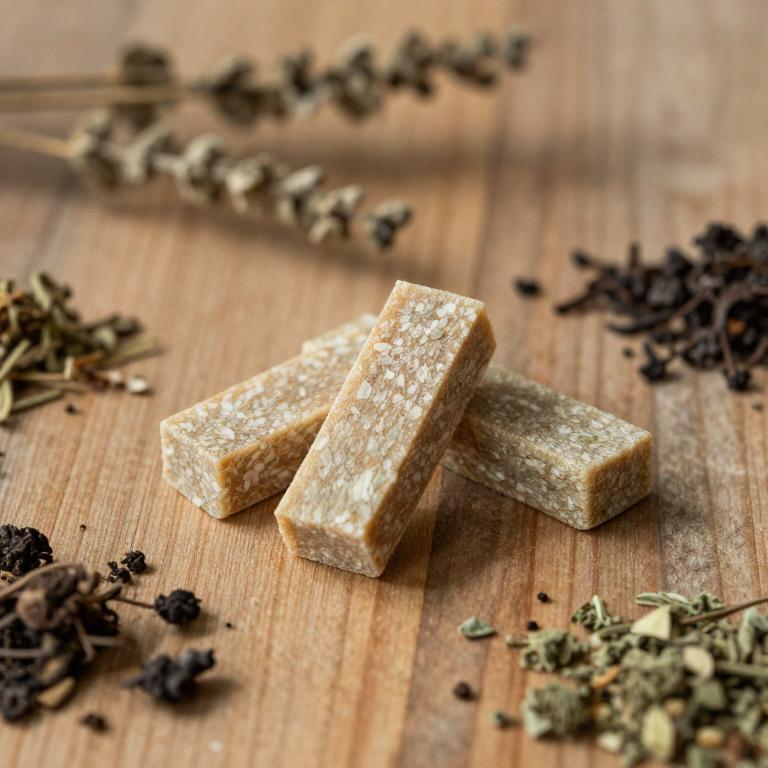
Hypericum perforatum, commonly known as St. John's Wort, is a herbal remedy that has been traditionally used for its potential anti-inflammatory and antimicrobial properties.
Hypericum perforatum herbal lozenges are designed to address dandruff by targeting the underlying causes such as fungal infections and scalp irritation. These lozenges work by soothing the scalp and reducing flaking and itching associated with dandruff. The active compounds in St. John's Wort, such as hypericin and flavonoids, may help to regulate sebum production and promote a healthier scalp environment.
While generally considered safe, it is advisable to consult a healthcare professional before use, especially if you are taking other medications, as St. John's Wort can interact with certain drugs.