10 Best Herbal Capsules For Dandruff
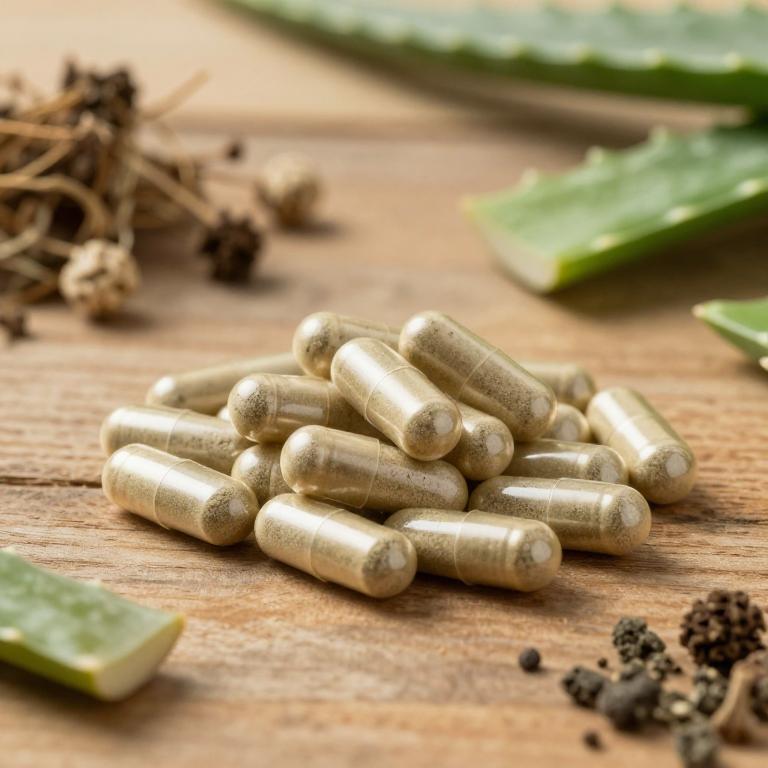
Herbal capsules for dandruff are a natural alternative to conventional treatments, often containing ingredients like tea tree oil, neem, and ginger, which are known for their antifungal and anti-inflammatory properties.
These capsules are designed to be taken orally, allowing the active ingredients to be absorbed into the bloodstream and potentially affect the scalp from within. They are particularly appealing to individuals seeking holistic or chemical-free solutions for scalp health. Many herbal capsules are marketed as safe for long-term use and are often free from harsh synthetic additives.
However, it is important to consult a healthcare professional before starting any new supplement regimen to ensure suitability and effectiveness.
Table of Contents
- 1. Aloe vera (Aloe barbadensis)
- 2. Field horsetail (Equisetum arvense)
- 3. Camellia (Camellia sinensis)
- 4. Stinging nettle (Urtica dioica)
- 5. Lemon grass (Cymbopogon citratus)
- 6. Centella (Centella asiatica)
- 7. Turmeric (Curcuma longa)
- 8. Ginger (Zingiber officinale)
- 9. Rosemary (Rosmarinus officinalis)
- 10. Black pepper (Piper nigrum)
1. Aloe vera (Aloe barbadensis)
Aloe barbadensis, commonly known as aloe vera, is a natural remedy that has been used for centuries for its soothing and healing properties.
Aloe barbadensis herbal capsules are formulated to harness the beneficial compounds found in the gel of the aloe plant, such as polysaccharides, enzymes, and antioxidants. These capsules may help reduce dandruff by moisturizing the scalp, reducing inflammation, and promoting a healthy skin barrier. They are often used as a complementary treatment alongside traditional shampoos for mild to moderate dandruff.
However, it is important to consult with a healthcare professional before starting any new herbal supplement regimen to ensure safety and effectiveness.
2. Field horsetail (Equisetum arvense)
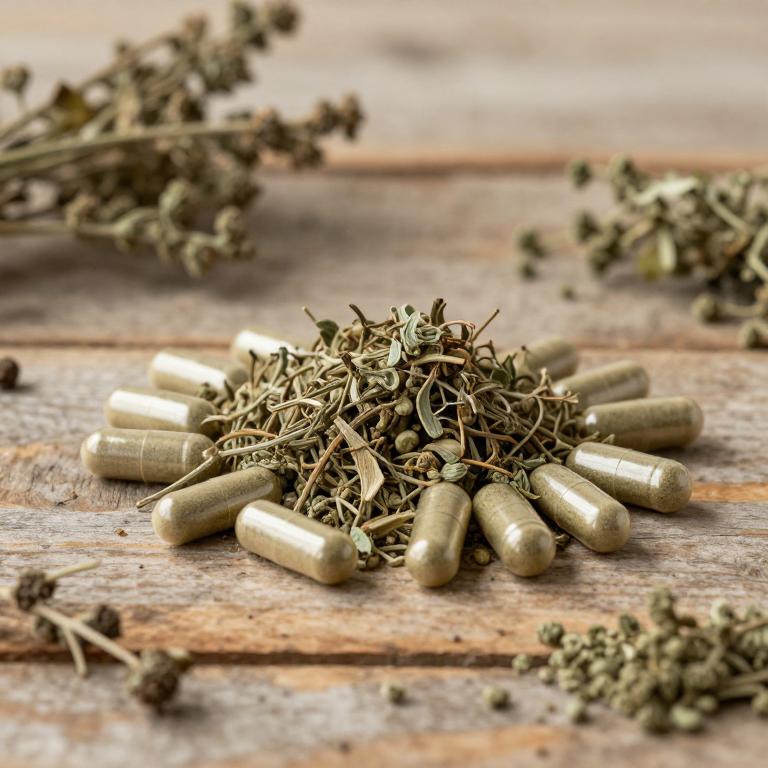
Equisetum arvense, commonly known as field horsetail, is a traditional herbal remedy that has been used for centuries to address various health concerns, including dandruff.
The herbal capsules containing Equisetum arvense are formulated to harness the plant's high concentration of silica, which is believed to strengthen scalp tissue and promote healthy hair growth. These capsules are often recommended for individuals experiencing flaky, itchy, or oily scalp conditions associated with dandruff. The natural properties of Equisetum arvense may help reduce scalp irritation and improve overall scalp health.
As a dietary supplement, it is typically taken orally, and its efficacy is supported by historical use and anecdotal evidence, though more scientific research is needed to fully validate its benefits.
3. Camellia (Camellia sinensis)
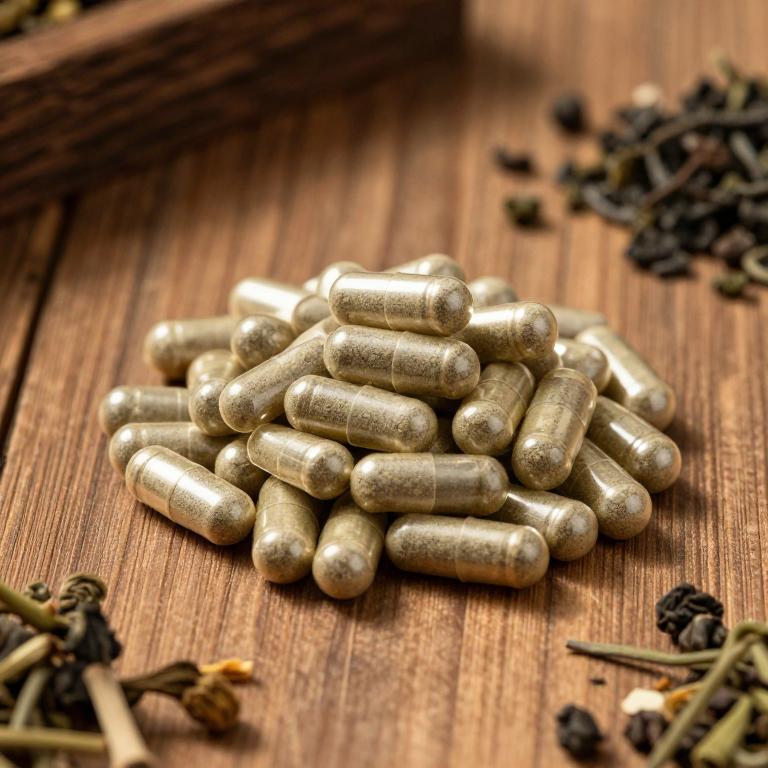
Camellia sinensis herbal capsules are a natural remedy derived from the leaves of the tea plant, commonly used to address dandruff and scalp health.
These capsules contain bioactive compounds such as caffeine, theanine, and polyphenols, which have been shown to reduce fungal growth and inflammation on the scalp. Regular use of Camellia sinensis capsules may help alleviate dandruff by promoting a balanced scalp environment and improving hair follicle health. They are often preferred over chemical treatments due to their mild, plant-based formulation.
However, it is advisable to consult a healthcare professional before starting any new supplement regimen, especially for individuals with sensitive skin or existing scalp conditions.
4. Stinging nettle (Urtica dioica)
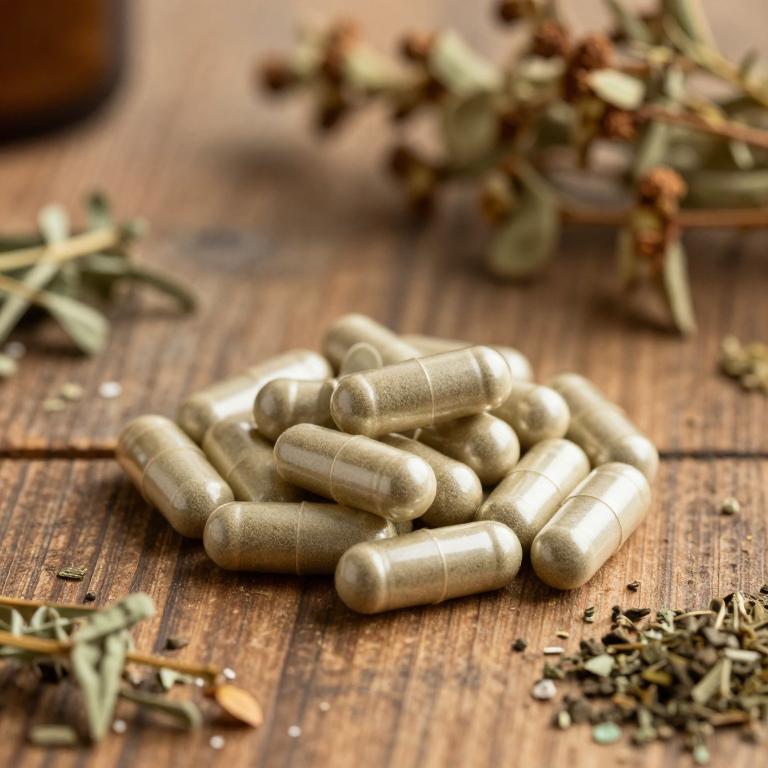
Urtica dioica, commonly known as nettle, is a herbal remedy that has been traditionally used for its various health benefits, including treating dandruff.
Urtica dioica herbal capsules are formulated to harness the anti-inflammatory and antimicrobial properties of nettle, which can help reduce scalp irritation and fungal overgrowth associated with dandruff. These capsules are often used as a natural alternative to conventional dandruff shampoos, offering a gentler approach for individuals with sensitive skin. The active compounds in nettle, such as silica and antioxidants, support scalp health by promoting hair strength and reducing flaking.
When used consistently, Urtica dioica herbal capsules may provide long-term relief from dandruff while enhancing overall scalp vitality.
5. Lemon grass (Cymbopogon citratus)
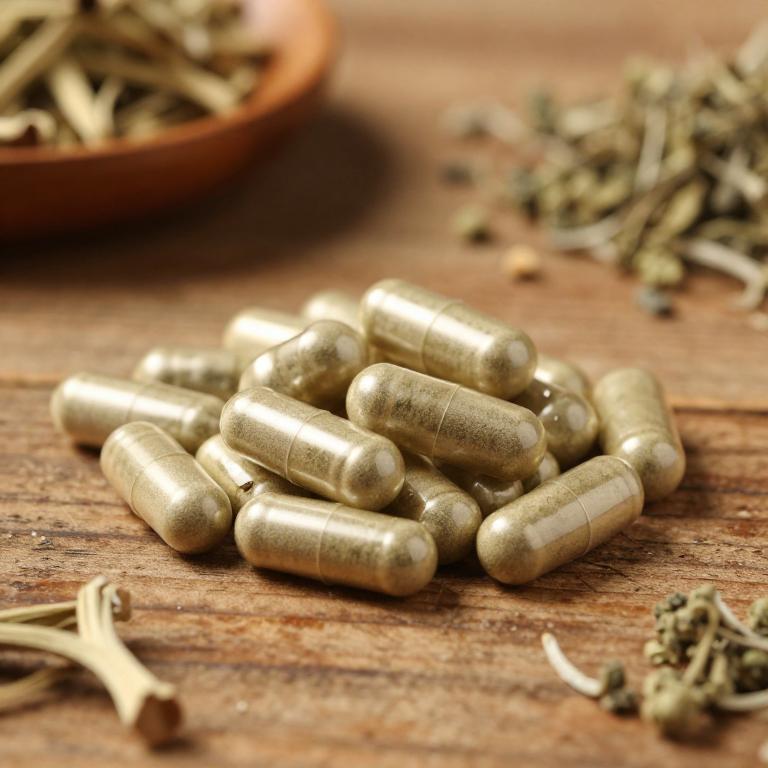
Cymbopogon citratus, commonly known as lemon grass, is a popular herbal remedy used in natural treatments for dandruff due to its antifungal and antibacterial properties.
When formulated into herbal capsules, it provides a convenient and effective way to combat scalp infections and reduce flaking. The active compounds in lemon grass, such as citral and myrcene, help soothe the scalp and inhibit the growth of Malassezia, a fungus often associated with dandruff. Regular use of these capsules can lead to improved scalp health and reduced itchiness.
As a natural alternative to chemical-based treatments, Cymbopogon citratus capsules are well-tolerated and suitable for individuals seeking a holistic approach to managing dandruff.
6. Centella (Centella asiatica)
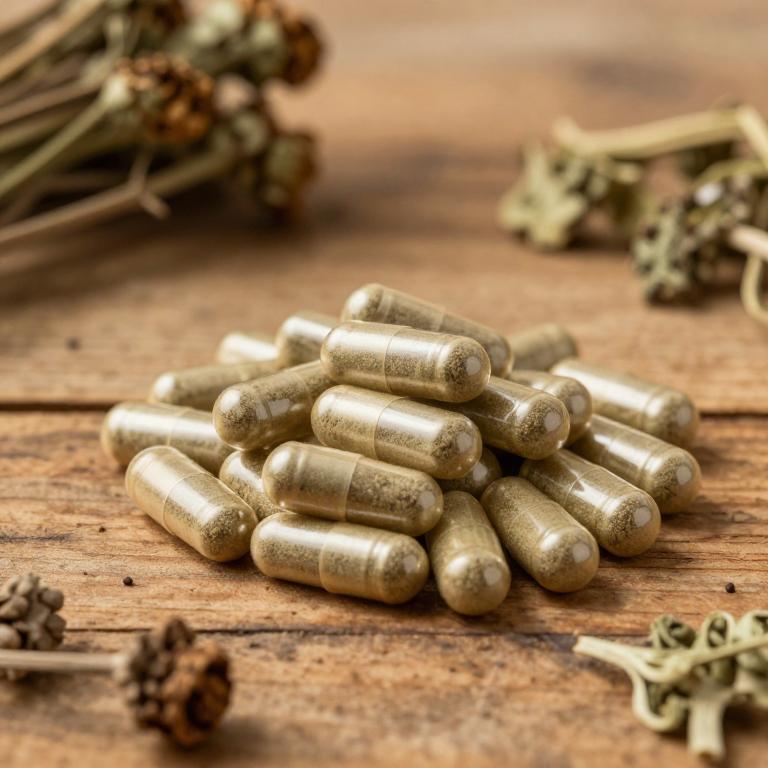
Centella asiatica herbal capsules are a natural remedy commonly used to address dandruff and scalp health.
These capsules contain an active ingredient called asiatic acid, which is known for its ability to promote skin healing and reduce inflammation. The herb is believed to strengthen the scalp's natural defenses and improve the overall condition of the hair and skin. Many people find that using Centella asiatica capsules helps reduce flakiness, itching, and irritation associated with dandruff.
As a complementary therapy, they can be used alongside traditional treatments for a more holistic approach to scalp care.
7. Turmeric (Curcuma longa)
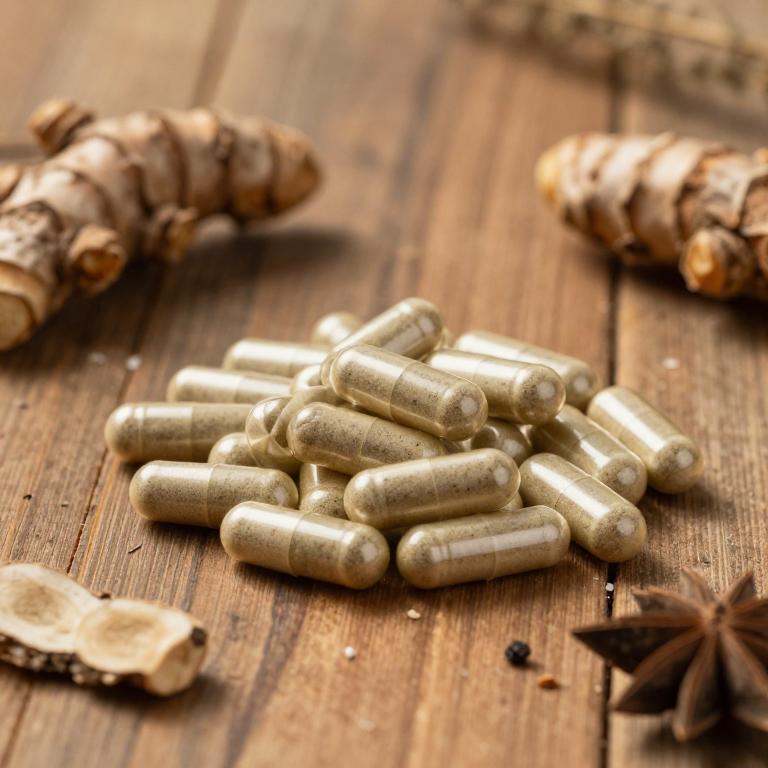
Curcuma longa, commonly known as turmeric, is a herbal remedy that has been traditionally used for its anti-inflammatory and antimicrobial properties.
Curcuma longa herbal capsules are increasingly being used to address dandruff due to their ability to reduce scalp inflammation and combat fungal infections that contribute to flaky skin. The active compound in turmeric, curcumin, has shown potential in regulating sebum production and promoting a healthier scalp environment. These capsules are often used as a natural alternative to conventional dandruff shampoos, offering a gentle and safe option for those seeking herbal treatments.
However, it is important to consult with a healthcare professional before incorporating curcuma longa capsules into a skincare or hair care routine.
8. Ginger (Zingiber officinale)
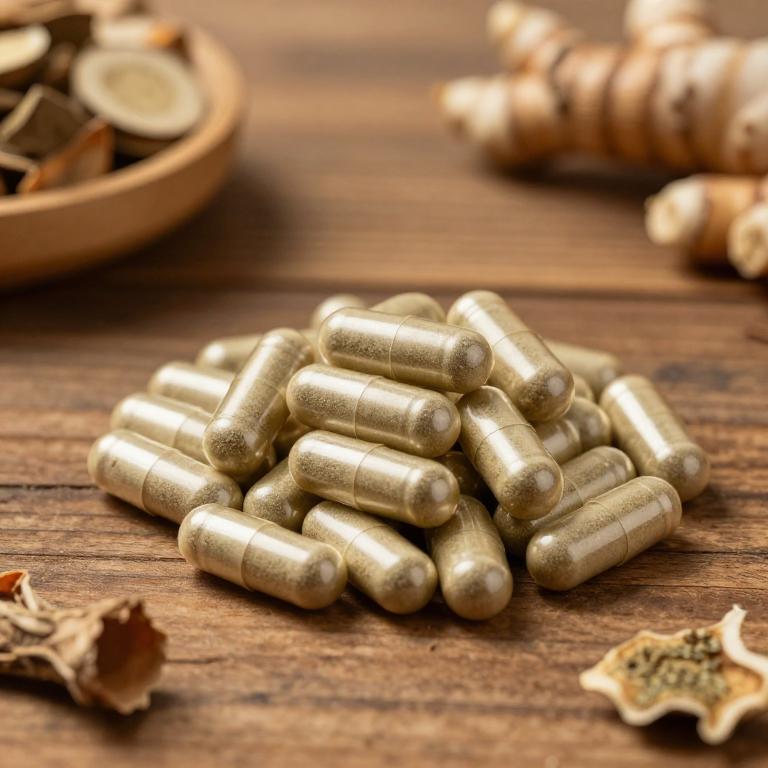
Zingiber officinale, commonly known as ginger, is a popular herbal remedy used in the formulation of capsules aimed at treating dandruff.
These capsules are believed to work by leveraging the anti-inflammatory and antimicrobial properties of ginger, which can help reduce scalp irritation and fungal growth. Regular use of ginger herbal capsules may promote a healthier scalp environment, thereby minimizing flaking and itchiness associated with dandruff. Many users report improved scalp health and reduced dandruff after consistent use of these natural supplements.
As a safe and natural alternative to conventional dandruff treatments, ginger capsules offer a promising option for those seeking holistic care for their scalp.
9. Rosemary (Rosmarinus officinalis)
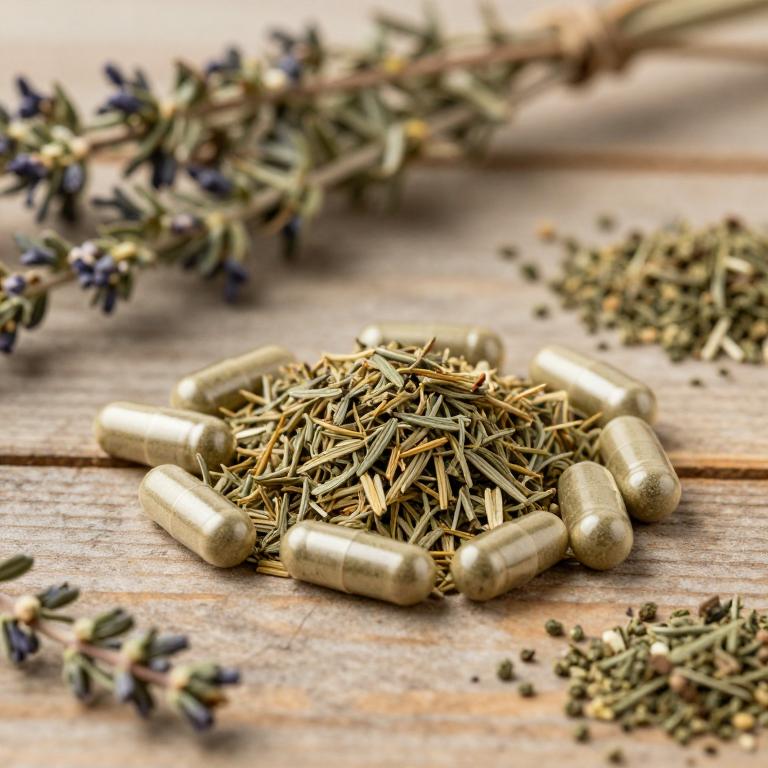
Rosmarinus officinalis, commonly known as rosemary, is a popular herbal ingredient used in the formulation of herbal capsules for dandruff due to its antimicrobial and anti-inflammatory properties.
These capsules are designed to support scalp health by reducing the buildup of sebum and promoting a balanced scalp environment. The essential oils in rosemary have been shown to stimulate blood circulation in the scalp, which can enhance hair growth and reduce flakiness. Regular use of rosemary herbal capsules may help alleviate symptoms of dandruff and improve overall scalp hygiene.
As a natural alternative to chemical treatments, these capsules offer a gentle and effective solution for those seeking holistic hair care.
10. Black pepper (Piper nigrum)
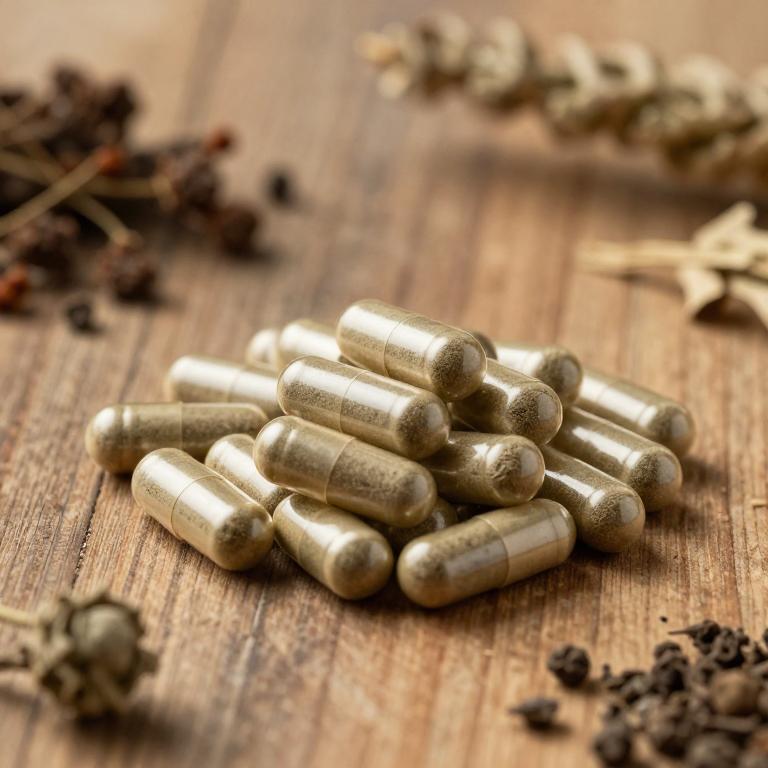
Piper nigrum, commonly known as black pepper, has been traditionally used in herbal remedies for its potential benefits in treating dandruff.
The active compound in black pepper, piperine, is believed to enhance scalp health by improving circulation and reducing fungal growth, which are common causes of dandruff. Piper nigrum herbal capsules are formulated to support natural hair care by promoting a balanced scalp environment. These capsules are often used as a complementary therapy alongside conventional treatments for persistent dandruff.
However, it is important to consult a healthcare professional before starting any new herbal supplement to ensure safety and effectiveness.