10 Best Herbal Lozenges For Cramps
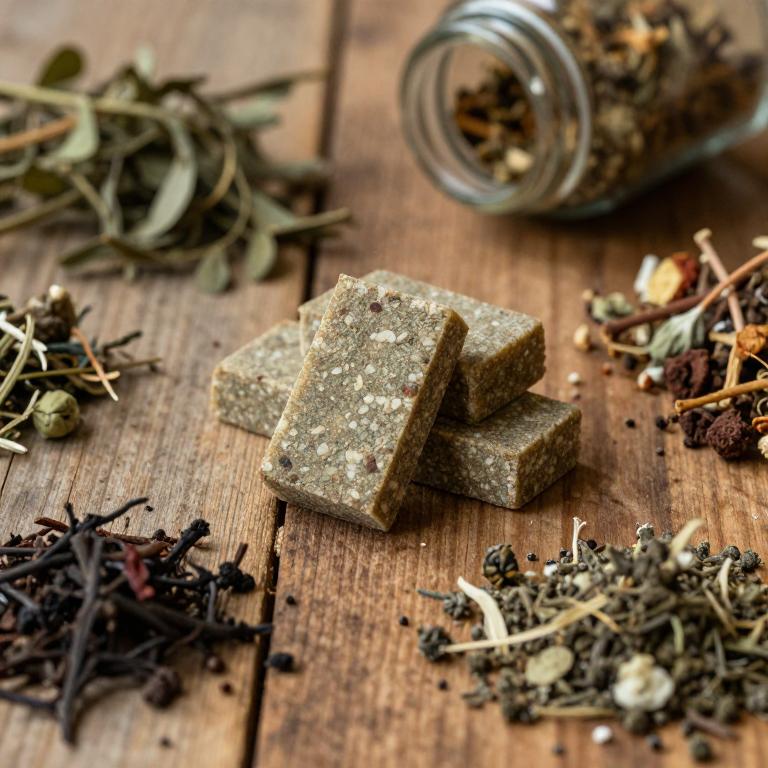
Herbal lozenges for cramps are natural remedies designed to provide relief from mild to moderate muscle cramps, often containing ingredients like ginger, peppermint, and eucalyptus.
These lozenges work by soothing the muscles and improving blood circulation, which can help reduce the intensity and duration of cramps. They are typically easy to use, simply dissolving in the mouth for quick absorption of their therapeutic properties. Many herbal lozenges are free from synthetic additives, making them a preferred choice for individuals seeking natural pain relief.
However, it is advisable to consult a healthcare professional before using them, especially for those with underlying medical conditions or who are taking other medications.
Table of Contents
- 1. Ginger (Zingiber officinale)
- 2. Chaste tree (Vitex agnus-castus)
- 3. Turmeric (Curcuma longa)
- 4. Peppermint (Mentha piperita)
- 5. Black pepper (Piper nigrum)
- 6. Fennel (Foeniculum vulgare)
- 7. Rosemary (Rosmarinus officinalis)
- 8. Cumin (Cuminum cyminum)
- 9. Ceylon cinnamon (Cinnamomum verum)
- 10. Salvia (Salvia officinalis)
1. Ginger (Zingiber officinale)
Zingiber officinale, commonly known as ginger, has been traditionally used to alleviate various types of cramps due to its anti-inflammatory and analgesic properties.
Ginger herbal lozenges offer a convenient and effective way to incorporate this natural remedy into daily routines, particularly for those experiencing menstrual cramps or digestive discomfort. These lozenges work by promoting circulation and reducing the intensity of muscle spasms through the active compounds like gingerols and shogaols. They are often preferred over conventional pain relievers because they are generally gentler on the stomach and have fewer side effects.
As a result, ginger lozenges are a popular choice for individuals seeking a natural and soothing solution for cramp relief.
2. Chaste tree (Vitex agnus-castus)
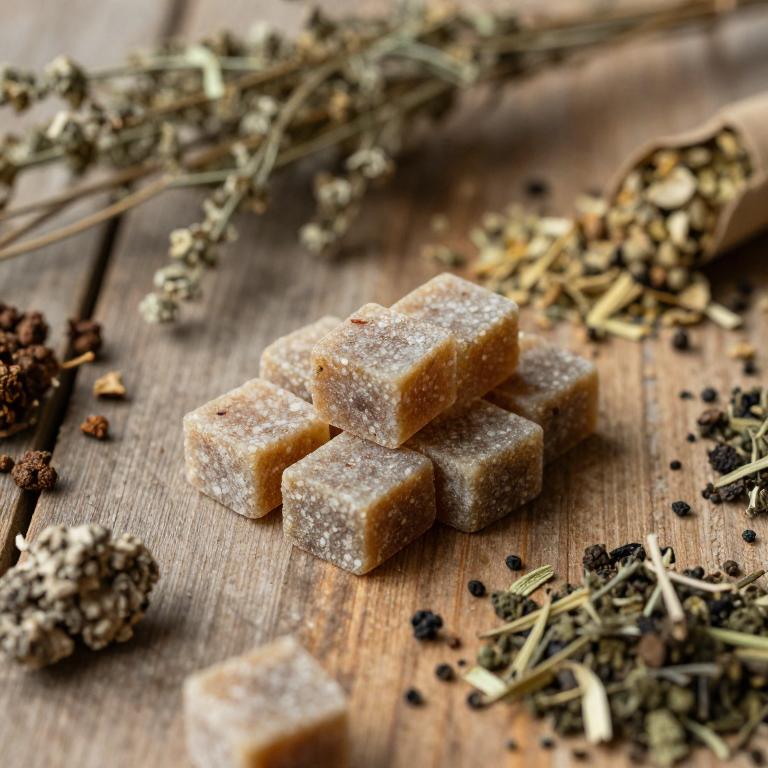
Vitex agnus-castus, commonly known as chasteberry, is a herbal remedy often used to support hormonal balance and alleviate symptoms associated with menstrual cramps.
When formulated into lozenges, it offers a convenient and targeted way to consume this herb, allowing for easy absorption through the mucous membranes in the mouth. These lozenges are particularly beneficial for women experiencing irregular menstrual cycles, premenstrual tension, or painful cramps due to their potential to regulate estrogen and progesterone levels. The soothing properties of vitex agnus-castus may help reduce uterine contractions and ease discomfort during menstruation.
As with any herbal supplement, it is advisable to consult a healthcare provider before use, especially for those with existing medical conditions or taking other medications.
3. Turmeric (Curcuma longa)
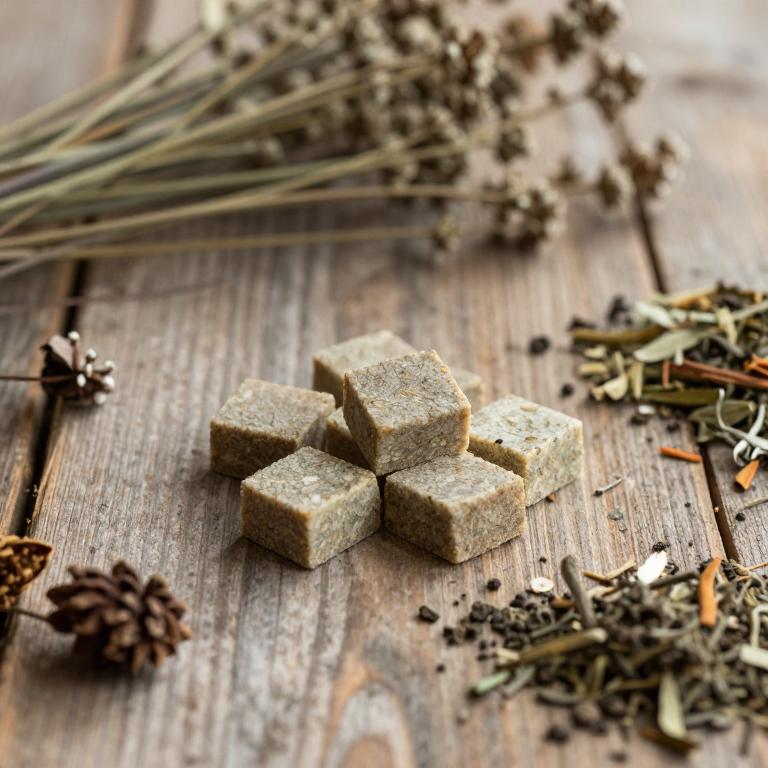
Curcuma longa, commonly known as turmeric, is a traditional herbal remedy that has been used for centuries to alleviate various health issues, including cramps.
Turmeric contains curcumin, a powerful anti-inflammatory and antioxidant compound that helps reduce pain and inflammation in the body. Curcuma longa herbal lozenges are formulated to provide targeted relief for menstrual cramps and other types of abdominal discomfort. These lozenges are often made with a combination of turmeric extract and other soothing ingredients like ginger or honey, enhancing their effectiveness.
Regular use of curcuma longa lozenges can offer a natural and gentle alternative to conventional pain relief methods for managing cramps.
4. Peppermint (Mentha piperita)
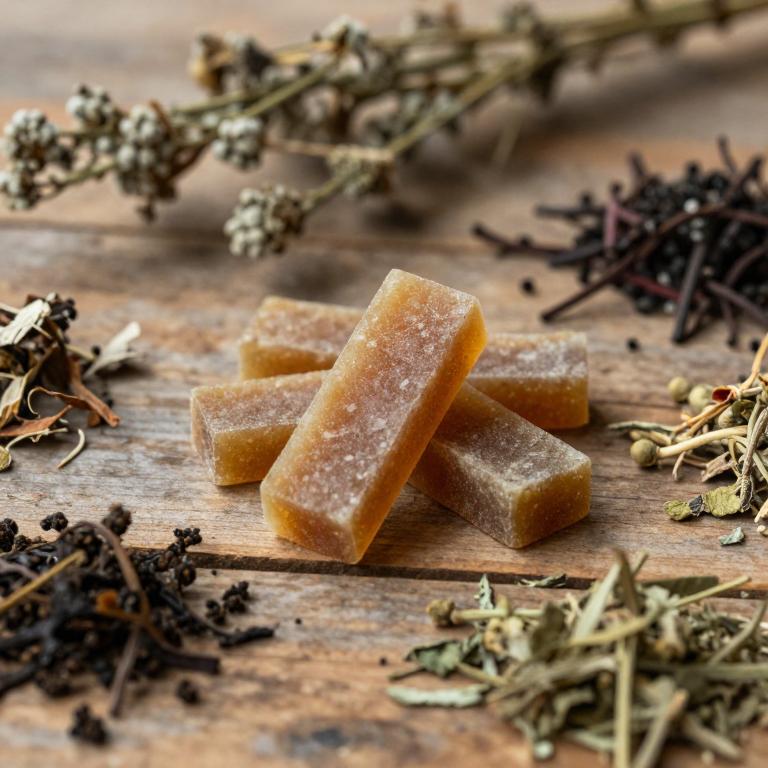
Mentha piperita, commonly known as peppermint, is a popular herbal remedy often used in the form of lozenges to alleviate menstrual cramps.
These lozenges work by delivering a cooling effect that helps relax the uterine muscles, thereby reducing pain and discomfort associated with menstruation. The menthol in peppermint has mild analgesic and antispasmodic properties that can ease the intensity of cramps. Peppermint lozenges are generally safe for most adults, though they may not be recommended for pregnant women or those with certain medical conditions.
Regular use of these lozenges can provide natural relief without the side effects often associated with over-the-counter pain medications.
5. Black pepper (Piper nigrum)
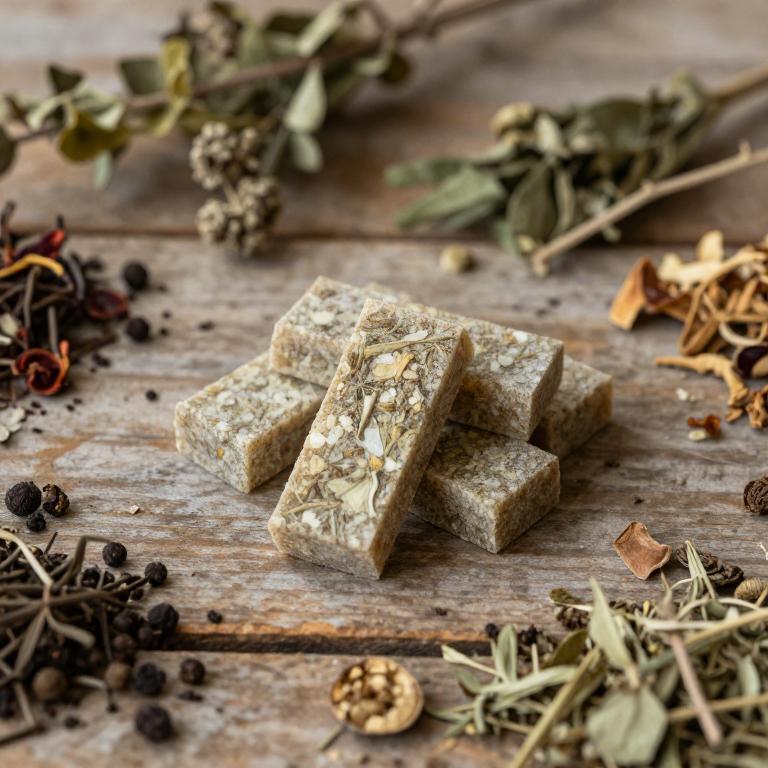
Piper nigrum, commonly known as black pepper, is often used in herbal lozenges to help alleviate menstrual cramps due to its warming properties and potential anti-inflammatory effects.
These lozenges are formulated with black pepper extract, which may enhance circulation and ease discomfort associated with menstrual pain. The active compound piperine in black pepper is believed to support the body's natural pain-relief mechanisms. Herbal lozenges containing Piper nigrum are typically used as a natural alternative to conventional pain medications, offering a gentle and holistic approach to managing cramps.
They are often recommended for women seeking mild, non-invasive relief from menstrual discomfort without the side effects of pharmaceuticals.
6. Fennel (Foeniculum vulgare)
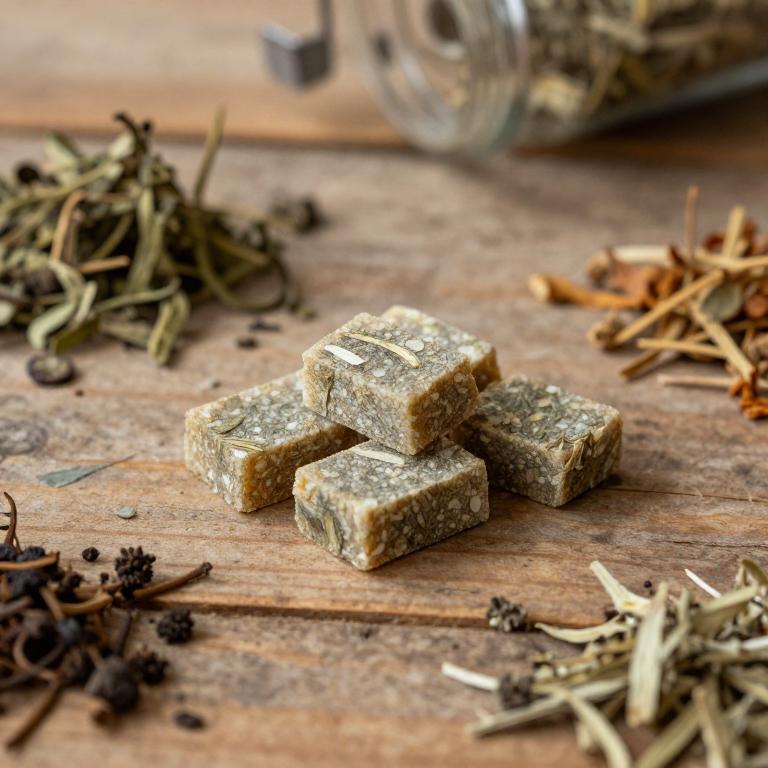
Foeniculum vulgare, commonly known as fennel, is a herb often used in the form of lozenges to help alleviate digestive discomfort and cramps.
These herbal lozenges are typically made from the dried seeds of the fennel plant, which contain essential oils like anethole that have mild antispasmodic properties. When chewed or dissolved, the lozenges can help relax the muscles in the digestive tract, reducing the intensity of cramping sensations. They are particularly popular for use in cases of gas, bloating, and mild gastrointestinal discomfort.
However, while generally considered safe, individuals with allergies to plants in the carrot family should exercise caution before using fennel lozenges.
7. Rosemary (Rosmarinus officinalis)
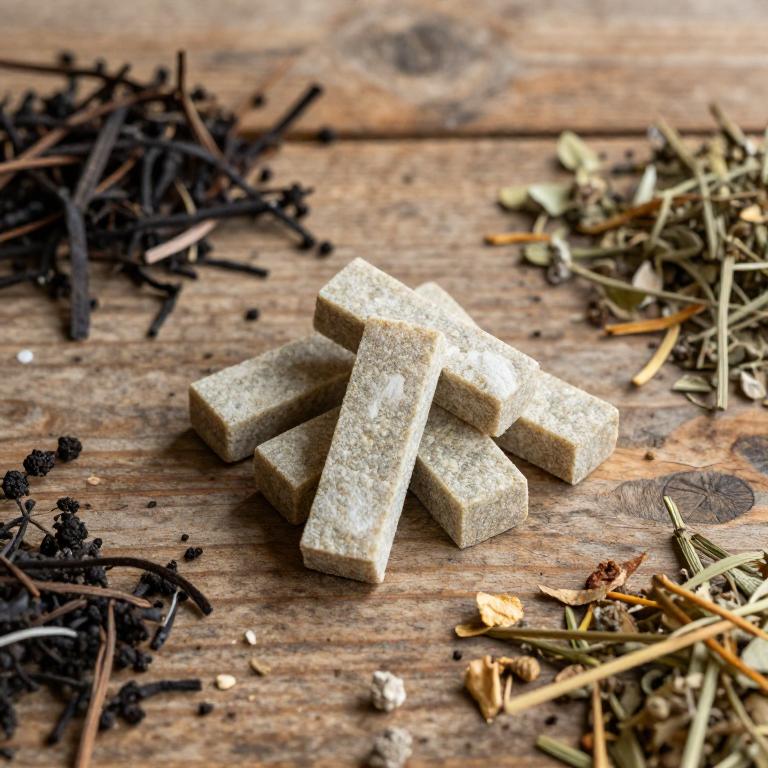
Rosmarinus officinalis, commonly known as rosemary, is a fragrant herb often used in herbal remedies for its soothing properties.
Rosemary herbal lozenges are formulated to provide relief from menstrual cramps and other types of abdominal discomfort by leveraging the anti-inflammatory and analgesic effects of the herb. These lozenges are typically made with a blend of rosemary essential oil and other natural ingredients, offering a gentle and natural alternative to conventional pain relievers. The aromatic compounds in rosemary help to relax the uterine muscles, reducing tension and easing pain.
Regular use of rosemary lozenges may support overall menstrual health and promote a sense of well-being during periods.
8. Cumin (Cuminum cyminum)
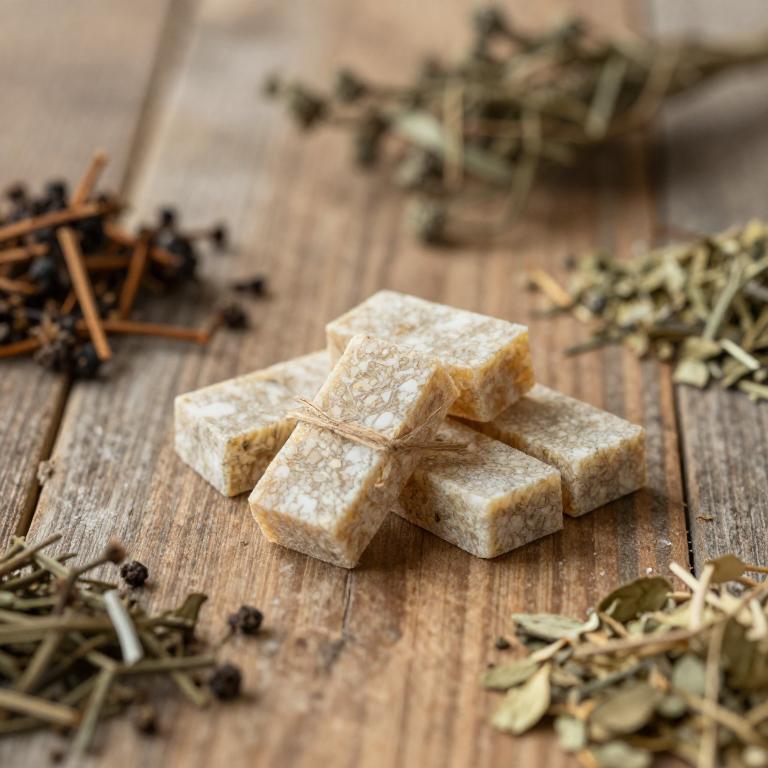
Cuminum cyminum, also known as cumin, is a commonly used herb in traditional medicine for its potential digestive and anti-inflammatory properties.
Cumin herbal lozenges are formulated to provide relief from menstrual cramps by soothing the uterine muscles and reducing inflammation. These lozenges are often made with a blend of cumin seeds, honey, and other natural ingredients to enhance flavor and effectiveness. They are a popular alternative for women seeking natural remedies without the side effects of pharmaceutical drugs.
Regular use of cumin lozenges may help alleviate discomfort and support overall menstrual health.
9. Ceylon cinnamon (Cinnamomum verum)
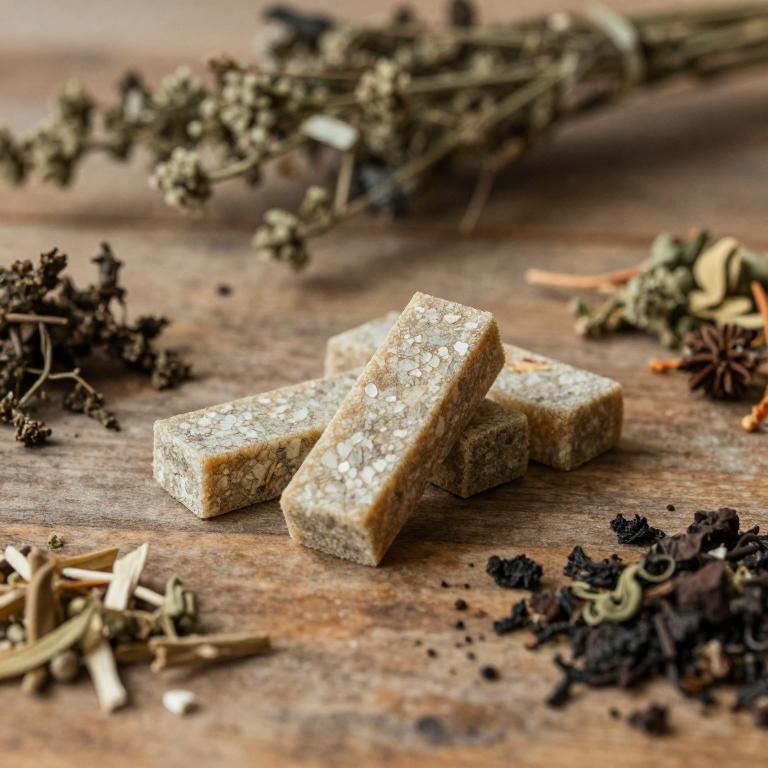
Cinnamonum verum, also known as true cinnamon, is a traditional herbal remedy often used in the form of lozenges to help alleviate menstrual cramps and other types of pain.
These lozenges are made from the bark of the Cinnamomum verum tree, which contains essential oils and bioactive compounds with anti-inflammatory and analgesic properties. The warming effect of cinnamon is believed to improve blood circulation and reduce muscle tension, making it beneficial for easing cramps. Many individuals find relief from using these lozenges as a natural alternative to over-the-counter pain medications.
However, it is important to consult with a healthcare professional before using cinnamon lozenges, especially for those with diabetes or allergies to cinnamon.
10. Salvia (Salvia officinalis)
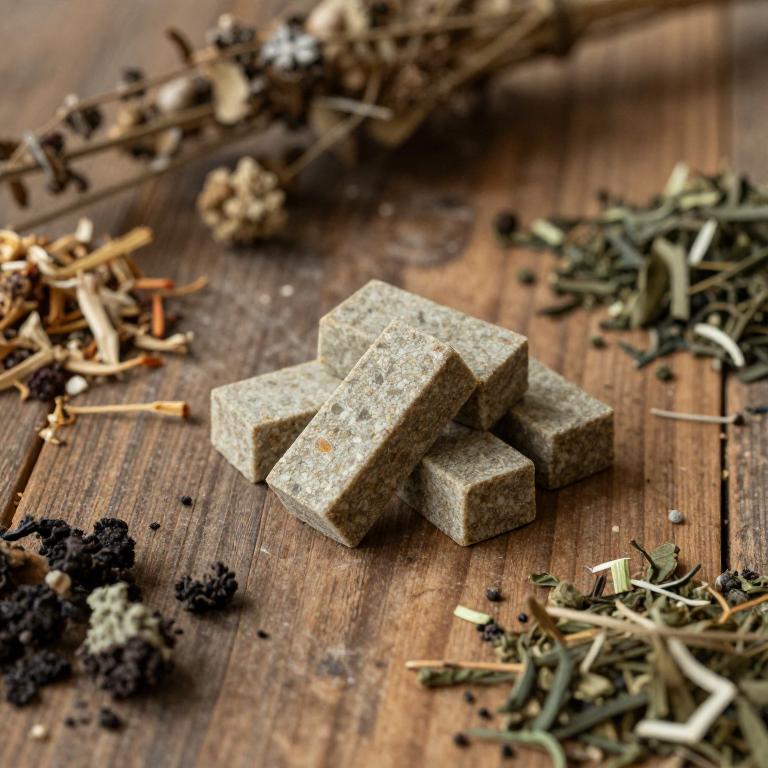
Salvia officinalis, commonly known as sage, has been traditionally used for its calming and anti-inflammatory properties, making it a popular ingredient in herbal lozenges for cramps.
These lozenges are often formulated to provide relief from menstrual cramps by soothing the uterine muscles and reducing pain through natural compounds like rosmarinic acid and flavonoids. The warming effect of sage may help improve blood circulation, which can ease cramping discomfort. Additionally, sage is known for its ability to balance hormones, potentially offering long-term relief for individuals experiencing hormonal-related cramps.
As a natural alternative to over-the-counter pain relievers, sage lozenges offer a gentle and holistic approach to managing cramp symptoms.