10 Best Herbal Lozenges For Cold Sore
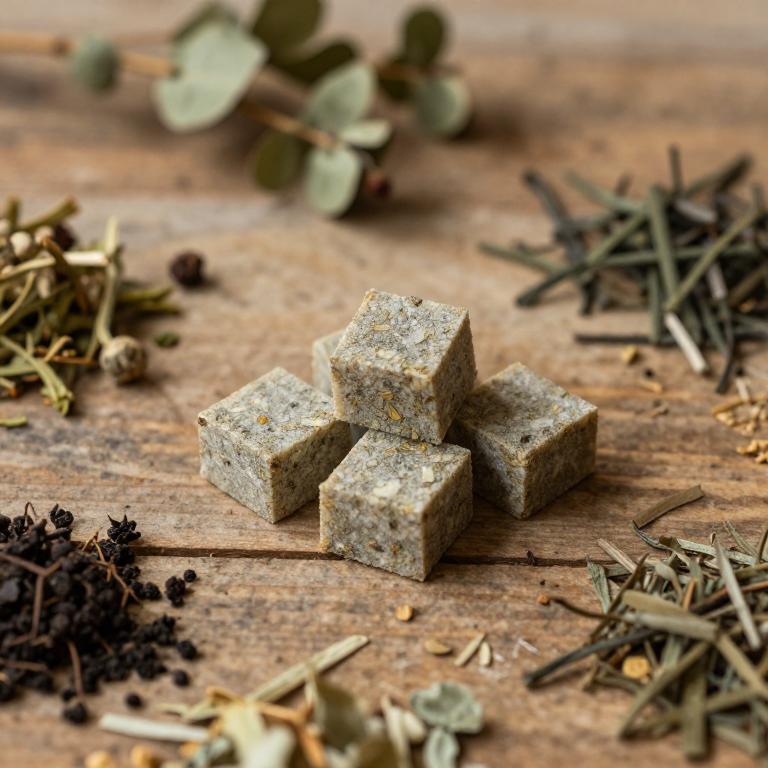
Herbal lozenges are a popular natural remedy for alleviating the discomfort of cold sores, which are caused by the herpes simplex virus.
These lozenges often contain ingredients like echinacea, sage, or licorice root, which are believed to have antiviral, anti-inflammatory, or soothing properties. They work by providing a cooling effect on the affected area, reducing pain and promoting faster healing. Unlike prescription treatments, herbal lozenges are generally considered safe and can be used as a complementary approach to managing cold sore symptoms.
However, it's important to consult a healthcare professional before using them, especially if you have underlying health conditions or are taking other medications.
Table of Contents
- 1. Echinacea (Echinacea purpurea)
- 2. St. john's wort (Hypericum perforatum)
- 3. Ginger (Zingiber officinale)
- 4. Camellia (Camellia sinensis)
- 5. Lemon balm (Melissa officinalis)
- 6. English lavender (Lavandula angustifolia)
- 7. Chaste tree (Vitex agnus-castus)
- 8. Yarrow (Achillea millefolium)
- 9. Black elderberry (Sambucus nigra)
- 10. Rosemary (Rosmarinus officinalis)
1. Echinacea (Echinacea purpurea)
Echinacea purpurea herbal lozenges are commonly used to support the body's immune response and may help reduce the duration and severity of cold sores caused by the herpes simplex virus.
These lozenges contain extracts from the purple coneflower, which is traditionally believed to have antiviral and anti-inflammatory properties. Some studies suggest that echinacea may inhibit the replication of the herpes virus, potentially aiding in the healing process. However, the effectiveness of echinacea lozenges for cold sores can vary, and results may depend on the specific formulation and individual response.
It is advisable to consult a healthcare professional before using echinacea, especially for those with allergies or taking other medications.
2. St. john's wort (Hypericum perforatum)
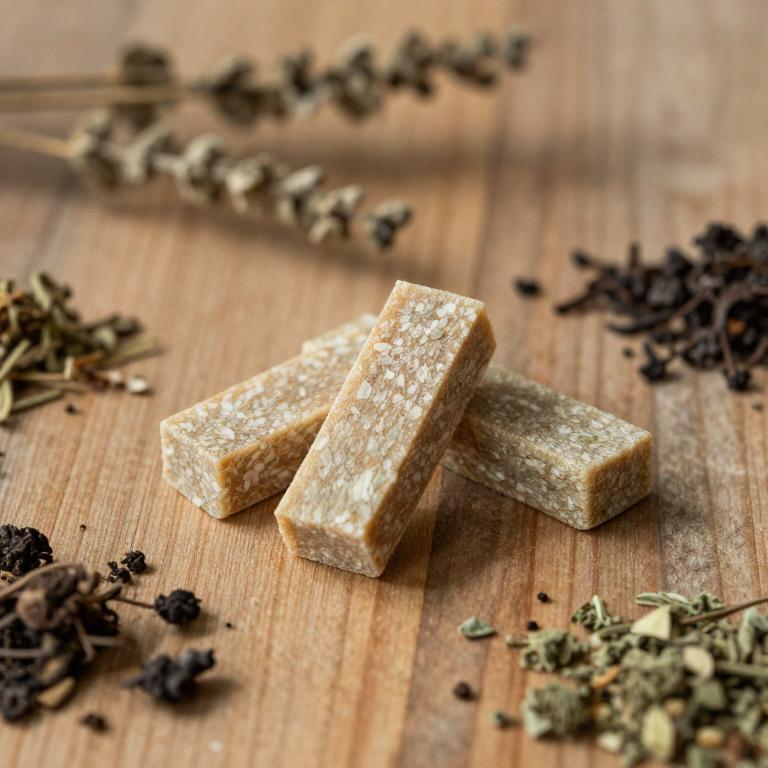
Hypericum perforatum, commonly known as St. John's Wort, is a herbal remedy that has been traditionally used for its potential antiviral and anti-inflammatory properties.
Hypericum perforatum herbal lozenges are often used to alleviate symptoms of cold sores, which are caused by the herpes simplex virus (HSV-1). These lozenges may help reduce the duration and severity of cold sore outbreaks by inhibiting viral replication and soothing the affected area. However, it is important to consult a healthcare professional before using St. John's Wort, as it can interact with certain medications.
Despite its popularity, scientific evidence supporting its efficacy for cold sores remains limited, and results may vary among individuals.
3. Ginger (Zingiber officinale)
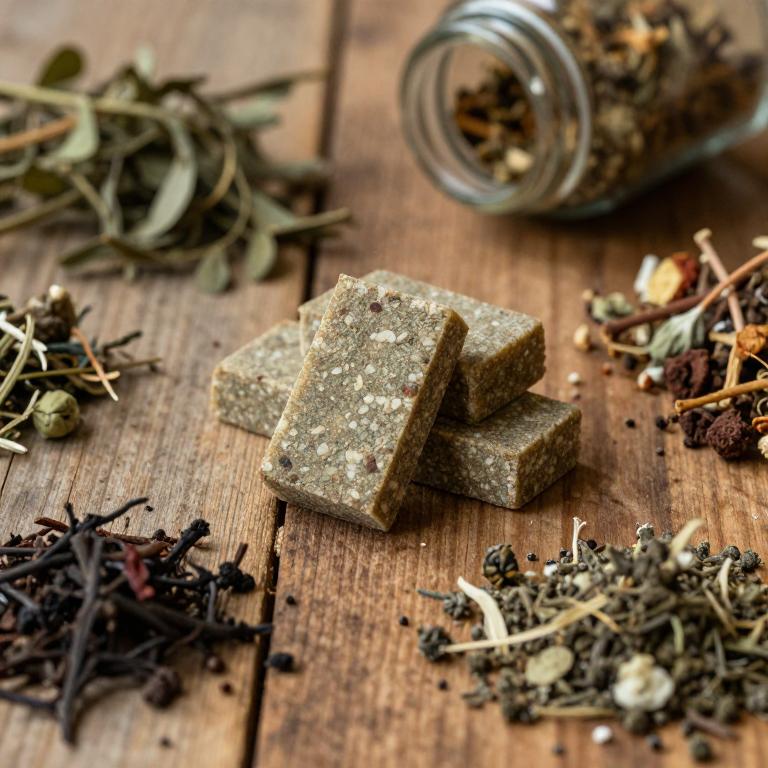
Zingiber officinale, commonly known as ginger, has been traditionally used for its anti-inflammatory and antiviral properties, making it a potential natural remedy for cold sores.
Ginger herbal lozenges are formulated to soothe the pain and irritation associated with cold sore outbreaks by providing a cooling effect and promoting healing. These lozenges may help reduce the duration of cold sores due to their ability to inhibit the herpes simplex virus. They are often preferred by individuals seeking a natural alternative to conventional antiviral medications.
However, it is important to consult a healthcare provider before using ginger lozenges, especially for those with allergies or underlying health conditions.
4. Camellia (Camellia sinensis)
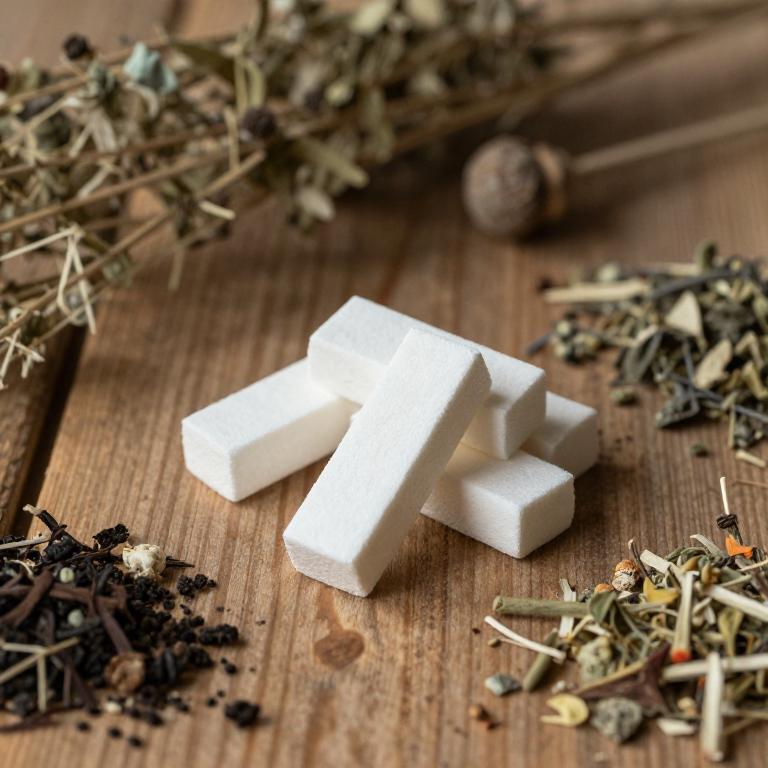
Camellia sinensis herbal lozenges are made from the leaves of the Camellia sinensis plant, which is the primary source of green and black tea.
These lozenges are often used to help alleviate the symptoms of cold sores, which are caused by the herpes simplex virus (HSV-1). The active compounds in Camellia sinensis, such as catechins and polyphenols, have antimicrobial and anti-inflammatory properties that may help reduce the duration and severity of cold sore outbreaks. Some studies suggest that the antioxidants in these lozenges can support the immune system and promote faster healing of the affected area.
However, it is important to consult with a healthcare professional before using these lozenges, especially if you have underlying health conditions or are taking other medications.
5. Lemon balm (Melissa officinalis)
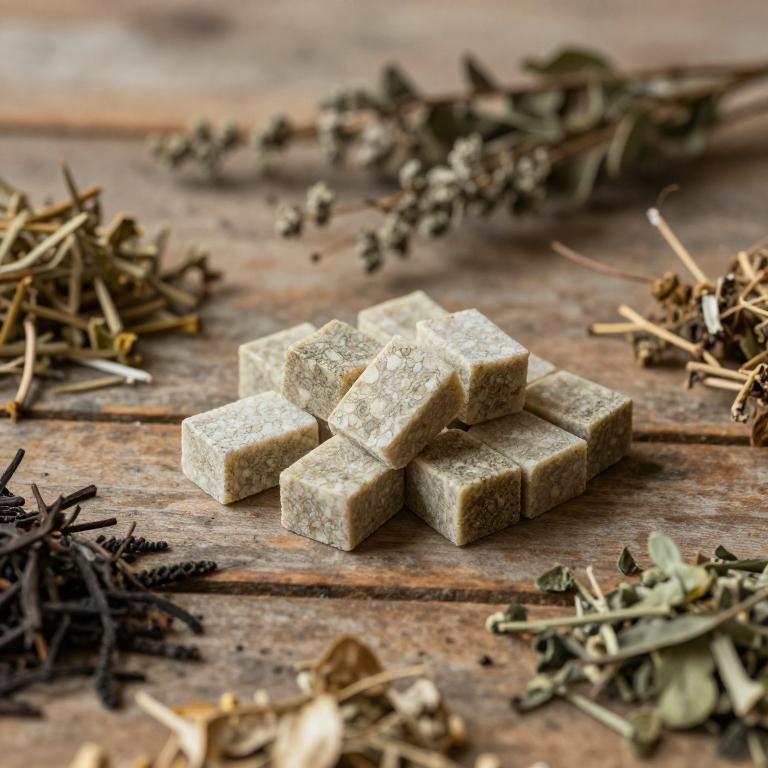
Melissa officinalis, commonly known as lemon balm, is a herb often used in herbal lozenges to help alleviate symptoms of cold sores.
These lozenges are designed to be soothing and may help reduce the pain and discomfort associated with herpes labialis. The active compounds in lemon balm, such as rosmarinic acid and flavonoids, are believed to have antiviral and anti-inflammatory properties that may inhibit the herpes simplex virus. By promoting a calming effect on the mouth and lips, these lozenges can support the body's natural healing process.
While they may not cure cold sores, they can serve as a complementary remedy to ease symptoms and shorten the duration of outbreaks.
6. English lavender (Lavandula angustifolia)
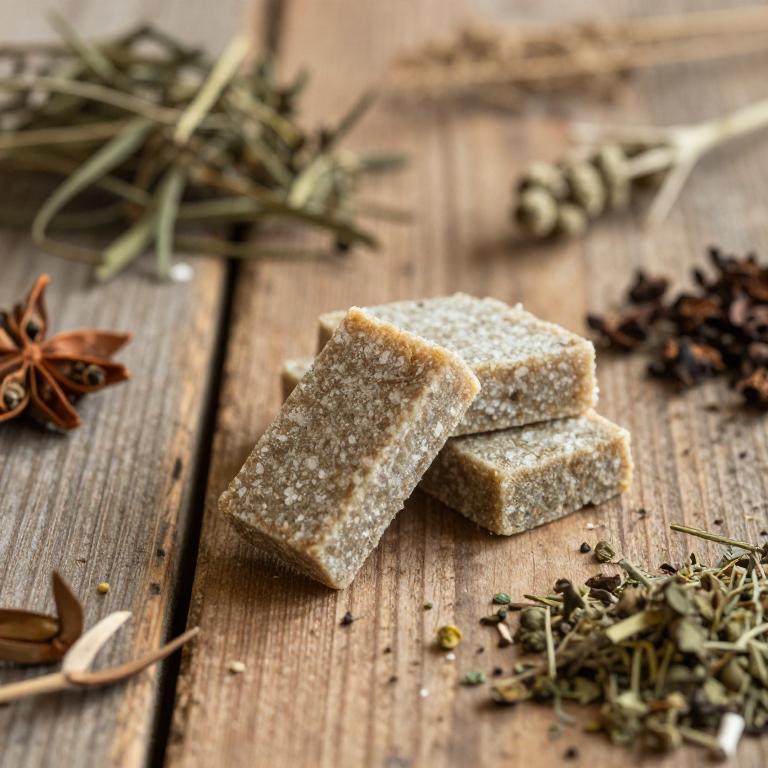
Lavandula angustifolia, commonly known as English lavender, is often used in herbal lozenges for its soothing and antiviral properties.
These lozenges are formulated to target cold sores by reducing inflammation and promoting healing of the affected area. The essential oils in lavender help to ease the discomfort associated with herpes labialis, while also providing a calming effect on the mouth. Due to their natural composition, these lozenges are generally well-tolerated and suitable for individuals seeking a non-prescription remedy.
Regular use of lavender angustifolia lozenges may help to shorten the duration of cold sores and prevent future outbreaks.
7. Chaste tree (Vitex agnus-castus)
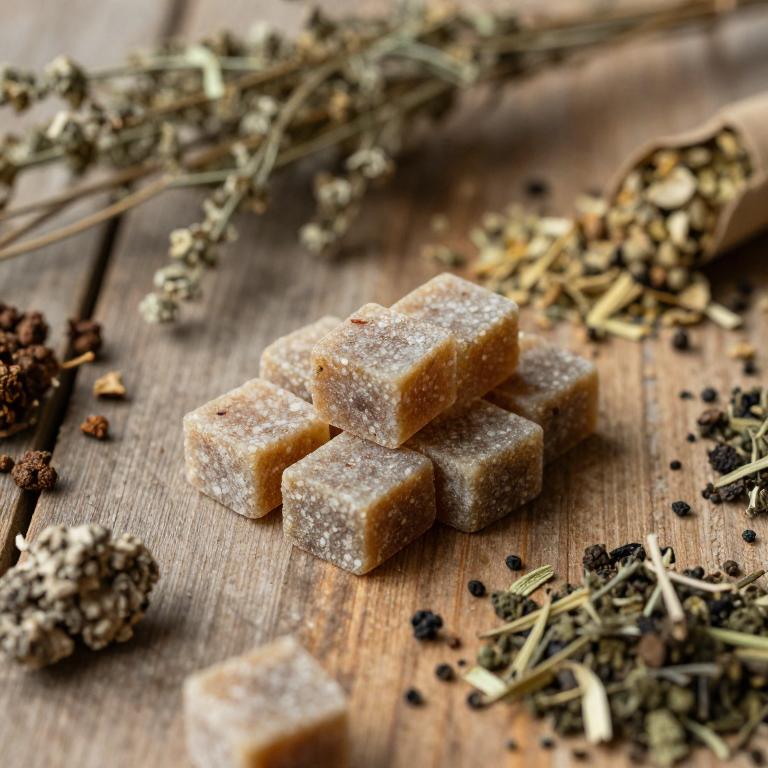
Vitex agnus-castus, commonly known as chaste tree, is often used in herbal remedies for its potential anti-viral and anti-inflammatory properties.
Herbal lozenges containing Vitex agnus-castus are marketed as natural supplements to help alleviate symptoms of cold sores caused by the herpes simplex virus. These lozenges may help reduce the duration and severity of cold sore outbreaks by supporting the body's immune response. They are typically used as a complementary therapy alongside conventional treatments, such as antiviral medications.
However, it is important to consult a healthcare professional before using these lozenges, especially if you have underlying health conditions or are taking other medications.
8. Yarrow (Achillea millefolium)
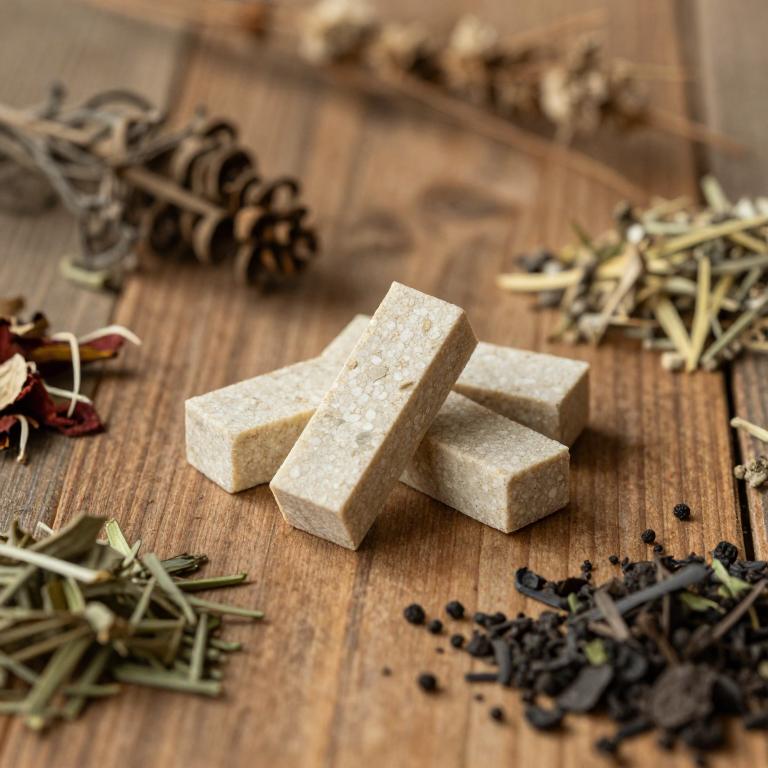
Achillea millefolium, commonly known as yarrow, has been traditionally used for its anti-inflammatory and antiseptic properties, making it a potential ingredient in herbal lozenges for cold sores.
These lozenges are designed to provide localized relief by reducing inflammation and promoting healing of the affected area. The active compounds in yarrow, such as flavonoids and essential oils, may help soothe the pain and discomfort associated with cold sores. While more research is needed to confirm its efficacy, some users report that yarrow-based lozenges can shorten the duration of cold sore outbreaks.
As with any herbal remedy, it is advisable to consult a healthcare professional before use, especially for individuals with allergies or existing health conditions.
9. Black elderberry (Sambucus nigra)
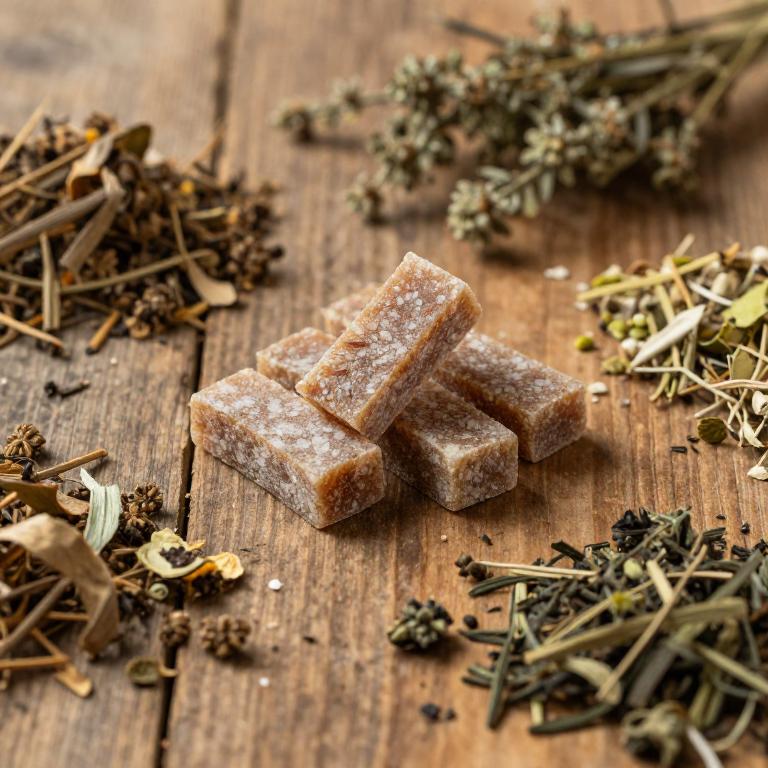
Sambucus nigra, also known as European elderberry, is commonly used in herbal lozenges to help alleviate symptoms of cold sores caused by the herpes simplex virus.
These lozenges are formulated with concentrated elderberry extract, which is rich in antioxidants and flavonoids that may support the immune system and reduce viral replication. The antiviral properties of elderberry have been studied for their potential to shorten the duration and severity of cold sore outbreaks. While they are not a cure for cold sores, these lozenges can provide soothing relief and promote faster healing when used at the first sign of an outbreak.
As with any herbal remedy, it is advisable to consult a healthcare professional before use, especially for individuals with existing health conditions or those taking other medications.
10. Rosemary (Rosmarinus officinalis)
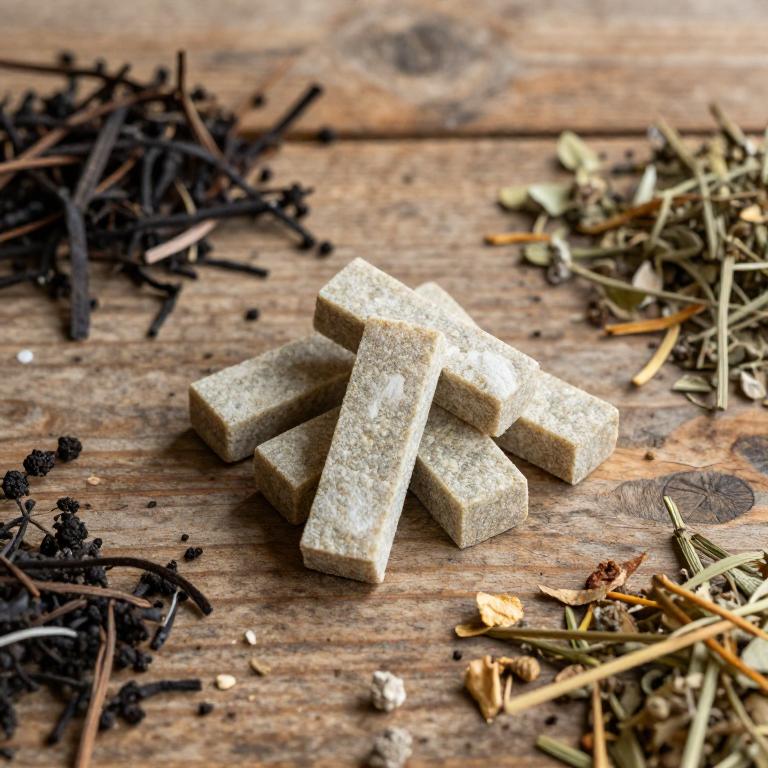
Rosmarinus officinalis, commonly known as rosemary, is a fragrant herb that has been traditionally used for its therapeutic properties.
Rosemary herbal lozenges are formulated to provide natural relief for cold sores, which are caused by the herpes simplex virus. These lozenges typically contain essential oils and extracts from rosemary leaves, which are known for their antiviral, anti-inflammatory, and antimicrobial effects. The menthol and eucalyptus components in some formulations further enhance their soothing and cooling properties.
Regular use of rosemary lozenges may help reduce the duration and severity of cold sore outbreaks while promoting faster healing of the affected area.