10 Best Herbal Capsules For Chronic Hepatitis
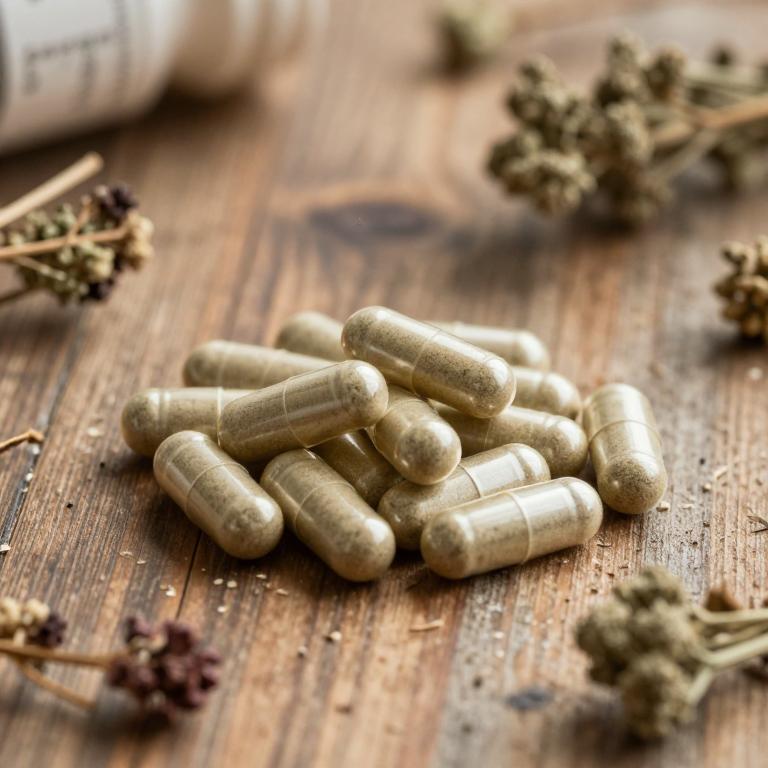
Herbal capsules have gained attention as a potential complementary therapy for managing chronic hepatitis, offering natural alternatives to conventional treatments.
These capsules often contain ingredients like milk thistle, licorice root, and dandelion, which are believed to support liver function and reduce inflammation. Some studies suggest that certain herbs may help improve liver enzyme levels and enhance detoxification processes in patients with hepatitis. However, it is important to consult a healthcare professional before using herbal supplements, as they may interact with prescription medications or have varying efficacy.
While herbal capsules may offer supportive benefits, they should not replace standard medical care for chronic hepatitis.
Table of Contents
- 1. Thistle (Silybum marianum)
- 2. Turmeric (Curcuma longa)
- 3. Ginger (Zingiber officinale)
- 4. Licorice (Glycyrrhiza glabra)
- 5. False leaf (Phyllanthus amarus)
- 6. Puncture vine (Tribulus terrestris)
- 7. Blessed thistle (Cnicus benedictus)
- 8. Negundo vitex (Vitex negundo)
- 9. St. john's wort (Hypericum perforatum)
- 10. Chaste tree (Vitex agnus-castus)
1. Thistle (Silybum marianum)
Silybum marianum, commonly known as milk thistle, has been widely studied for its potential benefits in the treatment of chronic hepatitis.
The active compound in milk thistle, silymarin, is believed to have antioxidant, anti-inflammatory, and liver-protective properties that may support liver function and regeneration. Herbal capsules containing silymarin are often used as a complementary therapy alongside conventional treatments for chronic hepatitis B and C. Clinical studies suggest that silymarin may help reduce liver inflammation and improve liver enzyme levels in patients with hepatitis.
However, while generally considered safe, it is important to consult a healthcare provider before using milk thistle supplements, especially for individuals with existing medical conditions or those taking other medications.
2. Turmeric (Curcuma longa)
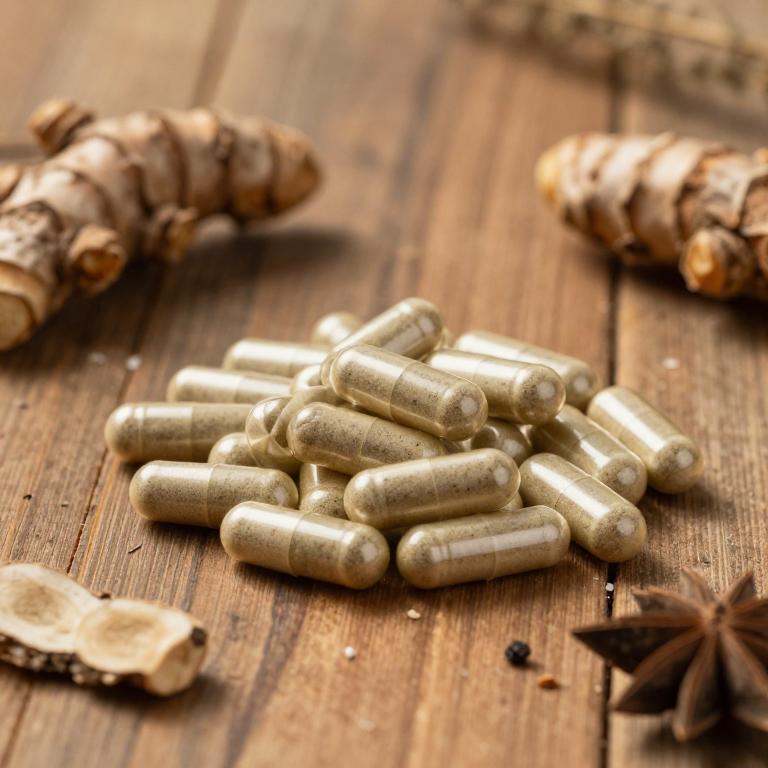
Curcuma longa, commonly known as turmeric, has been widely studied for its potential therapeutic effects in managing chronic hepatitis.
The active compound in curcuma longa, curcumin, exhibits strong anti-inflammatory and antioxidant properties that may help reduce liver inflammation and oxidative stress. Clinical studies suggest that curcumin supplementation could support liver function and potentially slow the progression of liver disease. However, while preliminary research is promising, more large-scale clinical trials are needed to confirm its efficacy and optimal dosage for chronic hepatitis patients.
As a complementary therapy, curcuma longa herbal capsules may offer a natural option for supporting liver health when used under medical supervision.
3. Ginger (Zingiber officinale)
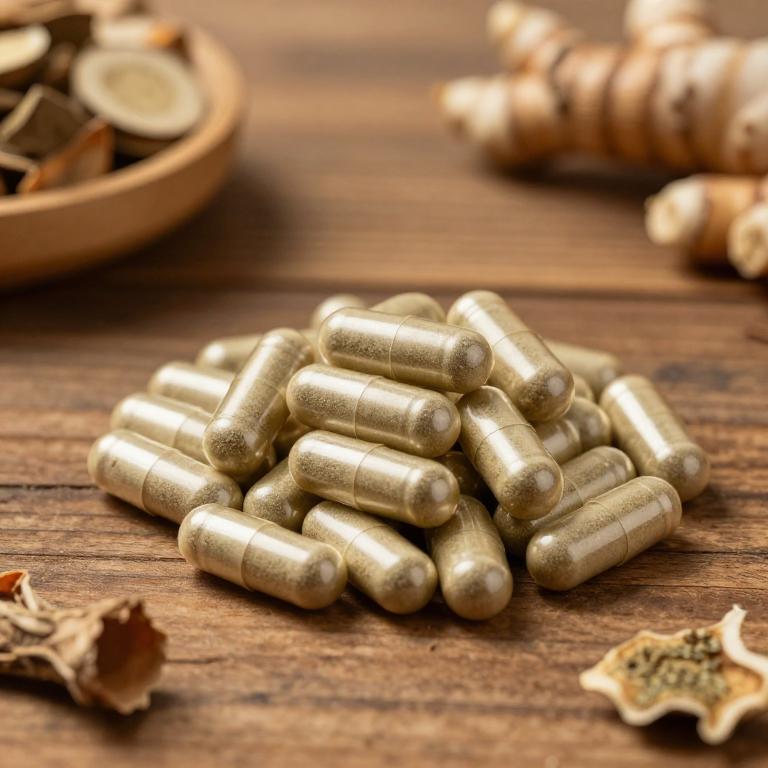
Zingiber officinale, commonly known as ginger, has been traditionally used for its anti-inflammatory and antioxidant properties, making it a potential complementary therapy for chronic hepatitis.
Herbal capsules containing zingiber officinale may help reduce liver inflammation and support detoxification processes in individuals with chronic hepatitis. Some studies suggest that ginger can enhance the activity of liver enzymes and improve overall liver function, though more research is needed to confirm its efficacy. When used as part of a holistic treatment plan, ginger capsules may offer supportive benefits, but they should not replace standard medical care.
It is important to consult a healthcare provider before using ginger supplements, especially for individuals with liver conditions or those on medication.
4. Licorice (Glycyrrhiza glabra)
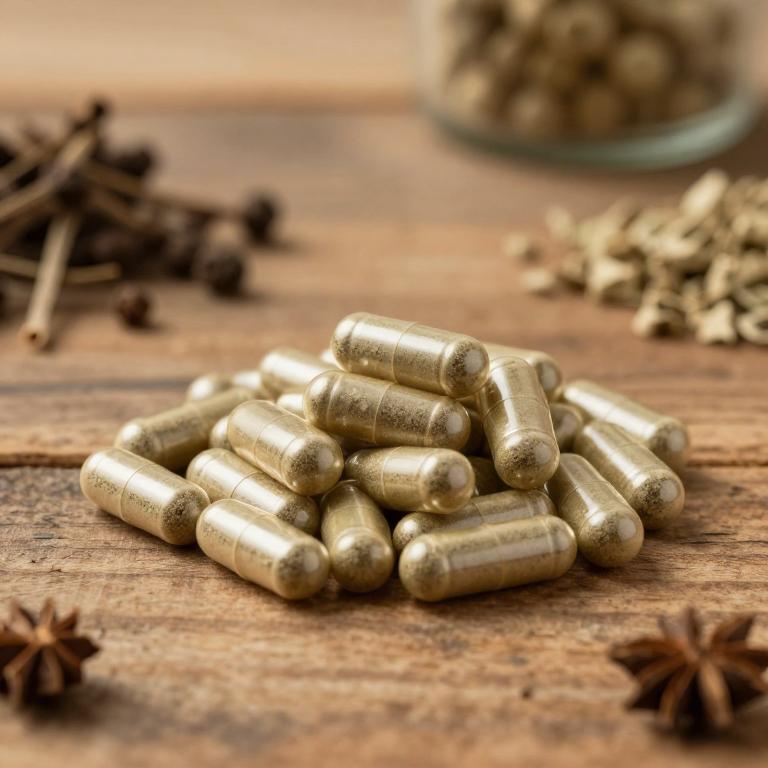
Glycyrrhiza glabra, commonly known as licorice root, has been traditionally used in herbal medicine for its potential anti-inflammatory and antiviral properties.
When formulated into capsules, glycyrrhiza glabra may support liver health by reducing oxidative stress and modulating immune responses, which are key factors in chronic hepatitis. Some studies suggest that its active compounds, such as glycyrrhizin, may inhibit the replication of hepatitis viruses, although more research is needed to confirm its efficacy. However, long-term use of licorice root can lead to side effects like hypertension and sodium retention, so it should be used under medical supervision.
Despite these considerations, glycyrrhiza glabra herbal capsules are often considered a complementary therapy for managing symptoms and supporting liver function in chronic hepatitis patients.
5. False leaf (Phyllanthus amarus)
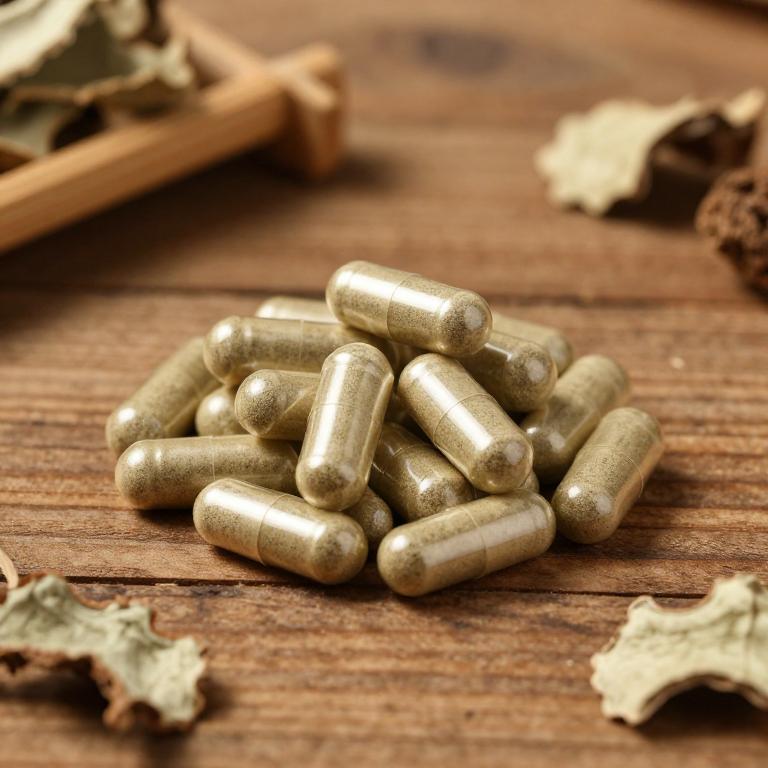
Phyllanthus amarus, commonly known as stonebreaker or ecballium, is a herbal plant that has been traditionally used in various cultures for its medicinal properties.
Herbal capsules containing Phyllanthus amarus are increasingly being studied for their potential benefits in managing chronic hepatitis, particularly hepatitis B. Research suggests that the plant's active compounds may help reduce viral load and support liver function by exhibiting antiviral and hepatoprotective effects. These capsules are often used as a complementary therapy alongside conventional treatments to enhance overall liver health.
However, it is important to consult a healthcare professional before using Phyllanthus amarus supplements, as they may interact with other medications or have side effects in certain individuals.
6. Puncture vine (Tribulus terrestris)
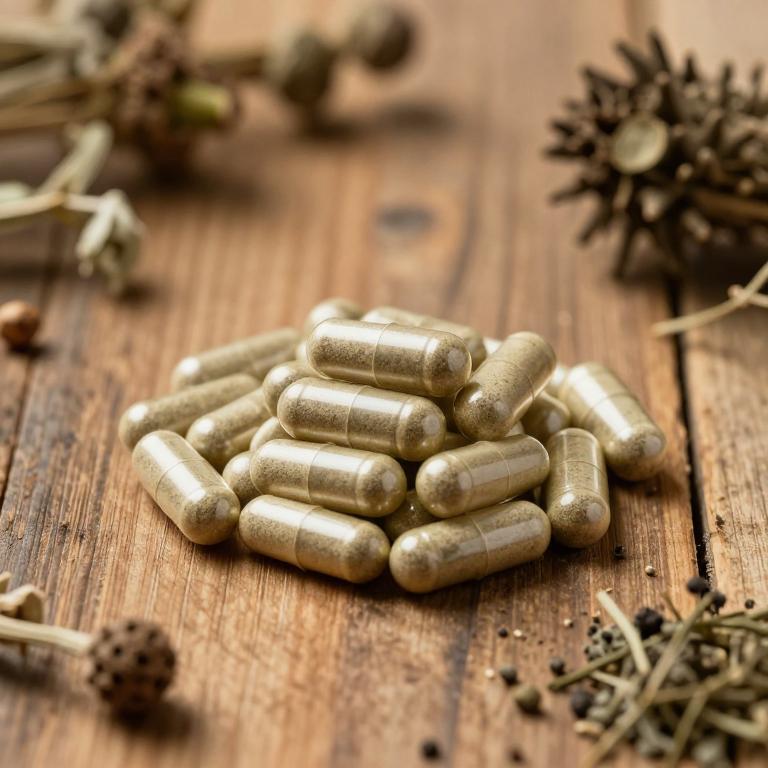
Tribulus terrestris herbal capsules have been explored for their potential benefits in supporting liver health, particularly in individuals with chronic hepatitis.
This adaptogenic herb is believed to possess antioxidant and anti-inflammatory properties that may help protect liver cells from damage. Some studies suggest that Tribulus terrestris could enhance liver function by promoting detoxification processes and reducing oxidative stress. However, it is important to note that while preliminary research shows promise, more clinical trials are needed to confirm its efficacy and safety for chronic hepatitis.
As with any herbal supplement, it should be used under the guidance of a healthcare professional, especially for individuals with pre-existing liver conditions.
7. Blessed thistle (Cnicus benedictus)
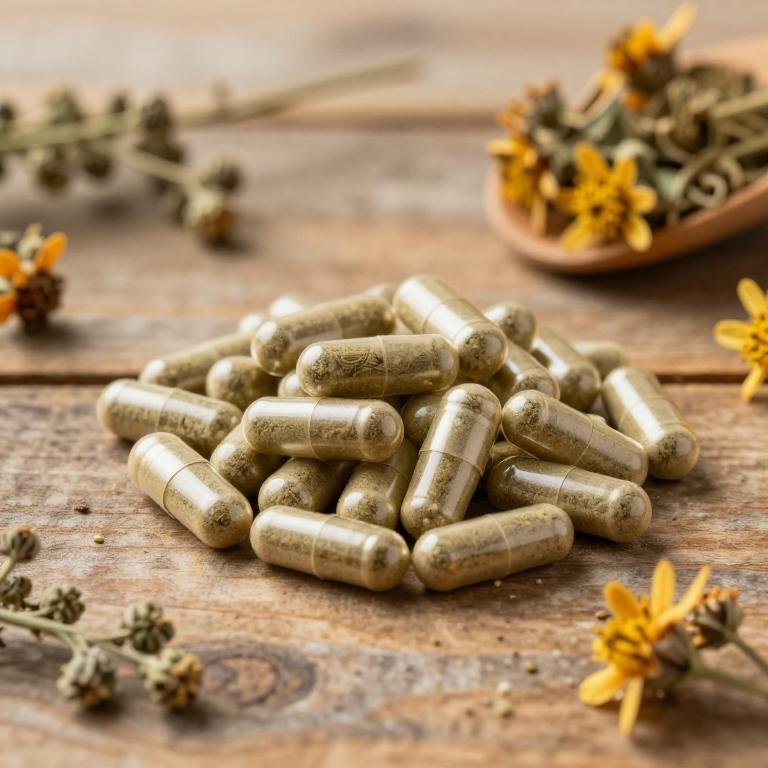
Cnicus benedictus, commonly known as St. Benedict's thistle, has been traditionally used in herbal medicine for its potential liver-protecting properties.
Herbal capsules containing Cnicus benedictus are often used as a complementary therapy for chronic hepatitis, aiming to support liver function and reduce inflammation. These capsules may contain bioactive compounds such as flavonoids and terpenoids, which are believed to have antioxidant and anti-inflammatory effects. While some studies suggest possible benefits, it is important to consult a healthcare professional before using Cnicus benedictus as part of a treatment regimen for chronic hepatitis.
As with any herbal supplement, individual responses can vary, and it should not replace conventional medical treatments.
8. Negundo vitex (Vitex negundo)
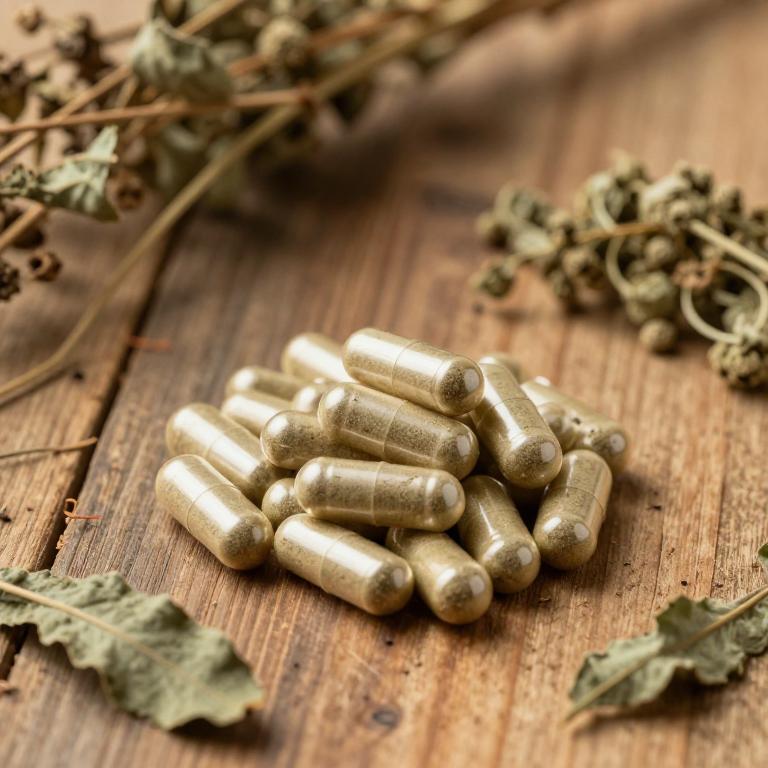
Vitex negundo, commonly known as chasteberry, has been traditionally used in herbal medicine for its potential liver-protective properties.
Herbal capsules containing Vitex negundo are increasingly being explored as complementary therapy for chronic hepatitis due to their antioxidant and anti-inflammatory effects. These capsules may help support liver function by reducing oxidative stress and promoting detoxification processes in the liver. Some studies suggest that Vitex negundo may inhibit the replication of hepatitis viruses and enhance immune response.
However, it is important to consult with a healthcare provider before using these capsules as part of a treatment plan for chronic hepatitis.
9. St. john's wort (Hypericum perforatum)
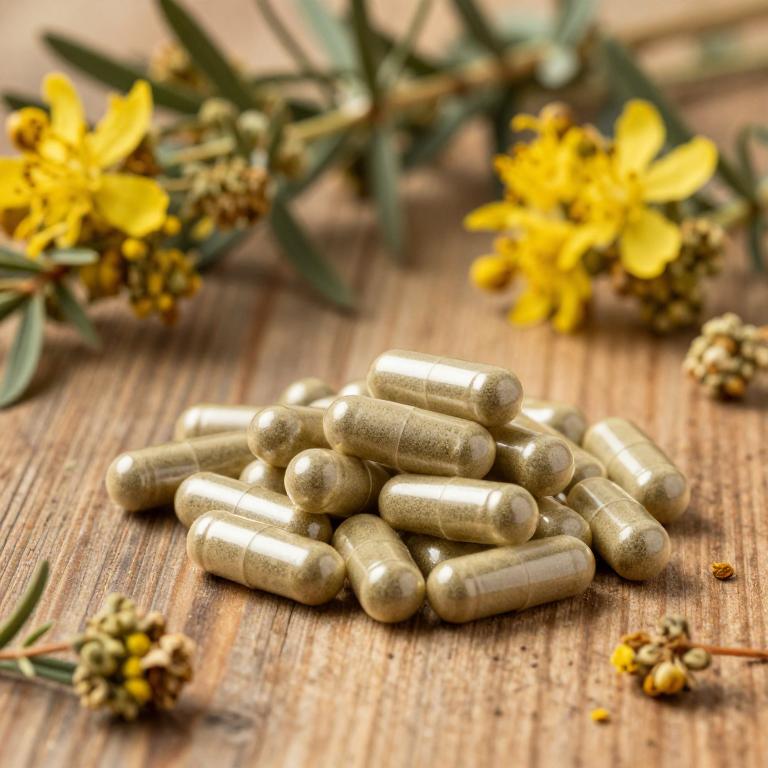
Hypericum perforatum, commonly known as St. John's Wort, is a herbal remedy that has been traditionally used for its potential antidepressant and anti-inflammatory properties.
While it is well-known for treating mild to moderate depression, recent studies suggest it may also have beneficial effects on liver health, including in cases of chronic hepatitis. Some research indicates that the active compounds in Hypericum perforatum, such as hyperforin and hypericin, may possess antioxidant and antiviral properties that could support liver function and reduce inflammation. However, it is important to note that more clinical trials are needed to fully establish its efficacy and safety for chronic hepatitis.
As with any herbal supplement, it should be used under the guidance of a healthcare professional, especially when combined with other medications, due to potential drug interactions.
10. Chaste tree (Vitex agnus-castus)
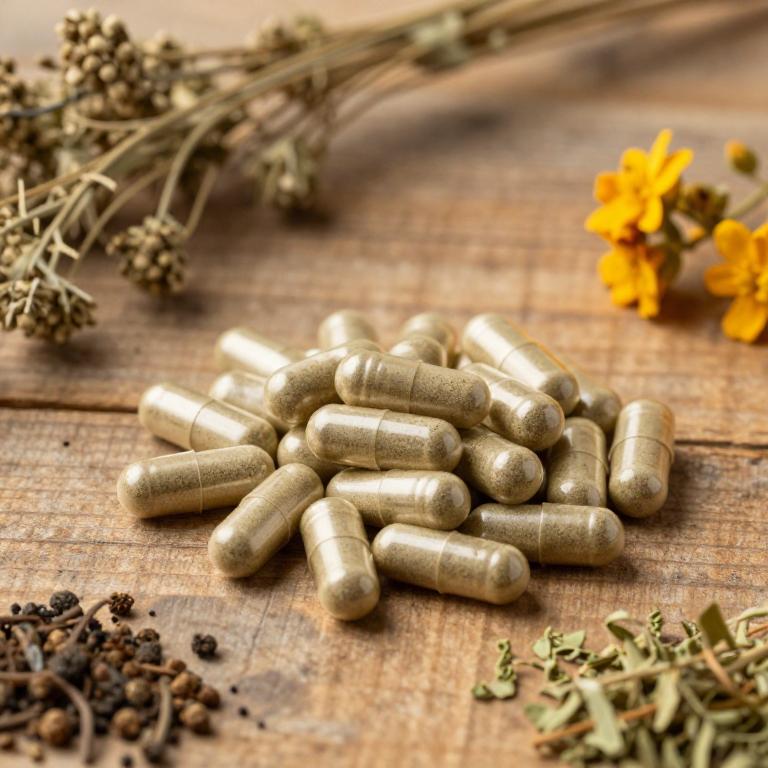
Vitex agnus-castus, commonly known as chasteberry, has been traditionally used in herbal medicine for its potential liver-protective properties.
Recent studies suggest that the active compounds in Vitex agnus-castus may support liver function and reduce oxidative stress, making it a promising complementary therapy for individuals with chronic hepatitis. Herbal capsules containing Vitex agnus-castus are often used alongside conventional treatments to enhance liver regeneration and improve overall hepatic health. However, it is important to consult a healthcare professional before using these supplements, as they may interact with other medications or have varying effects depending on individual health conditions.
Despite its potential benefits, more clinical research is needed to fully understand the efficacy and safety of Vitex agnus-castus in managing chronic hepatitis.