10 Best Herbal Juices For Chronic Bronchitis
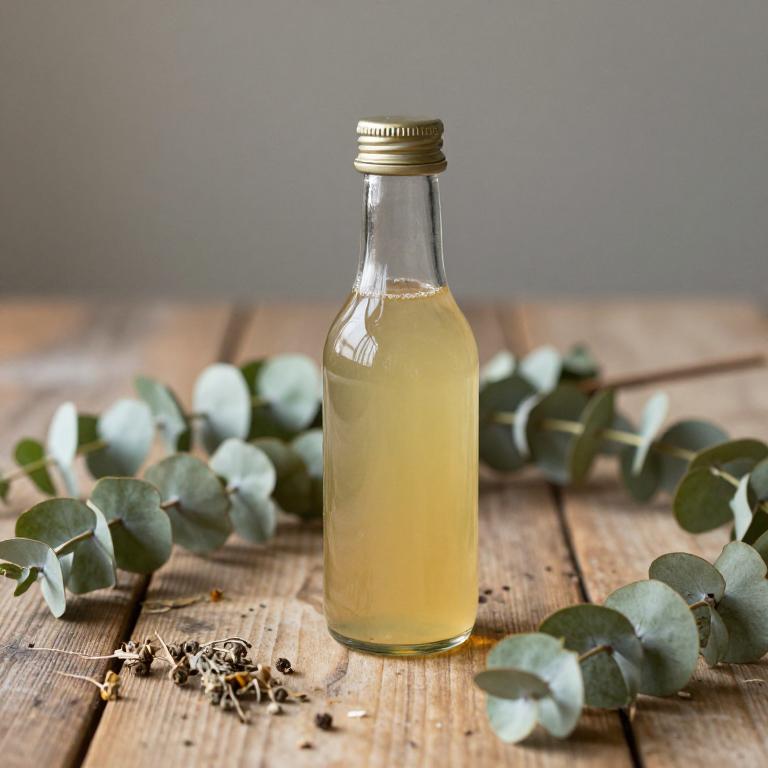
Herbal juices have gained popularity as a complementary approach for managing chronic bronchitis, offering potential anti-inflammatory and bronchodilating benefits.
Commonly used herbs such as ginger, turmeric, and echinacea are believed to support respiratory health by reducing mucus production and soothing irritated airways. These juices can be easily prepared at home using fresh or frozen herbs, often combined with citrus fruits for added antioxidant properties. While they may provide symptomatic relief, it is important to consult a healthcare provider before relying solely on herbal remedies for chronic conditions.
Herbal juices should not replace conventional medical treatments but can be part of a holistic care plan under professional guidance.
Table of Contents
- 1. Eucalyptus (Eucalyptus globulus)
- 2. Thyme (Thymus vulgaris)
- 3. Ginger (Zingiber officinale)
- 4. Stinging nettle (Urtica dioica)
- 5. Peppermint (Mentha piperita)
- 6. Rosemary (Rosmarinus officinalis)
- 7. Licorice (Glycyrrhiza glabra)
- 8. Chaste tree (Vitex agnus-castus)
- 9. Parsley (Petroselinum crispum)
- 10. Turmeric (Curcuma longa)
1. Eucalyptus (Eucalyptus globulus)
Eucalyptus globulus, commonly known as the Australian eucalyptus, has been traditionally used for its medicinal properties, including its potential benefits in treating chronic bronchitis.
The essential oils derived from this plant, particularly cineole, are known for their anti-inflammatory and bronchodilatory effects, which can help alleviate symptoms such as persistent coughing and mucus buildup. When incorporated into herbal juices, eucalyptus globulus may provide a natural and soothing remedy for individuals suffering from chronic bronchitis. These juices can support respiratory health by reducing irritation and improving airway function.
However, it is important to consult with a healthcare professional before using eucalyptus-based remedies, especially for long-term or severe cases of bronchitis.
2. Thyme (Thymus vulgaris)
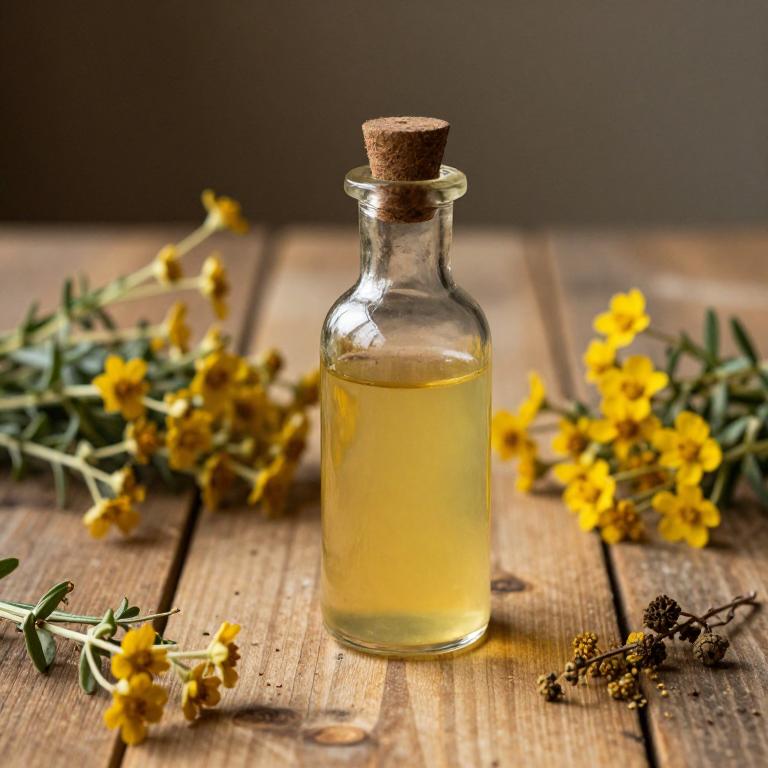
Thymus vulgaris, commonly known as thyme, has been traditionally used in herbal medicine for its potent anti-inflammatory and antimicrobial properties, making it a popular choice for supporting respiratory health.
Thyme contains essential oils like thymol and carvacrol, which have been shown to help reduce inflammation in the airways and combat bacterial infections that often accompany chronic bronchitis. Herbal juices made from thymus vulgaris can be consumed regularly to help alleviate symptoms such as persistent coughing and mucus production. However, it is important to consult with a healthcare professional before using thyme-based remedies, especially for individuals with existing health conditions or those taking other medications.
While thyme may offer supportive benefits, it should not replace conventional medical treatments for chronic bronchitis.
3. Ginger (Zingiber officinale)
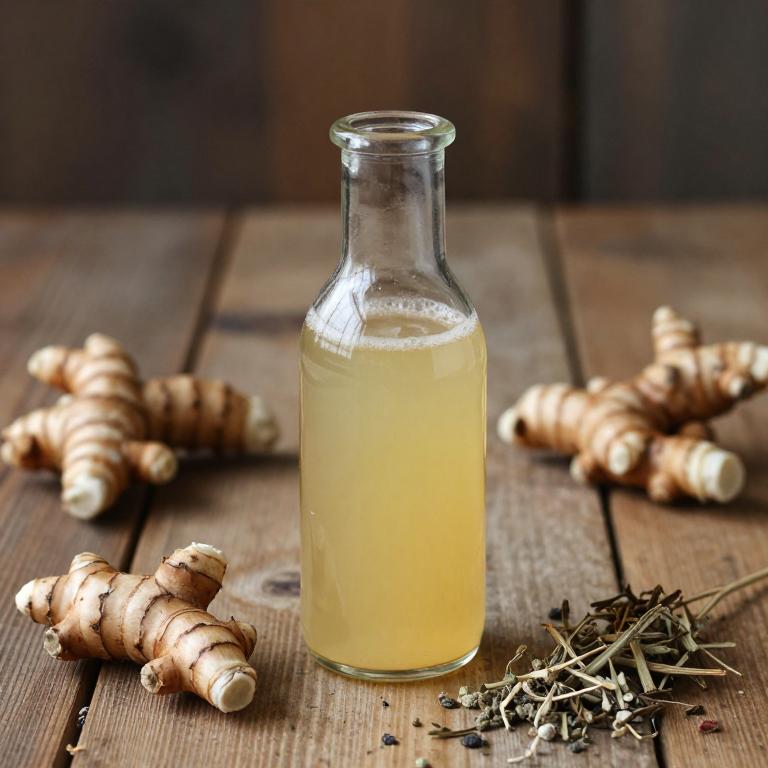
Zingiber officinale, commonly known as ginger, has been traditionally used for its anti-inflammatory and antioxidant properties, making it a potential natural remedy for chronic bronchitis.
Ginger juice, extracted from fresh ginger root, contains compounds like gingerol and shogaol that may help reduce inflammation in the airways and ease respiratory symptoms. Studies suggest that regular consumption of ginger juice could support respiratory health by improving mucus clearance and reducing bronchial irritation. However, while ginger may offer some symptomatic relief, it should not replace conventional medical treatments for chronic bronchitis.
It is advisable to consult a healthcare professional before incorporating ginger juice into a treatment regimen for this condition.
4. Stinging nettle (Urtica dioica)
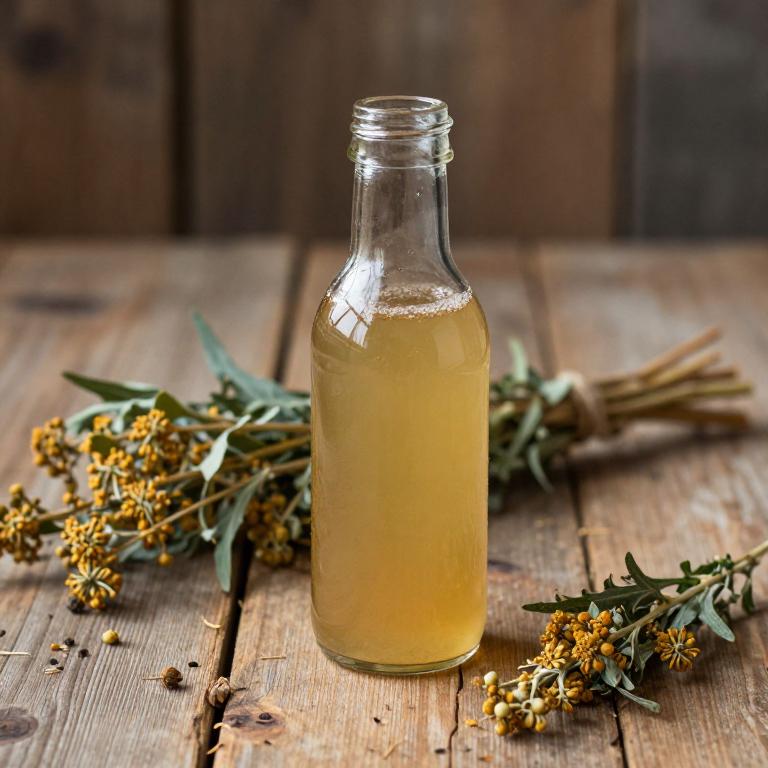
Urtica dioica, commonly known as stinging nettle, has been traditionally used in herbal medicine for its potential respiratory benefits.
When prepared as a juice, it is believed to help alleviate symptoms of chronic bronchitis by reducing inflammation and supporting lung function. The high concentration of antioxidants and anti-inflammatory compounds in stinging nettle juice may help clear mucus and ease breathing difficulties. However, it is important to consult a healthcare professional before using it as a treatment, especially for chronic conditions like bronchitis.
While some studies suggest its benefits, more clinical research is needed to fully understand its efficacy and safety in this context.
5. Peppermint (Mentha piperita)
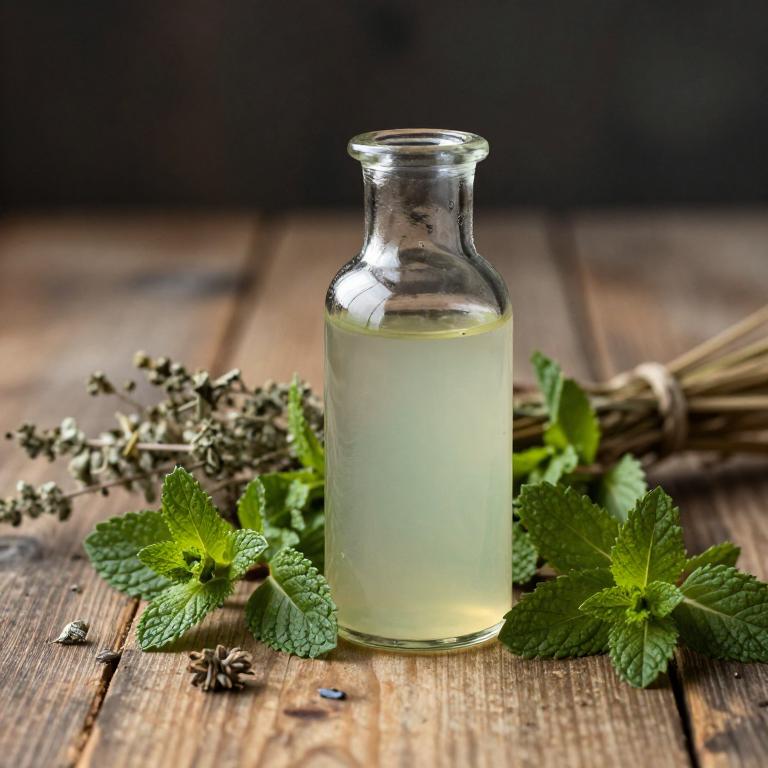
Mentha piperita, commonly known as peppermint, has been traditionally used for its expectorant and bronchodilatory properties, making it a popular herbal remedy for chronic bronchitis.
Peppermint herbal juices are believed to help alleviate symptoms such as coughing, mucus buildup, and shortness of breath by stimulating the respiratory system and promoting clearer airways. The active compounds in peppermint, such as menthol and menthone, may have anti-inflammatory and decongestant effects that support respiratory health. While some studies suggest potential benefits, it is important to consult a healthcare provider before using peppermint juice as a treatment for chronic bronchitis, as it may interact with certain medications or conditions.
Overall, peppermint herbal juice can be a complementary therapy when used under professional guidance.
6. Rosemary (Rosmarinus officinalis)
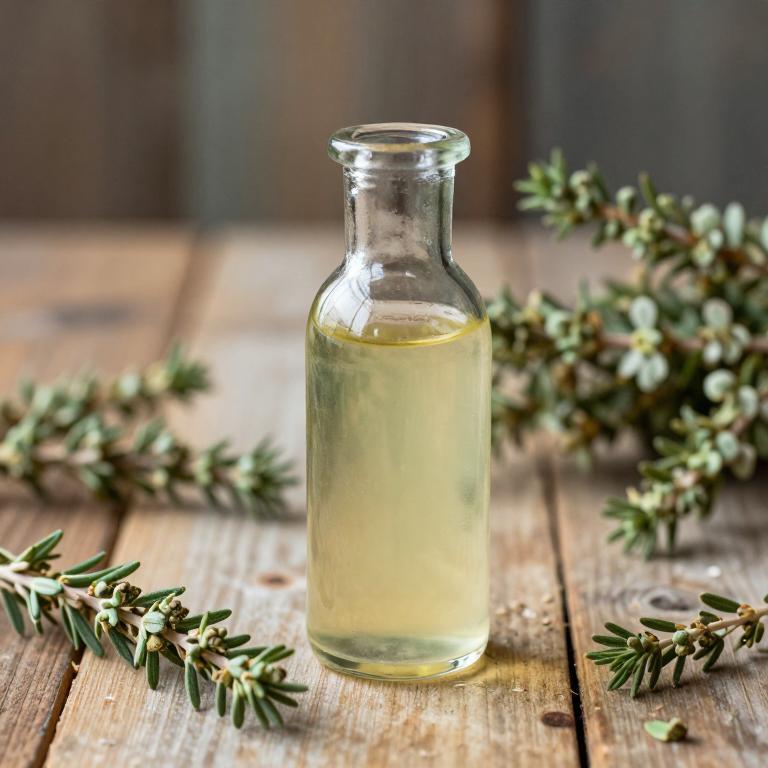
Rosmarinus officinalis, commonly known as rosemary, has been traditionally used for its medicinal properties, including its potential benefits in respiratory health.
Rosemary herbal juices are believed to support lung function and may help alleviate symptoms of chronic bronchitis by reducing inflammation and promoting clear airways. The essential oils in rosemary, such as rosmarinic acid, possess antioxidant and anti-inflammatory properties that may aid in respiratory conditions. When consumed as a juice, rosemary can help soothe coughing and improve mucus clearance, though it should be used as a complementary therapy under medical guidance.
While preliminary studies suggest potential benefits, more research is needed to fully understand its efficacy in treating chronic bronchitis.
7. Licorice (Glycyrrhiza glabra)
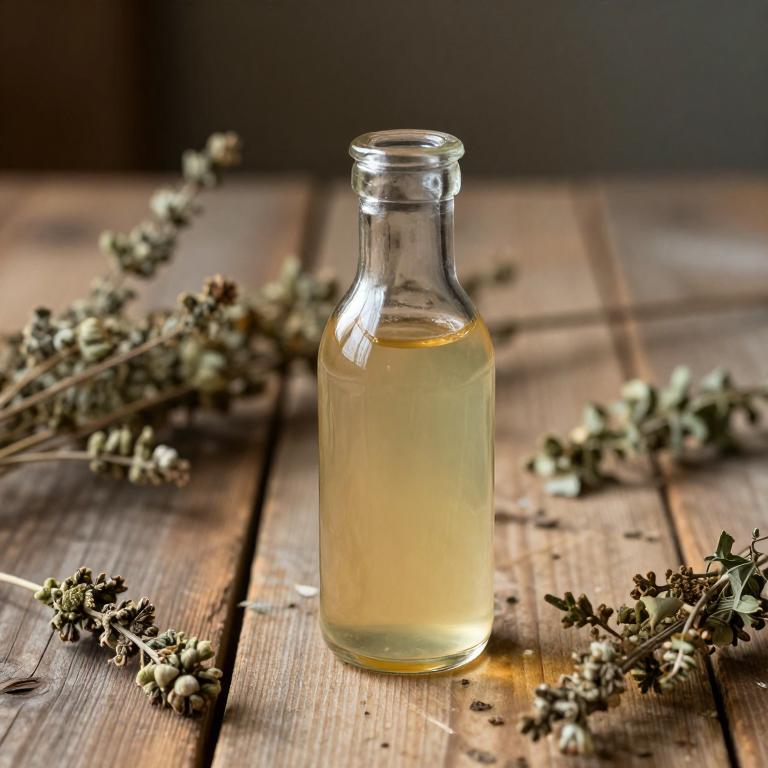
Glycyrrhiza glabra, commonly known as licorice root, has been traditionally used in herbal medicine for its potential benefits in respiratory health.
Its active compounds, such as glycyrrhizin and flavonoids, possess anti-inflammatory, antiviral, and expectorant properties that may help alleviate symptoms of chronic bronchitis. Herbal juices made from licorice root can help reduce coughing, clear mucus, and soothe irritated airways, making them a valuable complementary therapy. However, long-term use of licorice root can lead to side effects like hypertension and fluid retention due to its effects on the adrenal glands.
As with any herbal remedy, it is advisable to consult a healthcare provider before incorporating licorice root juice into a treatment plan for chronic bronchitis.
8. Chaste tree (Vitex agnus-castus)
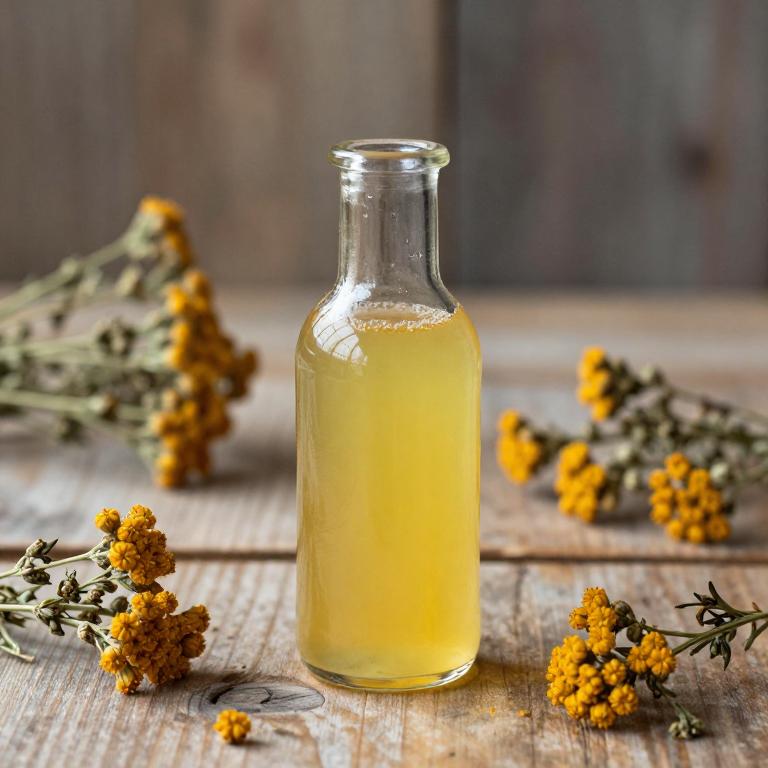
Vitex agnus-castus, commonly known as chaste tree, has been traditionally used in herbal medicine for its potential respiratory benefits.
While it is more commonly associated with hormonal balance and menstrual regulation, some studies suggest it may have anti-inflammatory and bronchodilatory properties that could support respiratory health. For individuals with chronic bronchitis, herbal juices made from vitex may help reduce inflammation in the airways and ease breathing. However, it is important to note that vitex should not replace conventional medical treatments for chronic bronchitis and should be used under the guidance of a healthcare professional.
As with any herbal remedy, individual responses can vary, and it is essential to consult with a qualified practitioner before incorporating vitex into a treatment regimen.
9. Parsley (Petroselinum crispum)
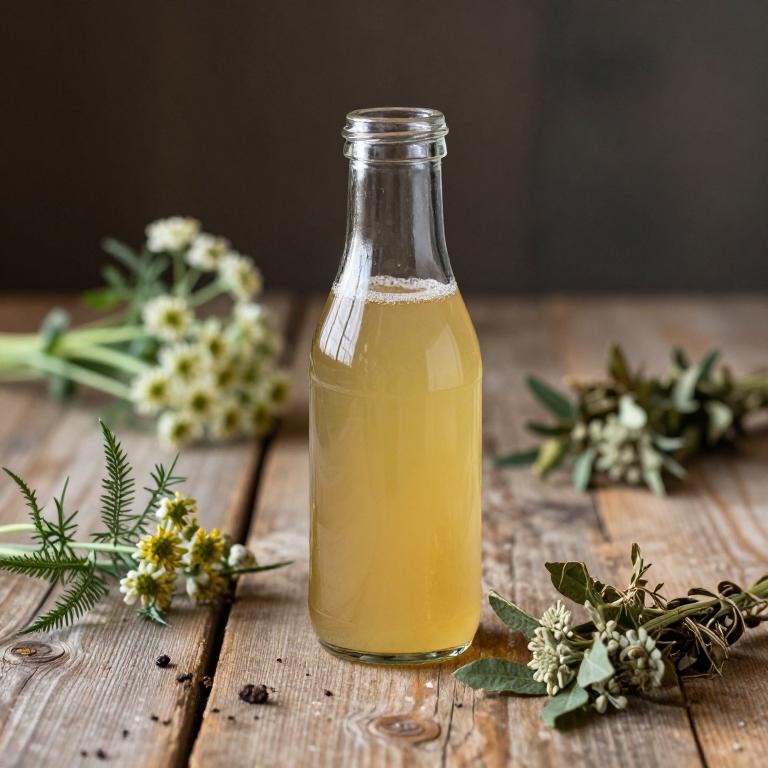
Petroselinum crispum, commonly known as parsley, has been traditionally used in herbal medicine for its potential respiratory benefits.
Some studies suggest that parsley juice may help alleviate symptoms of chronic bronchitis due to its high content of antioxidants and anti-inflammatory compounds. The essential oils in parsley, such as apiol and limonene, are believed to support lung function and reduce mucus production. When consumed as a juice, parsley can act as a natural expectorant, aiding in the clearance of respiratory congestion.
However, while parsley may offer supportive benefits, it should not replace prescribed medical treatments for chronic bronchitis, and individuals should consult a healthcare provider before using it as a therapeutic remedy.
10. Turmeric (Curcuma longa)
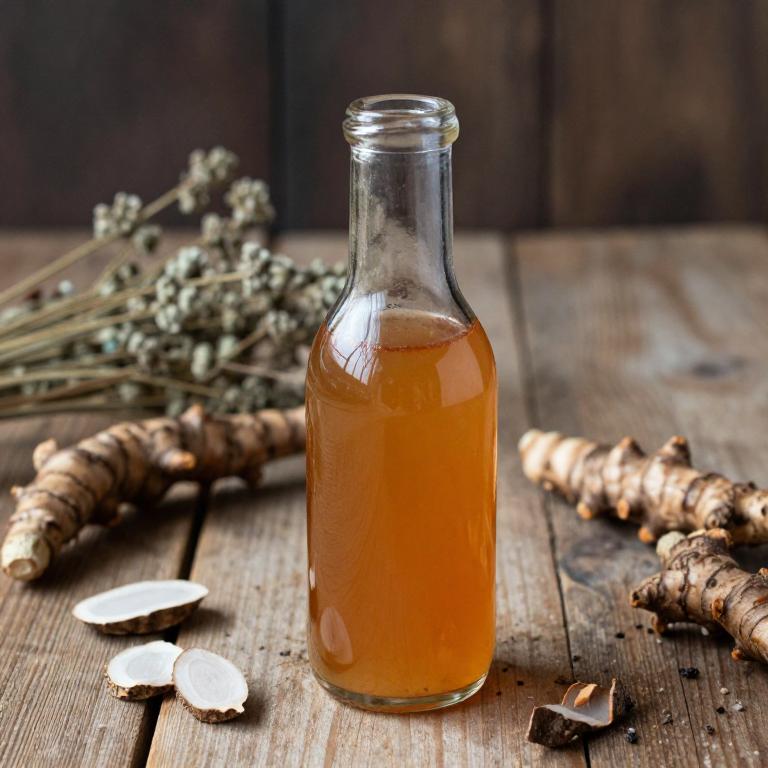
Curcuma longa, commonly known as turmeric, contains curcumin, a powerful bioactive compound with anti-inflammatory and antioxidant properties.
These properties make turmeric juice a potential natural remedy for chronic bronchitis, as it may help reduce airway inflammation and oxidative stress. When consumed regularly, turmeric juice can support respiratory health by improving lung function and reducing mucus production. However, it is important to consult a healthcare professional before using turmeric juice as a treatment, especially for individuals with existing medical conditions or those taking medications.
While turmeric juice may offer supportive benefits, it should not replace conventional medical treatments for chronic bronchitis.