10 Best Herbal Capsules For Cholecystitis
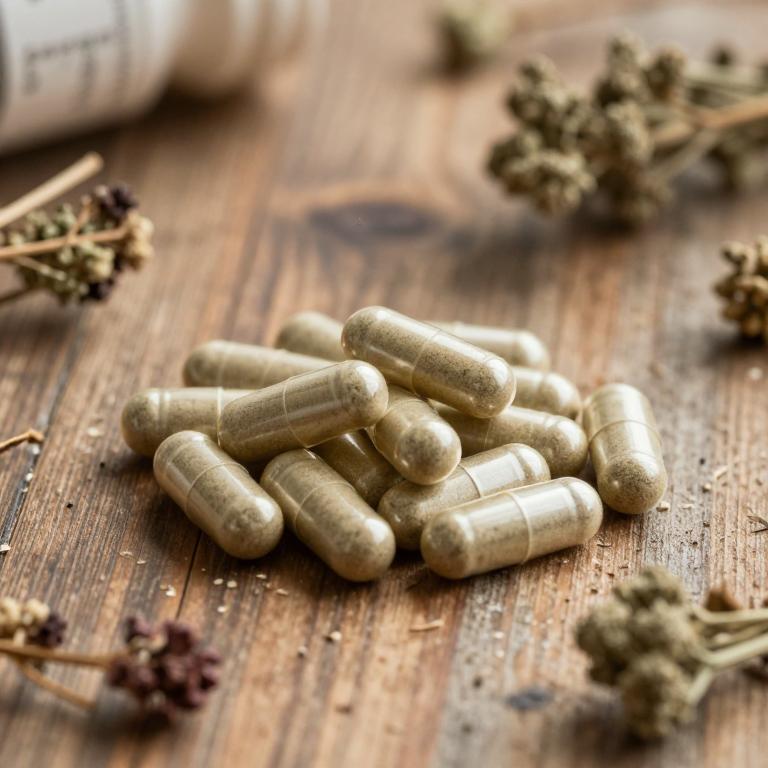
Herbal capsules for cholecystitis are dietary supplements that contain natural ingredients believed to support liver and gallbladder health.
Common herbs used in these capsules include milk thistle, dandelion root, and turmeric, which are known for their anti-inflammatory and detoxifying properties. These supplements are often used as complementary therapy to help reduce inflammation and improve bile flow in individuals with cholecystitis. While they may offer some symptomatic relief, they should not replace conventional medical treatment prescribed by a healthcare professional.
It is important to consult a doctor before starting any herbal regimen, especially for individuals with pre-existing health conditions or those taking other medications.
Table of Contents
- 1. Thistle (Silybum marianum)
- 2. Turmeric (Curcuma longa)
- 3. Black cumin (Nigella sativa)
- 4. Dog rose (Rosa canina)
- 5. Ginger (Zingiber officinale)
- 6. Blessed thistle (Cnicus benedictus)
- 7. Common grape (Vitis vinifera)
- 8. Stinging nettle (Urtica dioica)
- 9. Fennel (Foeniculum vulgare)
- 10. Puncture vine (Tribulus terrestris)
1. Thistle (Silybum marianum)
Silybum marianum, commonly known as milk thistle, is a herbal remedy that has been traditionally used to support liver health.
Its active compound, silymarin, is believed to have antioxidant and anti-inflammatory properties that may help in the treatment of cholecystitis, an inflammation of the gallbladder. Herbal capsules containing silybum marianum are often used as a complementary therapy to reduce oxidative stress and promote healing in the gallbladder. However, while some studies suggest potential benefits, more research is needed to confirm its efficacy in treating cholecystitis.
It is important to consult with a healthcare professional before using these capsules, especially if undergoing other treatments for gallbladder conditions.
2. Turmeric (Curcuma longa)
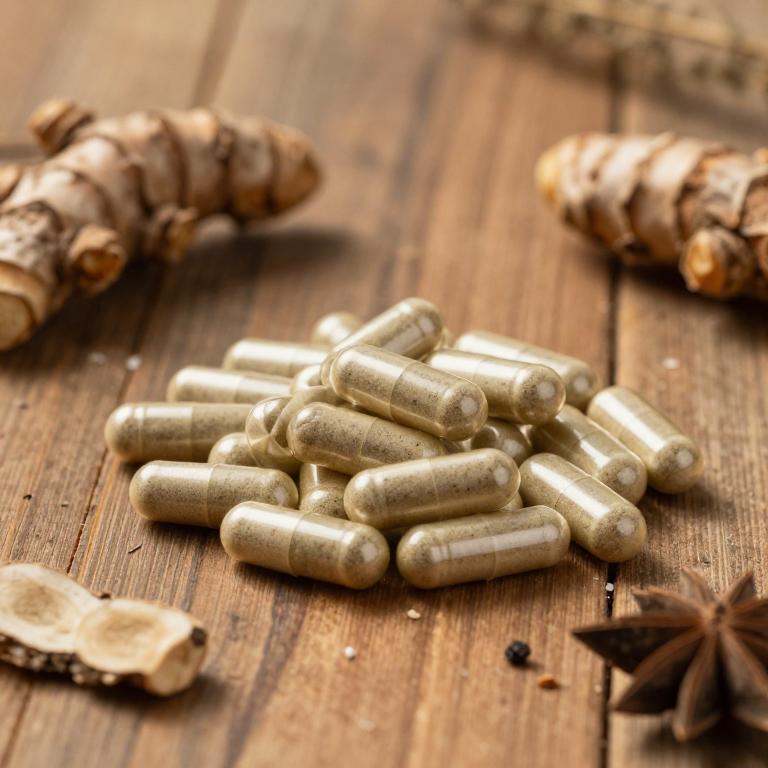
Curcuma longa, commonly known as turmeric, is a herbal supplement that has been traditionally used for its anti-inflammatory and antioxidant properties.
Curcuma longa herbal capsules are often considered as a natural remedy for cholecystitis, an inflammation of the gallbladder, due to their ability to reduce inflammation and support liver function. The active compound in turmeric, curcumin, has shown potential in reducing oxidative stress and modulating inflammatory pathways associated with gallbladder disease. However, while some studies suggest its possible benefits, it is important to consult a healthcare professional before using curcuma longa capsules as a treatment for cholecystitis, as they may interact with other medications or have limited evidence for specific therapeutic effects.
Overall, curcuma longa may complement conventional treatments but should not replace them without medical guidance.
3. Black cumin (Nigella sativa)
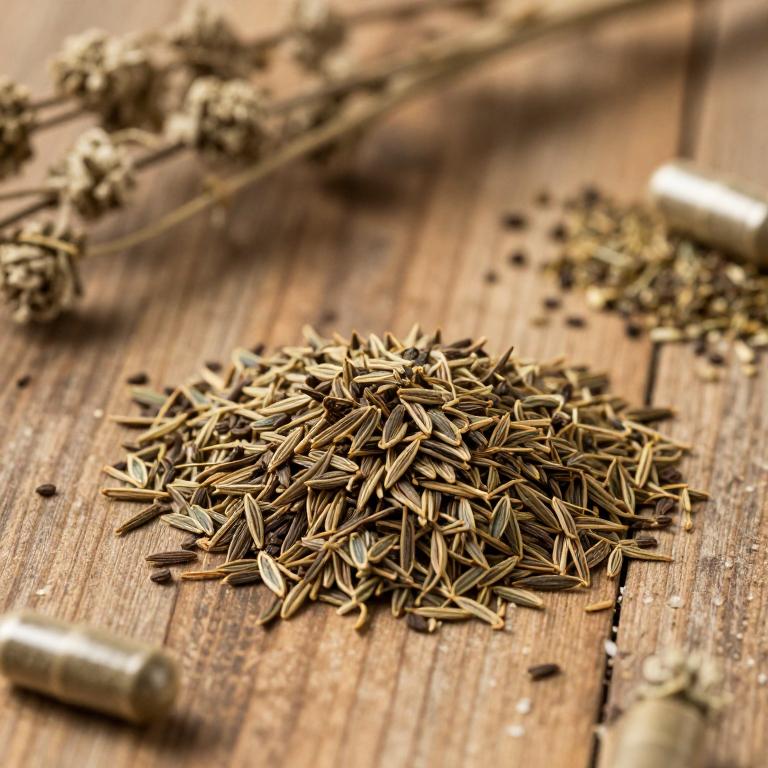
Nigella sativa, commonly known as black cumin, has been traditionally used in herbal medicine for its potential anti-inflammatory and antioxidant properties.
Herbal capsules containing Nigella sativa may offer supportive benefits for individuals with cholecystitis by helping to reduce inflammation in the gallbladder and improve bile flow. While some studies suggest that its active compound, thymoquinone, may have therapeutic effects on digestive health, more research is needed to confirm its efficacy in treating cholecystitis specifically. It is important to consult with a healthcare professional before using Nigella sativa supplements, especially if you are already on medication or have other underlying health conditions.
As a complementary therapy, Nigella sativa capsules may be considered as part of a holistic approach to managing gallbladder inflammation.
4. Dog rose (Rosa canina)
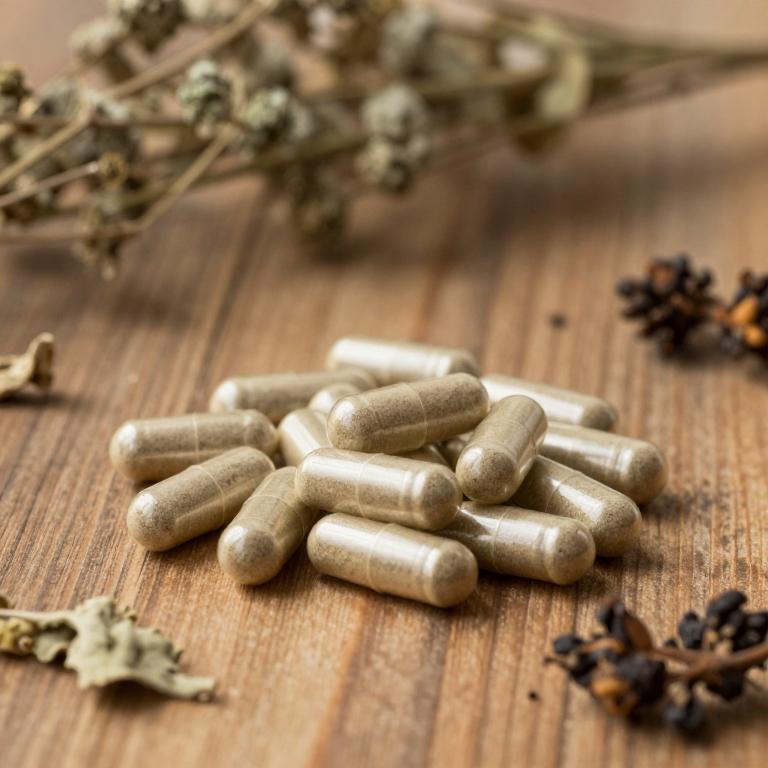
Rosa canina, commonly known as dog rose, is a traditional herbal remedy that has been used for centuries to support digestive health.
Rosa canina herbal capsules are often recommended for individuals suffering from cholecystitis, an inflammation of the gallbladder, due to their potential anti-inflammatory and antioxidant properties. These capsules contain standardized extracts of Rosa canina berries, which are rich in vitamins, minerals, and bioactive compounds that may help reduce inflammation and support liver function. By promoting bile production and improving digestion, Rosa canina may aid in alleviating symptoms associated with cholecystitis.
However, it is important to consult with a healthcare professional before using this supplement, especially if you are taking other medications or have underlying health conditions.
5. Ginger (Zingiber officinale)
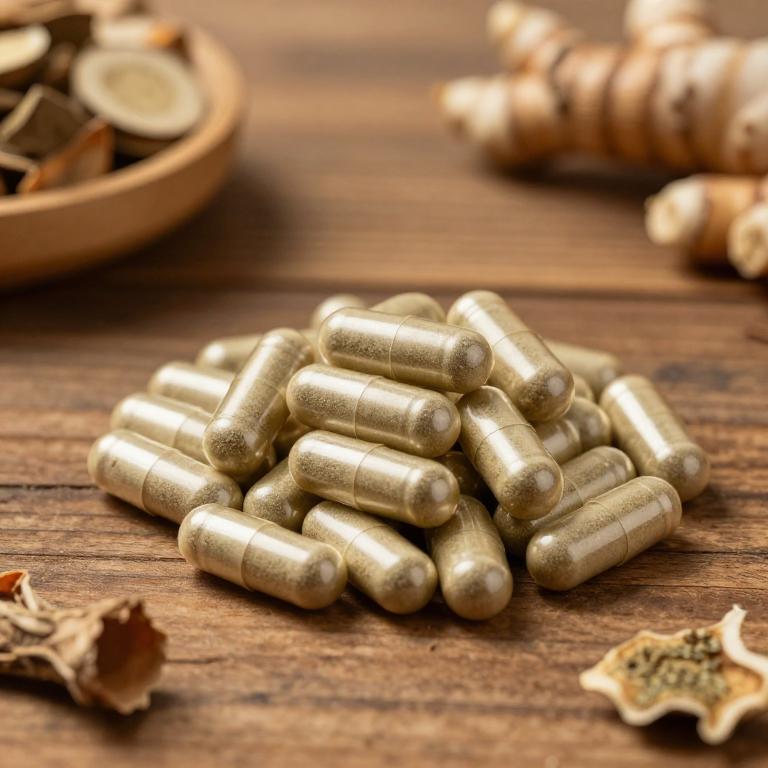
Zingiber officinale, commonly known as ginger, has been traditionally used for its anti-inflammatory and digestive properties, making it a potential natural remedy for cholecystitis, an inflammation of the gallbladder.
Herbal capsules containing zingiber officinale may help reduce gallbladder inflammation by inhibiting the production of inflammatory cytokines and promoting bile secretion. While some studies suggest that ginger can alleviate symptoms such as pain and bloating associated with gallbladder issues, it is not a substitute for medical treatment. It is important to consult a healthcare provider before using ginger supplements, especially for individuals with gallbladder disease, as they may interact with other medications.
Overall, zingiber officinale herbal capsules may offer supportive benefits for cholecystitis when used as part of a holistic approach to managing the condition.
6. Blessed thistle (Cnicus benedictus)
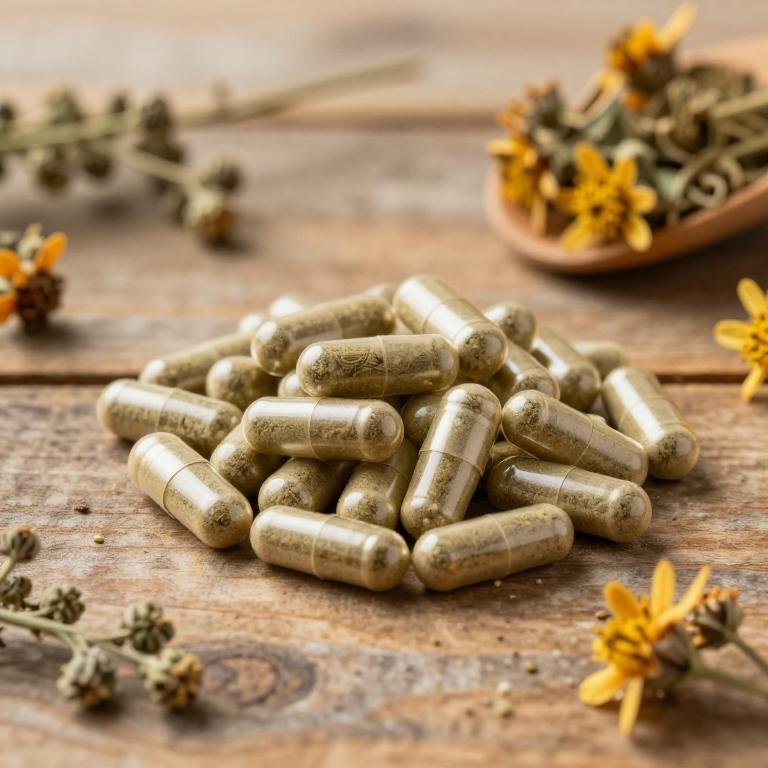
Cnicus benedictus, commonly known as St. Benedict's thistle, is a traditional herbal remedy that has been used for its potential anti-inflammatory and hepatoprotective properties.
Herbal capsules containing Cnicus benedictus are often marketed for supporting liver health and alleviating symptoms associated with cholecystitis, an inflammatory condition of the gallbladder. These capsules may help reduce gallbladder inflammation and support bile production, which can aid in digestion and relieve discomfort. However, it is important to consult with a healthcare professional before using these supplements, as they may interact with other medications or have side effects in certain individuals.
While some preliminary studies suggest potential benefits, more clinical research is needed to fully understand their efficacy and safety in treating cholecystitis.
7. Common grape (Vitis vinifera)
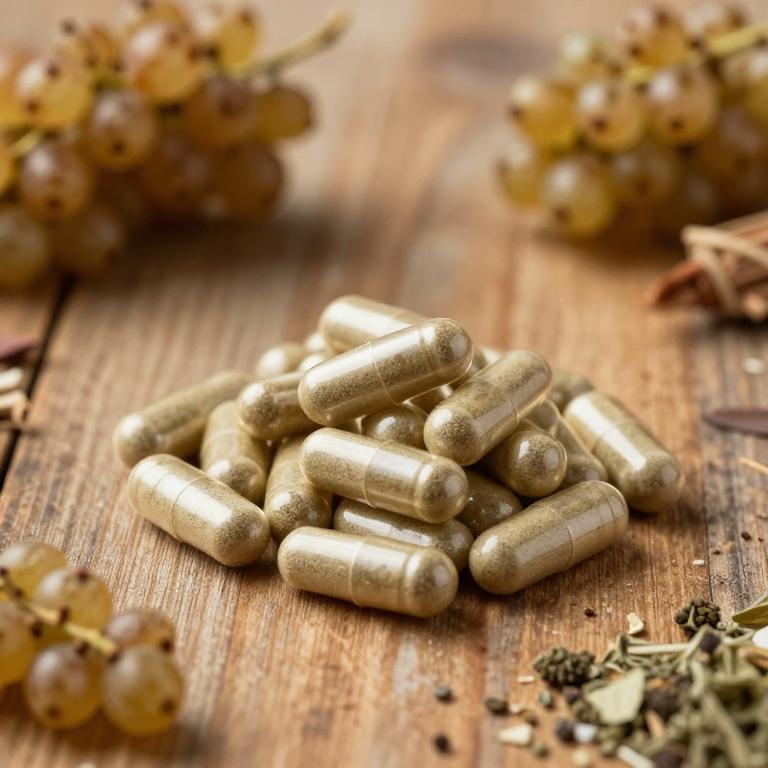
Vitis vinifera herbal capsules are derived from the seeds of the grapevine plant and are traditionally used in herbal medicine for their potential therapeutic benefits.
These capsules are often recommended as a natural remedy for cholecystitis, an inflammatory condition of the gallbladder, due to their anti-inflammatory and antioxidant properties. The active compounds in Vitis vinifera, such as resveratrol and proanthocyanidins, may help reduce inflammation and support liver and gallbladder function. While some studies suggest that these capsules may aid in alleviating symptoms of cholecystitis, they should not replace conventional medical treatment.
It is important to consult a healthcare professional before using Vitis vinifera capsules, especially for individuals with pre-existing health conditions or those taking other medications.
8. Stinging nettle (Urtica dioica)
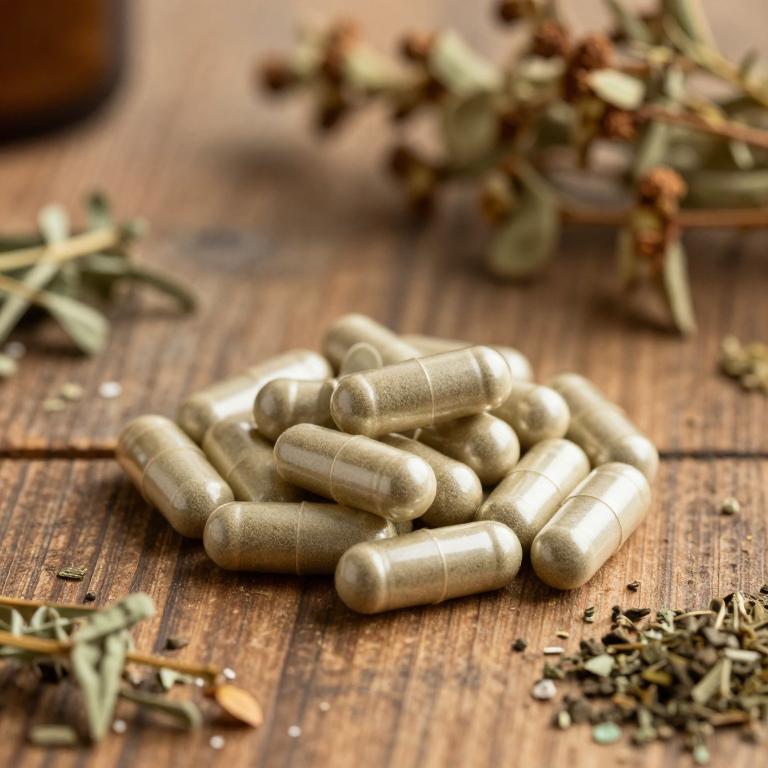
Urtica dioica, commonly known as stinging nettle, has been traditionally used for its anti-inflammatory and detoxifying properties, making it a potential herbal remedy for conditions like cholecystitis.
When formulated into capsules, Urtica dioica may support liver and gallbladder function by promoting bile production and reducing inflammation in the gallbladder. Some studies suggest that its high concentration of antioxidants and minerals may help alleviate symptoms associated with cholecystitis, such as pain and digestive discomfort. However, while it may offer supportive benefits, it is not a substitute for conventional medical treatment and should be used under the guidance of a healthcare professional.
As with any herbal supplement, it is important to consider potential interactions with medications and individual health conditions before use.
9. Fennel (Foeniculum vulgare)
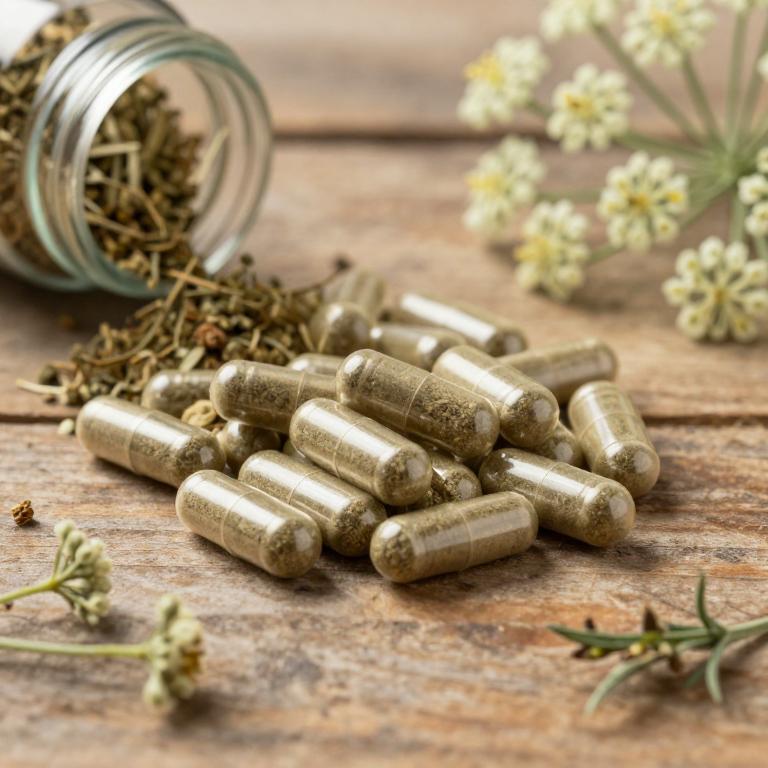
Foeniculum vulgare, commonly known as fennel, is often used in herbal capsules to support digestive health and may offer benefits for individuals with cholecystitis, an inflammation of the gallbladder.
The essential oil of fennel contains compounds like anethol and limonene, which have anti-inflammatory and antispasmodic properties that may help reduce gallbladder irritation and discomfort. These herbal capsules are typically taken orally and may aid in improving bile flow and reducing the risk of gallstone formation. While fennel is generally considered safe, it is important to consult a healthcare provider before using it, especially if you are on medications or have underlying health conditions.
As a complementary therapy, fennel capsules may support overall liver and gallbladder function when used as part of a holistic treatment plan.
10. Puncture vine (Tribulus terrestris)
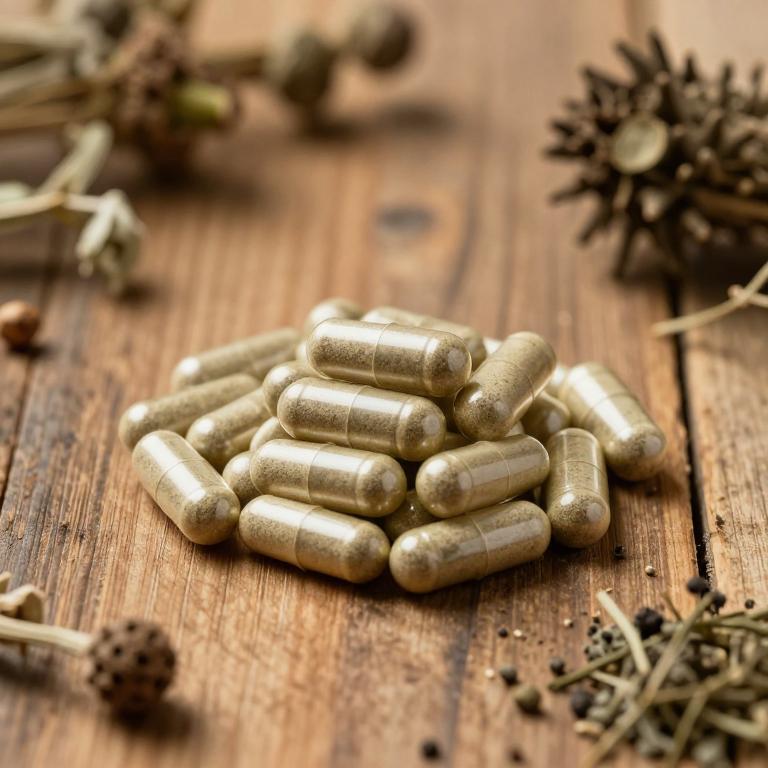
Tribulus terrestris herbal capsules are commonly used as a natural supplement to support digestive health, particularly in conditions like cholecystitis, which involves inflammation of the gallbladder.
This herb is believed to aid in the regulation of bile production and flow, potentially reducing the risk of gallstone formation and alleviating associated symptoms. While some studies suggest that Tribulus terrestris may have mild cholagogue effects, more research is needed to confirm its efficacy in treating cholecystitis specifically. It is often recommended as a complementary therapy under the guidance of a healthcare professional, especially when used alongside conventional treatments.
As with any herbal supplement, it is important to consult a physician before use, particularly for individuals with pre-existing medical conditions or those taking other medications.