10 Best Herbal Capsules For Chills
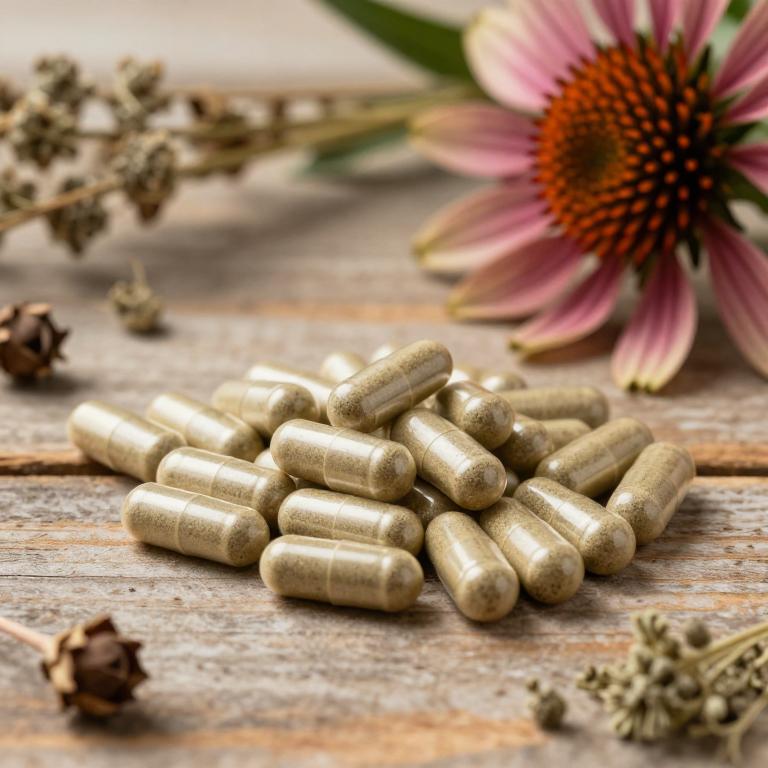
Herbal capsules for chills are natural supplements designed to help alleviate symptoms associated with mild fevers and chills, often used during colds or flu-like illnesses.
These capsules typically contain a blend of traditional herbs such as echinacea, elderberry, and ginger, which are known for their immune-boosting and anti-inflammatory properties. They are generally considered safe for most adults when taken as directed, though individuals with allergies or chronic conditions should consult a healthcare provider before use. Herbal capsules offer a convenient and easy-to-swallow alternative to traditional medications, making them popular for those seeking natural remedies.
However, they should not replace professional medical advice, especially if symptoms persist or worsen.
Table of Contents
- 1. Echinacea (Echinacea purpurea)
- 2. White cedar (Thuja occidentalis)
- 3. Black elderberry (Sambucus nigra)
- 4. Ginger (Zingiber officinale)
- 5. Ceylon cinnamon (Cinnamomum verum)
- 6. Rosemary (Rosmarinus officinalis)
- 7. St. john's wort (Hypericum perforatum)
- 8. Black pepper (Piper nigrum)
- 9. Chaste tree (Vitex agnus-castus)
- 10. Stinging nettle (Urtica dioica)
1. Echinacea (Echinacea purpurea)
Echinacea purpurea herbal capsules are commonly used to support the immune system and may help alleviate symptoms like chills associated with colds or mild respiratory infections.
These capsules typically contain standardized extracts of the purple coneflower, which is known for its potential anti-inflammatory and antimicrobial properties. Some studies suggest that echinacea may reduce the duration and severity of cold symptoms, including chills, though results can vary among individuals. When taken as directed, echinacea capsules are generally considered safe for most adults, though they may cause mild side effects in some people.
It is advisable to consult a healthcare provider before using echinacea, especially for those with allergies or chronic health conditions.
2. White cedar (Thuja occidentalis)
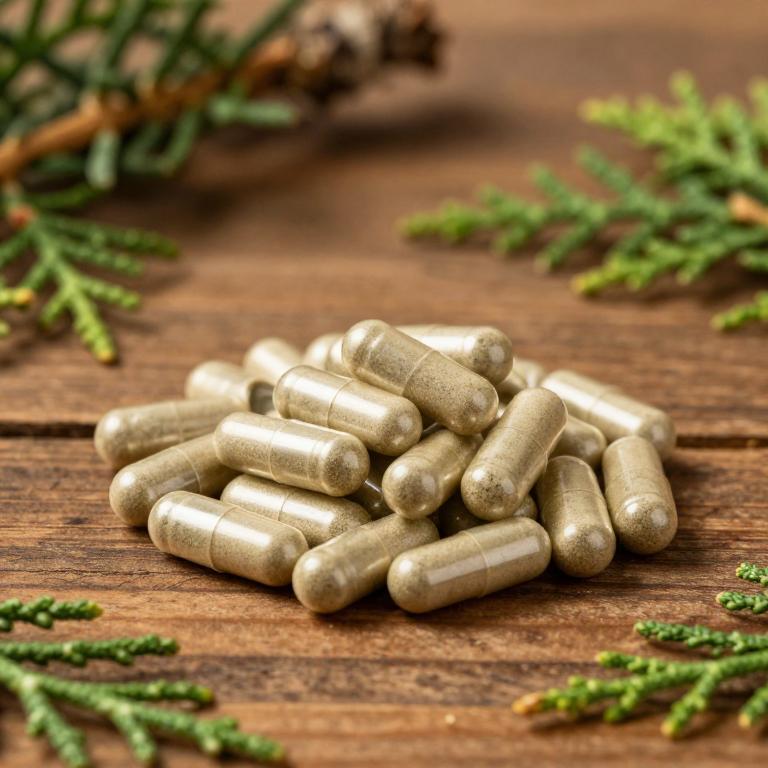
Thuja occidentalis herbal capsules are traditionally used in herbal medicine to support the body's natural defenses against infections, including those that may cause chills.
These capsules contain extracts from the eastern arborvitae plant, which is known for its immune-boosting properties. While not a direct treatment for chills, thuja occidentalis may help alleviate symptoms by promoting respiratory health and reducing inflammation. It is often used in combination with other herbal remedies to enhance its effectiveness.
As with any herbal supplement, it is important to consult a healthcare professional before use, especially for individuals with existing health conditions or those taking other medications.
3. Black elderberry (Sambucus nigra)
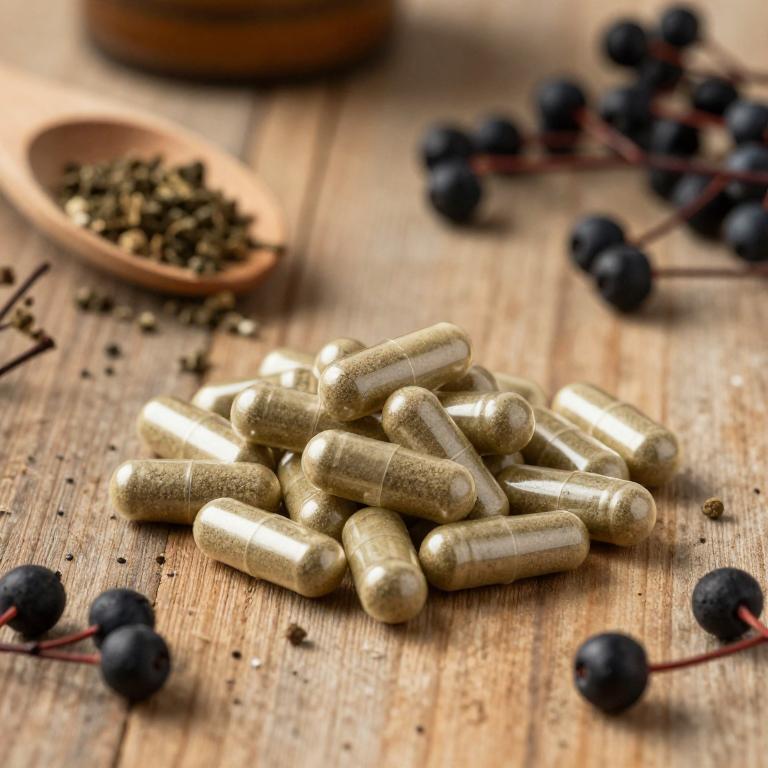
Sambucus nigra, commonly known as elderberry, is often used in herbal remedies to support the immune system and alleviate symptoms associated with colds and flu, including chills.
When taken in the form of herbal capsules, sambucus nigra is believed to possess antiviral and anti-inflammatory properties that may help reduce the severity and duration of viral infections. These capsules are typically made from standardized extracts of the elderberry fruit, ensuring a consistent concentration of active compounds. Some studies suggest that elderberry may help lower body temperature and ease the discomfort of chills by supporting the body's natural defenses.
However, it is important to consult a healthcare provider before using sambucus nigra, especially for individuals with autoimmune conditions or those taking medications.
4. Ginger (Zingiber officinale)
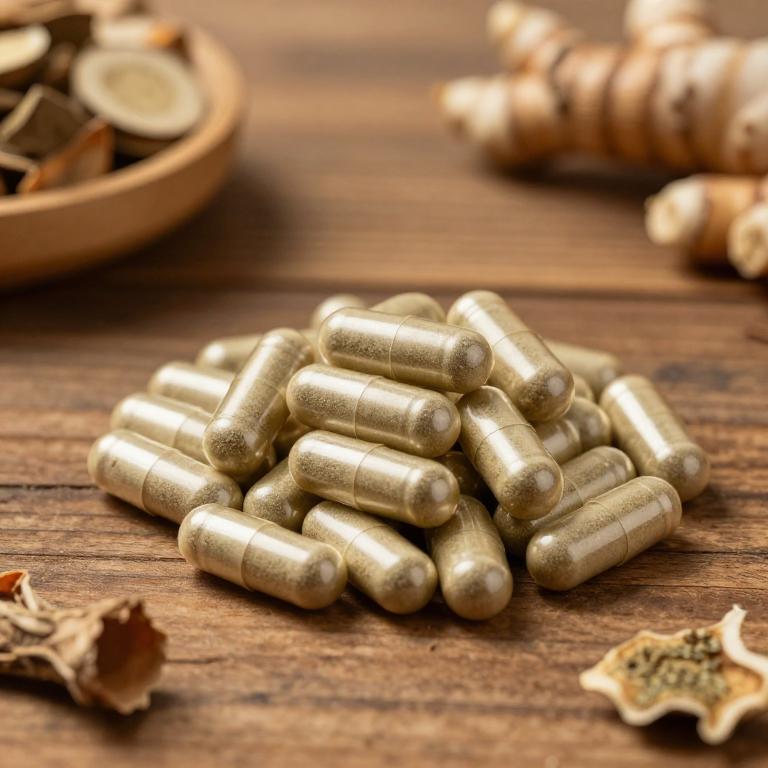
Zingiber officinale, commonly known as ginger, is widely used in herbal medicine for its warming properties and ability to alleviate symptoms associated with chills.
These herbal capsules are formulated with standardized extracts of fresh ginger root, which contain bioactive compounds like gingerol and shogaol that help stimulate circulation and generate body heat. They are often recommended for individuals experiencing chills due to cold exposure, viral infections, or hormonal imbalances. The capsules are convenient, easy to take, and provide a gentle yet effective way to support the body’s natural defenses against cold-related discomfort.
However, it is advisable to consult a healthcare professional before using ginger supplements, especially for those with existing medical conditions or who are taking other medications.
5. Ceylon cinnamon (Cinnamomum verum)
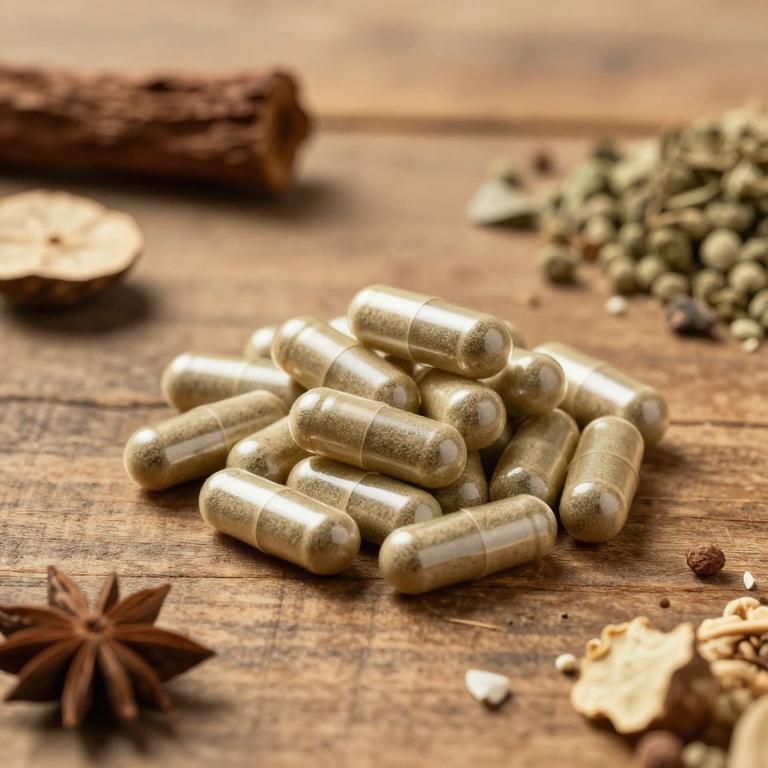
Cinnamomum verum, commonly known as true cinnamon, is often used in herbal capsules to help alleviate symptoms associated with chills, such as shivering and low body temperature.
The essential oils in cinnamon, particularly cinnamaldehyde, possess warming properties that may help stimulate circulation and promote a sense of warmth in the body. These herbal capsules are typically made from the bark of the cinnamon tree and are available in various formulations for easy consumption. While they are not a substitute for medical treatment, they may offer natural support for mild cases of chills when used as part of a holistic approach to wellness.
It is important to consult with a healthcare provider before using cinnamon capsules, especially for individuals with underlying health conditions or those taking other medications.
6. Rosemary (Rosmarinus officinalis)
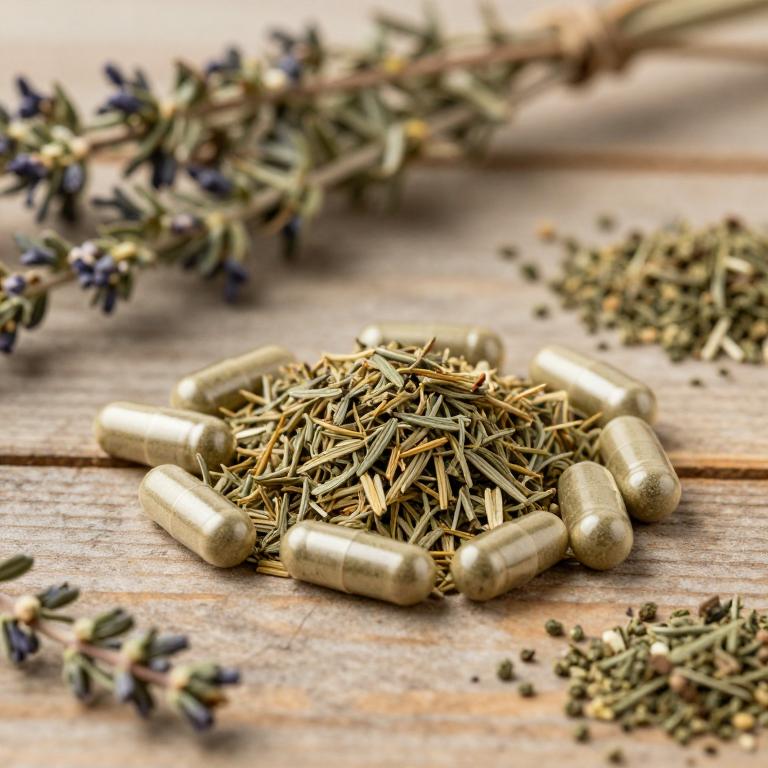
Rosmarinus officinalis, commonly known as rosemary, is a popular herbal remedy often used in the form of capsules to support immune health and alleviate symptoms associated with chills.
These capsules are typically standardized to contain a specific concentration of rosemary extract, which is rich in antioxidants and anti-inflammatory compounds. Rosemary has been traditionally used to improve circulation and may help the body respond more effectively to cold or flu-like symptoms. When taken as part of a holistic approach to wellness, rosemary capsules may provide gentle support for mild chills and respiratory discomfort.
However, it is important to consult with a healthcare professional before using rosemary supplements, especially for individuals with existing health conditions or those taking other medications.
7. St. john's wort (Hypericum perforatum)
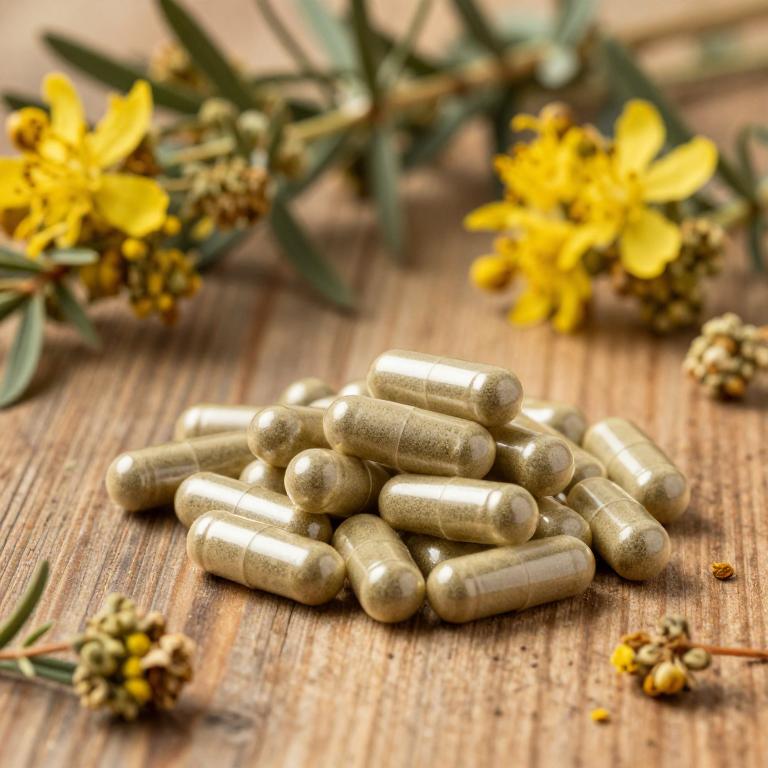
Hypericum perforatum, commonly known as St. John's Wort, is a herbal remedy that has been traditionally used for its potential mood-enhancing properties.
While it is more widely recognized for treating mild to moderate depression, some individuals may use it for its purported effects on symptoms like chills, which can be associated with anxiety or stress-related conditions. However, it is important to note that there is limited scientific evidence directly linking hypericum perforatum to the relief of chills. The herb works by influencing neurotransmitters such as serotonin, which may indirectly affect how the body responds to stress or cold.
As with any herbal supplement, it is advisable to consult a healthcare professional before use, especially if you are taking other medications, as it can interact with various drugs.
8. Black pepper (Piper nigrum)
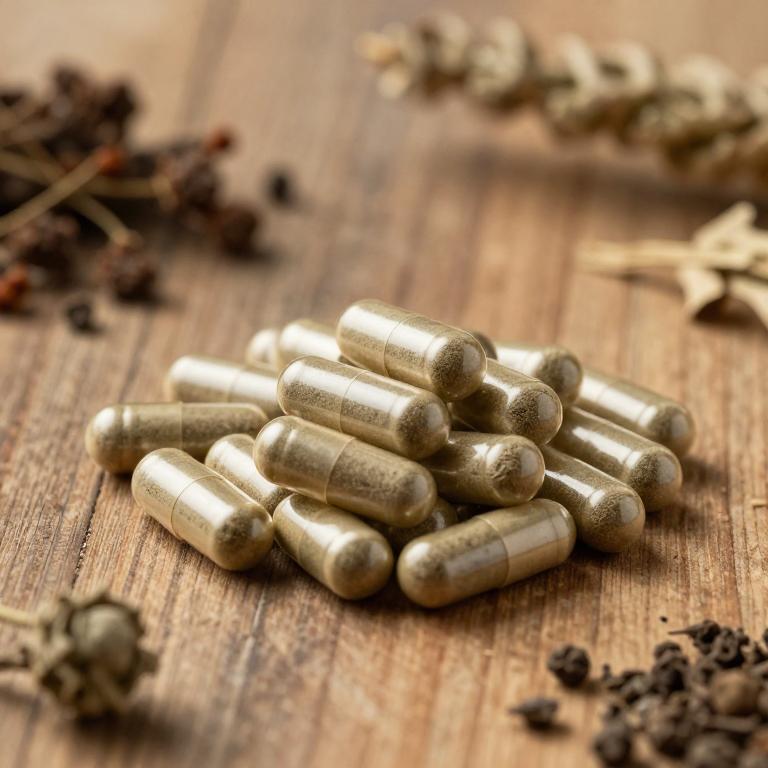
Piper nigrum, commonly known as black pepper, is often used in herbal formulations to help alleviate symptoms of chills by promoting circulation and stimulating the body's natural defenses.
The active compound in black pepper, piperine, is believed to enhance the absorption of other nutrients and may support the immune system. Herbal capsules containing Piper nigrum are typically made from dried and ground peppercorns, which are then encapsulated for easy consumption. These capsules are often recommended as a natural remedy to help reduce the duration and severity of chills associated with colds or mild infections.
However, it is important to consult with a healthcare provider before using Piper nigrum capsules, especially for individuals with existing health conditions or those taking medications.
9. Chaste tree (Vitex agnus-castus)
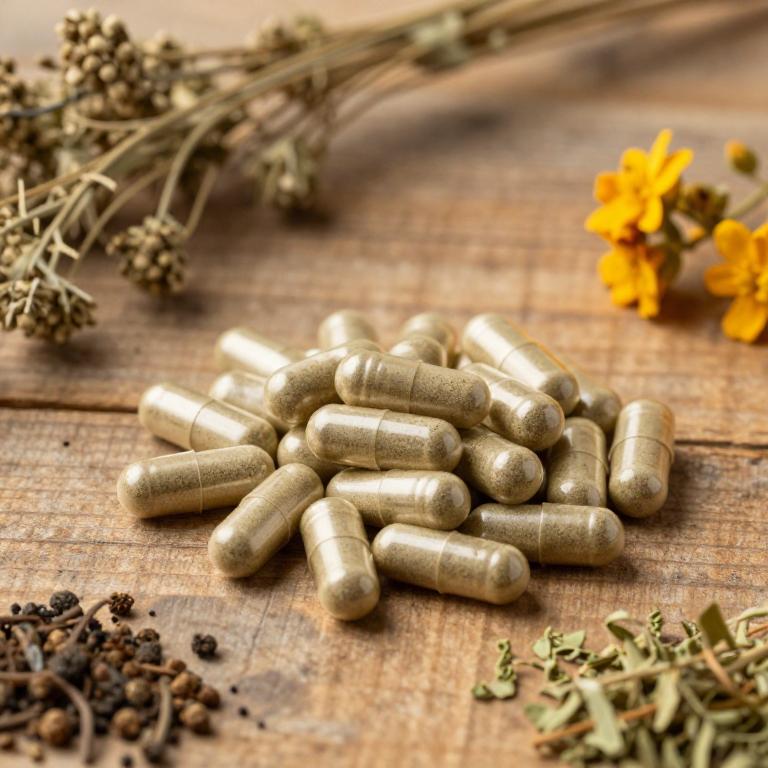
Vitex agnus-castus, commonly known as chasteberry, is a herbal remedy often used in the form of capsules to support hormonal balance and alleviate symptoms associated with premenstrual syndrome (PMS), including chills.
The herb is believed to influence the pituitary gland, which can help regulate menstrual cycles and reduce hormonal fluctuations that may contribute to chills and other discomforts. While scientific evidence on its effectiveness for chills specifically is limited, many users report a sense of overall well-being and reduced sensitivity to temperature changes when taking vitex agnus-castus capsules. It is typically recommended as a complementary therapy under the guidance of a healthcare professional, especially for women experiencing hormonal imbalances.
As with any herbal supplement, it is important to consider potential interactions and consult a physician before starting a new regimen.
10. Stinging nettle (Urtica dioica)
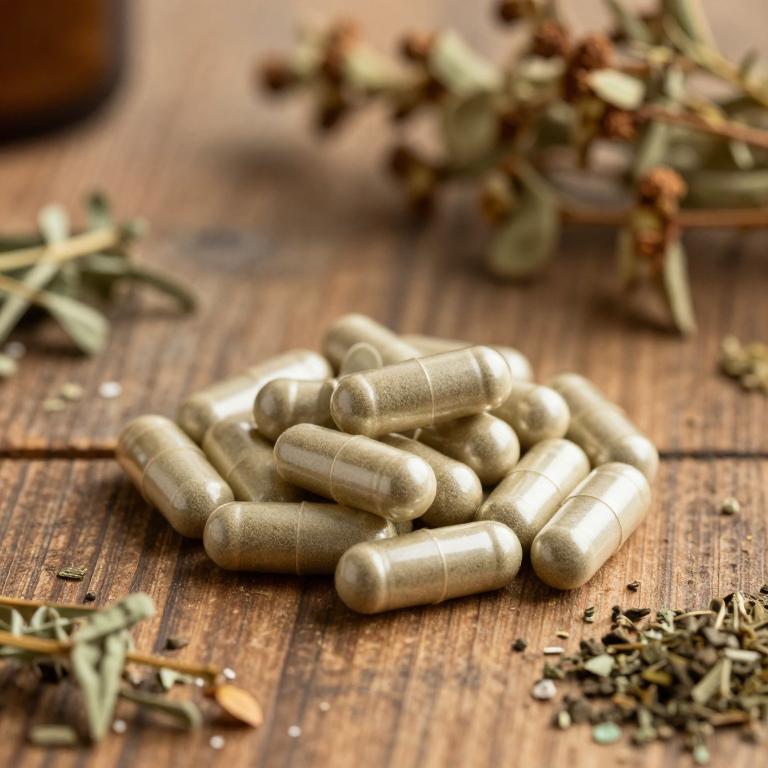
Urtica dioica, commonly known as stinging nettle, is a medicinal plant that has been traditionally used for its various health benefits, including its potential to alleviate symptoms of chills.
Urtica dioica herbal capsules are formulated to harness the natural properties of this plant, which may help support the body's immune response and reduce the frequency and severity of chills. These capsules are often made from dried and standardized leaves of the plant, ensuring consistent potency and efficacy. They are typically taken as a dietary supplement and may be beneficial for individuals experiencing chills due to seasonal changes, viral infections, or other underlying conditions.
However, it is important to consult with a healthcare professional before starting any new herbal supplement to ensure safety and appropriateness for individual health needs.