10 Best Herbal Capsules For Chest Congestion

Herbal capsules for chest congestion are natural supplements designed to alleviate symptoms such as coughing, mucus buildup, and difficulty breathing by incorporating plant-based ingredients known for their respiratory benefits.
Common herbs used in these capsules include eucalyptus, ginger, turmeric, and licorice root, all of which possess anti-inflammatory, antimicrobial, and expectorant properties. These capsules are often preferred by individuals seeking alternative or complementary treatments to conventional medications, especially those who prefer a holistic approach to health. They can help loosen mucus, reduce irritation in the airways, and promote easier breathing.
However, it is important to consult a healthcare professional before use, particularly for those with underlying health conditions or who are taking other medications.
Table of Contents
- 1. Eucalyptus (Eucalyptus globulus)
- 2. Ginger (Zingiber officinale)
- 3. Peppermint (Mentha piperita)
- 4. Licorice (Glycyrrhiza glabra)
- 5. Thyme (Thymus vulgaris)
- 6. Ceylon cinnamon (Cinnamomum verum)
- 7. Fennel (Foeniculum vulgare)
- 8. Salvia (Salvia officinalis)
- 9. Black pepper (Piper nigrum)
- 10. Scots pine (Pinus sylvestris)
1. Eucalyptus (Eucalyptus globulus)
Eucalyptus globulus, commonly known as eucalyptus, is a popular herbal remedy used in the form of capsules to alleviate chest congestion.
These capsules contain the essential oils and extracts of the eucalyptus tree, which are known for their expectorant and anti-inflammatory properties. The active compounds, such as cineole and eucalyptol, help to loosen mucus and reduce irritation in the respiratory tract. Eucalyptus globulus herbal capsules are often used as a natural alternative to over-the-counter cough and cold medications.
However, it is important to consult with a healthcare provider before use, especially for individuals with asthma or other respiratory conditions.
2. Ginger (Zingiber officinale)
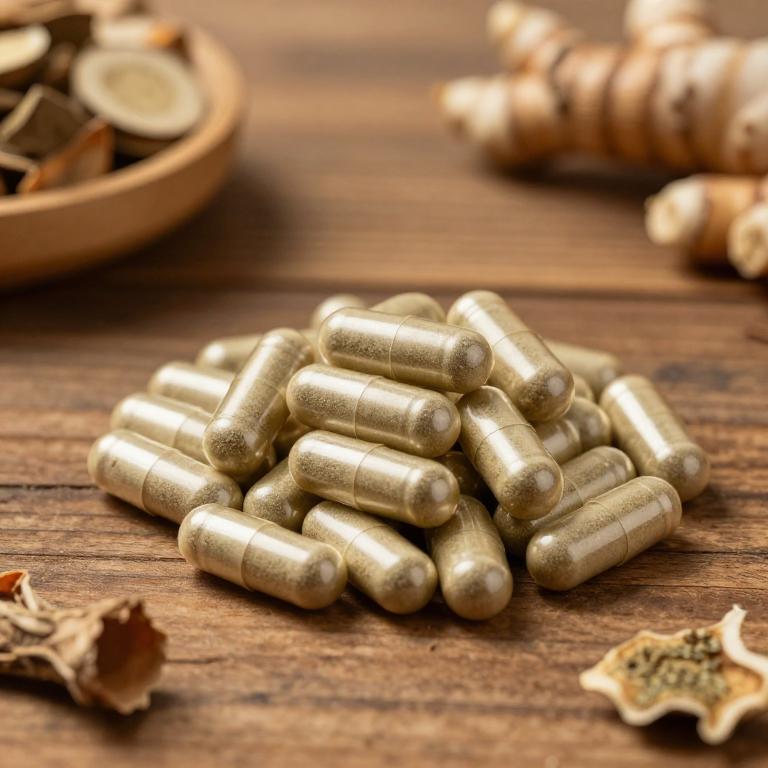
Zingiber officinale, commonly known as ginger, is often used in herbal formulations to help alleviate chest congestion due to its anti-inflammatory and bronchodilatory properties.
When formulated into capsules, ginger provides a convenient and concentrated dose of these beneficial compounds, making it an accessible option for those seeking natural relief. The active compounds in ginger, such as gingerol and shogaol, work to reduce mucus production and ease respiratory discomfort. These herbal capsules are generally considered safe for most adults when taken as directed, though they may interact with certain medications.
They are particularly useful for individuals experiencing mild to moderate chest congestion associated with colds, flu, or respiratory infections.
3. Peppermint (Mentha piperita)
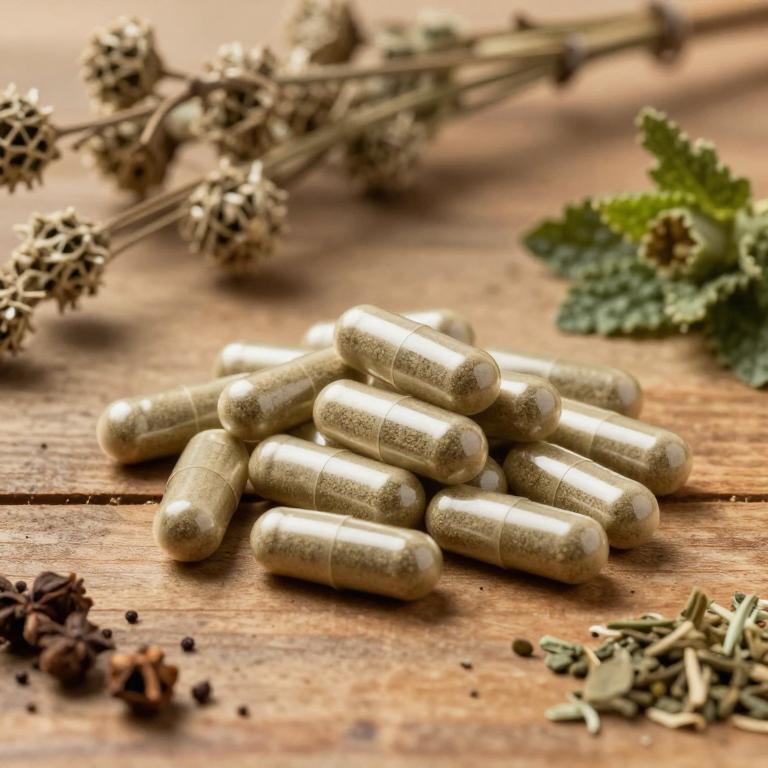
Mentha piperita, commonly known as peppermint, is often used in herbal capsules to help alleviate symptoms of chest congestion.
These capsules contain concentrated extracts of peppermint leaves, which are known for their expectorant and decongestant properties. The active compounds in peppermint, such as menthol and menthone, work by soothing the respiratory tract and reducing mucus buildup. Peppermint herbal capsules are generally considered safe when taken as directed, though they may not be suitable for everyone, especially those with certain medical conditions or who are taking specific medications.
They can be a natural alternative for individuals seeking relief from mild to moderate chest congestion without the use of conventional pharmaceuticals.
4. Licorice (Glycyrrhiza glabra)
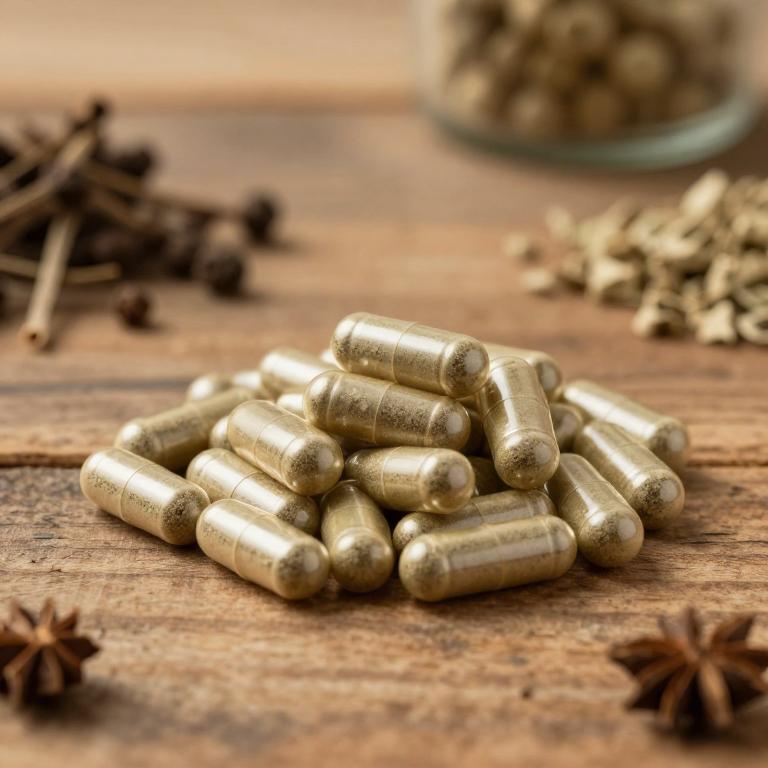
Glycyrrhiza glabra, commonly known as licorice root, is widely used in herbal medicine for its potential to alleviate chest congestion due to its expectorant and anti-inflammatory properties.
The active compounds in licorice root, such as glycyrrhizin and flavonoids, help to loosen mucus and reduce inflammation in the respiratory tract, making it easier to breathe. When formulated into capsules, glycyrrhiza glabra provides a convenient and standardized dosage for those seeking natural relief from persistent coughs and chest tightness. However, long-term use of licorice root capsules should be monitored, as excessive intake may lead to side effects such as hypertension or fluid retention.
Despite these considerations, glycyrrhiza glabra herbal capsules remain a popular complementary remedy for supporting respiratory health during periods of chest congestion.
5. Thyme (Thymus vulgaris)
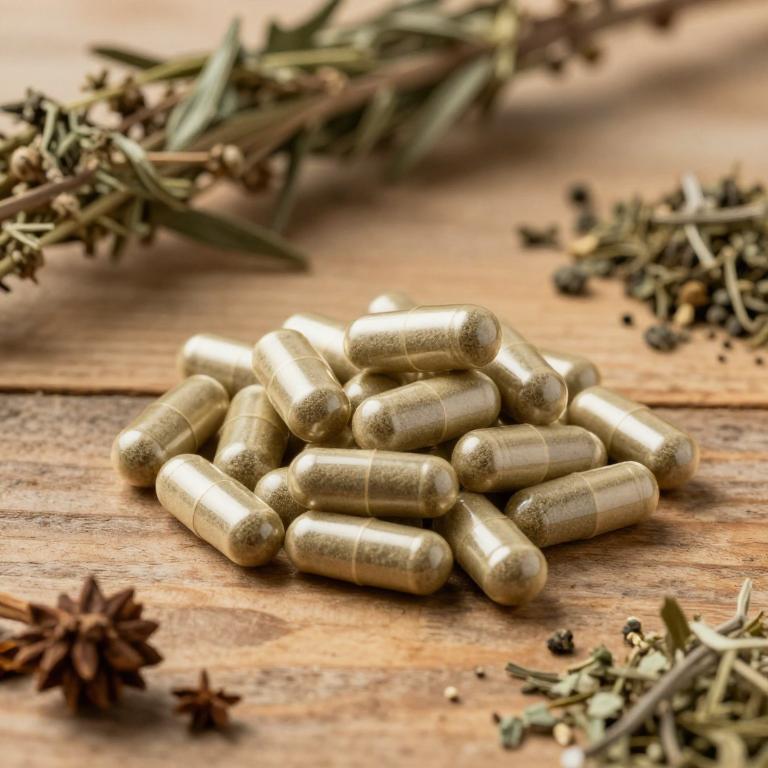
Thymus vulgaris herbal capsules, derived from the plant commonly known as thyme, are often used to support respiratory health and alleviate symptoms of chest congestion.
These capsules contain thymol, a powerful phytochemical known for its antimicrobial and anti-inflammatory properties, which can help reduce mucus buildup and soothe irritated airways. Thymus vulgaris is traditionally used in herbal medicine to ease coughing and promote easier breathing, making it a popular remedy for those suffering from colds, bronchitis, or other respiratory conditions. The capsules are typically made from organic thyme extract and are free from artificial additives, making them a natural and safe option for many individuals.
When used as part of a holistic approach to respiratory wellness, thymus vulgaris herbal capsules may offer gentle yet effective relief from chest congestion.
6. Ceylon cinnamon (Cinnamomum verum)

Cinnamomum verum, commonly known as true cinnamon, is often used in herbal remedies to help alleviate symptoms of chest congestion.
The essential oils found in cinnamon, such as cinnamaldehyde and eugenol, possess antimicrobial and anti-inflammatory properties that can soothe irritated airways and reduce mucus buildup. When taken in the form of herbal capsules, cinnamon can support respiratory health by promoting easier breathing and reducing coughing. These capsules are typically made from concentrated extracts of the bark, ensuring a potent dose of active compounds.
However, it is important to consult with a healthcare professional before using cinnamon supplements, especially for individuals with existing medical conditions or those taking other medications.
7. Fennel (Foeniculum vulgare)
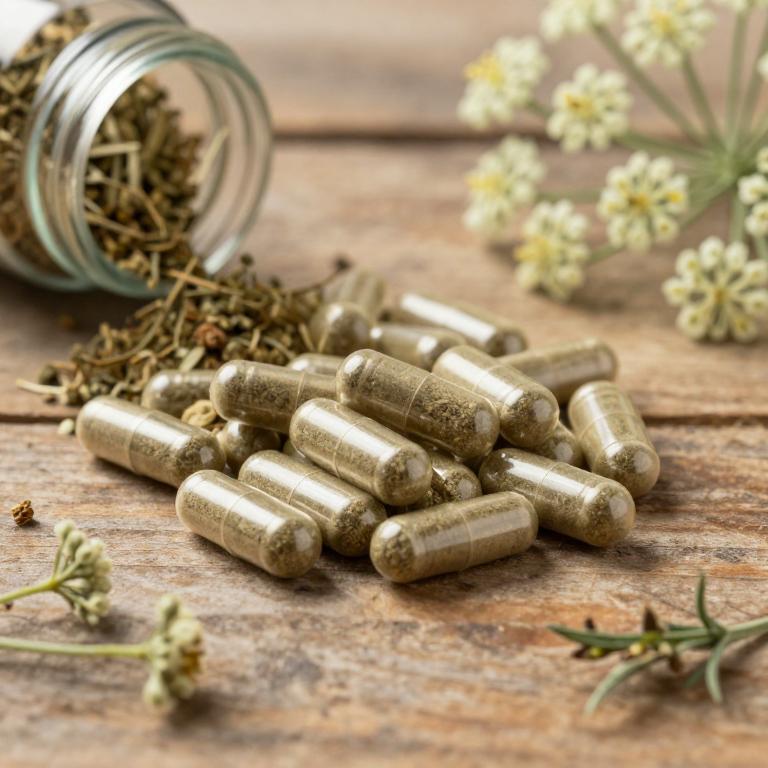
Foeniculum vulgare, commonly known as fennel, is often used in herbal capsules to help alleviate chest congestion due to its expectorant and anti-inflammatory properties.
These capsules typically contain standardized extracts of the fennel plant, which can help loosen mucus and make it easier to expel from the respiratory tract. Fennel is also known to soothe the throat and reduce irritation, providing relief for individuals suffering from coughs and bronchial inflammation. When taken as directed, fennel herbal capsules may support respiratory health and ease breathing in cases of mild to moderate chest congestion.
However, it is important to consult with a healthcare provider before use, especially for those with existing medical conditions or taking other medications.
8. Salvia (Salvia officinalis)
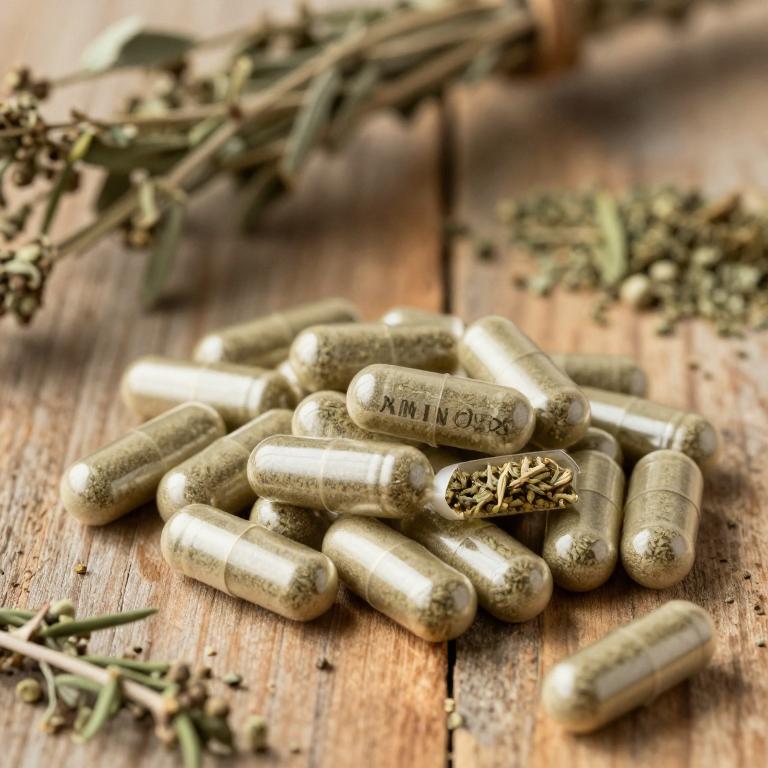
Salvia officinalis, commonly known as sage, has been traditionally used for its potential respiratory benefits, and herbal capsules containing this herb may help alleviate chest congestion by reducing mucus production and promoting clearer breathing.
The active compounds in sage, such as thujone and flavonoids, are believed to have anti-inflammatory and expectorant properties that support respiratory health. When taken as capsules, salvia officinalis can provide a convenient and concentrated form of this herbal remedy for those experiencing persistent chest congestion. However, it is important to consult with a healthcare professional before use, especially for individuals with existing medical conditions or those taking other medications.
While some studies suggest potential benefits, more research is needed to fully understand its efficacy and safety for respiratory support.
9. Black pepper (Piper nigrum)
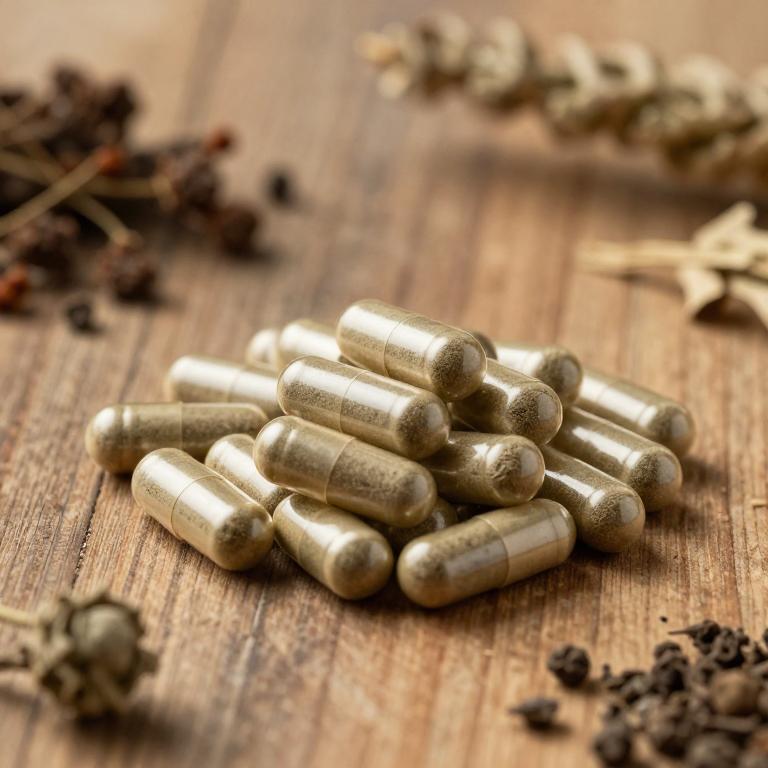
Piper nigrum, commonly known as black pepper, is traditionally used in herbal medicine for its potential respiratory benefits.
When formulated into herbal capsules, piper nigrum may help alleviate chest congestion by promoting mucus expulsion and reducing inflammation in the airways. The active compound, piperine, is believed to enhance the effectiveness of other respiratory remedies and support overall lung function. These capsules are often used as a natural alternative to conventional bronchodilators, though they should not replace medical advice for severe respiratory conditions.
It is important to consult a healthcare professional before using piper nigrum capsules, especially for individuals with existing health conditions or those taking other medications.
10. Scots pine (Pinus sylvestris)

Pinus sylvestris, commonly known as Scots pine, is a traditional herbal remedy often used in the form of capsules to support respiratory health, particularly for chest congestion.
The active compounds in Scots pine, such as essential oils and flavonoids, are believed to help loosen mucus and reduce inflammation in the airways. These herbal capsules are typically made from the needles of the pine tree and are often combined with other herbs like thyme or eucalyptus for enhanced effects. They are suitable for adults and may be used as a complementary therapy alongside conventional treatments for mild to moderate chest congestion.
However, it is important to consult a healthcare professional before use, especially for individuals with known allergies or chronic respiratory conditions.