10 Best Herbal Capsules For Cavities

Herbal capsules for cavities are natural remedies that aim to promote oral health by using plant-based ingredients known for their antimicrobial and anti-inflammatory properties.
These capsules often contain herbs like neem, clove, and tea tree oil, which have been traditionally used to reduce bacterial growth and soothe gum irritation. While they may offer some relief from mild dental issues, they are not a substitute for professional dental care and cannot reverse existing cavities. Some studies suggest that certain herbal compounds can help prevent plaque formation and support overall gum health.
However, it is important to consult a dentist before relying solely on herbal remedies for dental problems.
Table of Contents
- 1. Salvia (Salvia officinalis)
- 2. Ceylon cinnamon (Cinnamomum verum)
- 3. Black pepper (Piper nigrum)
- 4. Eucalyptus (Eucalyptus globulus)
- 5. Aloe vera (Aloe barbadensis)
- 6. Ginger (Zingiber officinale)
- 7. Oregano (Origanum vulgare)
- 8. Cumin (Cuminum cyminum)
- 9. Rosemary (Rosmarinus officinalis)
- 10. Licorice (Glycyrrhiza glabra)
1. Salvia (Salvia officinalis)
Salvia officinalis, commonly known as sage, has been traditionally used for its antimicrobial and anti-inflammatory properties, making it a potential natural remedy for oral health issues such as cavities.
When formulated into herbal capsules, salvia officinalis may help reduce bacterial growth in the mouth, which is a primary contributor to tooth decay. Some studies suggest that sage extracts can inhibit the growth of Streptococcus mutans, a key bacterium involved in cavity formation. However, while preliminary research is promising, more clinical trials are needed to confirm its efficacy as a standalone treatment for cavities.
As with any herbal supplement, it is advisable to consult a dental professional before using salvia officinalis capsules for oral health concerns.
2. Ceylon cinnamon (Cinnamomum verum)

Cinnamomum verum, commonly known as true cinnamon, has been traditionally used for its antimicrobial and anti-inflammatory properties, making it a potential natural remedy for oral health issues such as cavities.
The essential oils in cinnamon, particularly cinnamaldehyde, have shown effectiveness in inhibiting the growth of bacteria like Streptococcus mutans, which are major contributors to tooth decay. Herbal capsules containing Cinnamomum verum extract may help reduce plaque formation and prevent the progression of dental caries when used as part of a comprehensive oral hygiene routine. However, while preliminary studies suggest its benefits, more clinical research is needed to fully establish its efficacy and safety for long-term use in dental care.
As with any herbal supplement, it is advisable to consult a healthcare professional before incorporating Cinnamomum verum capsules into your oral health regimen.
3. Black pepper (Piper nigrum)

Piper nigrum, commonly known as black pepper, is a traditional herbal remedy that has been used for its potential health benefits, including its antimicrobial properties.
While black pepper is not specifically formulated as a treatment for cavities, its active compound, piperine, may help in reducing bacterial growth in the mouth, which could support oral health. Some herbal capsules containing piper nigrum are marketed for their ability to promote dental hygiene and prevent tooth decay, though scientific evidence supporting these claims is limited. It is important to consult a dentist or healthcare provider before using such supplements as a substitute for proper dental care.
Overall, while piper nigrum may offer some supportive benefits, it should not replace professional oral hygiene practices or treatments for cavities.
4. Eucalyptus (Eucalyptus globulus)

Eucalyptus globulus, commonly known as eucalyptus, is a medicinal plant widely used in herbal remedies for its antimicrobial and anti-inflammatory properties.
Herbal capsules containing eucalyptus globulus are often used to support oral health by helping to reduce bacterial growth in cavities. These capsules may aid in preventing tooth decay and gum inflammation due to the plant's natural compounds like cineole and limonene. However, it is important to consult a dental professional before using them as a substitute for conventional dental treatments.
While some studies suggest potential benefits, more research is needed to fully understand their efficacy in cavity prevention.
5. Aloe vera (Aloe barbadensis)
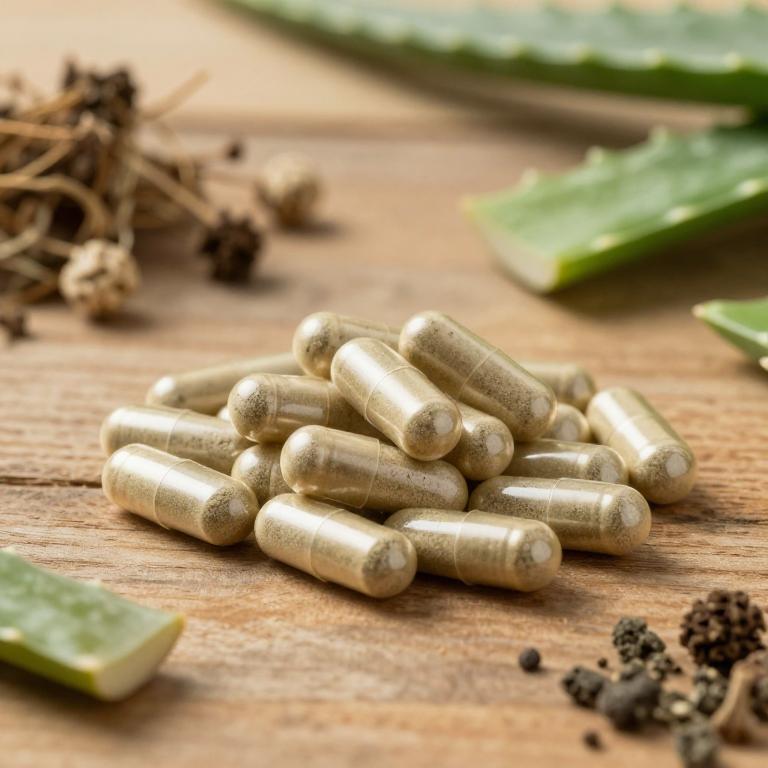
Aloe barbadensis herbal capsules are increasingly being explored for their potential benefits in oral health, particularly in the prevention and treatment of cavities.
These capsules contain a concentrated form of aloe vera, which is known for its antimicrobial and anti-inflammatory properties that may help reduce the presence of harmful bacteria in the mouth. Aloe vera can also promote the remineralization of tooth enamel by providing essential minerals like calcium and fluoride. Additionally, its soothing properties may help alleviate gum inflammation and irritation associated with dental issues.
While more research is needed to fully understand its efficacy, aloe barbadensis herbal capsules show promise as a natural supplement supporting overall dental health.
6. Ginger (Zingiber officinale)
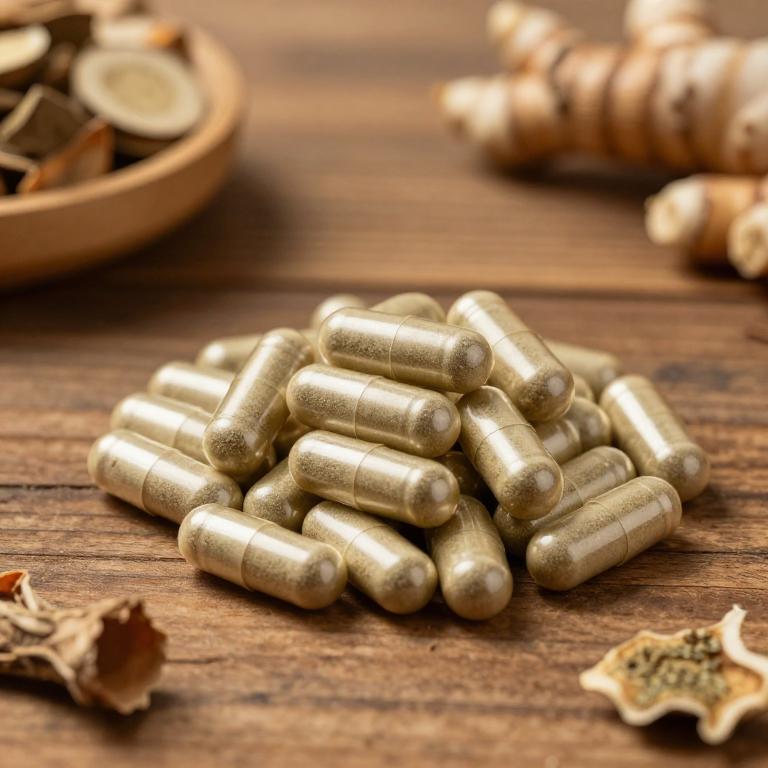
Zingiber officinale, commonly known as ginger, has been traditionally used for its anti-inflammatory and antimicrobial properties, making it a potential natural remedy for dental issues such as cavities.
Herbal capsules containing zingiber officinale may help reduce bacterial growth in the mouth, which is a primary cause of tooth decay. These capsules are often used as a complementary approach to conventional dental care, supporting oral hygiene routines. However, while ginger may offer some benefits, it should not replace professional dental treatment for cavities.
Further scientific research is needed to fully understand its efficacy and safety in treating dental caries.
7. Oregano (Origanum vulgare)
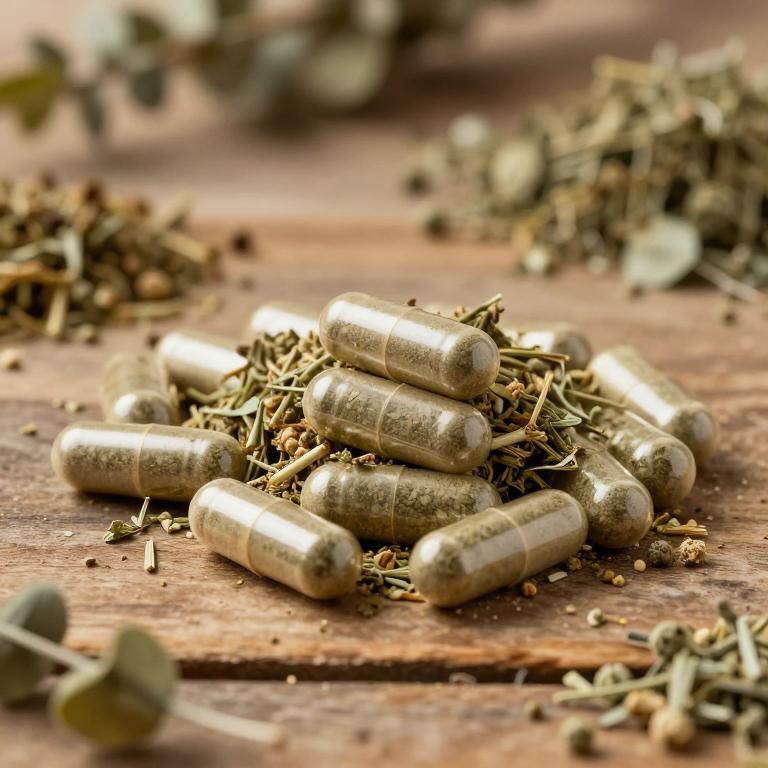
Oreganum vulgare, commonly known as oregano, has been traditionally used for its potent antimicrobial properties, making it a potential natural remedy for oral health issues such as cavities.
The essential oils in oregano, particularly carvacrol and thymol, exhibit strong antibacterial effects that can inhibit the growth of Streptococcus mutans, a primary contributor to dental caries. Herbal capsules containing Oreganum vulgare may help reduce plaque formation and prevent the progression of early tooth decay when used as part of a comprehensive oral hygiene routine. However, it is important to consult with a healthcare professional before using these supplements, especially for individuals with existing oral conditions or allergies.
While oregano may support oral health, it should not replace proper dental care, including regular brushing, flossing, and professional check-ups.
8. Cumin (Cuminum cyminum)

Cuminum cyminum, commonly known as cumin, is a herbal remedy that has been traditionally used for its various health benefits, including its potential role in oral health.
When formulated into herbal capsules, cumin may help in reducing dental plaque and preventing cavities due to its antimicrobial and anti-inflammatory properties. The essential oils in cumin, such as limonene and carvacrol, are believed to inhibit the growth of bacteria that cause tooth decay. Regular use of cumin-based herbal capsules may support gum health and reduce the risk of tooth decay when used as part of a comprehensive oral care routine.
However, it is important to consult a dentist or healthcare professional before relying solely on herbal remedies for cavity prevention.
9. Rosemary (Rosmarinus officinalis)
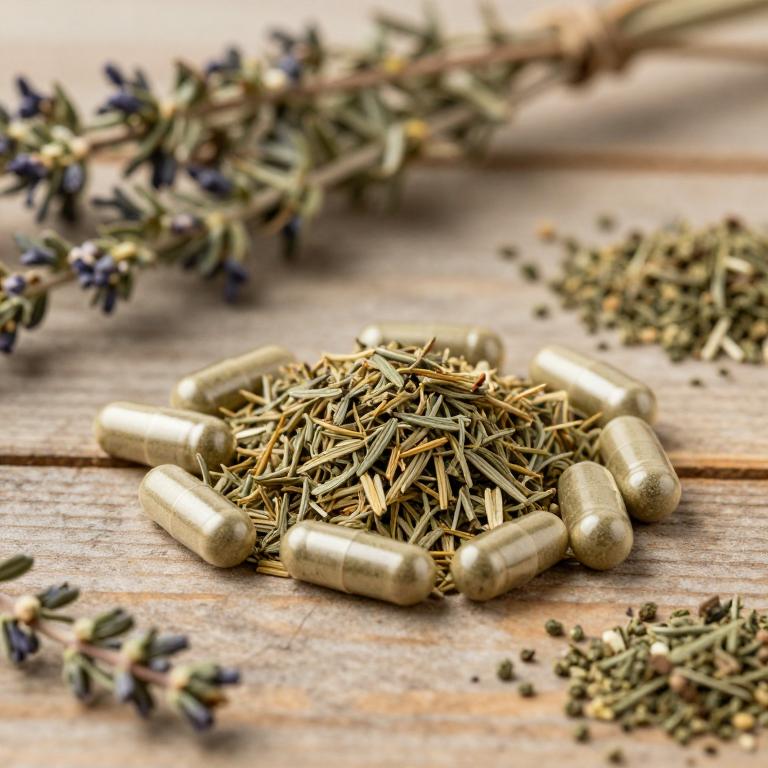
Rosmarinus officinalis, commonly known as rosemary, is a fragrant evergreen shrub that has been traditionally used for its aromatic and medicinal properties.
Rosemary herbal capsules are often formulated to support oral health by promoting gum strength and reducing inflammation, which can help in the prevention of cavities. The active compounds in rosemary, such as carnosic acid and rosmarinic acid, possess antimicrobial and antioxidant properties that may inhibit the growth of harmful bacteria in the mouth. These capsules are typically used as a complementary aid in dental care routines, especially for individuals seeking natural alternatives to conventional treatments.
While they may not replace professional dental care, rosemary herbal capsules can contribute to maintaining a healthy oral environment when used consistently.
10. Licorice (Glycyrrhiza glabra)

Glycyrrhiza glabra, commonly known as licorice root, has been traditionally used in herbal medicine for its anti-inflammatory and antimicrobial properties.
When formulated into capsules, glycyrrhiza glabra may offer potential benefits for oral health by helping to reduce inflammation and combat bacterial growth in cavities. The active compounds in licorice root, such as glycyrrhizin and flavonoids, have shown promise in inhibiting the proliferation of harmful oral bacteria. However, it is important to note that while some studies suggest its efficacy, more clinical research is needed to confirm its role in cavity prevention and treatment.
As with any herbal supplement, it should be used under the guidance of a healthcare professional to ensure safety and effectiveness.