10 Best Herbal Syrups For Burping
Herbal syrups for burping are natural remedies that combine soothing herbs with sweeteners to ease the discomfort of excess gas and bloating.
Common ingredients include fennel, ginger, and peppermint, which are known for their digestive benefits and ability to relax the muscles in the gastrointestinal tract. These syrups are often used to alleviate symptoms of indigestion, acid reflux, and gas-related discomfort without the use of harsh chemicals. They can be taken directly or mixed with water, making them a convenient option for daily use.
While generally safe, it's advisable to consult a healthcare professional before using herbal syrups, especially for prolonged periods or in combination with other medications.
Table of Contents
- 1. Fennel (Foeniculum vulgare)
- 2. Peppermint (Mentha piperita)
- 3. Cumin (Cuminum cyminum)
- 4. Black pepper (Piper nigrum)
- 5. Ginger (Zingiber officinale)
- 6. Rosemary (Rosmarinus officinalis)
- 7. Licorice (Glycyrrhiza glabra)
- 8. Ceylon cinnamon (Cinnamomum verum)
- 9. Thyme (Thymus vulgaris)
- 10. Caraway (Carum carvi)
1. Fennel (Foeniculum vulgare)
Foeniculum vulgare, commonly known as fennel, has been traditionally used in herbal syrups to alleviate symptoms of burping and digestive discomfort.
The essential oils in fennel, particularly anethol, are known for their carminative properties, which help reduce gas and ease bloating. When prepared as a syrup, fennel can be easily absorbed by the body, providing a soothing effect on the digestive system. It is often recommended for infants and adults experiencing frequent burping due to its mild and gentle nature.
However, it is important to consult a healthcare provider before use, especially for those with existing medical conditions or who are taking medications.
2. Peppermint (Mentha piperita)
Mentha piperita, commonly known as peppermint, is often used in herbal syrups to help alleviate symptoms of burping.
The cooling and soothing properties of peppermint can help relax the muscles in the digestive tract, reducing the frequency and intensity of burping. These syrups are typically made by combining peppermint oil or extract with sweeteners like honey or sugar to create a palatable formulation. They are often recommended for individuals experiencing excess gas or indigestion-related burping.
However, it is important to consult a healthcare provider before using peppermint syrups, especially for those with certain medical conditions or allergies.
3. Cumin (Cuminum cyminum)
Cuminum cyminum, commonly known as cumin, is often used in herbal syrups to help alleviate symptoms of burping.
This spice is believed to aid in digestion by stimulating the production of digestive enzymes and reducing gas buildup in the stomach. Herbal syrups containing cumin are typically prepared with honey or other natural sweeteners to enhance flavor and promote easy consumption. These syrups are particularly beneficial for individuals experiencing frequent burping due to indigestion or dietary indiscretion.
Regular use of cumin-based syrups may help soothe the digestive system and provide relief from discomfort associated with excessive burping.
4. Black pepper (Piper nigrum)
Piper nigrum, commonly known as black pepper, is often used in herbal syrups to help alleviate symptoms of burping.
The active compound, piperine, is believed to stimulate digestion and reduce gas buildup in the stomach, which can lead to burping. These syrups are typically made by combining ground black pepper with honey or other natural sweeteners to improve taste and solubility. While some people find relief from burping using black pepper syrup, it is important to consult a healthcare professional before use, especially for those with existing gastrointestinal conditions.
Overall, piper nigrum herbal syrups may offer a natural alternative for managing occasional burping, though their effectiveness can vary among individuals.
5. Ginger (Zingiber officinale)
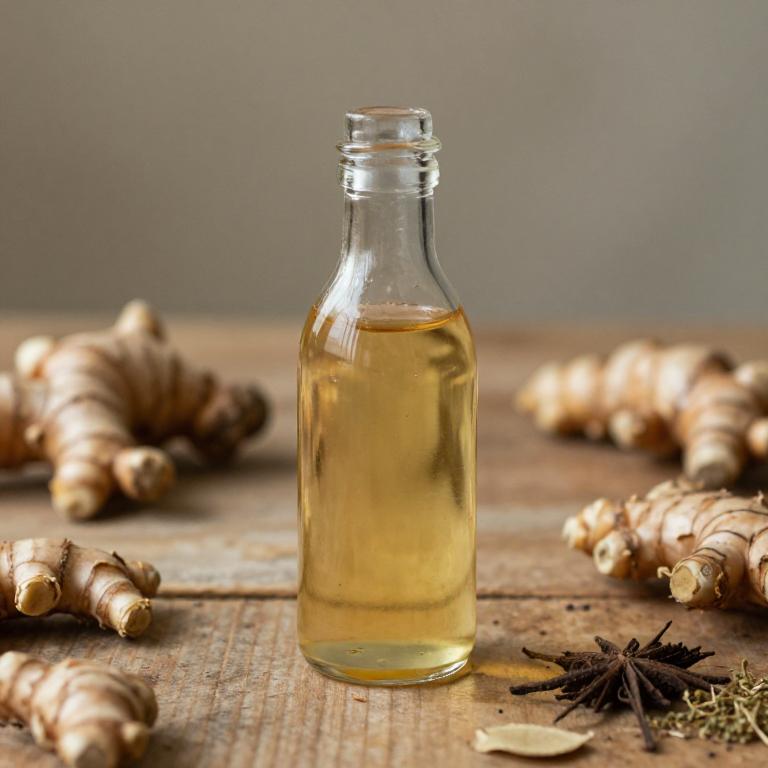
Zingiber officinale, commonly known as ginger, has been widely used for its digestive benefits, including the relief of burping.
Ginger herbal syrups are often formulated to soothe the stomach and reduce excess gas, making them a popular remedy for individuals experiencing frequent burping. These syrups typically contain concentrated ginger extract, which can help relax the lower esophageal sphincter and ease the passage of air. The anti-inflammatory and carminative properties of ginger may also help reduce the underlying causes of burping, such as indigestion or acid reflux.
When used as part of a holistic approach, ginger syrups can provide natural and effective relief for mild to moderate burping symptoms.
6. Rosemary (Rosmarinus officinalis)
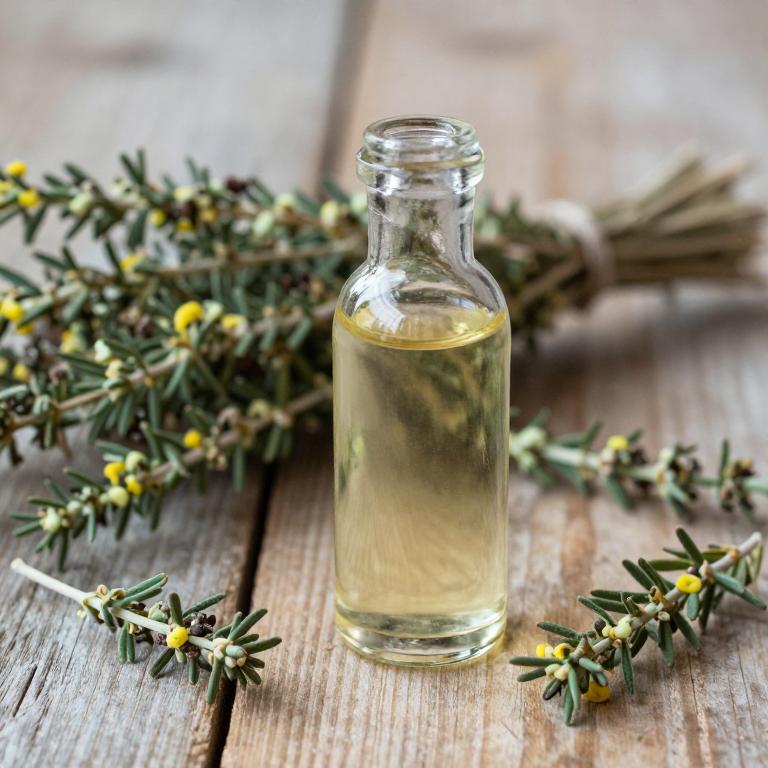
Rosmarinus officinalis, commonly known as rosemary, is often used in herbal syrups to help alleviate symptoms of burping due to its digestive and carminative properties.
These syrups are typically made by infusing rosemary leaves in a base of honey or sugar syrup, which enhances the herb's natural aroma and potency. The essential oils in rosemary, such as cineole and camphor, are believed to soothe the gastrointestinal tract and reduce excess gas, making it effective for those experiencing frequent burping. Many people find that taking a small amount of rosemary syrup before meals can help prevent the buildup of air in the stomach.
However, it is important to consult a healthcare professional before using rosemary syrups, especially for individuals with underlying health conditions or those taking medications.
7. Licorice (Glycyrrhiza glabra)
Glycyrrhiza glabra, commonly known as licorice root, has been traditionally used in herbal medicine for its soothing properties, and its syrup form is often recommended for relieving burping and indigestion.
The active compounds in licorice root, such as glycyrrhizin and flavonoids, help reduce inflammation in the digestive tract and soothe the lining of the stomach and esophagus. When used as a syrup, licorice root can help alleviate the discomfort associated with excessive burping by calming the gastrointestinal tract and reducing gas. However, long-term use of licorice syrup may lead to side effects such as hypertension due to its effects on sodium and potassium balance.
It is advisable to consult a healthcare provider before using licorice root syrup, especially for individuals with pre-existing health conditions or those taking other medications.
8. Ceylon cinnamon (Cinnamomum verum)

Cinnamomum verum, also known as true cinnamon, has been traditionally used in herbal syrups to alleviate symptoms of burping due to its warming and carminative properties.
The essential oils in cinnamon, particularly cinnamaldehyde, help to soothe the digestive tract and reduce the frequency of burping by relaxing the muscles in the gastrointestinal system. When prepared as a syrup, cinnamon can be easily absorbed by the body, making it a gentle and effective remedy for occasional digestive discomfort. This herbal syrup is often combined with other digestive herbs like ginger or fennel to enhance its efficacy.
However, it is important to consult a healthcare professional before use, especially for individuals with diabetes or those taking medications, as cinnamon can affect blood sugar levels and interact with certain drugs.
9. Thyme (Thymus vulgaris)
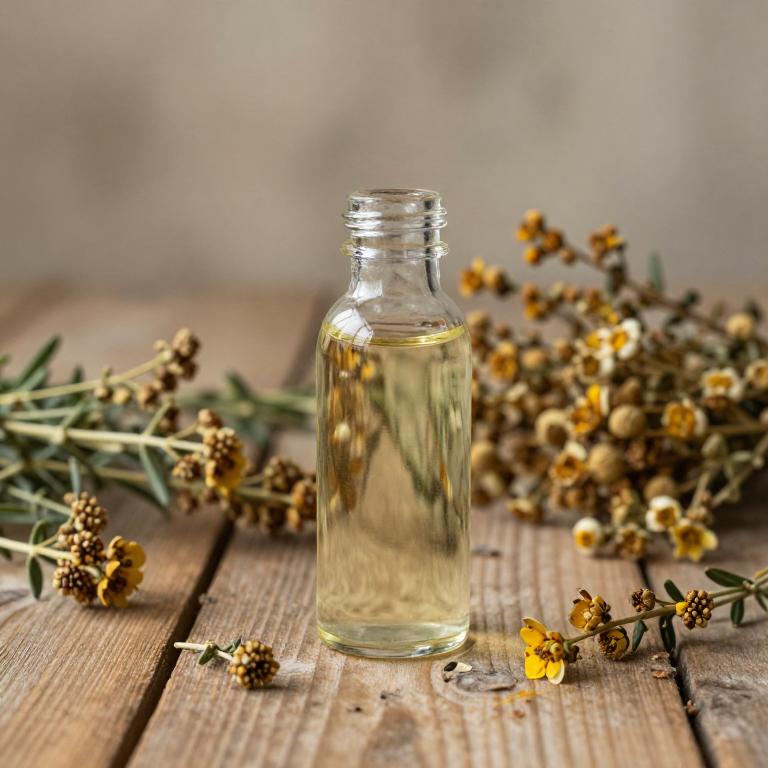
Thymus vulgaris, commonly known as thyme, is often used in herbal syrups to help alleviate symptoms of burping by soothing the digestive system.
The essential oils in thyme, particularly thymol, have antimicrobial properties that may help reduce gas and bloating, common causes of burping. When prepared as a syrup, thyme can be easily absorbed by the body and may provide a calming effect on the stomach lining. Herbal syrups containing thymus vulgaris are typically made with honey or glycerin as a base, enhancing their palatability and effectiveness.
However, individuals with allergies to thyme or other herbs should consult a healthcare professional before use.
10. Caraway (Carum carvi)
Carum carvi, commonly known as caraway, is a herb often used in the form of a syrup to help alleviate symptoms of burping.
This herbal syrup is believed to aid in digestion by stimulating the production of digestive enzymes and reducing gas buildup in the stomach. It is particularly beneficial for individuals who experience frequent burping due to indigestion or a sluggish digestive system. The soothing properties of caraway may also help ease discomfort associated with bloating and excess air in the stomach.
When taken as directed, carum carvi herbal syrup can be a natural and effective remedy for managing burping and promoting overall digestive wellness.