10 Best Herbal Lotions For Bruises
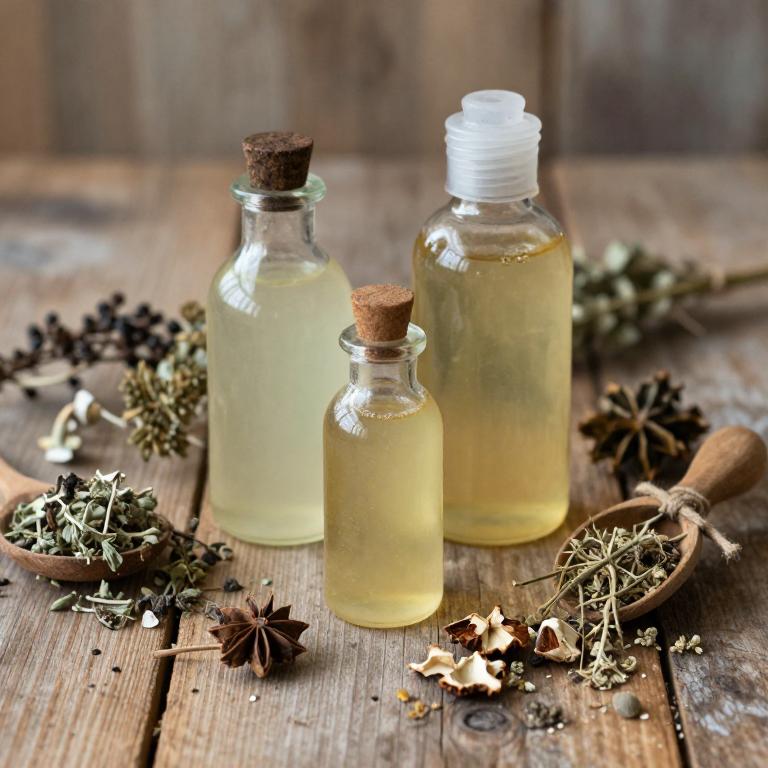
Herbal lotions for bruises are natural remedies that combine soothing herbs with moisturizing ingredients to help reduce inflammation and promote healing.
Common ingredients like calendula, chamomile, and arnica are known for their anti-inflammatory and antiseptic properties, making them effective for treating bruised skin. These lotions can be applied topically to the affected area several times a day to ease pain and speed up recovery. They are often preferred by individuals seeking alternatives to synthetic medications due to their gentle and holistic approach.
However, it is important to consult a healthcare professional before using herbal lotions, especially if the bruise is severe or accompanied by other symptoms.
Table of Contents
- 1. Dog rose (Rosa canina)
- 2. Stinging nettle (Urtica dioica)
- 3. St. john's wort (Hypericum perforatum)
- 4. Mountain arnica (Arnica montana)
- 5. Thistle (Silybum marianum)
- 6. Chamomile (Matricaria chamomilla)
- 7. Common grape (Vitis vinifera)
- 8. Marigold (Calendula officinalis)
- 9. English lavender (Lavandula angustifolia)
- 10. Echinacea (Echinacea purpurea)
1. Dog rose (Rosa canina)
Rosa canina, also known as rosehip, is a traditional herbal remedy commonly used in the formulation of herbal lotions for bruises due to its high concentration of essential fatty acids, vitamins, and antioxidants.
These nutrients help to reduce inflammation, promote skin regeneration, and enhance the healing process of bruised tissues. Rosa canina herbal lotions are often applied topically to the affected area to soothe pain and accelerate recovery. The anti-inflammatory and regenerative properties of rosehip oil make it particularly effective in minimizing the appearance of discoloration and swelling associated with bruises.
Many users report improved skin texture and a faster return to normal skin tone when using these natural remedies consistently.
2. Stinging nettle (Urtica dioica)
Urtica dioica, commonly known as stinging nettle, is often used in herbal lotions to help reduce the appearance of bruises by promoting circulation and reducing inflammation.
These lotions typically contain extracts of the plant, which are rich in antioxidants and minerals that support skin healing. When applied topically, the cooling effect of the lotion can provide immediate relief from the discomfort associated with bruising. The anti-inflammatory properties of stinging nettle may also help speed up the recovery process by encouraging the body’s natural healing mechanisms.
However, it is important to perform a patch test before use to ensure there is no allergic reaction to the herbal ingredients.
3. St. john's wort (Hypericum perforatum)
Hypericum perforatum, commonly known as St. John's Wort, is traditionally used in herbal lotions to support the healing of bruises.
These lotions are often formulated with extracts from the plant's dried flowers, which contain compounds like hyperforin and flavonoids that may help reduce inflammation and promote tissue repair. When applied topically, the lotion can help soothe the skin and potentially speed up the recovery process by improving blood circulation to the affected area. Many users report a reduction in bruising severity and faster fading when using St. John's Wort-based products consistently.
However, it is important to consult a healthcare provider before using these lotions, especially if you are on medications, as St. John's Wort can interact with certain drugs.
4. Mountain arnica (Arnica montana)
Arnica montana herbal lotions are commonly used to help alleviate the symptoms of bruises by promoting circulation and reducing inflammation.
These lotions contain a concentrated form of the Arnica montana plant, which is known for its anti-inflammatory and analgesic properties. When applied topically to the affected area, they may help speed up the healing process and reduce pain and swelling associated with bruising. However, it is important to note that Arnica montana should not be used on open wounds or broken skin, as it may cause irritation.
Always consult with a healthcare professional before using Arnica montana products, especially if you are pregnant, nursing, or taking other medications.
5. Thistle (Silybum marianum)
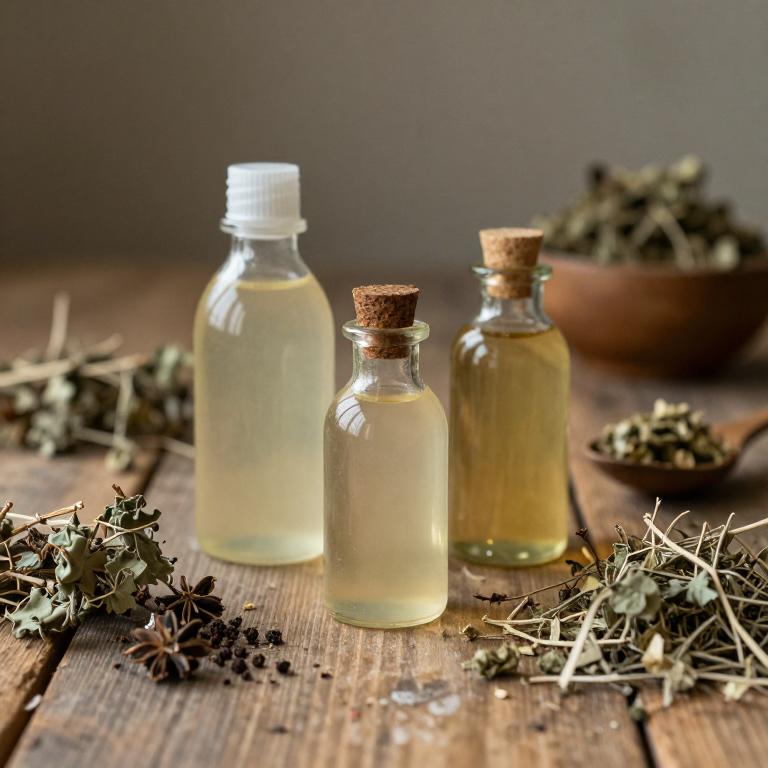
Silybum marianum, also known as milk thistle, is a herbal remedy that has been traditionally used for its potential healing properties.
When incorporated into herbal lotions, silybum marianum may help reduce inflammation and promote the healing of bruises by supporting tissue repair. These lotions often contain extracts rich in silymarin, a compound known for its antioxidant and anti-inflammatory effects. Applying such lotions to bruises can potentially accelerate recovery and reduce discoloration.
However, it is advisable to consult with a healthcare professional before using these products, especially for severe or persistent bruising.
6. Chamomile (Matricaria chamomilla)
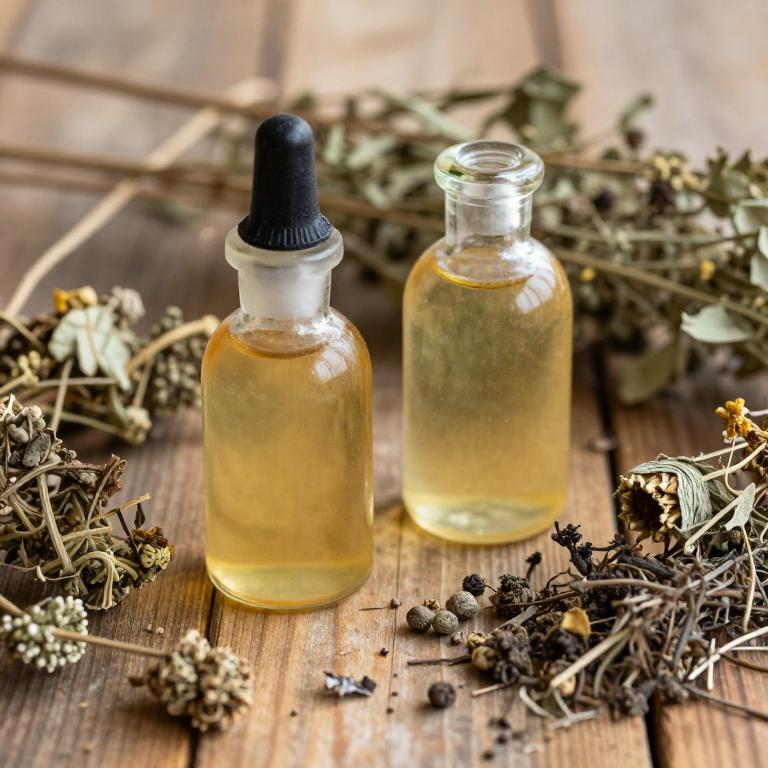
Matricaria chamomilla, commonly known as chamomile, is often used in herbal lotions to help alleviate the symptoms of bruises due to its anti-inflammatory and soothing properties.
These lotions typically contain a concentrated extract of chamomile flowers, which are rich in compounds like bisabolol and chamazulene that can reduce swelling and redness. Applying a chamomile lotion to a bruise can help promote healing by improving circulation and reducing pain. The gentle, calming nature of chamomile makes it suitable for use on sensitive skin, including that of children and adults.
Overall, chamomile herbal lotions offer a natural and effective remedy for the discomfort and appearance of bruises.
7. Common grape (Vitis vinifera)
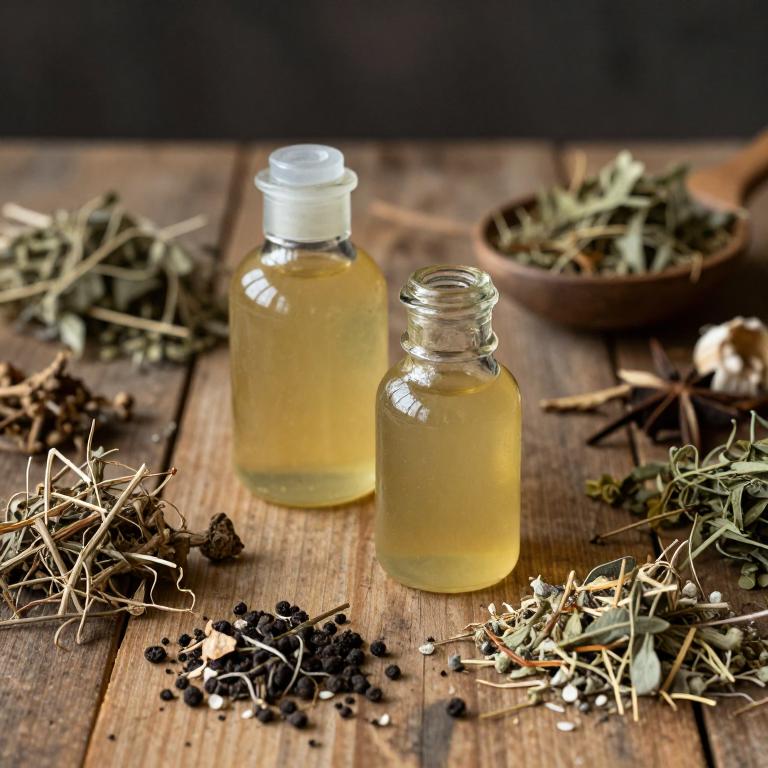
Vitis vinifera herbal lotions are formulated with extracts from the grapevine, known for their potential anti-inflammatory and antioxidant properties.
These lotions are often used topically to help reduce the appearance of bruises by promoting circulation and soothing inflammation. The active compounds in Vitis vinifera, such as resveratrol, may support skin healing and tissue repair. When applied to the affected area, these lotions can provide a cooling or warming sensation, which may enhance their therapeutic effect.
While not a substitute for medical treatment, Vitis vinifera herbal lotions are a natural option for those seeking gentle, alternative care for bruises.
8. Marigold (Calendula officinalis)
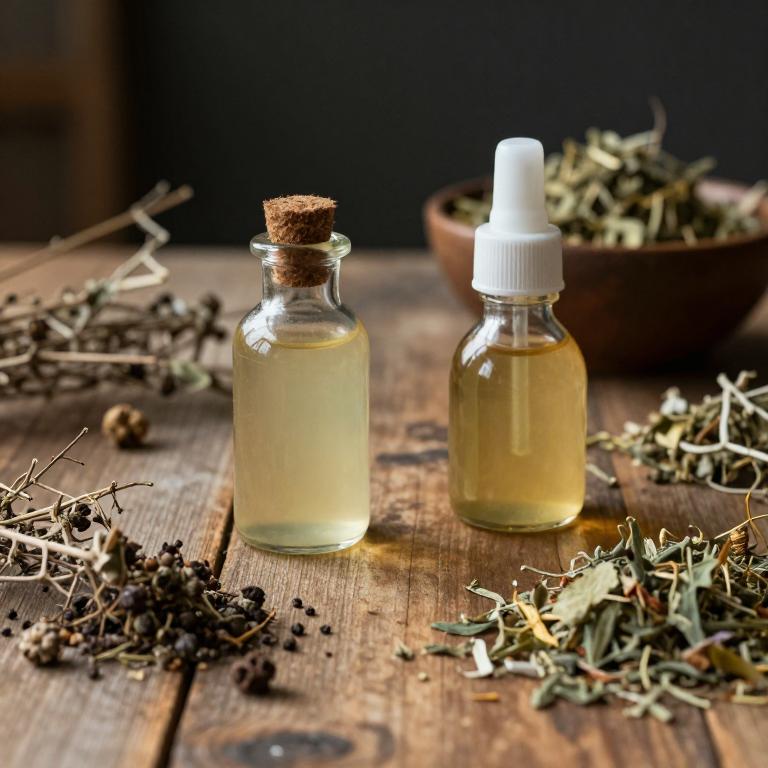
Calendula officinalis herbal lotions are traditionally used to support the healing of bruises due to their anti-inflammatory and soothing properties.
These lotions contain extracts from the calendula flower, which is known for its ability to promote skin regeneration and reduce redness. When applied topically, calendula officinalis lotions may help to ease the pain and swelling associated with bruising by improving circulation and reducing oxidative stress. They are often favored for their gentle formulation, making them suitable for use on sensitive skin.
While they are not a substitute for medical treatment, calendula-based lotions can be a valuable complementary remedy in the recovery process from minor injuries.
9. English lavender (Lavandula angustifolia)
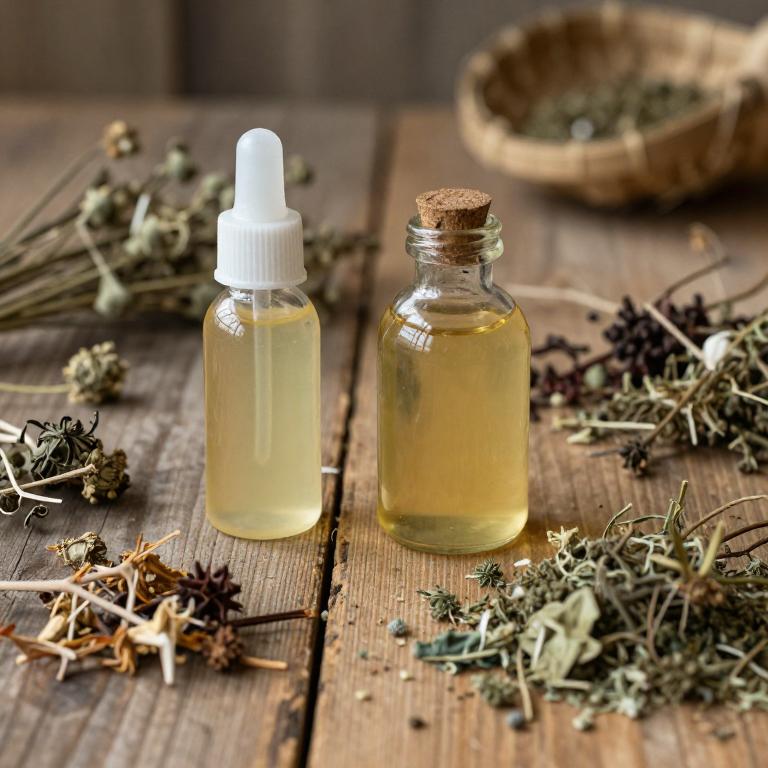
Lavandula angustifolia, commonly known as English lavender, is often used in herbal lotions for its soothing and anti-inflammatory properties.
These lotions typically contain essential oils derived from lavender flowers, which can help reduce swelling and promote healing of bruises. The calming aroma of lavender also has a relaxing effect, making it beneficial for both physical and emotional recovery. When applied topically, lavender-based lotions may help improve circulation and ease discomfort associated with bruising.
Due to its natural composition, lavender herbal lotion is a gentle and effective alternative for those seeking non-chemical remedies for bruises.
10. Echinacea (Echinacea purpurea)
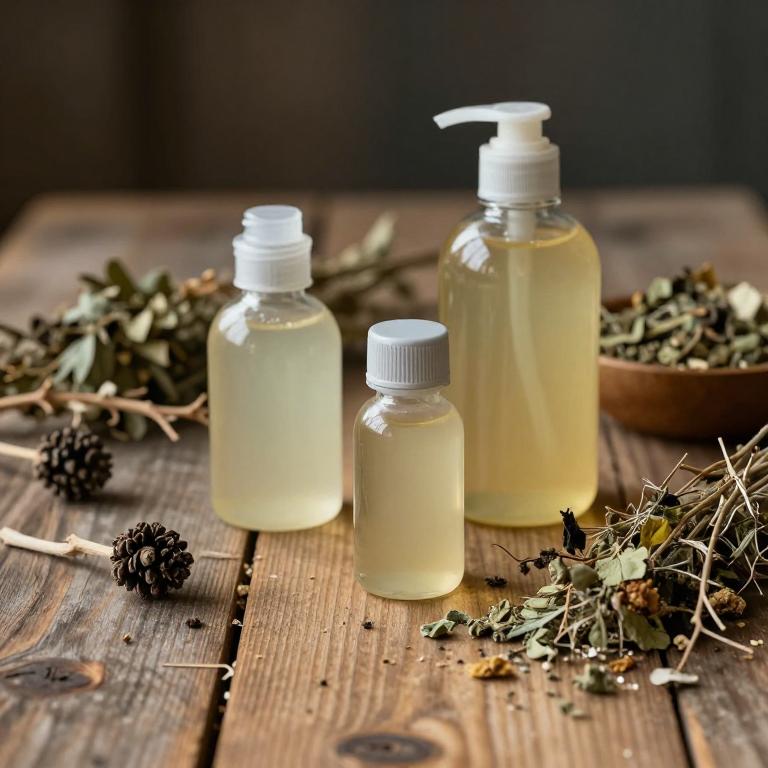
Echinacea purpurea, commonly known as purple coneflower, is often used in herbal lotions for its potential anti-inflammatory and healing properties.
These lotions are typically made by infusing the dried petals and roots of the plant into a carrier oil or water-based solution. While some people use echinacea-based products to reduce bruising and promote skin recovery, scientific evidence supporting its effectiveness for bruises is limited. The active compounds in echinacea, such as flavonoids and polysaccharides, may help soothe irritated skin and enhance the body's natural healing processes.
However, it is important to consult a healthcare professional before using echinacea lotions, especially for severe or persistent bruises.