10 Best Herbal Capsules For Bronchitis

Herbal capsules for bronchitis are natural remedies that contain a blend of plant-based ingredients traditionally used to support respiratory health.
Common herbs found in these capsules include eucalyptus, ginger, licorice root, and turmeric, which are believed to have anti-inflammatory and expectorant properties. These capsules are often preferred by individuals seeking alternative or complementary treatments to conventional medications. They may help alleviate symptoms such as coughing, mucus production, and chest discomfort associated with bronchitis.
However, it is important to consult a healthcare professional before using herbal capsules, especially if you have underlying health conditions or are taking other medications.
Table of Contents
- 1. Eucalyptus (Eucalyptus globulus)
- 2. Thyme (Thymus vulgaris)
- 3. Ginger (Zingiber officinale)
- 4. Chamomile (Matricaria chamomilla)
- 5. Ceylon cinnamon (Cinnamomum verum)
- 6. Stinging nettle (Urtica dioica)
- 7. Rosemary (Rosmarinus officinalis)
- 8. Peppermint (Mentha piperita)
- 9. Scots pine (Pinus sylvestris)
- 10. Chaste tree (Vitex agnus-castus)
1. Eucalyptus (Eucalyptus globulus)
Eucalyptus globulus, commonly known as the Australian eucalyptus, is widely used in herbal medicine for its expectorant and anti-inflammatory properties.
Herbal capsules containing eucalyptus globulus are often recommended for individuals suffering from bronchitis due to their ability to help loosen mucus and reduce airway irritation. These capsules are typically made from concentrated extracts of the plant's leaves, which contain active compounds like cineole and limonene. When taken as directed, eucalyptus globulus capsules may support respiratory health and ease symptoms such as coughing and congestion.
However, it is important to consult a healthcare professional before use, especially for those with existing medical conditions or taking other medications.
2. Thyme (Thymus vulgaris)
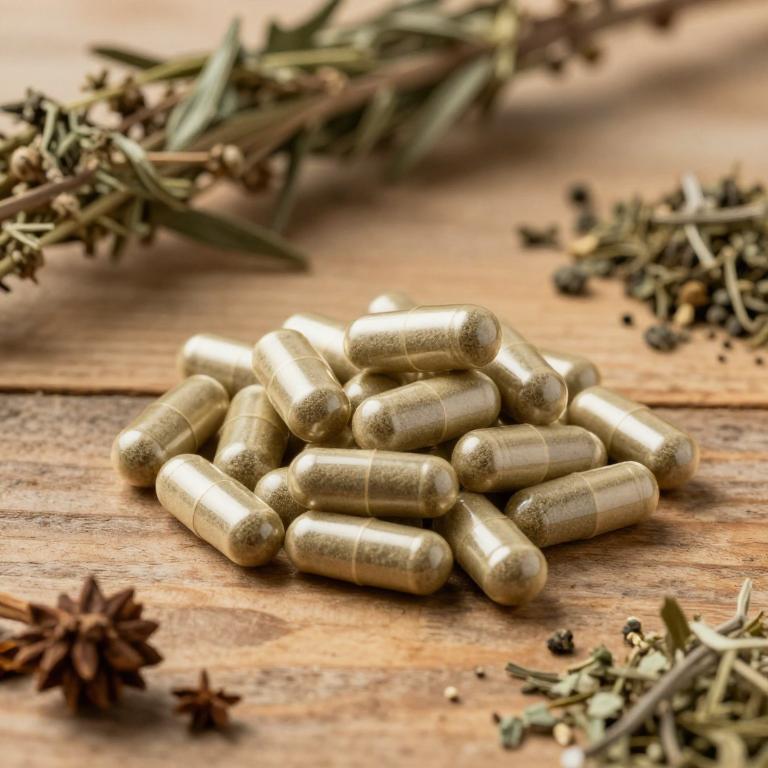
Thymus vulgaris herbal capsules, derived from the thyme plant, are commonly used to support respiratory health and alleviate symptoms of bronchitis.
These capsules contain essential oils and phytochemicals that possess antimicrobial, anti-inflammatory, and expectorant properties, which can help reduce mucus buildup and ease breathing. Thymus vulgaris is often incorporated into herbal formulations to enhance immune function and reduce the duration of bronchial infections. Due to its natural composition, it is considered a safer alternative to conventional bronchitis treatments for many individuals.
However, it is advisable to consult a healthcare professional before use, especially for those with existing medical conditions or taking other medications.
3. Ginger (Zingiber officinale)

Zingiber officinale, commonly known as ginger, has been traditionally used for its anti-inflammatory and bronchodilator properties, making it a potential natural remedy for bronchitis.
When formulated into herbal capsules, zingiber officinale may help reduce inflammation in the airways and ease breathing difficulties associated with chronic bronchitis. These capsules are often used as a complementary therapy to support respiratory health and may help alleviate symptoms such as coughing and mucus production. However, it is important to consult with a healthcare provider before using ginger capsules, especially for individuals with existing health conditions or those taking other medications.
While some studies suggest ginger's benefits for respiratory health, more research is needed to fully establish its efficacy in treating bronchitis.
4. Chamomile (Matricaria chamomilla)
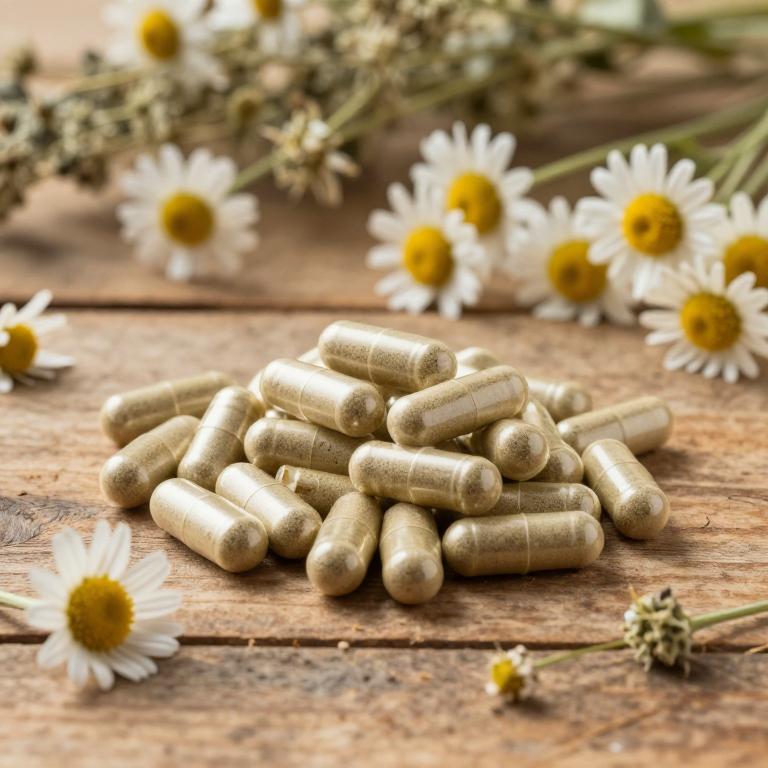
Matricaria chamomilla, commonly known as chamomile, is often used in herbal capsules to support respiratory health, including conditions like bronchitis.
These capsules typically contain standardized extracts of the flower heads, which are rich in flavonoids and essential oils that may help reduce inflammation and soothe irritated airways. Chamomile is believed to have antispasmodic and mild expectorant properties, which can aid in alleviating coughing and mucus buildup associated with bronchitis. While it is generally considered safe for short-term use, it should not replace prescribed medical treatments for chronic or severe bronchitis.
As with any herbal supplement, it is advisable to consult a healthcare professional before use, especially for individuals with allergies or those taking other medications.
5. Ceylon cinnamon (Cinnamomum verum)

Cinnamomum verum, also known as true cinnamon, is often used in herbal capsules for its potential anti-inflammatory and bronchodilatory properties, which may help alleviate symptoms of bronchitis.
These capsules are typically made from the bark of the Cinnamomum verum tree, which contains essential oils and compounds like cinnamic acid and eugenol. While some studies suggest that cinnamon may help reduce mucus production and ease respiratory discomfort, more research is needed to confirm its efficacy for bronchitis. Herbal capsules containing Cinnamomum verum are usually taken orally, and they may be used as a complementary therapy alongside conventional treatments.
However, individuals should consult with a healthcare provider before using cinnamon capsules, especially if they have allergies or are taking other medications.
6. Stinging nettle (Urtica dioica)

Urtica dioica, commonly known as stinging nettle, is a herbal remedy that has been traditionally used to support respiratory health.
Urtica dioica herbal capsules are often used to alleviate symptoms of bronchitis by reducing inflammation and mucus production in the airways. These capsules contain concentrated extracts of the plant, which are believed to have anti-inflammatory and antioxidant properties. They may help ease coughing, improve breathing, and reduce the duration of bronchitis symptoms when used as part of a holistic treatment plan.
However, it is important to consult with a healthcare professional before using urtica dioica capsules, especially if you have existing health conditions or are taking other medications.
7. Rosemary (Rosmarinus officinalis)
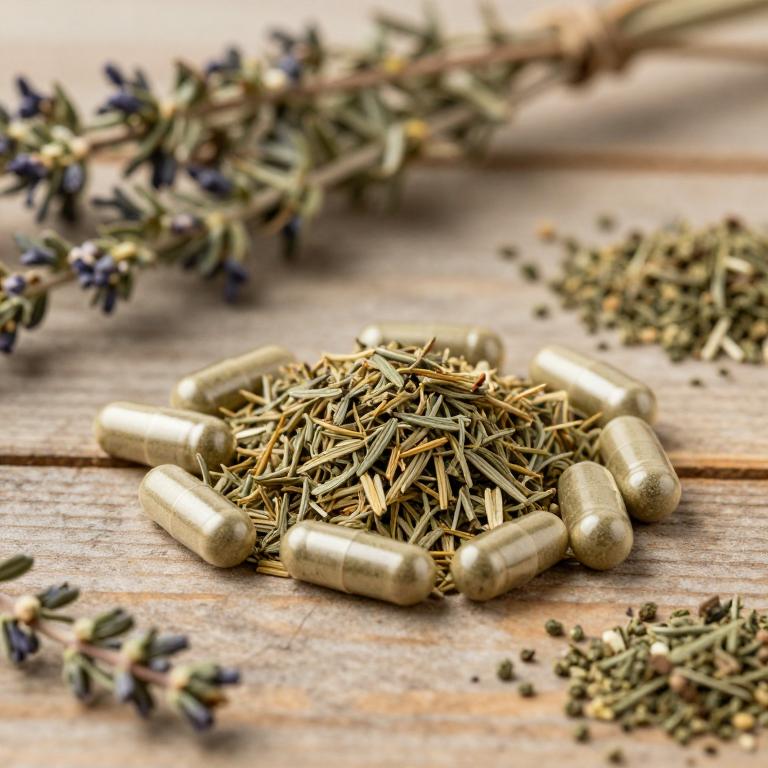
Rosmarinus officinalis, commonly known as rosemary, is a medicinal herb that has been traditionally used for its anti-inflammatory and antioxidant properties.
Rosemary herbal capsules are often recommended for individuals suffering from bronchitis due to their ability to support respiratory health and reduce inflammation in the airways. The essential oils in rosemary, such as cineole and camphor, may help to ease coughing and improve mucus clearance. These capsules are typically made from organic rosemary leaves and are free from artificial additives, making them a natural and safe option for many.
However, it is important to consult with a healthcare professional before using rosemary supplements, especially for those with existing medical conditions or who are taking other medications.
8. Peppermint (Mentha piperita)

Mentha piperita, commonly known as peppermint, is often used in herbal capsules to support respiratory health, particularly in managing symptoms of bronchitis.
These capsules contain concentrated extracts of the peppermint plant, which is known for its soothing and anti-inflammatory properties. Peppermint helps to ease coughing and clear mucus from the airways, making it a popular natural remedy for bronchial irritation. The essential oils in peppermint, such as menthol, can also provide a cooling effect that helps relieve chest congestion.
When used as part of a holistic treatment plan, mentha piperita herbal capsules may offer a gentle and effective way to support respiratory wellness.
9. Scots pine (Pinus sylvestris)

Pinus sylvestris, commonly known as Scots pine, has been traditionally used in herbal medicine for its potential respiratory benefits, including support for conditions like bronchitis.
The herbal capsules derived from this tree contain essential oils and bioactive compounds such as alpha-pinene and beta-pinene, which are believed to have anti-inflammatory and expectorant properties. These compounds may help alleviate symptoms such as coughing, mucus congestion, and inflammation in the airways. Pinus sylvestris herbal capsules are often used as a natural complement to conventional treatments for chronic bronchitis, though they should be taken under the guidance of a healthcare professional.
Due to their potential therapeutic effects, they are increasingly being explored as a supportive remedy in respiratory health management.
10. Chaste tree (Vitex agnus-castus)
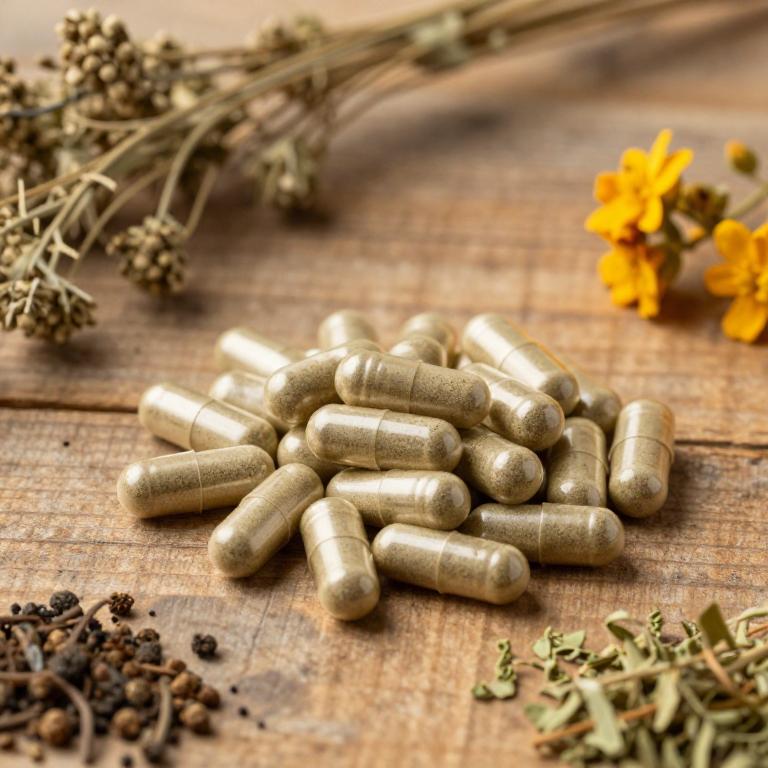
Vitex agnus-castus, commonly known as chaste tree, has been traditionally used for its potential therapeutic effects on respiratory conditions, including bronchitis.
While it is not a primary treatment for bronchitis, some herbal formulations containing Vitex agnus-castus may support respiratory health by reducing inflammation and promoting mucus clearance. These herbal capsules are often used as complementary therapy alongside conventional treatments, such as bronchodilators or corticosteroids. The active compounds in Vitex agnus-castus, such as flavonoids and iridoids, may help soothe the airways and alleviate symptoms like coughing and congestion.
However, it is important to consult a healthcare professional before using these capsules, especially for individuals with chronic bronchitis or those taking other medications.