10 Best Herbal Lotions For Shortness Of Breath
Herbal lotions are natural topical treatments that may offer relief for individuals experiencing shortness of breath by promoting relaxation and reducing inflammation in the respiratory system.
Certain herbs such as eucalyptus, lavender, and peppermint are commonly used in these lotions due to their soothing and decongestant properties. When applied to the chest or upper back, these lotions can help open airways and ease breathing, though they are not a substitute for medical treatment. While some people find them beneficial for mild respiratory discomfort, it is important to consult a healthcare professional before using herbal remedies for persistent or severe shortness of breath.
Overall, herbal lotions can complement conventional treatments but should be used with caution and under proper guidance.
Table of Contents
- 1. Rosemary (Rosmarinus officinalis)
- 2. Eucalyptus (Eucalyptus globulus)
- 3. Peppermint (Mentha piperita)
- 4. Stinging nettle (Urtica dioica)
- 5. Salvia (Salvia officinalis)
- 6. Echinacea (Echinacea purpurea)
- 7. English lavender (Lavandula angustifolia)
- 8. Wormwood (Artemisia absinthium)
- 9. Chaste tree (Vitex agnus-castus)
- 10. Catnip (Nepeta cataria)
1. Rosemary (Rosmarinus officinalis)
Rosmarinus officinalis, commonly known as rosemary, is often used in herbal lotions for its potential respiratory benefits.
These lotions may help alleviate symptoms of shortness of breath by promoting circulation and reducing inflammation in the airways. The essential oils in rosemary have been traditionally used to support respiratory health and ease breathing difficulties. When applied topically, rosemary lotions may help open up air passages and soothe irritation.
However, it is important to consult a healthcare professional before using rosemary products, especially for individuals with severe respiratory conditions.
2. Eucalyptus (Eucalyptus globulus)
Eucalyptus globulus, commonly known as blue gum eucalyptus, is often used in herbal lotions for its potential respiratory benefits.
These lotions typically contain essential oils derived from the leaves of the plant, which are believed to have anti-inflammatory and decongestant properties. When applied topically, they may help alleviate symptoms of shortness of breath by promoting clearer airways and reducing mucus buildup. However, it is important to note that while some people find relief using these products, they should not replace medical treatment for severe respiratory conditions.
Always consult a healthcare professional before using eucalyptus-based products, especially for individuals with asthma or other lung diseases.
3. Peppermint (Mentha piperita)
Mentha piperita, commonly known as peppermint, is often used in herbal lotions to help alleviate symptoms of shortness of breath.
These lotions typically contain peppermint oil, which has a cooling and stimulating effect that can help open up airways and ease respiratory discomfort. When applied topically to the chest or throat, the menthol in peppermint can provide a soothing sensation that may reduce the feeling of breathlessness. However, it is important to consult a healthcare professional before using such remedies, especially for individuals with underlying respiratory conditions.
While some people find relief from peppermint herbal lotions, they should not replace medical treatment for severe or persistent shortness of breath.
4. Stinging nettle (Urtica dioica)
Urtica dioica, commonly known as stinging nettle, has been traditionally used in herbal medicine for its potential respiratory benefits.
Some herbal lotions containing urtica dioica are believed to help alleviate symptoms of shortness of breath by reducing inflammation and supporting bronchial health. These lotions are often applied topically to the chest and throat areas, where they may help ease breathing through localized anti-inflammatory effects. While there is limited scientific research on their efficacy for shortness of breath, many users report a sense of relief after regular use.
As with any herbal remedy, it is important to consult a healthcare professional before using urtica dioica lotions, especially for individuals with pre-existing respiratory conditions.
5. Salvia (Salvia officinalis)
Salvia officinalis, commonly known as sage, has been traditionally used in herbal medicine for its potential respiratory benefits.
Some herbal lotions infused with sage are believed to help alleviate symptoms of shortness of breath by promoting clearer airways and reducing inflammation. These lotions may work by supporting the body's natural detoxification processes and improving lung function. However, it is important to note that while sage has historical use, scientific evidence for its effectiveness in treating shortness of breath is limited.
As with any herbal remedy, it should be used under the guidance of a healthcare professional to ensure safety and appropriateness for individual health conditions.
6. Echinacea (Echinacea purpurea)
Echinacea purpurea, commonly known as purple coneflower, is often used in herbal remedies for its immune-boosting properties.
While it is traditionally associated with colds and respiratory infections, some herbal formulations incorporate echinacea purpurea into lotions for its potential anti-inflammatory and soothing effects. These lotions may be applied topically to the chest or throat area to help alleviate symptoms of shortness of breath by reducing inflammation and promoting respiratory comfort. However, it is important to note that echinacea purpurea lotions are not a substitute for medical treatment and should be used under the guidance of a healthcare professional.
Further research is needed to fully understand its efficacy in managing respiratory symptoms.
7. English lavender (Lavandula angustifolia)
Lavandula angustifolia, commonly known as English lavender, is often used in herbal lotions for its calming and respiratory benefits.
These lotions can help alleviate shortness of breath by promoting relaxation and reducing anxiety, which are common contributors to breathing difficulties. The essential oils in lavender have anti-inflammatory properties that may soothe airway irritation and improve lung function. When applied topically, lavender lotions can provide a soothing effect on the chest and throat, supporting easier breathing.
While not a substitute for medical treatment, lavender herbal lotions can be a complementary aid in managing symptoms of shortness of breath.
8. Wormwood (Artemisia absinthium)
Artemisia absinthium, commonly known as wormwood, has been traditionally used in herbal remedies for its potential respiratory benefits.
Herbal lotions made from artemisia absinthium may help alleviate symptoms of shortness of breath by acting as a mild expectorant and bronchodilator. These lotions are often applied topically to the chest and back to provide a soothing effect and promote easier breathing. While they are not a substitute for medical treatment, some individuals find relief from chronic respiratory conditions using these natural preparations.
It is important to consult with a healthcare professional before using artemisia-based products, especially for those with existing health conditions or who are taking medications.
9. Chaste tree (Vitex agnus-castus)
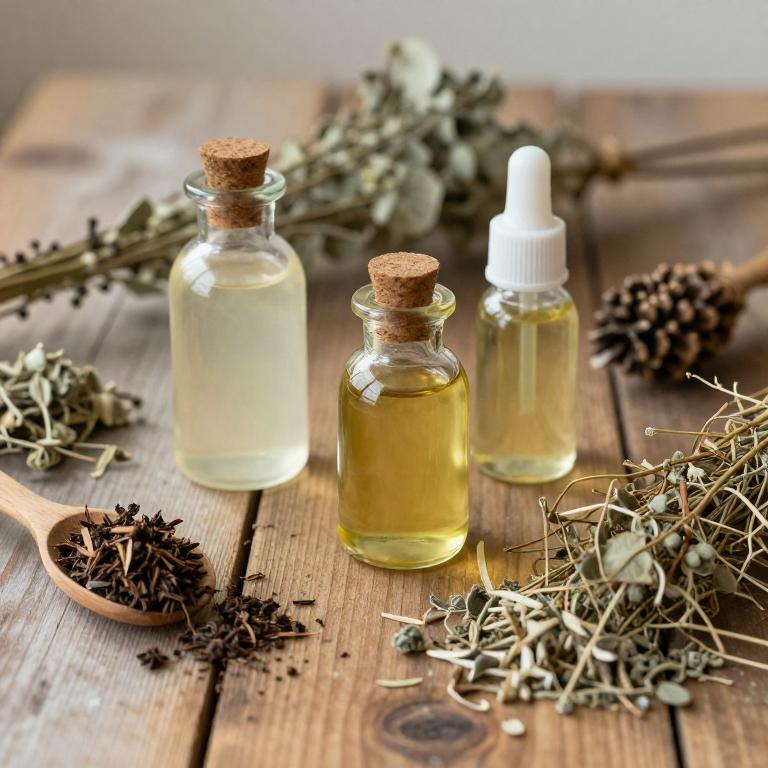
Vitex agnus-castus, commonly known as chaste tree, has been traditionally used in herbal medicine for its potential benefits in hormonal balance and emotional well-being.
Herbal lotions made from vitex may help support respiratory function by reducing inflammation and easing bronchial spasms, which can contribute to shortness of breath. These lotions are often applied topically to the chest and throat area, where they may provide a soothing effect and promote relaxation of the respiratory muscles. While not a substitute for medical treatment, vitex-based lotions may offer complementary relief for individuals experiencing mild respiratory discomfort.
As with any herbal remedy, it is advisable to consult a healthcare professional before use, especially for those with chronic respiratory conditions.
10. Catnip (Nepeta cataria)
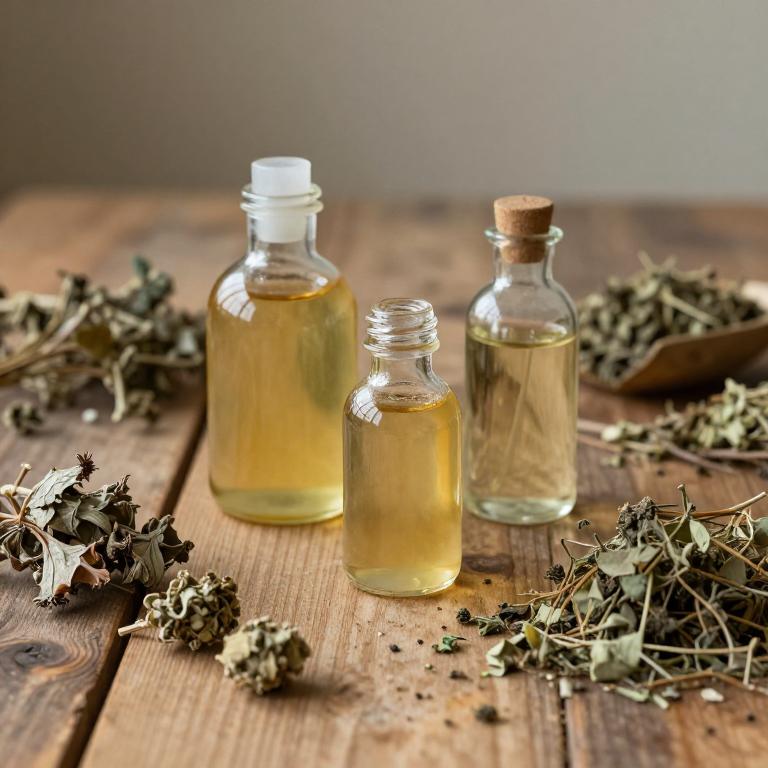
Nepeta cataria, commonly known as catnip, has been traditionally used in herbal remedies for its calming properties.
Some herbal lotions containing nepeta cataria are believed to help alleviate symptoms of shortness of breath by promoting relaxation and reducing anxiety, which can exacerbate breathing difficulties. These lotions are typically applied topically to the chest or back, where they may provide a soothing effect. While there is limited scientific evidence supporting their effectiveness for respiratory issues, many users report a sense of relief.
It is important to consult a healthcare professional before using any herbal remedies, especially for conditions like shortness of breath.