10 Best Herbal Syrups For Nipple Pain During Breastfeeding
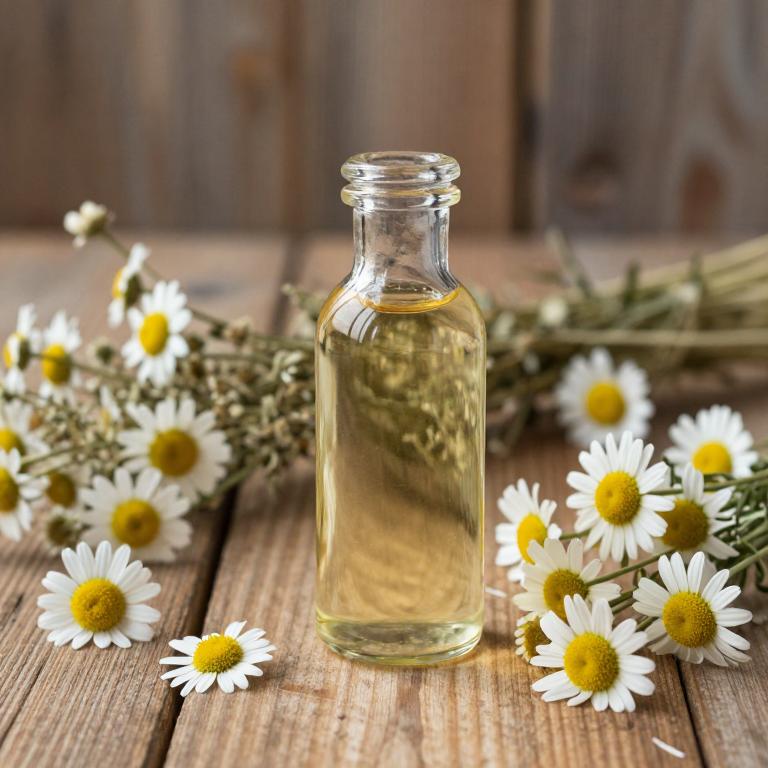
Herbal syrups can be a natural and soothing option for mothers experiencing nipple pain during breastfeeding, offering a gentle alternative to traditional pain relievers.
These syrups often contain ingredients like calendula, chamomile, and evening primrose oil, which are known for their anti-inflammatory and healing properties. When applied topically or ingested as directed, they may help reduce inflammation, promote tissue repair, and alleviate discomfort. It is important to choose a product that is safe for nursing mothers and consult with a healthcare provider before use to ensure it does not interfere with breastfeeding.
While herbal syrups can provide relief, they should be used as part of a comprehensive approach that includes proper latch techniques and lactation support.
Table of Contents
- 1. Chamomile (Matricaria chamomilla)
- 2. Stinging nettle (Urtica dioica)
- 3. English lavender (Lavandula angustifolia)
- 4. St. john's wort (Hypericum perforatum)
- 5. Echinacea (Echinacea purpurea)
- 6. Blessed thistle (Cnicus benedictus)
- 7. Dog rose (Rosa canina)
- 8. Marigold (Calendula officinalis)
- 9. Chaste tree (Vitex agnus-castus)
- 10. Thistle (Silybum marianum)
1. Chamomile (Matricaria chamomilla)
Matricaria chamomilla, commonly known as chamomile, is often used in herbal syrups to alleviate nipple pain during breastfeeding.
This herbal remedy is believed to have anti-inflammatory and analgesic properties that can help reduce discomfort and promote healing of the nipples. Chamomile syrup is typically made by steeping dried chamomile flowers in a base of honey or sugar syrup, making it easy to consume. Many nursing mothers find relief from nipple soreness by using small amounts of this syrup after each feeding.
However, it is important to consult with a healthcare provider before using any herbal remedies, especially while breastfeeding, to ensure safety and appropriateness for both mother and baby.
2. Stinging nettle (Urtica dioica)
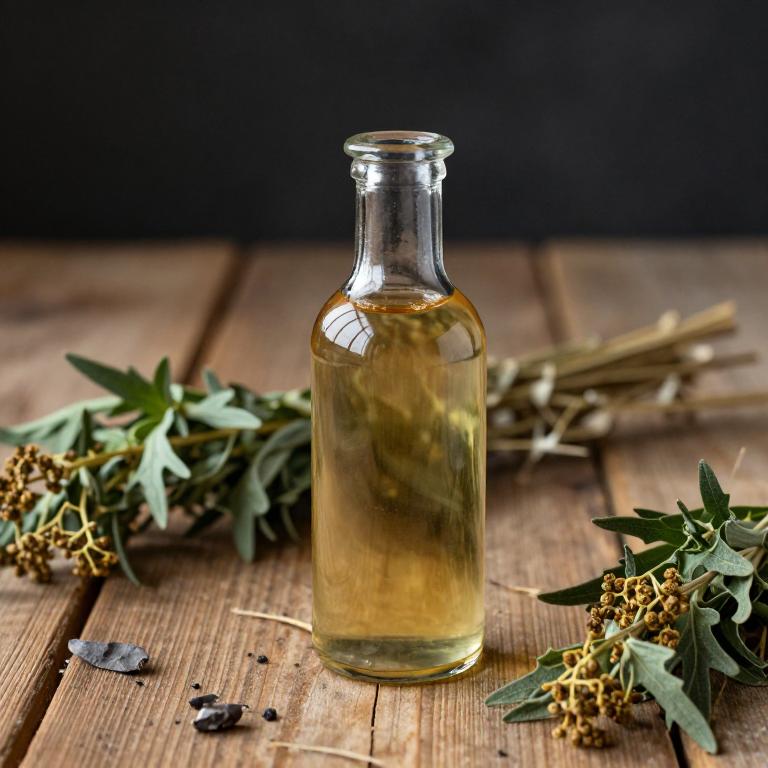
Urtica dioica, commonly known as stinging nettle, has been traditionally used in herbal medicine for its anti-inflammatory and soothing properties.
When prepared as a syrup, it can be used to alleviate nipple pain during breastfeeding by reducing inflammation and promoting healing of the skin. The syrup is typically made by harvesting the leaves, drying them, and then extracting the nutrients through a process that preserves their medicinal compounds. Breastfeeding mothers may find relief by applying the syrup topically to their nipples after each feeding, though it is important to consult with a healthcare provider before use.
While some studies suggest potential benefits, more research is needed to fully understand its efficacy and safety in this specific context.
3. English lavender (Lavandula angustifolia)
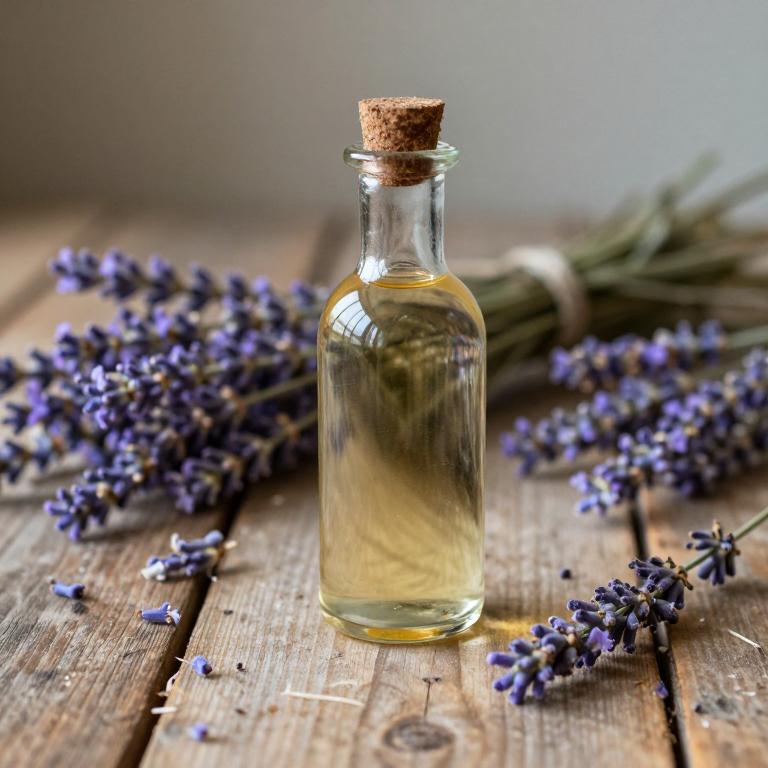
Lavandula angustifolia, commonly known as English lavender, has been traditionally used for its calming and healing properties.
Herbal syrups made from lavender are increasingly being explored for their potential to alleviate nipple pain during breastfeeding. The soothing properties of lavender may help reduce inflammation and promote healing of cracked or sore nipples. These syrups can be applied topically or ingested in small amounts, though it is important to consult a healthcare provider before use.
While more research is needed, some mothers report relief from using lavender-based remedies as part of a holistic approach to managing breastfeeding discomfort.
4. St. john's wort (Hypericum perforatum)
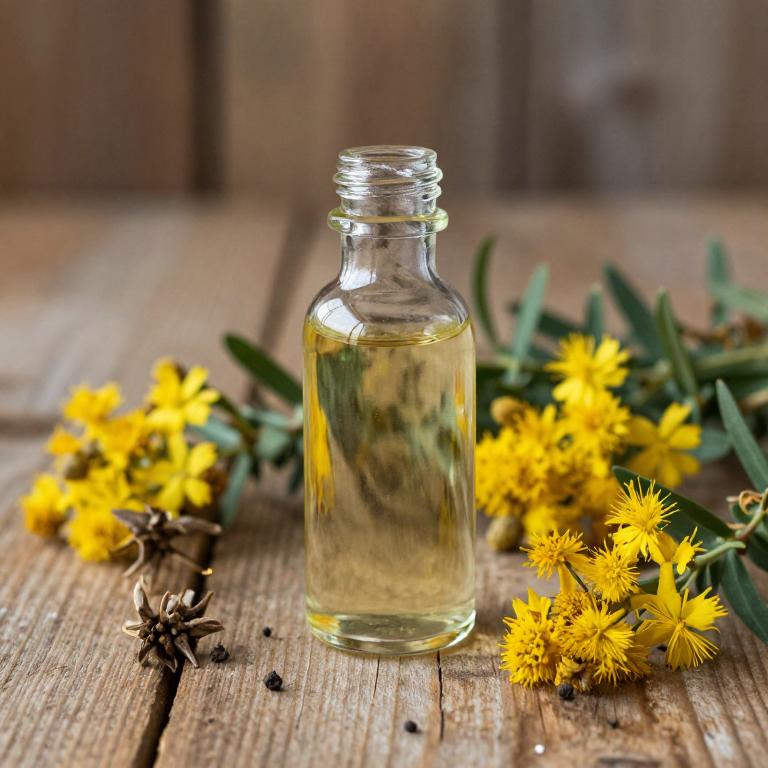
Hypericum perforatum, commonly known as St. John's wort, has been traditionally used for its potential anti-inflammatory and analgesic properties, which may offer relief for nipple pain during breastfeeding.
When prepared as a herbal syrup, it can be applied topically to the affected area to soothe irritation and reduce inflammation caused by nipple trauma. However, it is important to note that St. John's wort can interact with certain medications, so nursing mothers should consult with a healthcare provider before use. The syrup is typically made by steeping the dried herb in alcohol or glycerin, and it is often diluted before application to minimize skin irritation.
While some mothers find it beneficial, individual responses may vary, and it should not replace professional medical advice or treatment for persistent breastfeeding pain.
5. Echinacea (Echinacea purpurea)
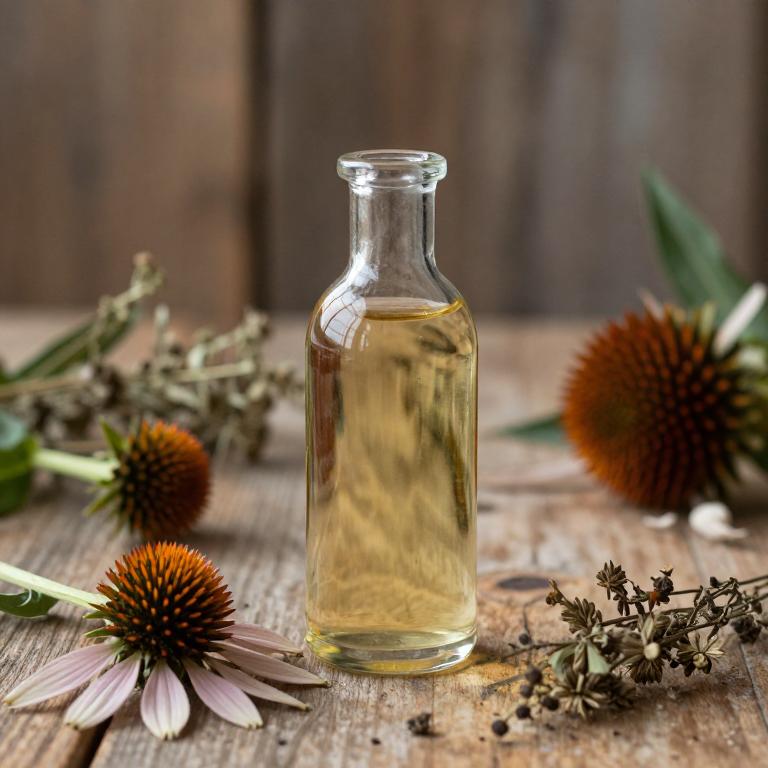
Echinacea purpurea herbal syrups are sometimes used by breastfeeding mothers to alleviate nipple pain, though their effectiveness for this specific use is not well-supported by clinical evidence.
These syrups are traditionally believed to have anti-inflammatory and immune-boosting properties that may help reduce discomfort and promote healing of cracked or sore nipples. However, it is important to consult with a healthcare provider before using echinacea, as it may interact with certain medications or affect milk supply in some cases. While some mothers report relief from using echinacea syrups, more research is needed to confirm its safety and efficacy during breastfeeding.
As an alternative, applying lanolin, using a breast pump, or adjusting latching technique are often recommended first steps for managing nipple pain.
6. Blessed thistle (Cnicus benedictus)
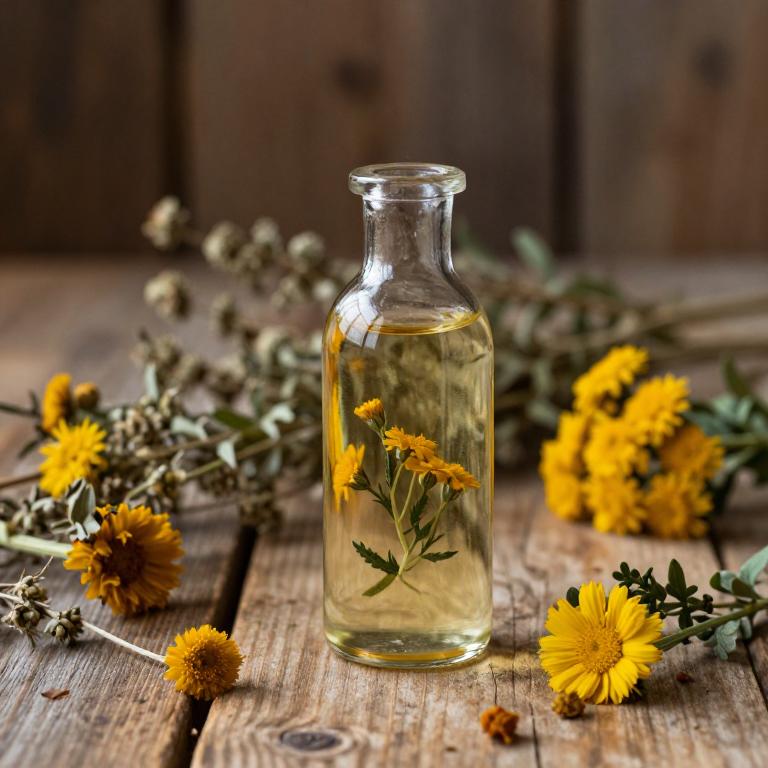
Cnicus benedictus, commonly known as St. John's Wort, has been traditionally used in herbal syrups to alleviate nipple pain during breastfeeding.
The active compounds in the plant, such as hypericin and flavonoids, are believed to possess anti-inflammatory and analgesic properties that may help reduce discomfort and promote healing of sore nipples. When prepared as a syrup, Cnicus benedictus can be applied topically to the affected area after breastfeeding to soothe irritation and prevent infection. However, it is important to note that the use of this herb during lactation should be discussed with a healthcare provider, as it may interact with certain medications.
Despite its traditional use, scientific evidence supporting its efficacy for nipple pain remains limited, and it should not replace professional medical advice or treatment.
7. Dog rose (Rosa canina)
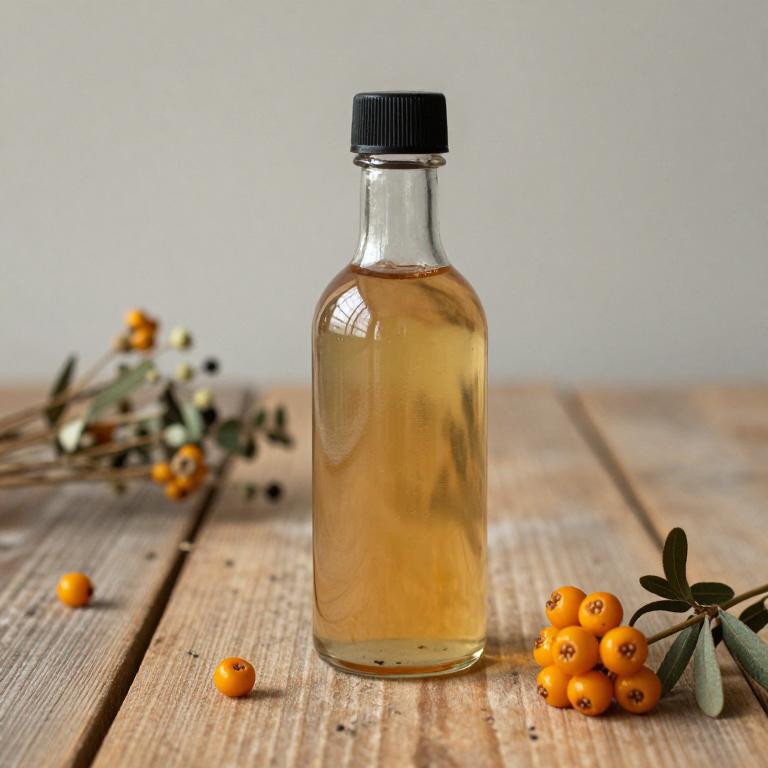
Rosa canina, also known as rosehip, is a herbal remedy that has been traditionally used to support lactation and alleviate discomfort during breastfeeding.
Rosa canina herbal syrups are commonly recommended for women experiencing nipple pain due to their high content of essential nutrients like vitamin C, omega-3 fatty acids, and antioxidants. These nutrients help reduce inflammation, promote tissue repair, and enhance milk production, making the syrup a valuable supplement during the postpartum period. The syrup is typically made from dried rosehips and is available in various formulations, often combined with other herbs like fennel or fenugreek for additional benefits.
When used as directed, Rosa canina syrup can provide natural relief and support overall breast health, though it is advisable to consult a healthcare provider before starting any new herbal supplement.
8. Marigold (Calendula officinalis)
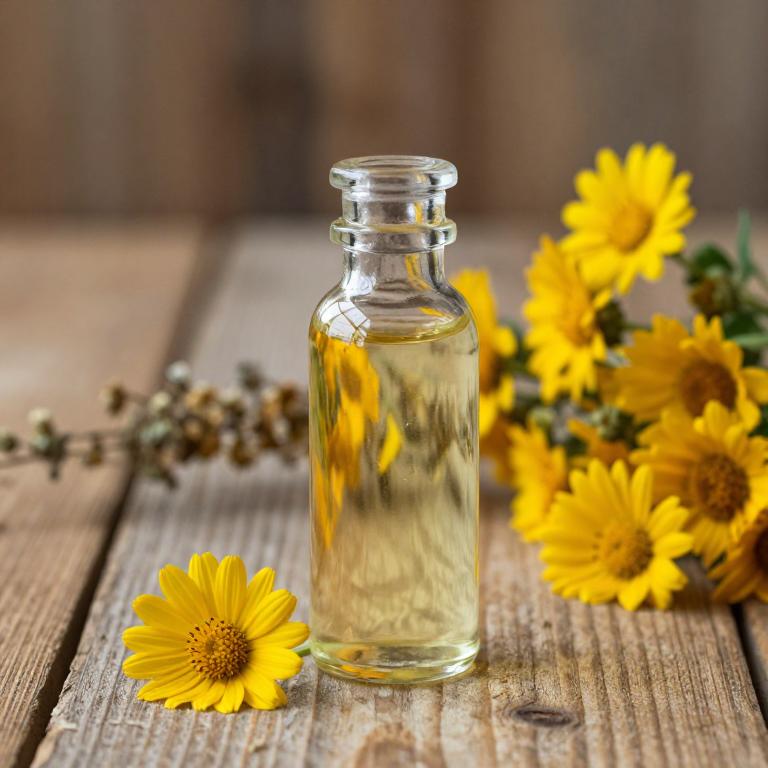
Calendula officinalis herbal syrups are commonly used to alleviate nipple pain during breastfeeding due to their anti-inflammatory and soothing properties.
These syrups contain extracts from the Calendula flower, which have been traditionally valued for their ability to reduce irritation and promote healing of the skin. When applied topically or taken internally, calendula may help ease the discomfort associated with cracked or sore nipples by moisturizing and protecting the breast skin. However, it is important to consult with a healthcare provider before using any herbal remedies, especially during breastfeeding, to ensure safety for both mother and baby.
While some studies suggest potential benefits, more research is needed to fully understand the efficacy and long-term effects of calendula syrups in this context.
9. Chaste tree (Vitex agnus-castus)
Vitex agnus-castus, commonly known as chaste tree berry, has been traditionally used to support hormonal balance and may help alleviate nipple pain during breastfeeding.
Herbal syrups containing vitex are often recommended for women experiencing breast engorgement, mastitis, or general discomfort due to their potential anti-inflammatory and soothing properties. These syrups are typically made from standardized extracts of the plant, ensuring consistent potency and effectiveness. While they are generally considered safe, it is important to consult a healthcare provider before use, especially for those with existing medical conditions or taking other medications.
Overall, vitex herbal syrup can be a natural and supportive option for managing nipple pain and promoting overall breast health during lactation.
10. Thistle (Silybum marianum)
Silybum marianum, also known as milk thistle, is a herbal remedy that has been traditionally used to support liver health and may have anti-inflammatory properties.
Some studies suggest that its active compound, silymarin, might help reduce inflammation and promote tissue healing, which could be beneficial for women experiencing nipple pain during breastfeeding. Herbal syrups containing silybum marianum are sometimes used as a natural alternative to conventional pain relief methods, though their effectiveness for nipple pain specifically is not well-established in clinical research. It is important to consult a healthcare provider before using any herbal supplements, as they may interact with other medications or have side effects.
While some breastfeeding mothers report relief from nipple pain with silybum marianum syrup, more scientific evidence is needed to confirm its safety and efficacy for this use.