10 Best Herbal Juices For Nipple Pain During Breastfeeding
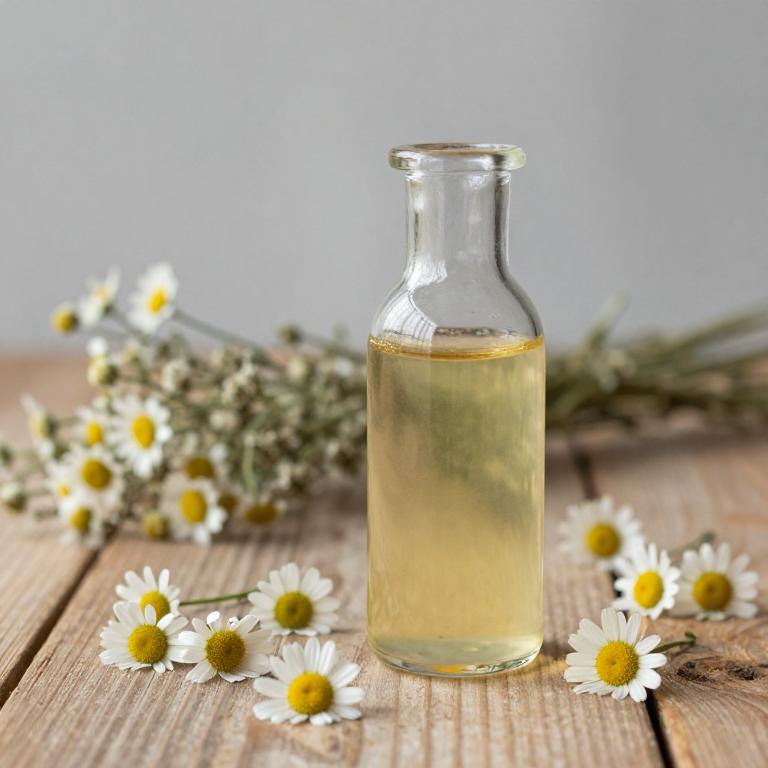
Herbal juices can be a natural remedy for nipple pain during breastfeeding, offering soothing and healing properties that may help alleviate discomfort.
Certain herbs such as calendula, chamomile, and licorice root are commonly used in herbal juices for their anti-inflammatory and moisturizing effects. These juices can be applied topically or consumed internally to support overall breast health and reduce irritation. However, it is important to consult with a healthcare provider before using any herbal remedies to ensure safety and appropriateness for both mother and baby.
While herbal juices may provide some relief, they should not replace professional medical advice or treatment for persistent or severe nipple pain.
Table of Contents
- 1. Chamomile (Matricaria chamomilla)
- 2. Stinging nettle (Urtica dioica)
- 3. Dog rose (Rosa canina)
- 4. Thistle (Silybum marianum)
- 5. Chaste tree (Vitex agnus-castus)
- 6. Blessed thistle (Cnicus benedictus)
- 7. St. john's wort (Hypericum perforatum)
- 8. Yarrow (Achillea millefolium)
- 9. Aloe vera (Aloe barbadensis)
- 10. Fennel (Foeniculum vulgare)
1. Chamomile (Matricaria chamomilla)
Matricaria chamomilla, commonly known as chamomile, is a gentle herbal remedy often used to alleviate nipple pain during breastfeeding.
Chamomile herbal juices, derived from the flowers of the plant, contain anti-inflammatory and antiseptic properties that can help soothe irritated or cracked nipples. These juices can be applied topically to the breasts after each feeding to promote healing and reduce discomfort. Some lactating mothers find relief by using chamomile compresses or nursing pads infused with chamomile extract.
While generally safe, it is advisable to consult a healthcare provider before using any herbal remedy, especially if there are existing allergies or medical conditions.
2. Stinging nettle (Urtica dioica)
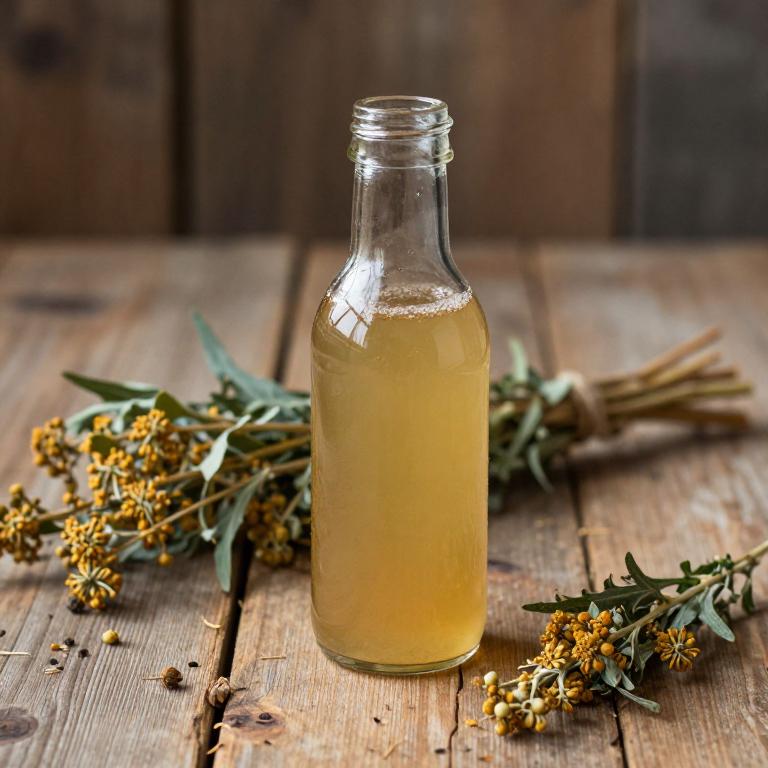
Urtica dioica, commonly known as stinging nettle, has been traditionally used for its potential healing properties, and some herbal practitioners suggest that its juice may help alleviate nipple pain during breastfeeding.
The plant contains anti-inflammatory and astringent compounds that might reduce irritation and promote healing of the breast tissue. However, it is important to note that there is limited scientific research specifically supporting the use of stinging nettle juice for this purpose. As with any herbal remedy, it should be used with caution and under the guidance of a healthcare provider, especially for nursing mothers.
While some women report relief from using nettle-based products, more studies are needed to confirm its efficacy and safety in this context.
3. Dog rose (Rosa canina)
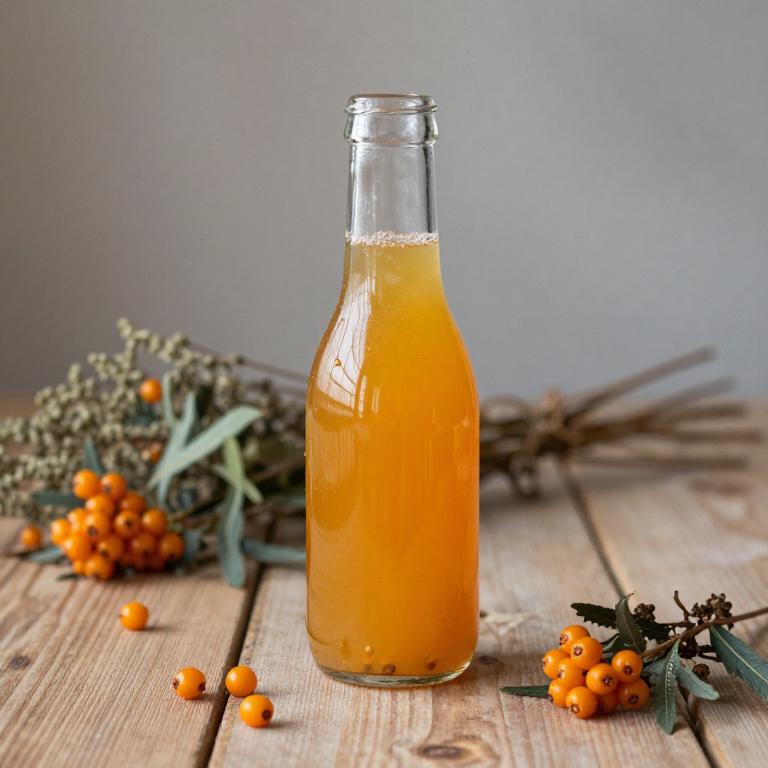
Rosa canina, also known as rose hip, is a traditional herbal remedy that has been used for centuries to support overall health and wellness.
When it comes to nipple pain during breastfeeding, Rosa canina herbal juices may offer relief due to their high concentration of essential nutrients, including vitamin C, antioxidants, and anti-inflammatory compounds. These properties can help reduce inflammation and promote healing of the nipple tissue, making it a natural option for nursing mothers experiencing discomfort. The juice is typically made from the dried fruit of the rose plant and can be consumed as a dietary supplement or applied topically.
While it is generally considered safe, it is advisable to consult with a healthcare provider before using Rosa canina, especially if there are underlying health conditions or if taking other medications.
4. Thistle (Silybum marianum)
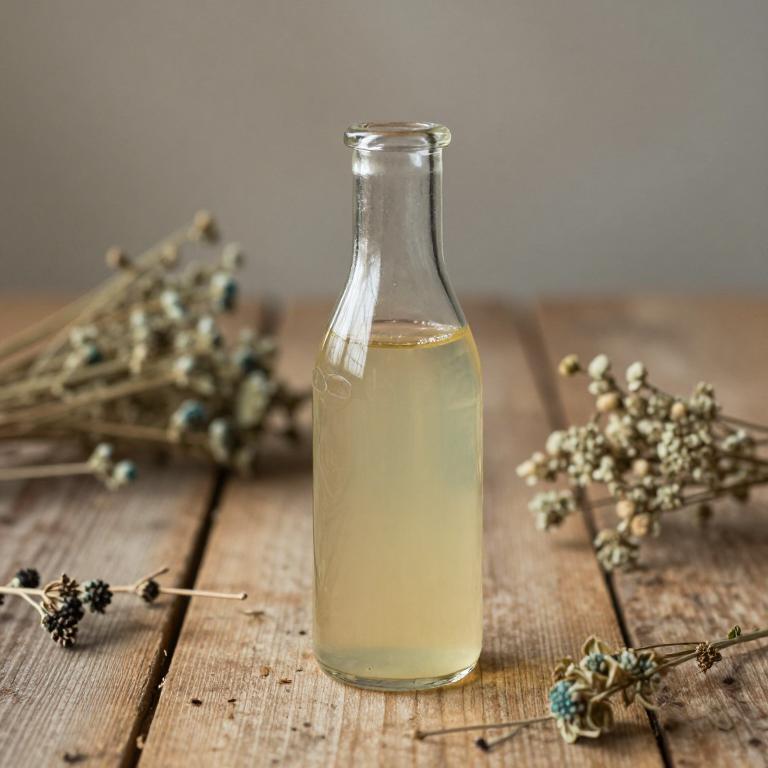
Silybum marianum, also known as milk thistle, is a herbal remedy that has been studied for its potential benefits in supporting breast health and reducing nipple pain during breastfeeding.
The active compound in milk thistle, silymarin, is believed to have antioxidant and anti-inflammatory properties that may help soothe irritated breast tissue and promote healing. Some breastfeeding mothers have reported relief from nipple soreness and cracking after incorporating milk thistle juice into their regimen, though results can vary. It is important to consult with a healthcare provider before using any herbal supplement, especially during lactation, to ensure safety for both mother and baby.
While milk thistle may offer some supportive benefits, it should not replace proper nursing techniques or medical advice for persistent nipple pain.
5. Chaste tree (Vitex agnus-castus)
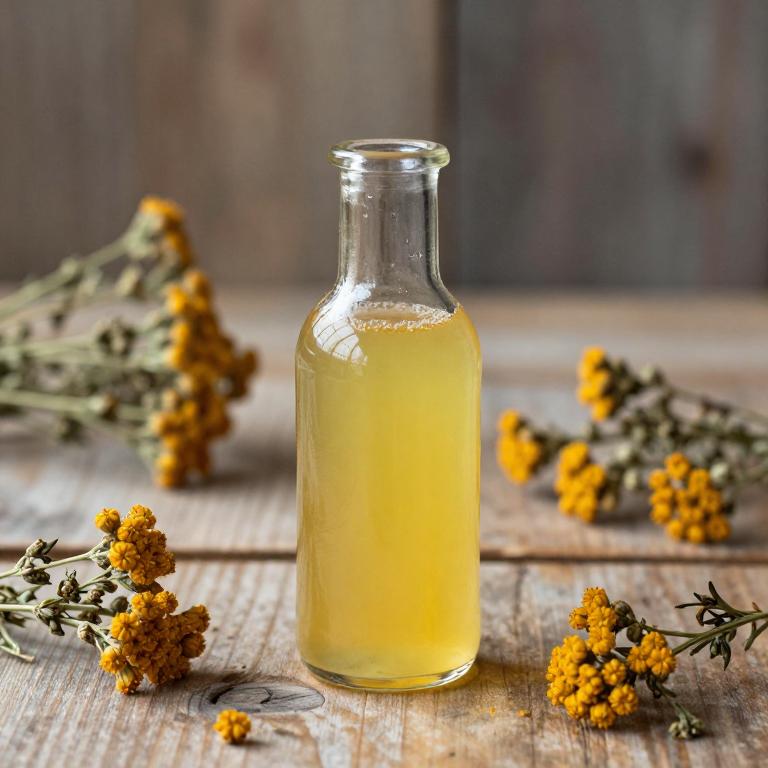
Vitex agnus-castus, commonly known as chasteberry, is a herbal remedy that has been traditionally used to support hormonal balance, which may help alleviate nipple pain during breastfeeding.
This herb is believed to influence the pituitary gland and may assist in regulating prolactin and estrogen levels, which can impact breast milk production and comfort. Some studies suggest that vitex may reduce the incidence of breast engorgement and soreness by promoting more efficient milk let-down. However, it is important to consult with a healthcare provider before using vitex, especially during breastfeeding, as its safety and efficacy in this context are still being researched.
When used as part of a holistic approach, vitex herbal juice may offer natural relief for women experiencing nipple pain, though individual responses can vary.
6. Blessed thistle (Cnicus benedictus)
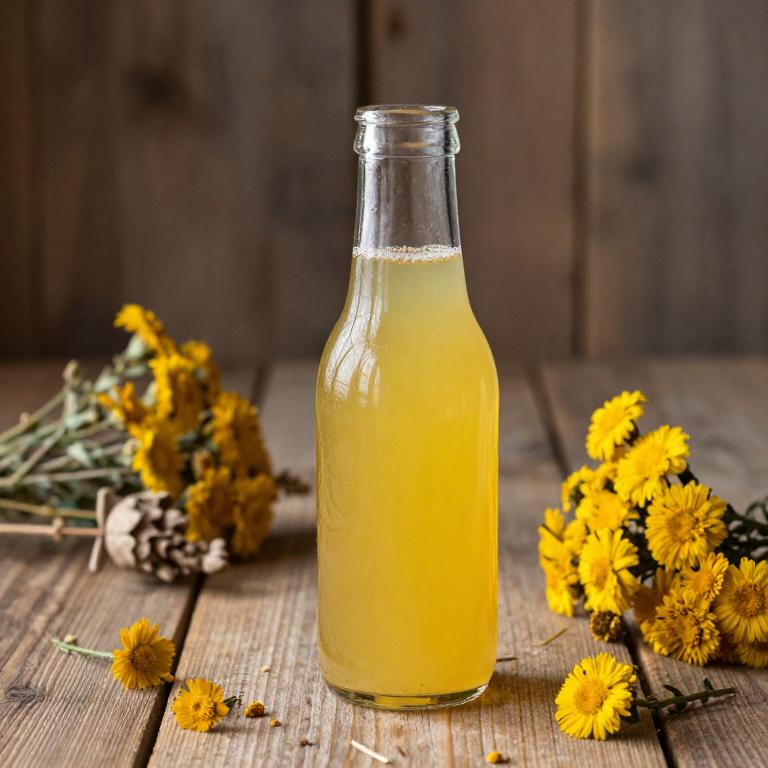
Cnicus benedictus, commonly known as St. Benedict's thistle, has been traditionally used in herbal medicine for its potential benefits in alleviating nipple pain during breastfeeding.
This herb is believed to possess anti-inflammatory and antiseptic properties that may help reduce irritation and promote healing of the breast nipples. Herbal juices made from Cnicus benedictus can be applied topically to the affected areas, offering a natural alternative for nursing mothers seeking relief without harsh chemicals. However, it is important to consult with a healthcare provider before using any herbal remedy, as individual reactions and interactions may vary.
While some anecdotal evidence supports its use, more scientific research is needed to fully understand its efficacy and safety in this context.
7. St. john's wort (Hypericum perforatum)
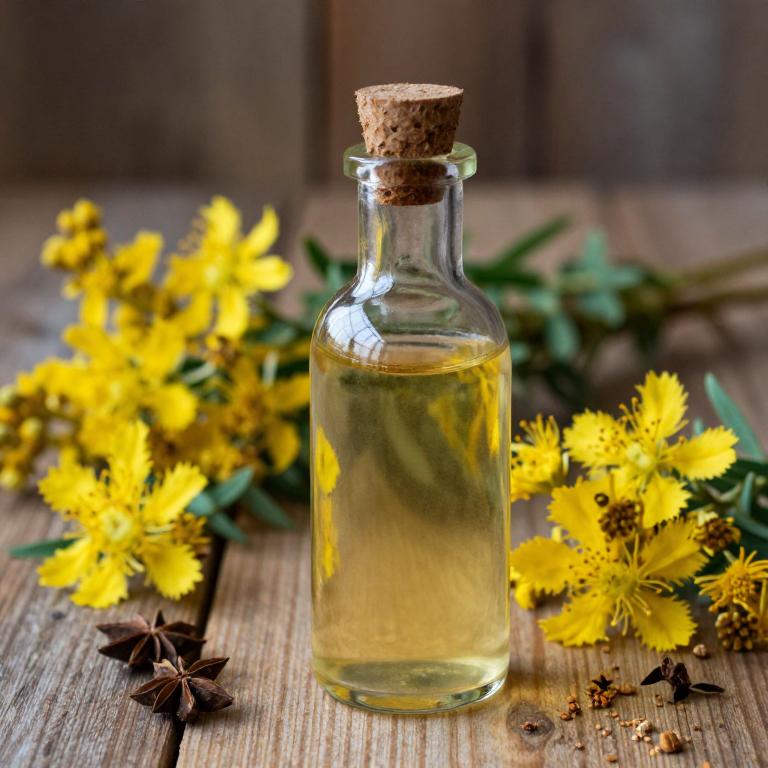
Hypericum perforatum, commonly known as St. John's Wort, has been traditionally used for its potential anti-inflammatory and analgesic properties.
Some breastfeeding mothers may find relief from nipple pain by using hypericum perforatum herbal juices, as they are believed to soothe irritated skin and reduce inflammation. However, it is important to note that St. John's Wort can interact with various medications, including those used during breastfeeding, so it should be used with caution and under the guidance of a healthcare provider. While some anecdotal reports suggest it may help with nipple discomfort, scientific evidence supporting its effectiveness for this specific use is limited.
As a result, it is recommended to consult with a lactation consultant or physician before incorporating any herbal remedies into a breastfeeding routine.
8. Yarrow (Achillea millefolium)
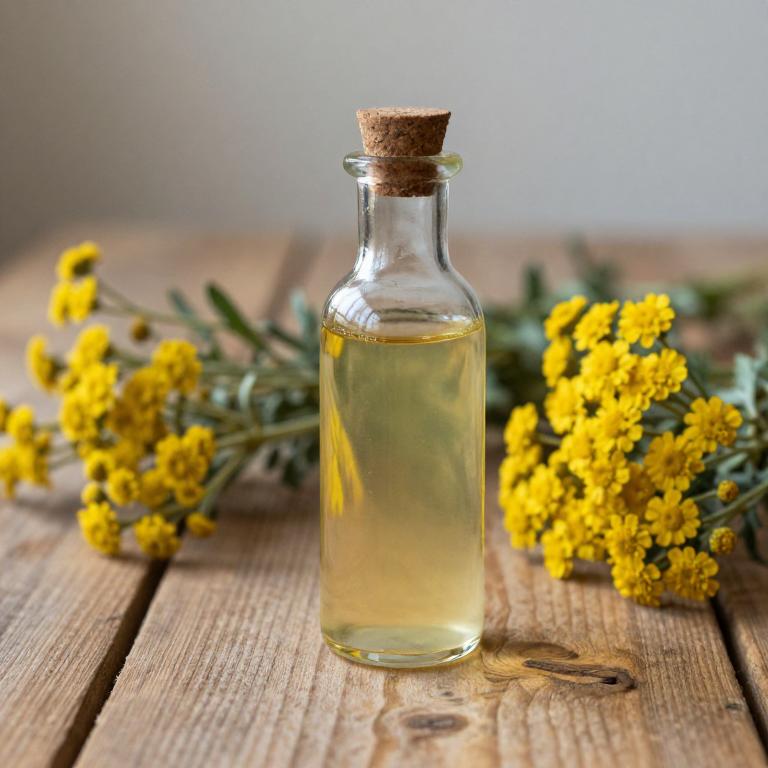
Achillea millefolium, commonly known as yarrow, has been traditionally used in herbal medicine for its anti-inflammatory and antiseptic properties.
When prepared as a herbal juice, it may offer relief for nipple pain experienced during breastfeeding by reducing inflammation and soothing irritated skin. Some lactating mothers have reported using yarrow juice topically to alleviate discomfort and promote healing of cracked or sore nipples. However, it is important to consult with a healthcare provider before using any herbal remedy, as it may interact with other medications or affect milk supply.
While anecdotal evidence suggests potential benefits, more scientific research is needed to fully understand its efficacy and safety for nursing mothers.
9. Aloe vera (Aloe barbadensis)
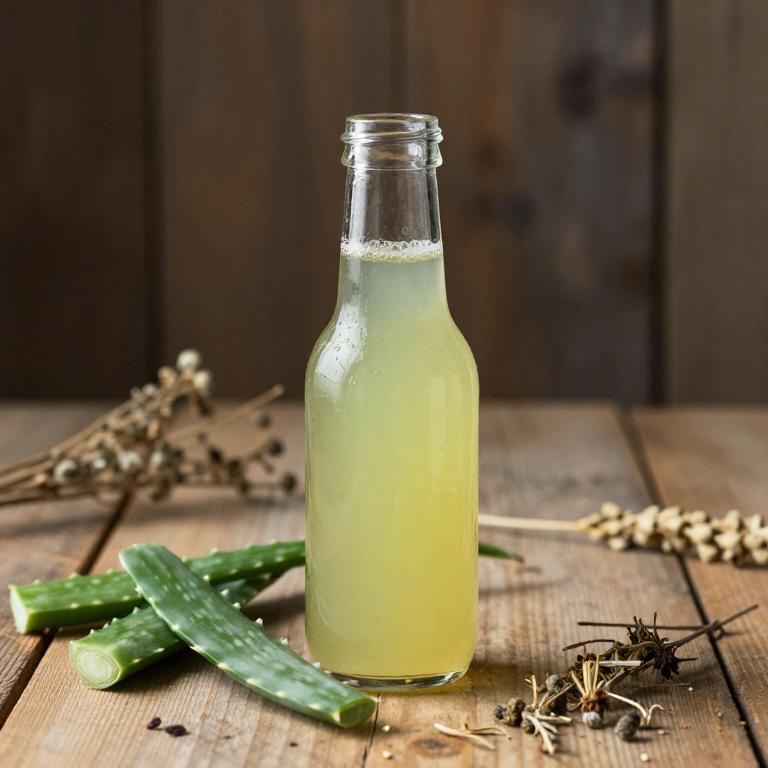
Aloe barbadensis, commonly known as aloe vera, has been used for centuries for its soothing and healing properties, and it may offer relief for nipple pain during breastfeeding.
The gel extracted from the aloe plant contains anti-inflammatory and antimicrobial compounds that can help reduce irritation and promote healing of cracked or sore nipples. When applied topically, aloe vera juice can create a protective barrier on the skin, preventing further friction and discomfort during nursing. However, it is important to ensure that the aloe juice is pure and free from additives that could irritate the sensitive breast tissue.
While aloe vera may be a helpful complementary remedy, it should not replace proper latch techniques or medical advice from a lactation consultant.
10. Fennel (Foeniculum vulgare)
Foeniculum vulgare, commonly known as fennel, has been traditionally used to alleviate nipple pain during breastfeeding due to its mild analgesic and anti-inflammatory properties.
The essential oils in fennel, particularly anethol, are believed to help soothe irritation and reduce inflammation in the nipples. When prepared as a herbal juice, fennel can be applied topically or ingested in small amounts to support lactation and ease discomfort. However, it is important to consult a healthcare provider before using fennel, especially during pregnancy or while nursing, to ensure safety and proper dosage.
Despite its potential benefits, fennel should not replace professional medical advice or treatment for persistent nipple pain.