10 Best Herbal Lozenges For Breastfeeding Breast Pain
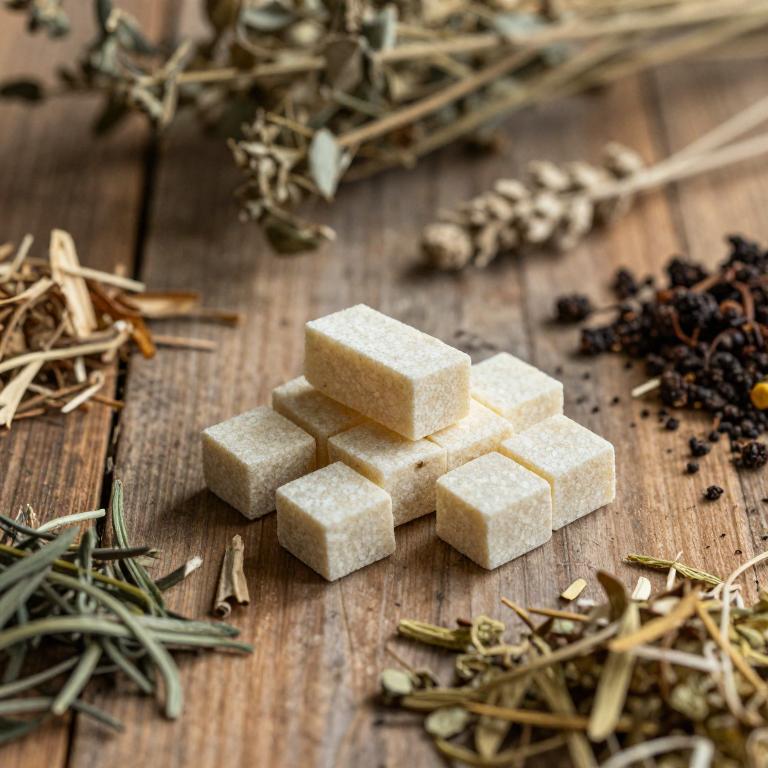
Herbal lozenges can be a natural and effective remedy for缓解 breastfeeding-related breast pain, offering a safe alternative for nursing mothers who prefer to avoid conventional medications.
These lozenges often contain soothing ingredients like chamomile, calendula, and sage, which have anti-inflammatory and antimicrobial properties that help reduce discomfort and promote healing. They are typically free from artificial additives, making them suitable for use during breastfeeding. Many women find that regular use of herbal lozenges can alleviate soreness, cracked nipples, and mastitis symptoms without affecting milk supply or baby's health.
It is advisable to consult a healthcare provider before using any herbal product to ensure safety and appropriateness for individual needs.
Table of Contents
- 1. Chamomile (Matricaria chamomilla)
- 2. Stinging nettle (Urtica dioica)
- 3. Dog rose (Rosa canina)
- 4. Echinacea (Echinacea purpurea)
- 5. Lemon balm (Melissa officinalis)
- 6. English lavender (Lavandula angustifolia)
- 7. Fennel (Foeniculum vulgare)
- 8. Black elderberry (Sambucus nigra)
- 9. St. john's wort (Hypericum perforatum)
- 10. Chaste tree (Vitex agnus-castus)
1. Chamomile (Matricaria chamomilla)
Matricaria chamomilla, commonly known as chamomile, is a gentle herbal remedy often used to alleviate breast pain in breastfeeding mothers.
Chamomile lozenges contain the essential oil of the flower, which has mild anti-inflammatory and analgesic properties that may help reduce discomfort. These lozenges are considered safe for use during breastfeeding, as chamomile is generally well-tolerated and has minimal systemic absorption. However, it is advisable to consult a healthcare provider before starting any herbal supplement to ensure it is appropriate for individual health conditions.
Regular use of chamomile lozenges may provide soothing relief and support the overall comfort of nursing mothers experiencing breast pain.
2. Stinging nettle (Urtica dioica)
Urtica dioica, commonly known as stinging nettle, has been traditionally used for its anti-inflammatory and analgesic properties, making it a potential natural remedy for breastfeeding-related breast pain.
Urtica dioica herbal lozenges are formulated to provide localized relief by reducing inflammation and soothing soreness in the breast tissue. These lozenges are often preferred by nursing mothers due to their natural composition and minimal risk of systemic side effects. They can be used as a complementary therapy alongside standard medical care for mastitis or engorgement.
However, it is important to consult a healthcare provider before using any herbal remedy during breastfeeding to ensure safety and appropriateness for both mother and infant.
3. Dog rose (Rosa canina)
Rosa canina herbal lozenges, derived from the rosehip plant, are commonly used to alleviate breast pain during breastfeeding due to their anti-inflammatory and analgesic properties.
These lozenges contain high levels of vitamin C and essential fatty acids, which support the healing of breast tissue and reduce inflammation. They are considered a natural alternative to over-the-counter pain relievers, making them a popular choice for nursing mothers seeking safe relief. The soothing effect of the lozenges can help ease discomfort from conditions such as mastitis or engorgement.
As with any herbal remedy, it is advisable to consult a healthcare provider before use, especially while breastfeeding, to ensure safety and efficacy.
4. Echinacea (Echinacea purpurea)
Echinacea purpurea herbal lozenges are commonly used to alleviate breast pain associated with breastfeeding by reducing inflammation and supporting the immune system.
These lozenges contain active compounds such as alkamides, caffeic acid derivatives, and flavonoids, which may help decrease breast engorgement and discomfort. While some studies suggest echinacea may be beneficial for mild breast pain, it is important to consult a healthcare provider before use, especially for nursing mothers. The safety and efficacy of echinacea during breastfeeding have not been fully established, so it should be used with caution.
Overall, echinacea lozenges can be a natural alternative to over-the-counter pain relievers, but they should complement, not replace, professional medical advice.
5. Lemon balm (Melissa officinalis)
Melissa officinalis, commonly known as lemon balm, is a mild herb often used in herbal lozenges to provide relief from breast pain experienced by breastfeeding mothers.
These lozenges are designed to be safe and soothing, helping to reduce inflammation and discomfort in the breasts. The calming properties of lemon balm may also help ease the emotional stress associated with breastfeeding challenges. Many mothers find that using these lozenges offers a natural alternative to over-the-counter pain relievers.
However, it is advisable to consult with a healthcare provider before starting any herbal remedy, especially while breastfeeding, to ensure safety and appropriateness for both mother and baby.
6. English lavender (Lavandula angustifolia)
Lavandula angustifolia, commonly known as English lavender, is often used in herbal lozenges to provide natural relief for breastfeeding-related breast pain.
These lozenges are formulated with soothing lavender essential oil, which has calming and anti-inflammatory properties that may help reduce discomfort. The gentle, aromatic nature of lavender makes it a safe and effective option for nursing mothers seeking non-pharmacological relief. When used as directed, these lozenges can help ease soreness and promote relaxation, supporting overall comfort during breastfeeding.
However, it is advisable to consult with a healthcare provider before using any herbal supplements to ensure they are appropriate for individual health needs.
7. Fennel (Foeniculum vulgare)
Foeniculum vulgare, commonly known as fennel, is often used in herbal lozenges to alleviate breast pain during breastfeeding.
These lozenges contain essential oils and phytochemicals that have mild analgesic and anti-inflammatory properties, which may help reduce discomfort associated with engorgement or mastitis. Fennel is believed to support milk flow and reduce inflammation, making it a popular natural remedy among nursing mothers. However, it is important to consult with a healthcare provider before using fennel lozenges, as they may interact with other medications or have potential side effects.
While some studies suggest fennel may offer relief, more research is needed to fully understand its efficacy and safety during lactation.
8. Black elderberry (Sambucus nigra)
Sambucus nigra, also known as European elderberry, has been traditionally used for its anti-inflammatory and antiviral properties, making it a potential natural remedy for breastfeeding-related breast pain.
When formulated into herbal lozenges, sambucus nigra may help alleviate discomfort by reducing inflammation and supporting the body's immune response. These lozenges are often preferred by breastfeeding mothers seeking non-pharmacological options to manage pain without affecting their infants. However, it is important to consult with a healthcare provider before use to ensure safety and appropriateness for individual health conditions.
While some studies suggest potential benefits, more research is needed to fully understand its efficacy and long-term effects during breastfeeding.
9. St. john's wort (Hypericum perforatum)
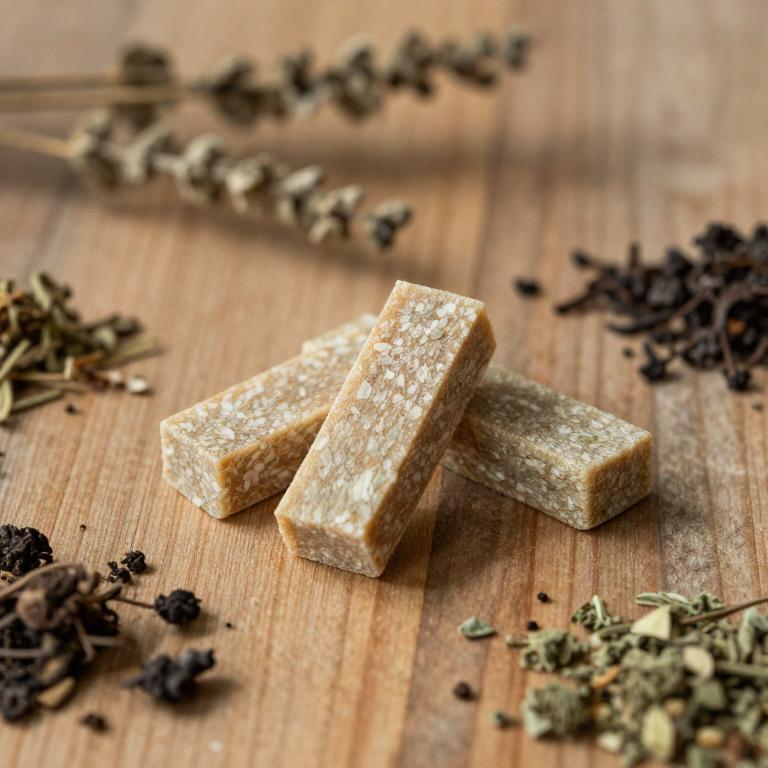
Hypericum perforatum, commonly known as St. John’s wort, is a herbal remedy that has been traditionally used for its potential anti-inflammatory and analgesic properties.
When formulated into herbal lozenges, it may offer relief for breastfeeding mothers experiencing breast pain, such as mastitis or engorgement, by reducing inflammation and soothing sore tissues. However, it is important to note that St. John’s wort can interact with various medications, including those used during breastfeeding, so it should be used with caution and under the guidance of a healthcare provider. Despite its potential benefits, there is limited research specifically on its safety and efficacy for breastfeeding women, making it essential to consult a professional before use.
Overall, while hypericum perforatum lozenges may provide some relief, they are not a substitute for medical advice and should be part of a comprehensive approach to managing breast pain during breastfeeding.
10. Chaste tree (Vitex agnus-castus)
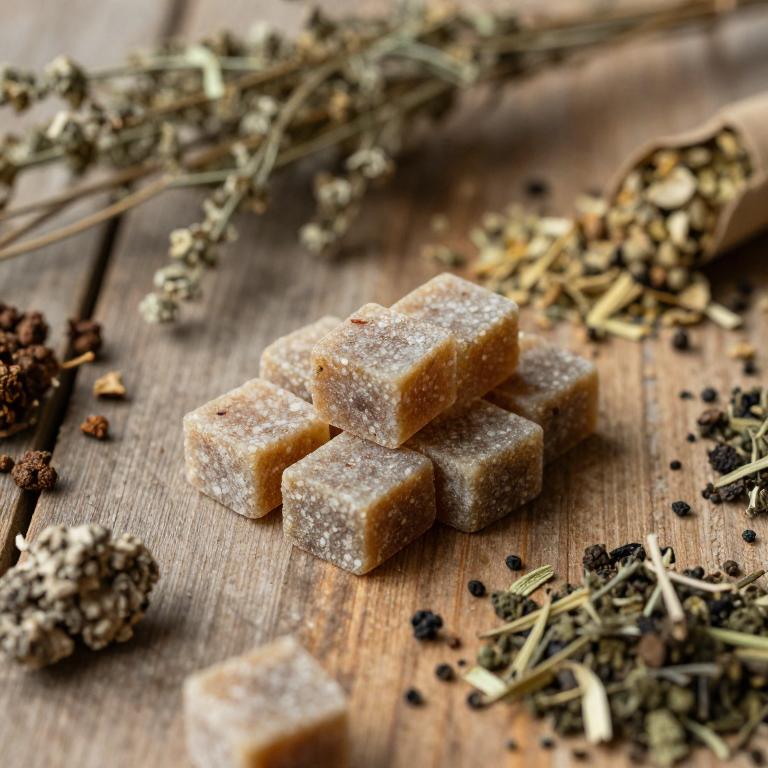
Vitex agnus-castus, also known as chaste tree berry, is commonly used in herbal formulations to support hormonal balance and may help alleviate breast pain in breastfeeding women.
Herbal lozenges containing vitex are often formulated to provide a convenient and soothing way to ingest the herb, which is believed to influence prolactin and oxytocin levels. These lozenges may help reduce engorgement, mastitis, and other breast discomforts by promoting milk flow and reducing inflammation. While generally considered safe, it is important for breastfeeding mothers to consult with a healthcare provider before starting any herbal supplement.
Overall, vitex agnus-castus lozenges can be a natural option for managing breast pain, though their effectiveness may vary among individuals.