10 Best Herbal Juices For Bone Health
Herbal juices can play a beneficial role in supporting bone health by providing essential nutrients such as calcium, magnesium, and vitamin D, which are crucial for maintaining strong and healthy bones.
Certain herbs like nettle, alfalfa, and parsley are known for their high mineral content and are often included in bone-supporting herbal blends. These juices can help improve bone density and reduce the risk of osteoporosis, especially when consumed as part of a balanced diet. Additionally, some herbal juices may contain anti-inflammatory properties that can alleviate joint pain and promote overall skeletal wellness.
However, it is important to consult with a healthcare professional before incorporating herbal juices into your routine, especially if you have existing health conditions or are taking medications.
Table of Contents
- 1. Thistle (Silybum marianum)
- 2. Ginger (Zingiber officinale)
- 3. Yellow milkvetch (Astragalus membranaceus)
- 4. Salvia (Salvia officinalis)
- 5. Devil's ivy (Cissus quadrangularis)
- 6. Stinging nettle (Urtica dioica)
- 7. Licorice (Glycyrrhiza glabra)
- 8. Turmeric (Curcuma longa)
- 9. Fennel (Foeniculum vulgare)
- 10. Java tea (Orthosiphon stamineus)
1. Thistle (Silybum marianum)
Silybum marianum, also known as milk thistle, is a herbal plant that has been traditionally used for its potential health benefits, including support for bone health.
While it is well-known for its liver-protecting properties, emerging research suggests that silybum marianum may also contribute to bone strength by promoting the activity of osteoblasts, the cells responsible for bone formation. The active compound, silymarin, is believed to have anti-inflammatory and antioxidant effects that may help reduce oxidative stress and inflammation, which are linked to bone degradation. Some studies indicate that silybum marianum could enhance calcium absorption and support the maintenance of bone density, making it a promising supplement for individuals at risk of osteoporosis.
However, more clinical trials are needed to fully understand its efficacy and safety in promoting bone health.
2. Ginger (Zingiber officinale)
Zingiber officinale, commonly known as ginger, has been traditionally used for its medicinal properties, including its potential benefits for bone health.
Ginger contains bioactive compounds such as gingerol and shogaol, which have anti-inflammatory and antioxidant effects that may support bone remodeling and reduce inflammation associated with osteoarthritis. Herbal juices made from fresh or dried ginger can be a natural way to incorporate these beneficial compounds into the diet. Some studies suggest that regular consumption of ginger juice may help improve bone density and reduce the risk of osteoporosis by enhancing calcium absorption and inhibiting bone resorption.
However, it is advisable to consult a healthcare professional before using ginger juice as a supplement, especially for individuals with existing medical conditions or those taking medications.
3. Yellow milkvetch (Astragalus membranaceus)
Astragalus membranaceus, commonly known as huang qi, is a traditional Chinese herb that has been used for centuries to support immune function and overall vitality.
While it is not directly a source of calcium or other bone-specific nutrients, it may indirectly support bone health by enhancing the body's ability to absorb and utilize nutrients essential for bone formation. The herb contains polysaccharides and flavonoids, which have anti-inflammatory and antioxidant properties that can reduce oxidative stress and inflammation, both of which are linked to bone degradation. Some studies suggest that astragalus may promote the activity of osteoblasts, the cells responsible for bone formation, thereby supporting skeletal integrity.
As a result, astragalus membranaceus herbal juices are sometimes included in holistic approaches to bone health, though they should be used in conjunction with a balanced diet and other evidence-based strategies for optimal results.
4. Salvia (Salvia officinalis)
Salvia officinalis, commonly known as sage, has been traditionally used for its medicinal properties, and recent research suggests that its herbal juices may support bone health.
The plant contains compounds such as rosmarinic acid and flavonoids, which have antioxidant and anti-inflammatory effects that may help protect bone tissue. Studies indicate that sage may influence calcium metabolism and promote the activity of osteoblasts, the cells responsible for bone formation. Additionally, the presence of essential minerals like magnesium and phosphorus in sage contributes to maintaining strong and healthy bones.
Incorporating sage herbal juice into a balanced diet may offer a natural complement to overall bone health strategies.
5. Devil's ivy (Cissus quadrangularis)
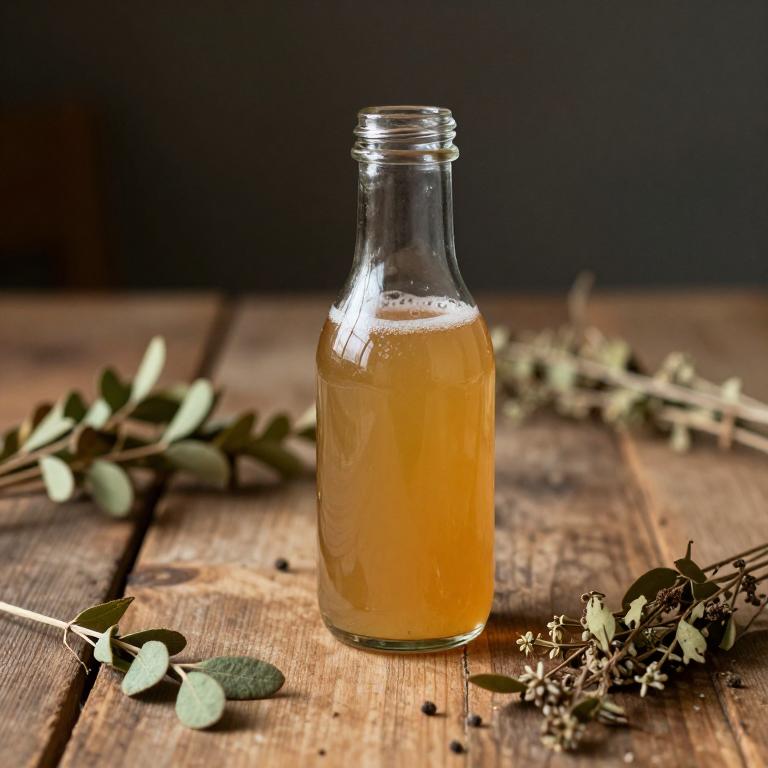
Cissus quadrangularis, also known as the devil's backbone, is a traditional herbal plant that has been used for centuries in Ayurvedic medicine for its potential health benefits.
This plant is particularly noted for its rich content of minerals such as calcium, magnesium, and zinc, which are essential for maintaining strong and healthy bones. Cissus quadrangularis herbal juices are believed to support bone density and may help in the treatment of conditions like osteoporosis by promoting bone regeneration and mineral absorption. The bioactive compounds in these juices, including flavonoids and phenolic acids, are thought to enhance the body's ability to repair and strengthen bone tissue.
As a result, incorporating Cissus quadrangularis juice into a balanced diet may offer natural support for overall bone health and wellness.
6. Stinging nettle (Urtica dioica)
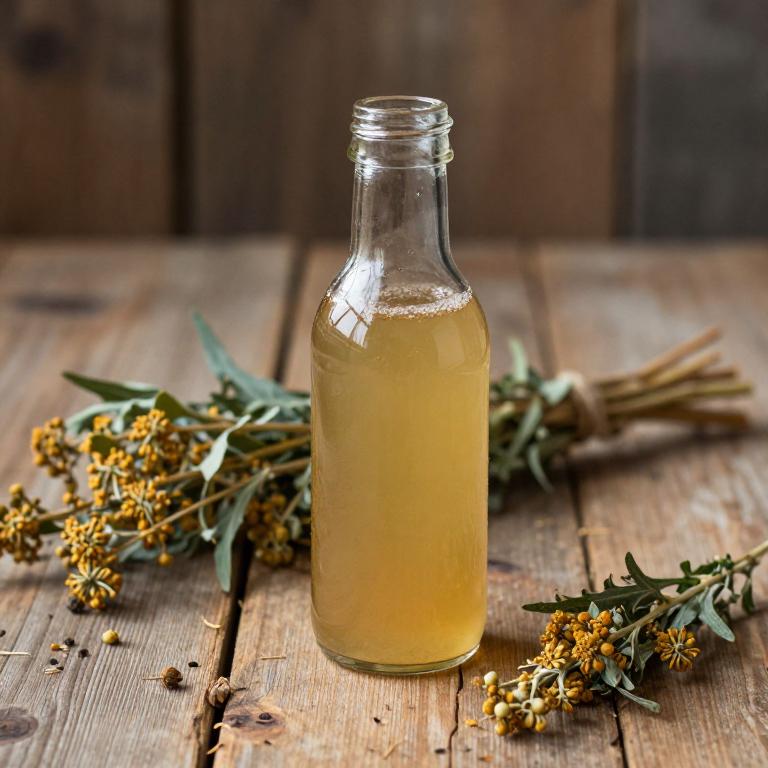
Urtica dioica, commonly known as stinging nettle, has been traditionally used for its potential health benefits, including supporting bone health.
Herbal juices made from fresh or dried Urtica dioica leaves are believed to provide a rich source of minerals such as calcium, magnesium, and silicon, which are essential for maintaining strong and healthy bones. These nutrients may help in the prevention of osteoporosis by promoting bone density and reducing the risk of fractures. Additionally, the antioxidants present in stinging nettle juice may reduce inflammation and oxidative stress, further supporting overall bone health.
While more research is needed, many people incorporate Urtica dioica juices into their diets as a natural supplement to enhance bone strength and resilience.
7. Licorice (Glycyrrhiza glabra)
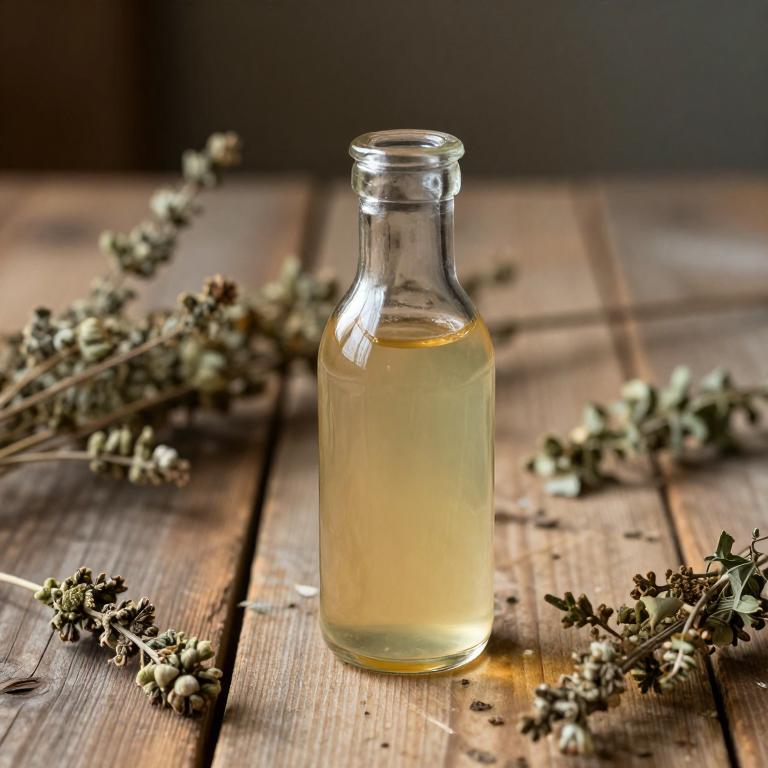
Glycyrrhiza glabra, commonly known as licorice, contains various bioactive compounds that may support bone health.
The root of this plant is often used to make herbal juices that are rich in flavonoids and glycyrrhizin, which have anti-inflammatory and antioxidant properties. These properties can help reduce oxidative stress and inflammation, both of which are linked to bone degradation and conditions like osteoporosis. Some studies suggest that licorice root extracts may enhance bone mineral density by promoting the activity of osteoblasts, the cells responsible for bone formation.
However, it is important to consult a healthcare professional before incorporating licorice-based herbal juices into a bone health regimen, as they may interact with certain medications or have side effects in high doses.
8. Turmeric (Curcuma longa)
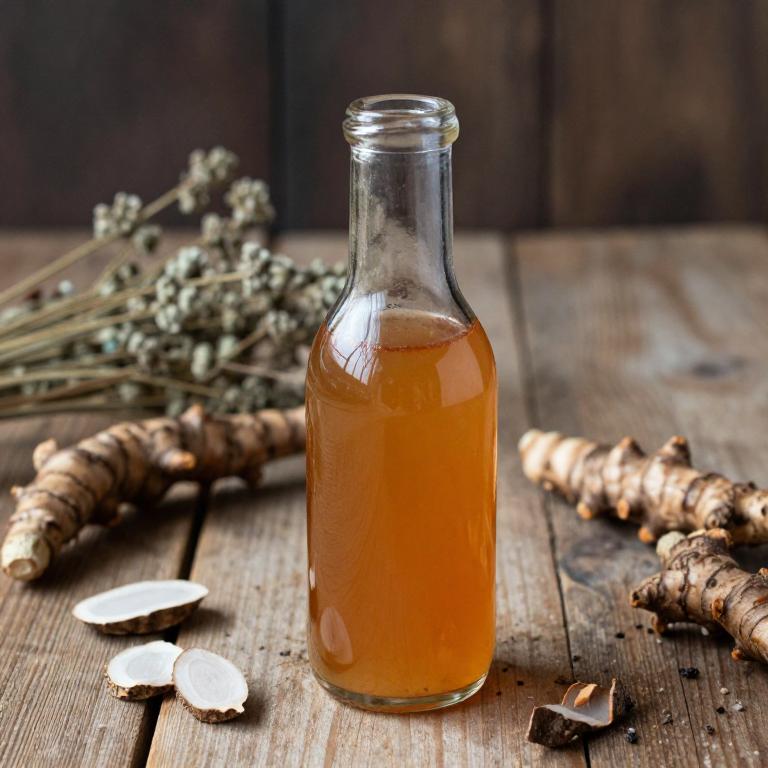
Curcuma longa, commonly known as turmeric, contains a bioactive compound called curcumin, which has been extensively studied for its potential benefits in promoting bone health.
Research suggests that curcumin may help reduce inflammation and oxidative stress, both of which are linked to bone degradation and conditions like osteoarthritis. When consumed as a herbal juice, curcuma longa can provide a concentrated source of these beneficial compounds, supporting overall skeletal wellness. However, its absorption is often limited without the addition of black pepper or fat, which enhances bioavailability.
As a natural alternative to certain pharmaceuticals, turmeric juice may offer a holistic approach to maintaining strong and healthy bones.
9. Fennel (Foeniculum vulgare)
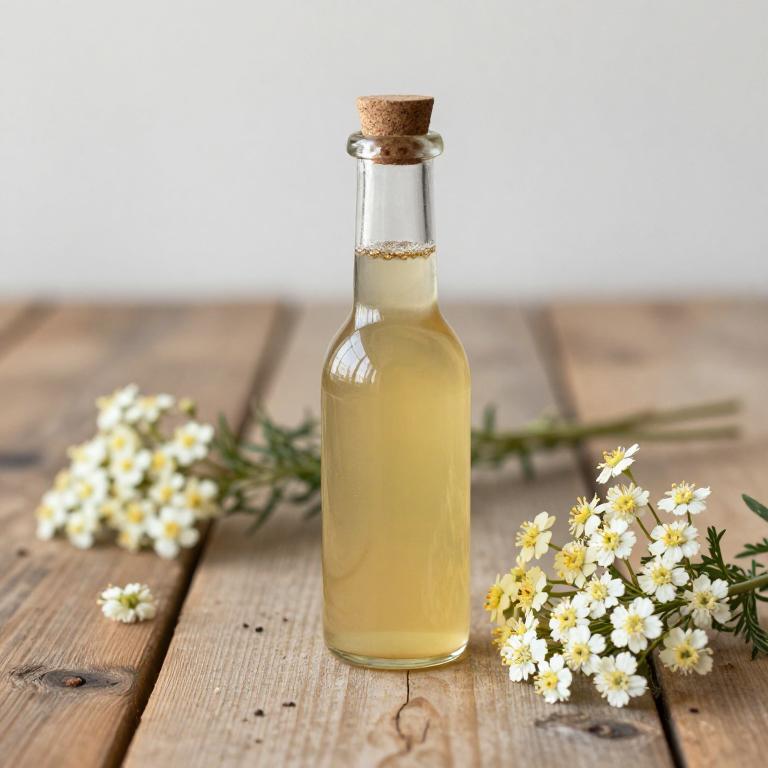
Foeniculum vulgare, commonly known as fennel, has been traditionally used in herbal medicine for its potential benefits to bone health.
The essential oils and compounds found in fennel, such as anethole and flavonoids, may support bone density and strength by promoting the activity of osteoblasts, the cells responsible for bone formation. Herbal juices made from fresh fennel leaves and seeds are believed to enhance calcium absorption and reduce inflammation, which are crucial factors in maintaining healthy bones. Some studies suggest that regular consumption of fennel juice may help in preventing osteoporosis by improving bone mineral content.
However, it is important to consult a healthcare professional before incorporating fennel juice into a bone health regimen, especially for individuals with existing medical conditions or those taking medications.
10. Java tea (Orthosiphon stamineus)

Orthosiphon stamineus, commonly known as kidney tea or Java tea, is a traditional herbal plant widely used in Southeast Asian medicine for its purported health benefits.
While it is traditionally used for kidney and urinary tract health, recent research suggests that it may also support bone health due to its high content of minerals like calcium, magnesium, and potassium. These essential nutrients are crucial for maintaining strong and healthy bones, making orthosiphon stamineus a potential natural supplement for bone maintenance. Some studies indicate that the plant's antioxidants and anti-inflammatory properties may help reduce oxidative stress and inflammation, which are linked to bone degradation.
However, more clinical research is needed to fully understand its efficacy and safety for bone health, and it should be used as a complementary rather than a replacement therapy.