10 Best Herbal Syrups For Body Odor
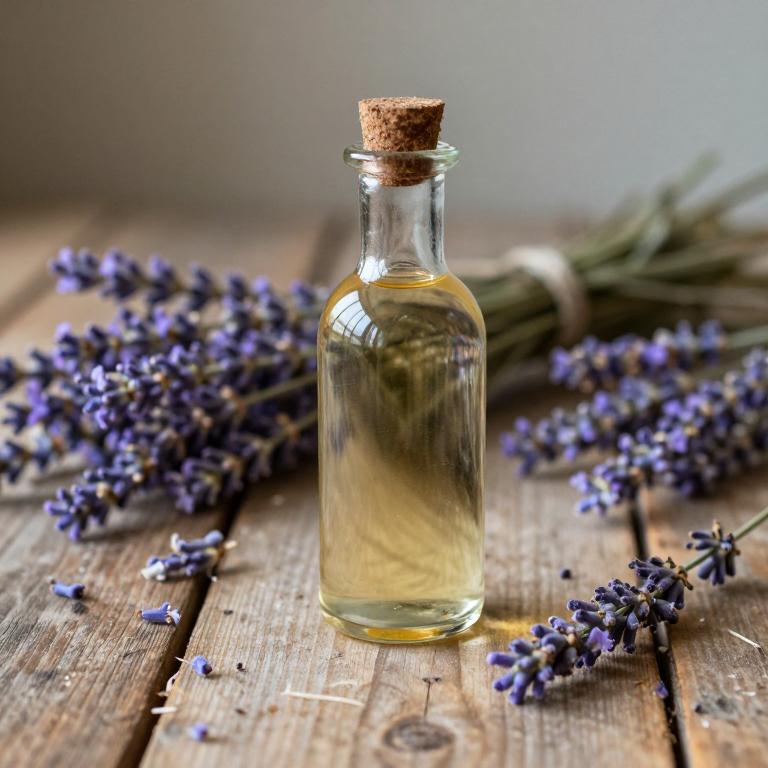
Herbal syrups for body odor are natural remedies that combine plant-based ingredients to help manage and reduce unpleasant body smells.
These syrups often contain essential oils like peppermint, eucalyptus, and lavender, which are known for their deodorizing and refreshing properties. They work by neutralizing odor-causing bacteria on the skin and promoting a more balanced body odor through internal and external support. Many people prefer herbal syrups over synthetic deodorants because they are generally safer and less likely to cause skin irritation.
When used consistently, these syrups can complement good hygiene practices and contribute to a more pleasant personal scent.
Table of Contents
- 1. English lavender (Lavandula angustifolia)
- 2. Rosemary (Rosmarinus officinalis)
- 3. Eucalyptus (Eucalyptus globulus)
- 4. Geranium (Pelargonium graveolens)
- 5. Black pepper (Piper nigrum)
- 6. Greek oregano (Satureja hortensis)
- 7. Thyme (Thymus vulgaris)
- 8. Ginger (Zingiber officinale)
- 9. Lemon grass (Cymbopogon citratus)
- 10. Ceylon cinnamon (Cinnamomum zeylanicum)
1. English lavender (Lavandula angustifolia)
Lavandula angustifolia, commonly known as English lavender, is often used in herbal syrups for its calming and aromatic properties.
These syrups are valued for their ability to help reduce body odor by promoting a sense of cleanliness and freshness through natural essential oils. The soothing scent of lavender can help mask unpleasant odors and enhance personal hygiene when used in daily routines. Additionally, lavender syrups may support overall well-being, which can indirectly influence body odor by reducing stress and improving skin health.
As a natural alternative to synthetic deodorants, lavender-based syrups offer a gentle and pleasant way to manage body odor.
2. Rosemary (Rosmarinus officinalis)
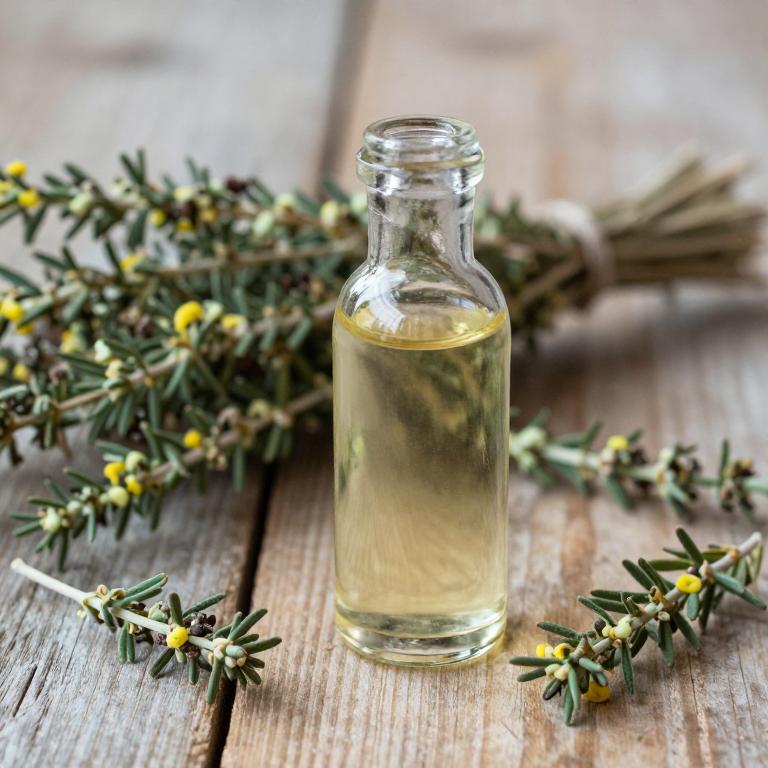
Rosmarinus officinalis, commonly known as rosemary, is a versatile herb that has been traditionally used for its aromatic and therapeutic properties.
Rosemary herbal syrups are often crafted to harness the essential oils of the plant, which are known for their ability to promote detoxification and support healthy bodily functions. These syrups may help in reducing body odor by improving digestion and eliminating toxins from the body, thereby supporting natural body chemistry. The natural antibacterial and antifungal properties of rosemary can also help in reducing the growth of odor-causing bacteria on the skin.
When used as part of a holistic wellness routine, rosemary herbal syrups may contribute to a fresher, more natural body scent.
3. Eucalyptus (Eucalyptus globulus)
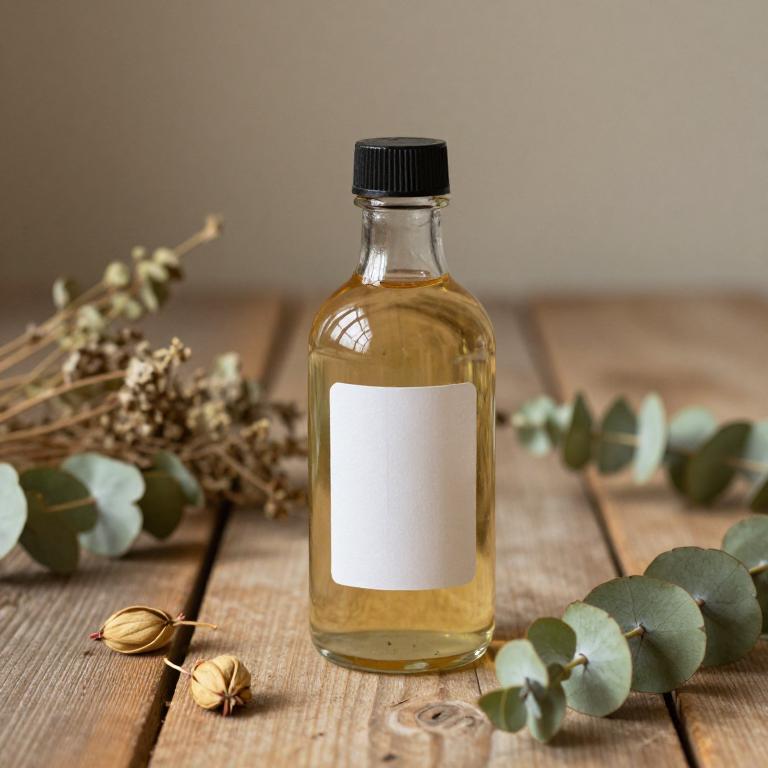
Eucalyptus globulus, commonly known as the Australian eucalyptus, is often used in herbal syrups to help manage body odor due to its potent antimicrobial and deodorizing properties.
The essential oil of eucalyptus globulus contains compounds like eucalyptol and limonene, which can neutralize odor-causing bacteria on the skin and in the respiratory tract. When incorporated into herbal syrups, these properties may support natural detoxification and reduce unpleasant body smells. Some formulations combine eucalyptus globulus with other herbs like peppermint or lavender to enhance its refreshing and cleansing effects.
However, it is important to consult a healthcare professional before using these syrups, especially for individuals with sensitive skin or existing health conditions.
4. Geranium (Pelargonium graveolens)
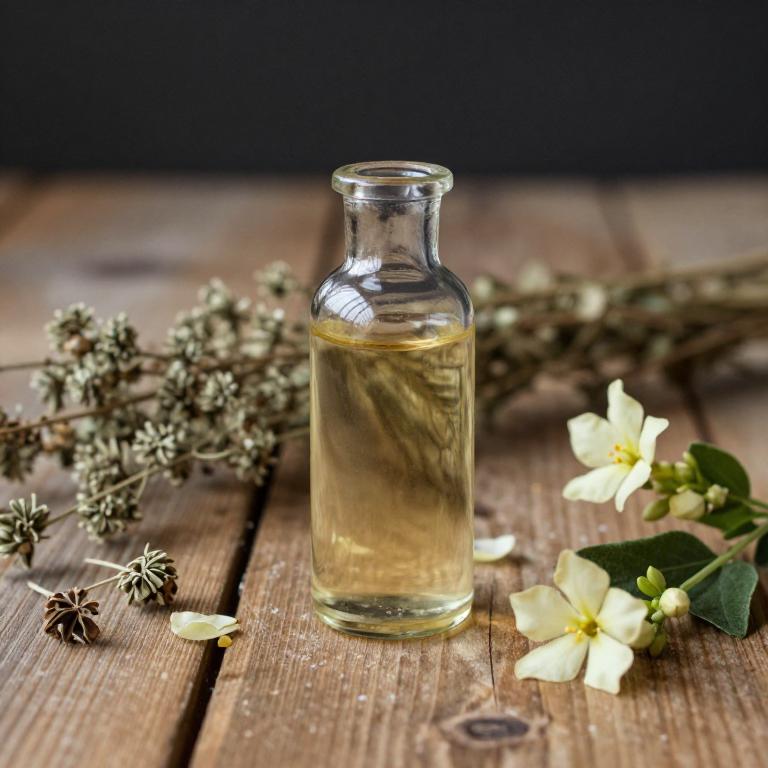
Pelargonium graveolens, commonly known as geranium, is often used in herbal syrups to address body odor due to its antimicrobial and deodorizing properties.
The essential oil derived from this plant contains compounds like geraniol and citronellol, which help neutralize odors by inhibiting the growth of odor-causing bacteria on the skin. When formulated into a syrup, these properties can be easily absorbed through the mucous membranes, offering a natural and gentle way to combat body odor. Herbal syrups made from Pelargonium graveolens are also appreciated for their pleasant, floral scent, which can mask unpleasant body smells.
However, it is important to consult a healthcare professional before use, especially for individuals with allergies or existing health conditions.
5. Black pepper (Piper nigrum)
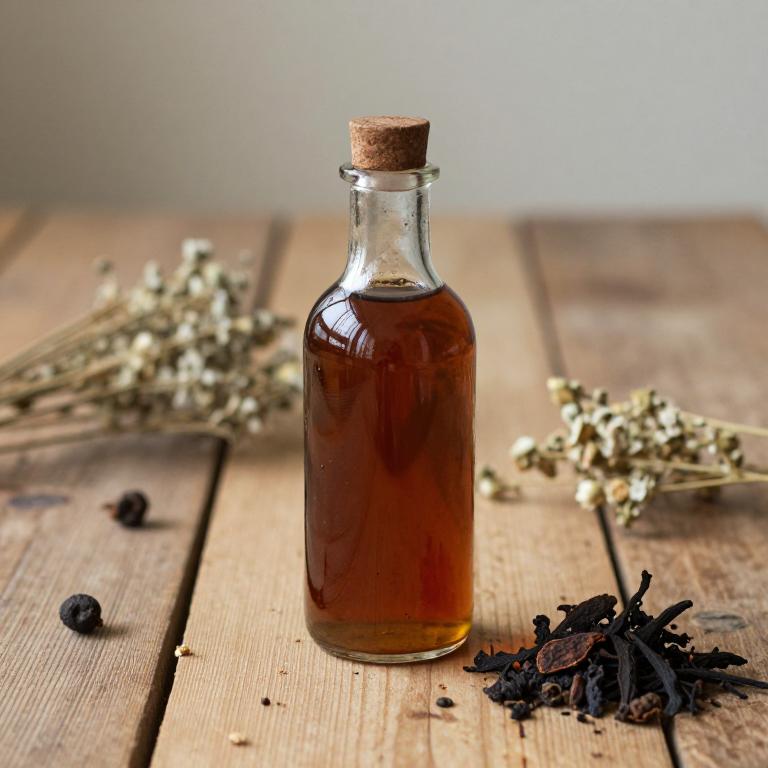
Piper nigrum, commonly known as black pepper, is often used in herbal syrups for its potential benefits in addressing body odor.
The essential oils found in black pepper, such as piperine, may help improve digestion and reduce the buildup of toxins that contribute to body odor. These herbal syrups are typically made by infusing black pepper in a base of honey or glycerin, which enhances their potency and ease of consumption. While not a primary treatment for body odor, piper nigrum syrups may support overall health, indirectly helping to manage body odor issues.
As with any herbal remedy, it is advisable to consult a healthcare professional before use, especially for individuals with existing medical conditions or those taking medications.
6. Greek oregano (Satureja hortensis)
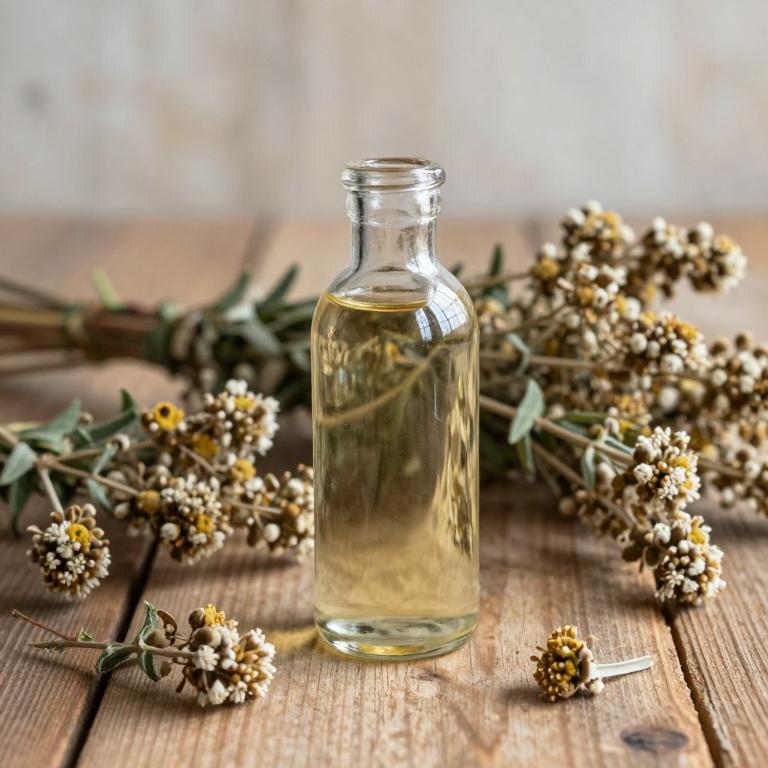
Satureja hortensis, commonly known as summer savory, is a versatile herb that has been traditionally used in herbal syrups to help manage body odor.
The plant contains essential oils with antimicrobial and deodorizing properties that can help neutralize unpleasant smells on the skin. When prepared as a syrup, satureja hortensis can be easily absorbed through the skin, providing a natural and gentle way to combat odor. Its mild, peppery aroma makes it a pleasant addition to personal care routines.
This herbal syrup is particularly beneficial for those seeking a natural alternative to conventional deodorants without harsh chemicals.
7. Thyme (Thymus vulgaris)
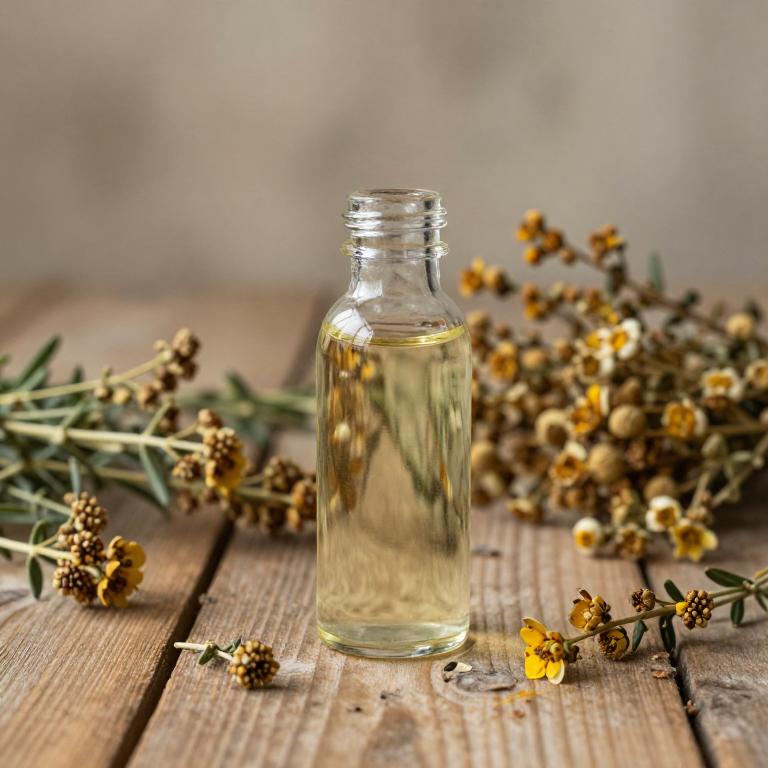
Thymus vulgaris, commonly known as thyme, is often used in herbal syrups to address body odor due to its strong antimicrobial and antiseptic properties.
These syrups are formulated to help neutralize unpleasant odors by eliminating odor-causing bacteria on the skin and in the respiratory tract. The essential oils in thyme, particularly thymol, have been shown to have a positive effect on perspiration and odor control. Herbal syrups containing thymus vulgaris are typically made by infusing the plant in a base of honey or sugar, making them easy to consume.
While they are not a substitute for proper hygiene, they can be a complementary natural remedy for managing body odor.
8. Ginger (Zingiber officinale)
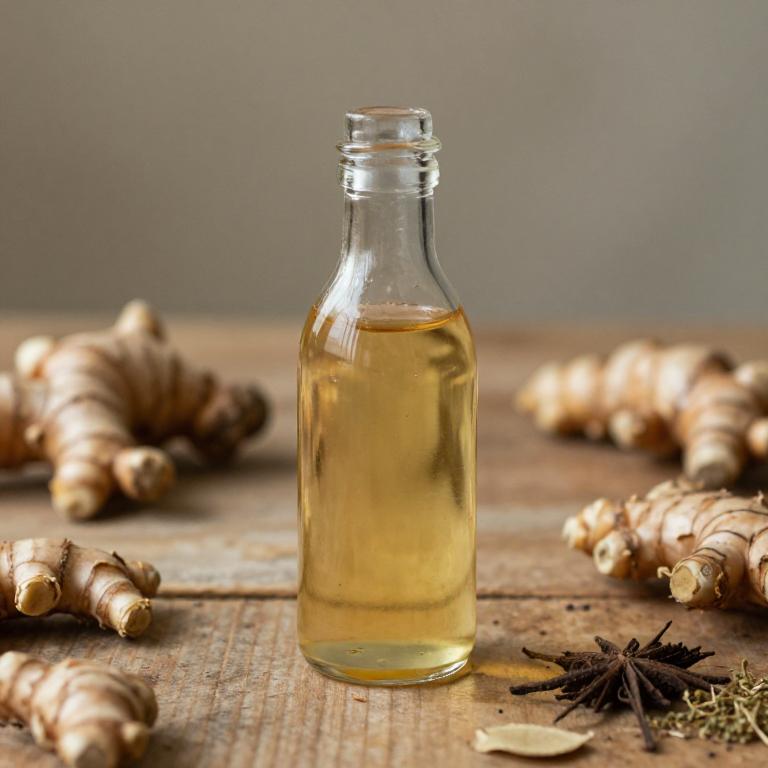
Zingiber officinale, commonly known as ginger, has been traditionally used for its medicinal properties, and recent studies suggest that ginger-based herbal syrups may help in reducing body odor.
The active compounds in ginger, such as gingerols and shogaols, possess antimicrobial and anti-inflammatory properties that can inhibit the growth of odor-causing bacteria on the skin. When consumed as a herbal syrup, these compounds may help neutralize odors by disrupting the metabolic processes of odor-producing microorganisms. Additionally, ginger is known to improve digestion and reduce bloating, which can indirectly contribute to less body odor.
As a natural alternative to conventional deodorants, ginger herbal syrups offer a holistic approach to managing body odor through internal health support.
9. Lemon grass (Cymbopogon citratus)
Cymbopogon citratus, commonly known as lemon grass, is a natural herb often used in herbal syrups to help manage body odor.
These syrups are traditionally prepared by extracting the essential oils from the dried leaves of the plant, which contain compounds like citral and myrcene known for their antimicrobial properties. The antimicrobial action helps reduce the growth of odor-causing bacteria on the skin, making it an effective natural remedy for body odor. Lemon grass syrups are often preferred for their pleasant citrus scent and mild flavor, making them easy to consume regularly.
Additionally, they are considered a safe and gentle alternative to synthetic deodorants, offering a holistic approach to personal hygiene.
10. Ceylon cinnamon (Cinnamomum zeylanicum)
Cinnamomum zeylanicum, commonly known as cinnamon, is often used in herbal syrups to help manage body odor due to its natural antimicrobial and deodorizing properties.
The essential oils in cinnamon can inhibit the growth of odor-causing bacteria on the skin, making it an effective natural alternative to conventional deodorants. These herbal syrups are typically made by infusing cinnamon bark in a base of honey or glycerin, which enhances their soothing and aromatic qualities. Regular use of cinnamon-based syrups may help reduce sweat-related body odor while also providing a pleasant, warm scent.
As a holistic remedy, cinnamon syrups offer a safe and natural way to support personal hygiene and freshness.