10 Best Herbal Lozenges For Body Odor
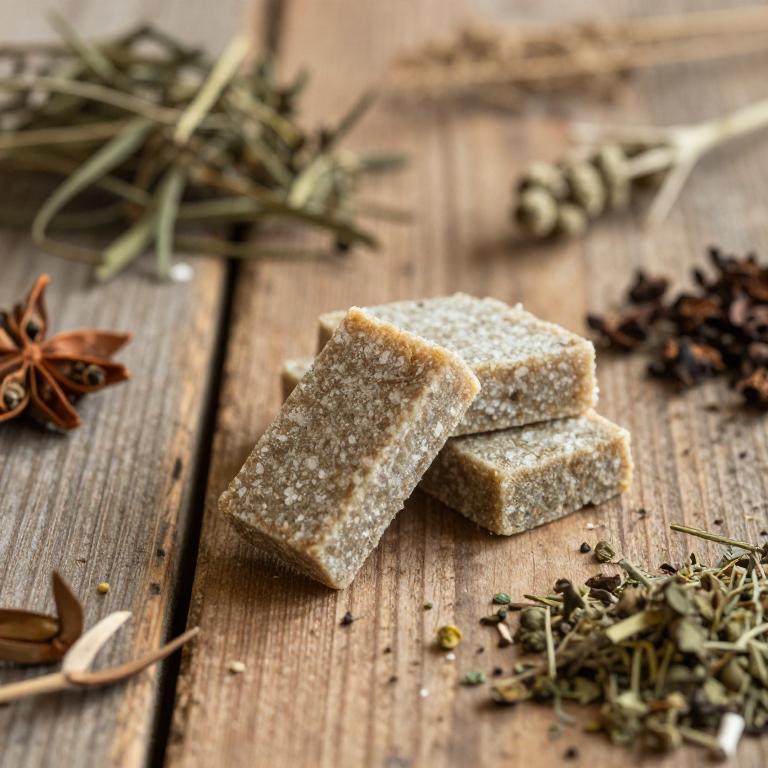
Herbal lozenges are natural remedies designed to help manage body odor by promoting oral hygiene and freshening breath.
These lozenges often contain ingredients like peppermint, sage, and licorice root, which have antimicrobial and deodorizing properties. They work by neutralizing odor-causing bacteria in the mouth and throat, reducing the emission of unpleasant smells. Regular use of herbal lozenges can contribute to a more pleasant personal scent and support overall oral health.
However, they are most effective when used in conjunction with good hygiene practices such as regular brushing and hydration.
Table of Contents
- 1. English lavender (Lavandula angustifolia)
- 2. Rosemary (Rosmarinus officinalis)
- 3. Fennel (Foeniculum vulgare)
- 4. Eucalyptus (Eucalyptus globulus)
- 5. Ceylon cinnamon (Cinnamomum verum)
- 6. Thyme (Thymus vulgaris)
- 7. Geranium (Pelargonium graveolens)
- 8. Ginger (Zingiber officinale)
- 9. Greek oregano (Satureja hortensis)
- 10. Salvia (Salvia officinalis)
1. English lavender (Lavandula angustifolia)
Lavandula angustifolia, commonly known as English lavender, is a natural herb renowned for its calming and aromatic properties.
Lavandula angustifolia herbal lozenges are formulated to combat body odor by utilizing the plant's essential oils, which have natural deodorizing and antibacterial effects. These lozenges work by neutralizing odor-causing bacteria on the tongue and in the mouth, helping to freshen breath and reduce body odor. The soothing scent of lavender also provides a pleasant, relaxing experience while supporting oral hygiene.
Regular use of these lozenges can be an effective, natural alternative to conventional deodorants and mouthwashes.
2. Rosemary (Rosmarinus officinalis)

Rosmarinus officinalis, commonly known as rosemary, is a herbal ingredient widely used in natural remedies for its aromatic and therapeutic properties.
Rosemary herbal lozenges are designed to combat body odor by promoting fresh breath and reducing the presence of bacteria that contribute to unpleasant smells. These lozenges work by releasing essential oils that have natural deodorizing and antimicrobial effects. The pleasant aroma of rosemary not only masks body odor but also provides a refreshing sensory experience.
Regular use of rosemary lozenges can support oral hygiene and contribute to overall freshness without the need for artificial additives.
3. Fennel (Foeniculum vulgare)
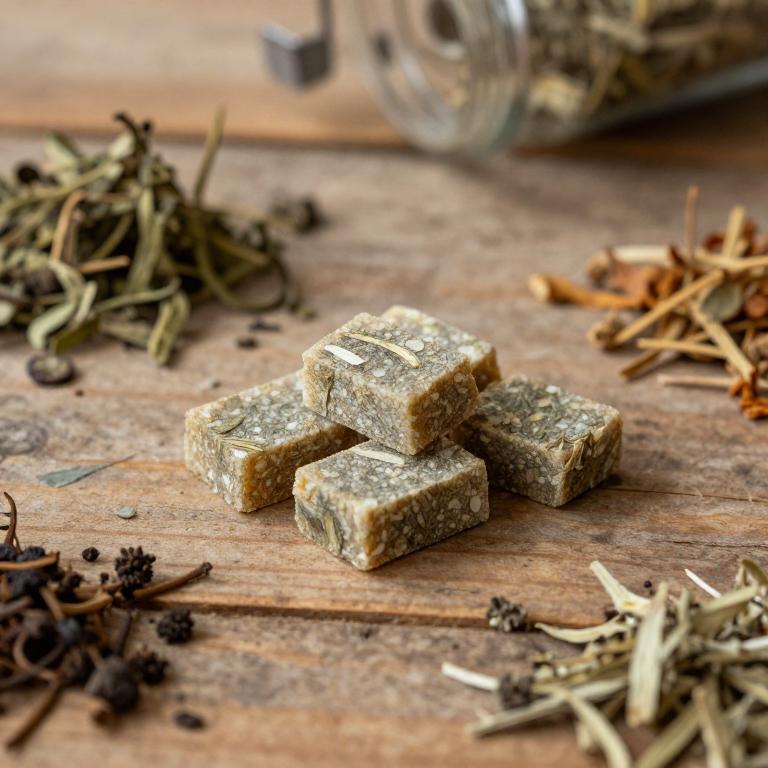
Foeniculum vulgare, commonly known as fennel, is a herbal remedy often used in the form of lozenges to help manage body odor.
These lozenges work by promoting digestion and reducing the buildup of toxins in the body, which can contribute to unpleasant odors. Fennel contains compounds like anethole and limonene that have natural antimicrobial and deodorizing properties. Regular use of fennel lozenges may help neutralize bad breath and support overall oral hygiene.
However, it is advisable to consult a healthcare professional before incorporating them into a daily routine, especially for individuals with existing health conditions or those taking other medications.
4. Eucalyptus (Eucalyptus globulus)
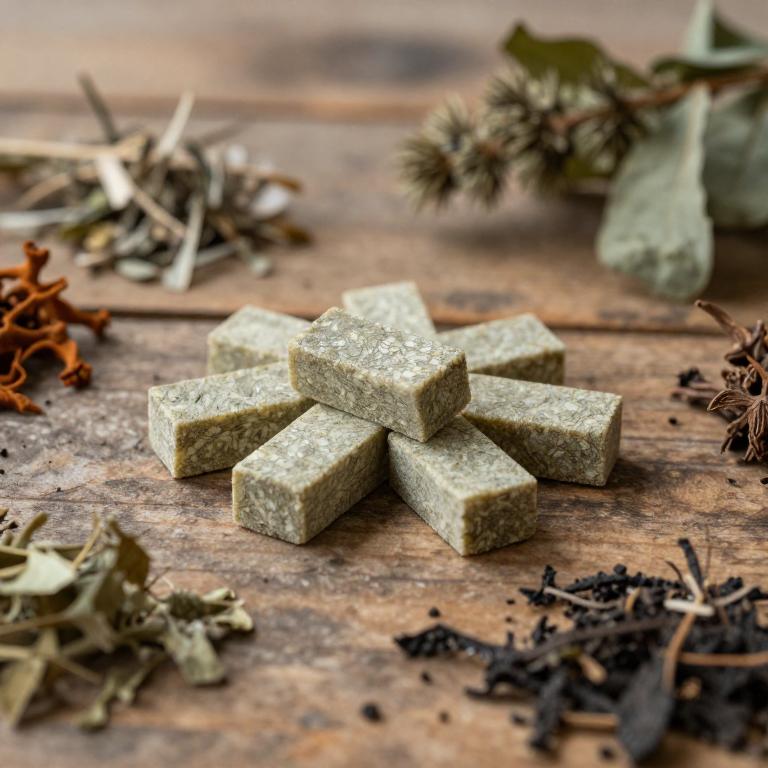
Eucalyptus globulus herbal lozenges are formulated with the essential oil of eucalyptus, a plant known for its refreshing and aromatic properties.
These lozenges work by neutralizing odor-causing bacteria in the mouth and throat, helping to reduce bad breath and improve overall oral freshness. The natural antiseptic and decongestant qualities of eucalyptus make it an effective ingredient for combating persistent body odor. Regular use of these lozenges can provide long-lasting relief and support better hygiene.
They are a safe and natural alternative to conventional breath fresheners, offering a pleasant and invigorating scent without harsh chemicals.
5. Ceylon cinnamon (Cinnamomum verum)
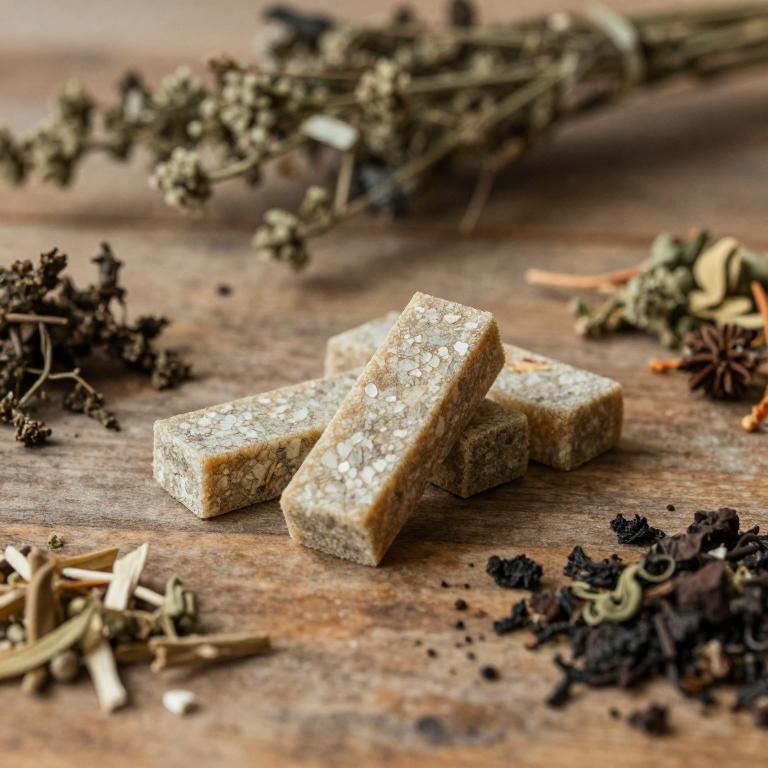
Cinnamomum verum, also known as true cinnamon, is commonly used in herbal lozenges to help manage body odor due to its natural antimicrobial and deodorizing properties.
These lozenges work by neutralizing odors at the source, reducing the buildup of bacteria that cause unpleasant smells. The essential oils in cinnamon have a pleasant aromatic scent that can help mask and counteract body odor effectively. Regular use of cinnamon-based lozenges may support overall oral hygiene, which in turn can contribute to better body odor control.
As a natural alternative to synthetic deodorants, cinnamon lozenges offer a safe and aromatic option for those seeking holistic odor management.
6. Thyme (Thymus vulgaris)
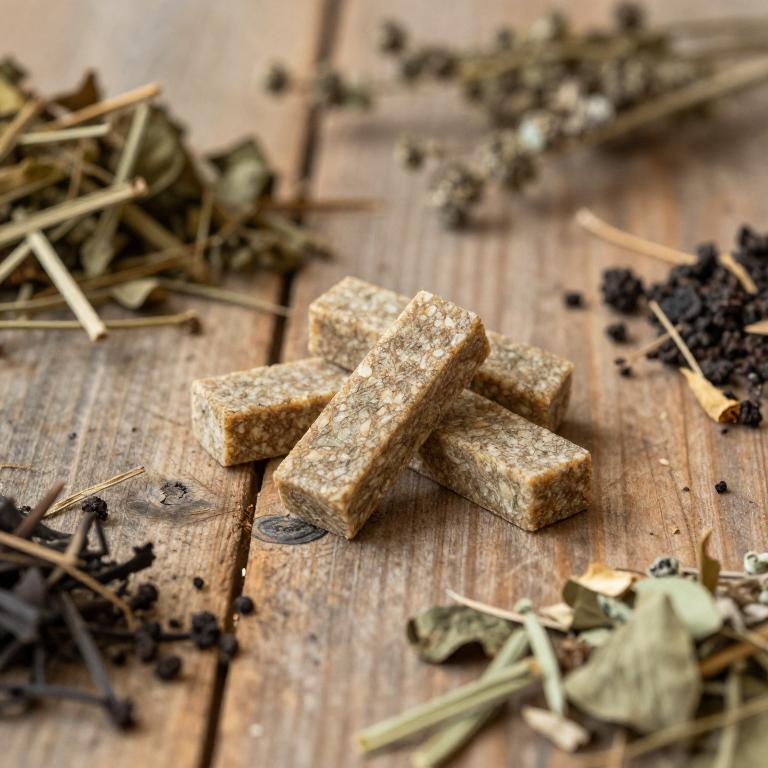
Thymus vulgaris herbal lozenges, derived from the common thyme plant, are traditionally used to support overall body odor management by promoting healthy digestion and respiratory function.
These lozenges contain essential oils and phytochemicals that may help neutralize unpleasant odors at the source by supporting natural detoxification processes. Thyme is known for its antimicrobial and antifungal properties, which can contribute to reducing the growth of odor-causing bacteria on the skin and in the digestive tract. Regular use of thymus vulgaris lozenges may help maintain a balanced internal environment, thereby supporting fresh breath and reducing body odor naturally.
As a complementary health support, these lozenges are often used alongside other holistic practices for improved personal hygiene and well-being.
7. Geranium (Pelargonium graveolens)
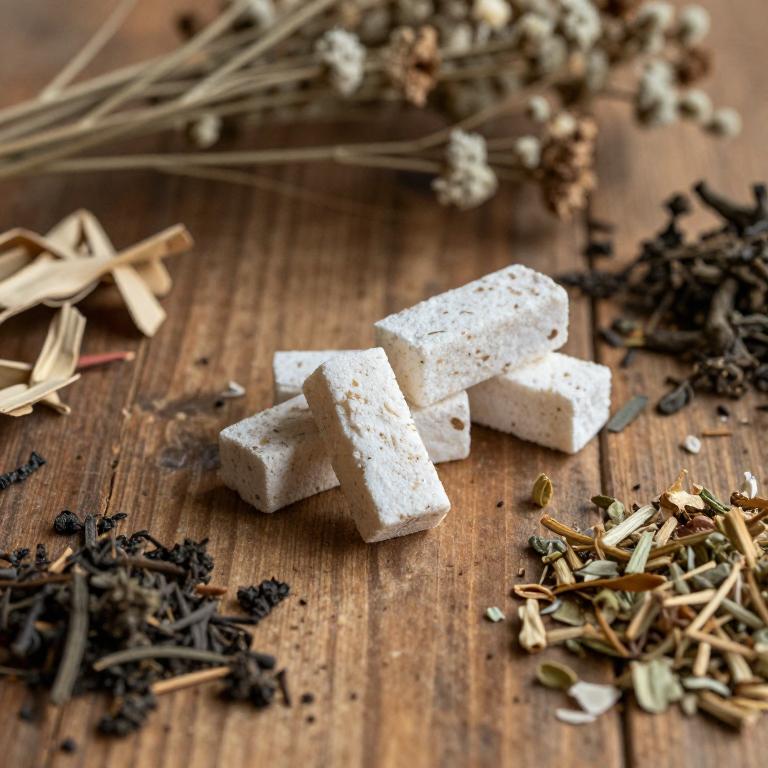
Pelargonium graveolens, commonly known as geranium, is a herbal ingredient used in lozenges to help combat body odor.
These lozenges work by promoting natural sweating and detoxification, which can reduce the buildup of odor-causing bacteria on the skin. The plant's essential oils have antimicrobial properties that help neutralize unpleasant smells. When used regularly, geranium-based lozenges can support a balanced body odor profile.
They are a natural alternative to synthetic deodorants, offering a pleasant and refreshing scent without harsh chemicals.
8. Ginger (Zingiber officinale)
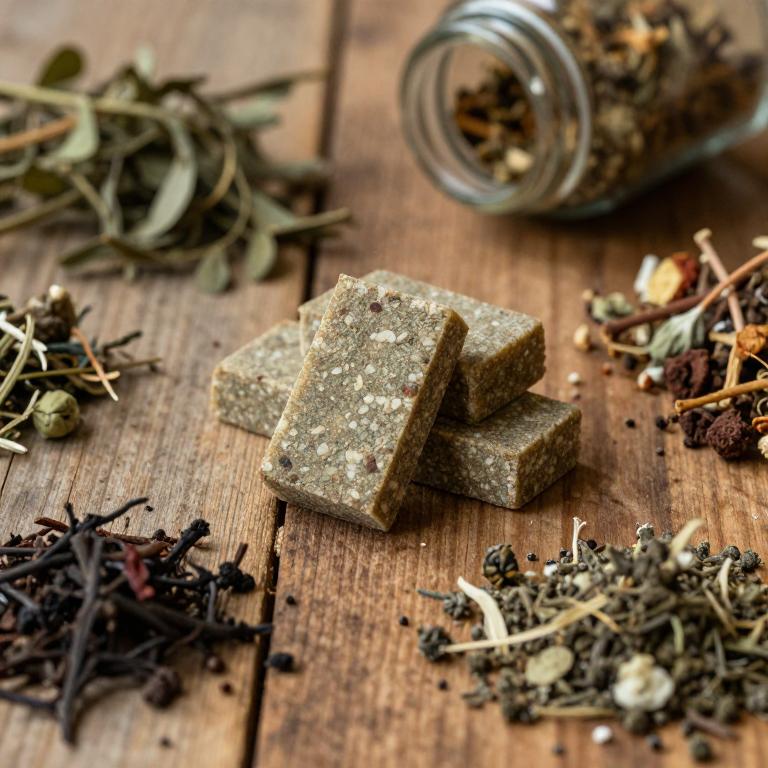
Zingiber officinale, commonly known as ginger, is a popular herbal remedy that has been used for centuries for its medicinal properties.
When formulated into herbal lozenges, ginger can help combat body odor by promoting digestion and reducing the buildup of harmful bacteria in the gut, which are often linked to unpleasant body smells. These lozenges work by supporting the body's natural detoxification processes and improving overall metabolic function. Additionally, ginger has natural antimicrobial and anti-inflammatory properties that can further aid in maintaining fresh breath and reducing odor.
As a natural alternative to synthetic deodorants, ginger lozenges offer a holistic approach to managing body odor through internal health support.
9. Greek oregano (Satureja hortensis)
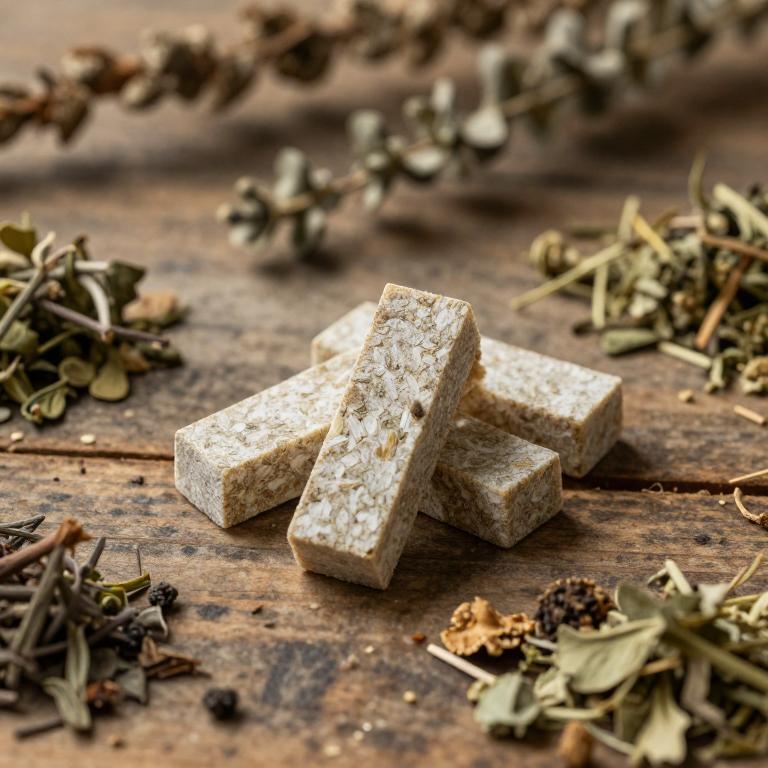
Satureja hortensis, commonly known as summer savory, is a herbal ingredient used in the formulation of lozenges designed to combat body odor.
These lozenges work by promoting oral hygiene and reducing the bacterial growth that contributes to unpleasant odors. The plant’s essential oils have natural antimicrobial properties that help neutralize malodors at the source. Regular use of satureja hortensis lozenges can support fresh breath and a cleaner body scent throughout the day.
They are a natural and gentle alternative for individuals seeking to manage body odor without harsh chemical additives.
10. Salvia (Salvia officinalis)
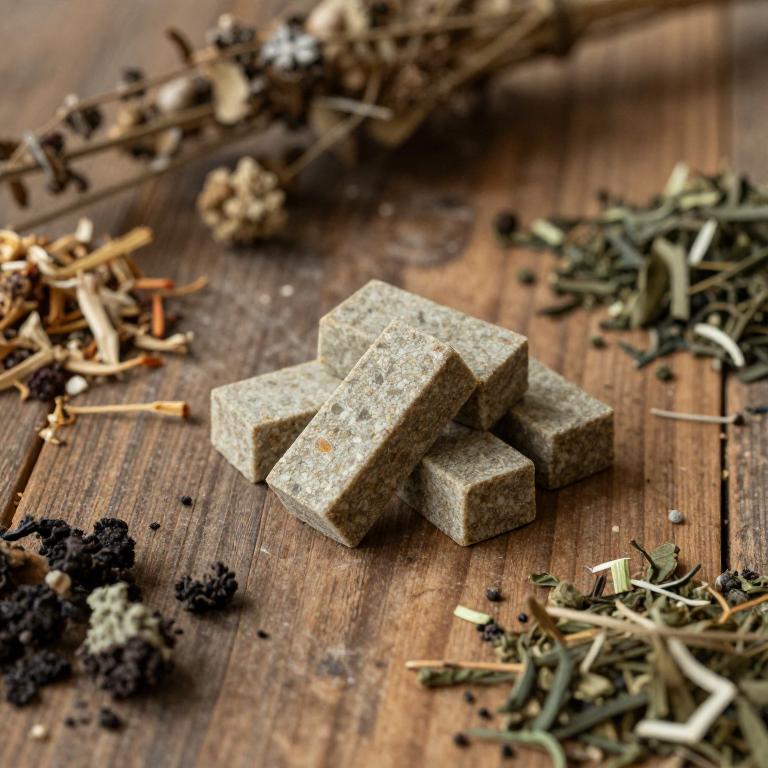
Salvia officinalis, commonly known as sage, has been traditionally used for its aromatic and antimicrobial properties, making it a valuable ingredient in herbal lozenges for body odor management.
These lozenges work by neutralizing odor-causing bacteria on the tongue and in the oral cavity, which can contribute to overall body odor. The essential oils in sage, such as thujone and camphor, help to freshen breath and reduce malodors by inhibiting the growth of odor-producing microorganisms. Additionally, sage has a drying effect on the mouth, which can help reduce excess moisture that may lead to bacterial proliferation.
As a natural alternative to conventional oral care products, sage-based lozenges offer a gentle yet effective way to maintain fresh breath and support overall oral hygiene.