10 Best Herbal Juices For Body Odor
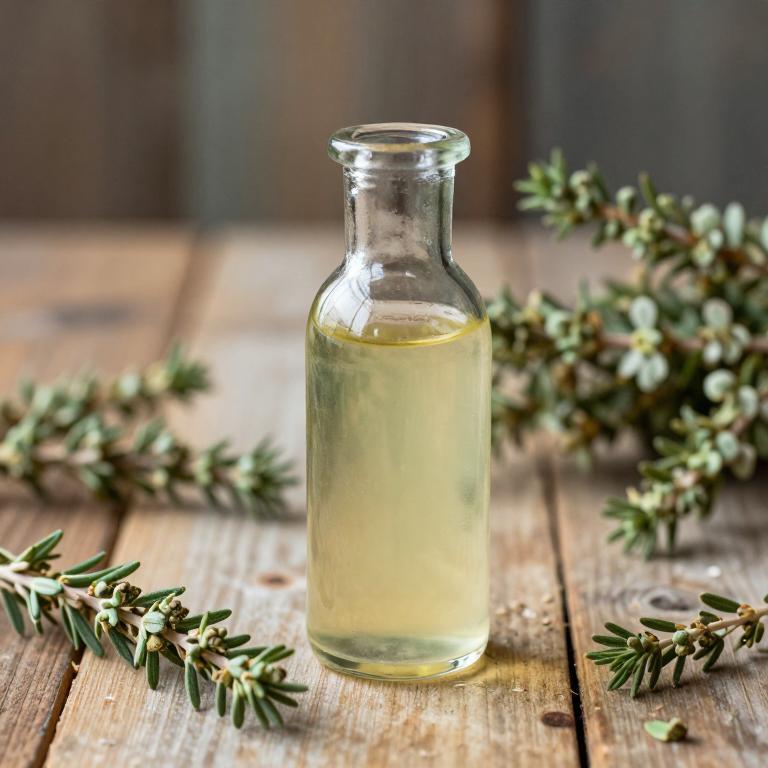
Herbal juices have gained popularity as a natural remedy for body odor due to their detoxifying and antimicrobial properties.
Ingredients like parsley, mint, ginger, and cilantro are commonly used because they help neutralize odors and promote healthy digestion. These juices can support the body's natural detox processes, reducing the buildup of toxins that may contribute to unpleasant body smells. Regular consumption of herbal juices can also help balance internal pH levels, which can influence body odor.
While they are not a cure-all, herbal juices can be a beneficial addition to a holistic approach for managing body odor.
Table of Contents
- 1. Rosemary (Rosmarinus officinalis)
- 2. Peppermint (Mentha piperita)
- 3. Eucalyptus (Eucalyptus globulus)
- 4. Black pepper (Piper nigrum)
- 5. Ginger (Zingiber officinale)
- 6. Geranium (Pelargonium graveolens)
- 7. Turmeric (Curcuma longa)
- 8. English lavender (Lavandula angustifolia)
- 9. Sandalwood (Santalum album)
- 10. Lemon grass (Cymbopogon citratus)
1. Rosemary (Rosmarinus officinalis)
Rosmarinus officinalis, commonly known as rosemary, is a fragrant herb that has been traditionally used for its aromatic and therapeutic properties.
Rosemary herbal juices are derived from the fresh or dried leaves of this plant, which are rich in essential oils, antioxidants, and other bioactive compounds. These juices are believed to help reduce body odor by promoting detoxification and improving metabolic function through their stimulating effects on the liver and digestive system. Some studies suggest that the compounds in rosemary may help neutralize odors at the source by supporting natural bodily processes.
As a natural alternative to conventional deodorants, rosemary herbal juices offer a holistic approach to managing body odor with minimal side effects.
2. Peppermint (Mentha piperita)
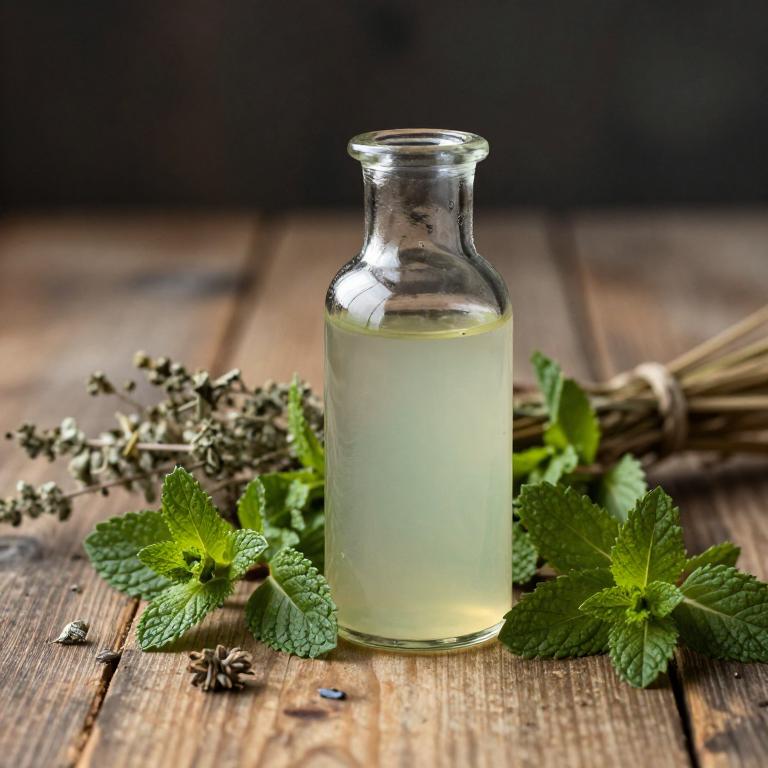
Mentha piperita, commonly known as peppermint, is a popular herb used in the formulation of herbal juices aimed at reducing body odor.
These juices are often enriched with other natural ingredients like lemon, ginger, and green tea to enhance their effectiveness and flavor. Peppermint is valued for its refreshing aroma and its ability to stimulate perspiration, which can help in detoxifying the body and reducing odor-causing bacteria. Regular consumption of peppermint herbal juices may support digestive health, which in turn can contribute to improved body odor.
However, it is important to consult a healthcare professional before incorporating such juices into your routine, especially if you have underlying health conditions or are on medication.
3. Eucalyptus (Eucalyptus globulus)
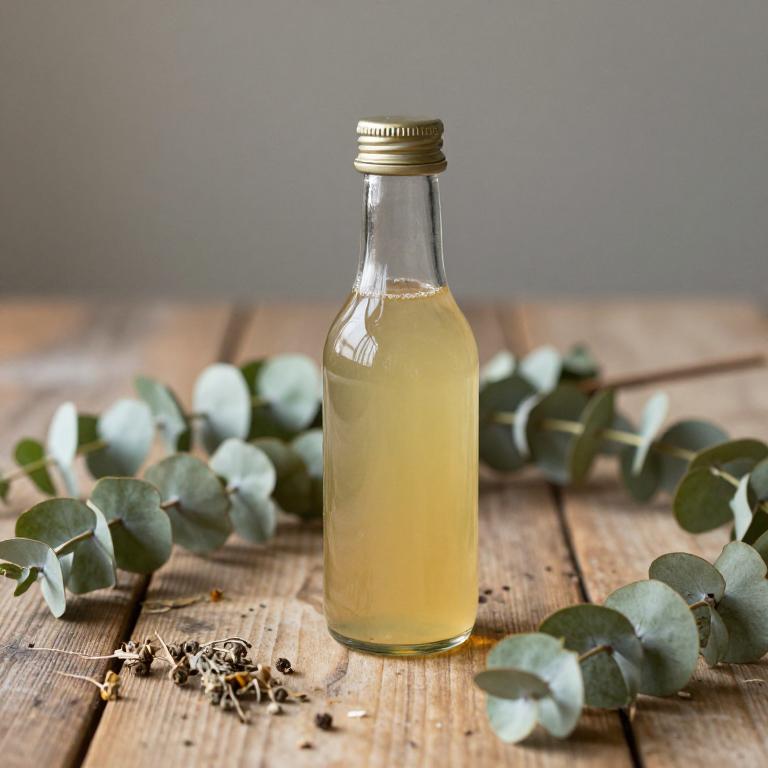
Eucalyptus globulus, commonly known as the Australian eucalyptus, is widely used in herbal juices for its natural properties that can help reduce body odor.
The essential oils extracted from this plant contain compounds like cineole and terpinene, which have antimicrobial and deodorizing effects. When consumed as part of a herbal juice, eucalyptus globulus may help neutralize odors by supporting healthy bodily functions and reducing the growth of odor-causing bacteria. Its refreshing aroma also contributes to a sense of cleanliness and freshness.
However, it is important to consult with a healthcare professional before incorporating eucalyptus-based products into your routine, especially if you have any underlying health conditions.
4. Black pepper (Piper nigrum)

Piper nigrum, commonly known as black pepper, is often used in herbal juices to help combat body odor due to its antimicrobial and detoxifying properties.
The essential oils in black pepper can help eliminate odor-causing bacteria on the skin and in the digestive system. When consumed as part of a herbal juice blend, it may support healthy digestion and reduce internal toxins that contribute to body odor. However, it is important to use black pepper in moderation, as excessive intake can cause irritation or digestive discomfort.
While it may offer some benefits, it is best used as part of a holistic approach to personal hygiene and overall health.
5. Ginger (Zingiber officinale)
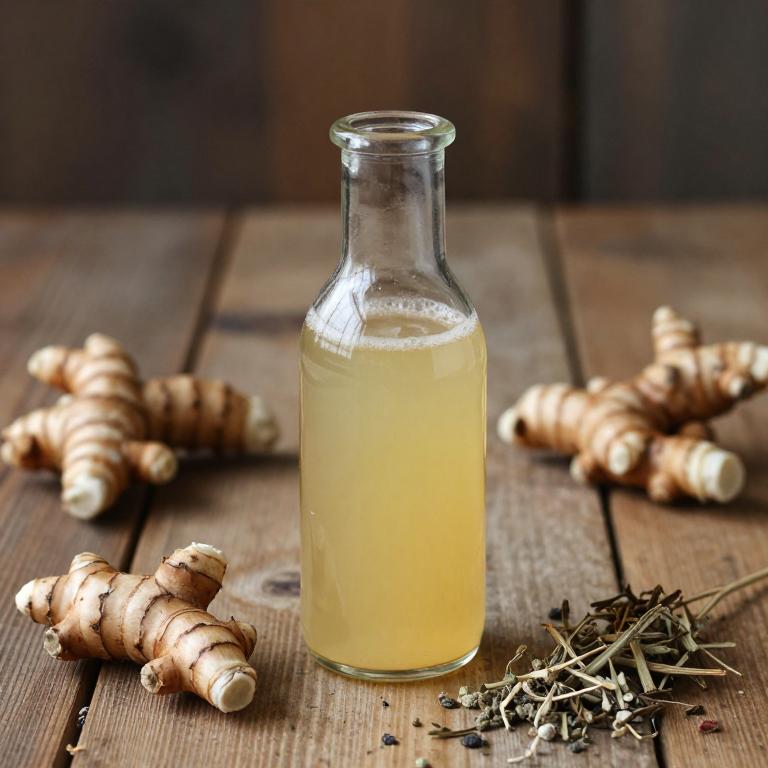
Zingiber officinale, commonly known as ginger, has been traditionally used for its aromatic and therapeutic properties, and its juice can be a natural remedy for body odor.
The essential oils in ginger juice, such as gingerol and shogaol, have antimicrobial properties that help reduce the growth of odor-causing bacteria on the skin. When consumed internally, ginger juice can support digestion and detoxification, which may indirectly help in reducing body odor by improving metabolic function. Applying diluted ginger juice topically can also provide a refreshing scent and help combat unpleasant odors.
However, it is important to use it in moderation and consult a healthcare professional, especially for those with sensitive skin or existing health conditions.
6. Geranium (Pelargonium graveolens)
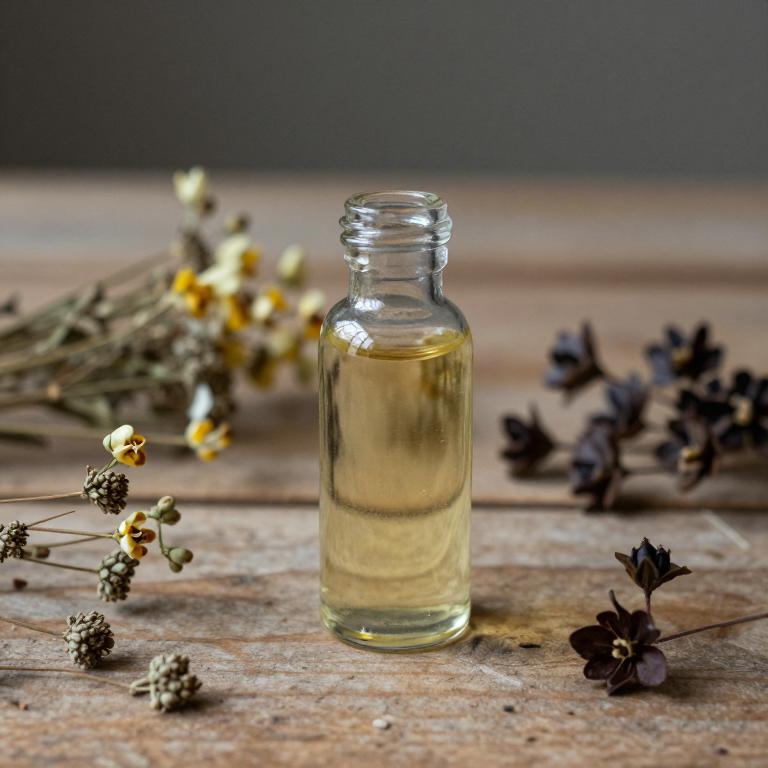
Pelargonium graveolens, commonly known as the geranium plant, has been traditionally used in herbal medicine for its potential benefits in reducing body odor.
The essential oils extracted from its leaves contain compounds like citronellol and geraniol, which possess natural antibacterial and antifungal properties. These properties may help combat the bacteria responsible for body odor by inhibiting their growth on the skin. Some people use diluted geranium essential oil in their personal care routines to help manage unpleasant odors.
However, it is important to consult a healthcare professional before using it internally or in significant quantities, as it can be potent and may cause skin irritation in some individuals.
7. Turmeric (Curcuma longa)
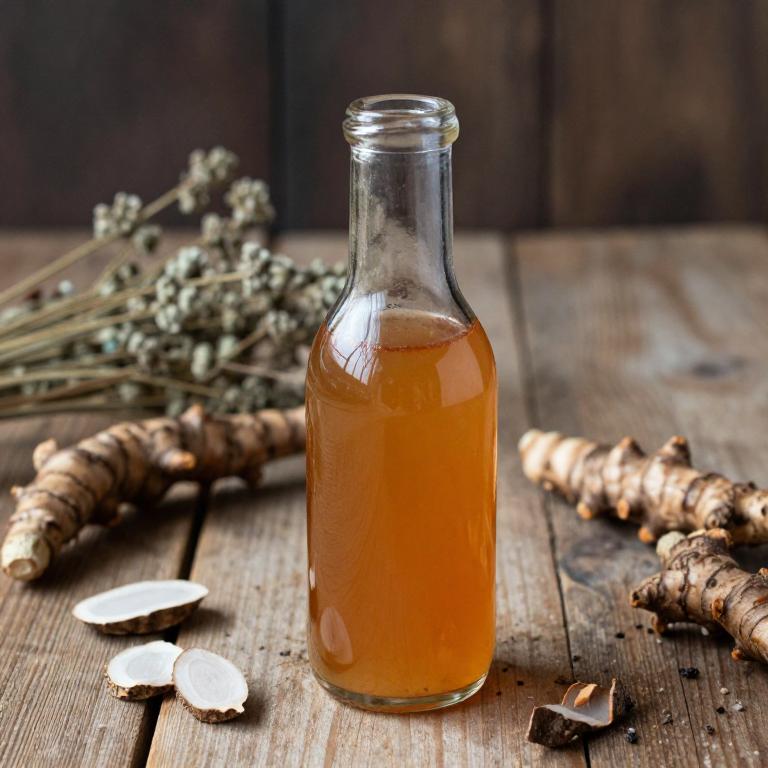
Curcuma longa, commonly known as turmeric, is a popular herbal remedy that has been used for centuries in traditional medicine for its anti-inflammatory and antioxidant properties.
Turmeric-based herbal juices are believed to support overall health and may help in reducing body odor by promoting detoxification and improving digestion. The active compound in turmeric, curcumin, has antimicrobial properties that can inhibit the growth of odor-causing bacteria on the skin. Regular consumption of turmeric juice may also help balance the body's internal systems, contributing to a more natural and fresh body scent.
While turmeric can be a beneficial addition to a holistic approach for body odor, it is important to consult with a healthcare professional before incorporating it into your routine, especially if you have any underlying health conditions.
8. English lavender (Lavandula angustifolia)
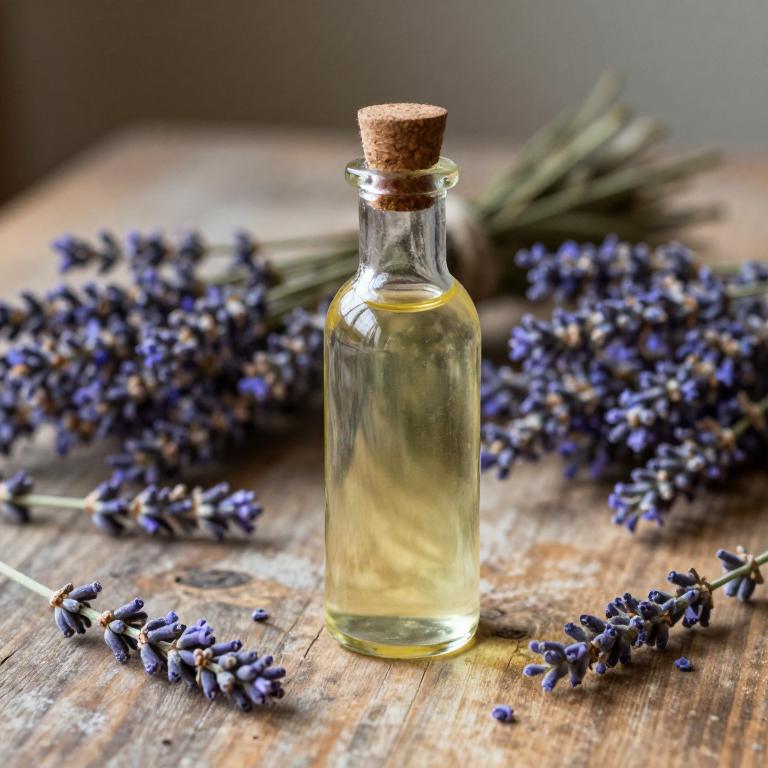
Lavandula angustifolia, commonly known as English lavender, is often used in herbal juices to help manage body odor due to its natural antibacterial and anti-inflammatory properties.
The essential oils in lavender have been shown to inhibit the growth of odor-causing bacteria on the skin, making it a popular natural remedy for reducing unpleasant body smells. When consumed as part of a herbal juice, lavender can support overall skin health and detoxification, contributing to a more balanced body odor. However, it is important to use lavender in moderation and consult with a healthcare professional, especially for individuals with allergies or specific health conditions.
Incorporating lavender into a daily herbal routine may offer a gentle and holistic approach to maintaining fresh-smelling skin and reducing body odor naturally.
9. Sandalwood (Santalum album)

Santalum album, commonly known as sandalwood, has been traditionally used in herbal remedies for its soothing and aromatic properties.
When incorporated into herbal juices, it is believed to help reduce body odor by balancing the body's internal environment and promoting detoxification. The essential oils in sandalwood possess antibacterial and deodorizing qualities that may neutralize unpleasant smells at their source. Regular consumption of sandalwood-based herbal juices is thought to support skin health and enhance natural body fragrance.
While more scientific research is needed, many users report improved freshness and confidence in their daily lives through the use of these natural remedies.
10. Lemon grass (Cymbopogon citratus)
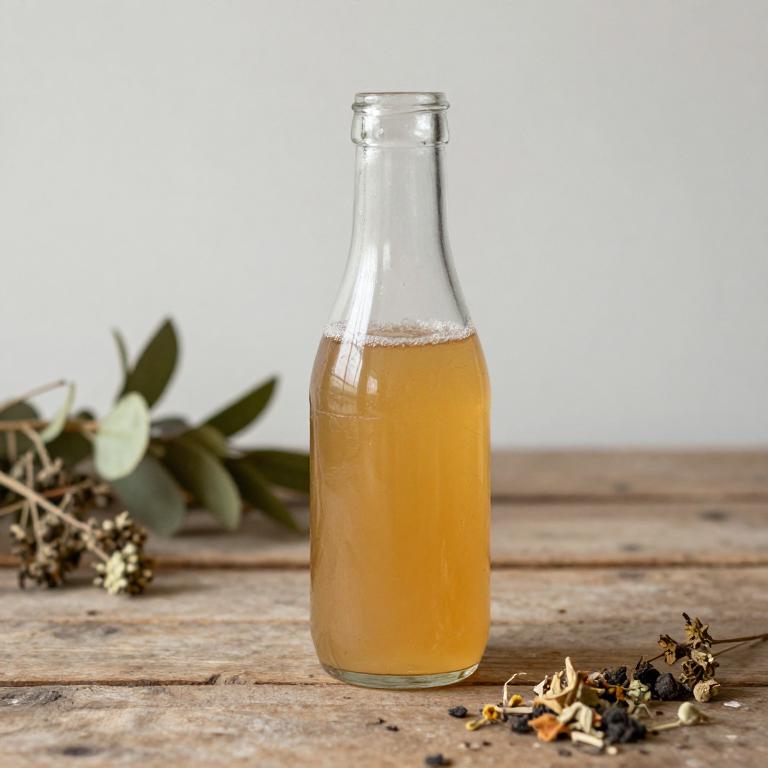
Cymbopogon citratus, commonly known as lemon grass, is a versatile herb that has been traditionally used for its aromatic and therapeutic properties.
Lemon grass herbal juices are gaining popularity for their natural ability to combat body odor due to their antimicrobial and deodorizing effects. The essential oils in lemon grass, particularly citral, help neutralize odor-causing bacteria on the skin. Regular consumption of lemon grass juice can support internal detoxification and promote a fresher body scent.
Incorporating cymbopogon citratus into daily routines through juices or topical applications can be a holistic approach to maintaining hygiene and freshness.