10 Best Herbal Essential Oils For Body Odor
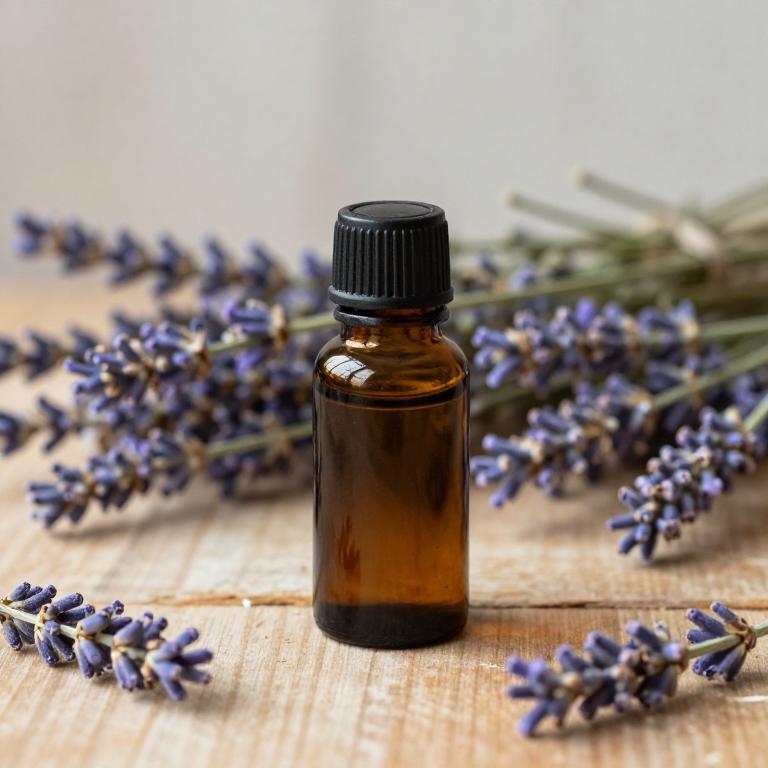
Herbal essential oils are natural extracts derived from plants and are widely used for their aromatic and therapeutic properties, including their ability to combat body odor.
These oils, such as lavender, tea tree, and peppermint, possess antimicrobial and deodorizing qualities that help neutralize odors at their source. When applied topically or diffused into the air, they can provide a refreshing scent and promote a clean, fresh feeling on the skin. Many people prefer essential oils over synthetic deodorants because they are more natural and can be customized to individual preferences.
However, it is important to use them properly, as some oils may cause skin irritation if not diluted correctly.
Table of Contents
- 1. English lavender (Lavandula angustifolia)
- 2. Rosemary (Rosmarinus officinalis)
- 3. Eucalyptus (Eucalyptus globulus)
- 4. Ceylon cinnamon (Cinnamomum zeylanicum)
- 5. Lemon grass (Cymbopogon citratus)
- 6. Melaleuca (Melaleuca alternifolia)
- 7. Thyme (Thymus vulgaris)
- 8. Geranium (Pelargonium graveolens)
- 9. Lemon (Citrus limon)
- 10. Black pepper (Piper nigrum)
1. English lavender (Lavandula angustifolia)
Lavandula angustifolia, commonly known as English lavender, is widely recognized for its calming properties and pleasant fragrance, making it a popular choice for use in essential oils.
The essential oil derived from this plant contains compounds such as linalool and linalyl acetate, which are known for their antimicrobial and deodorizing effects. When used in aromatherapy or applied topically, lavender essential oil can help neutralize body odor by reducing the growth of odor-causing bacteria on the skin. Its soothing aroma also provides a refreshing and uplifting effect, making it ideal for use in personal care products or diffusers.
Overall, lavender essential oil is a natural and effective option for managing body odor while promoting a sense of well-being.
2. Rosemary (Rosmarinus officinalis)
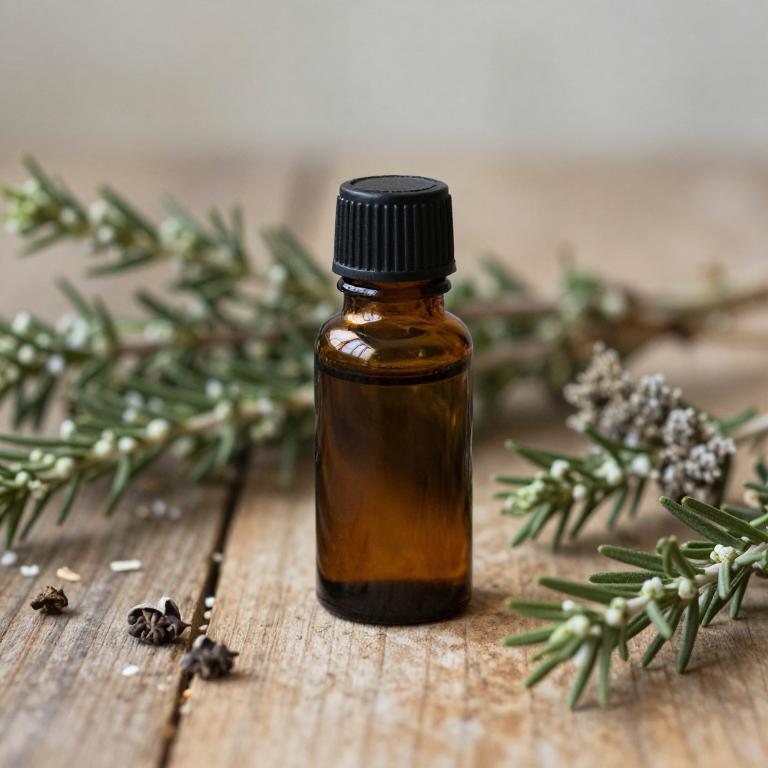
Rosmarinus officinalis, commonly known as rosemary, is a versatile herb whose essential oil is widely used for its aromatic and therapeutic properties.
The essential oil of rosemary is known for its fresh, herbaceous scent, which can effectively help in combating body odor by neutralizing unpleasant smells. It is often used in personal care products such as deodorants, perfumes, and body sprays due to its natural antiseptic and deodorizing qualities. The oil contains compounds like camphor and pinene that contribute to its ability to absorb and neutralize odors at the skin level.
Incorporating rosemary essential oil into daily routines can offer a natural and refreshing way to manage body odor while promoting a sense of well-being.
3. Eucalyptus (Eucalyptus globulus)
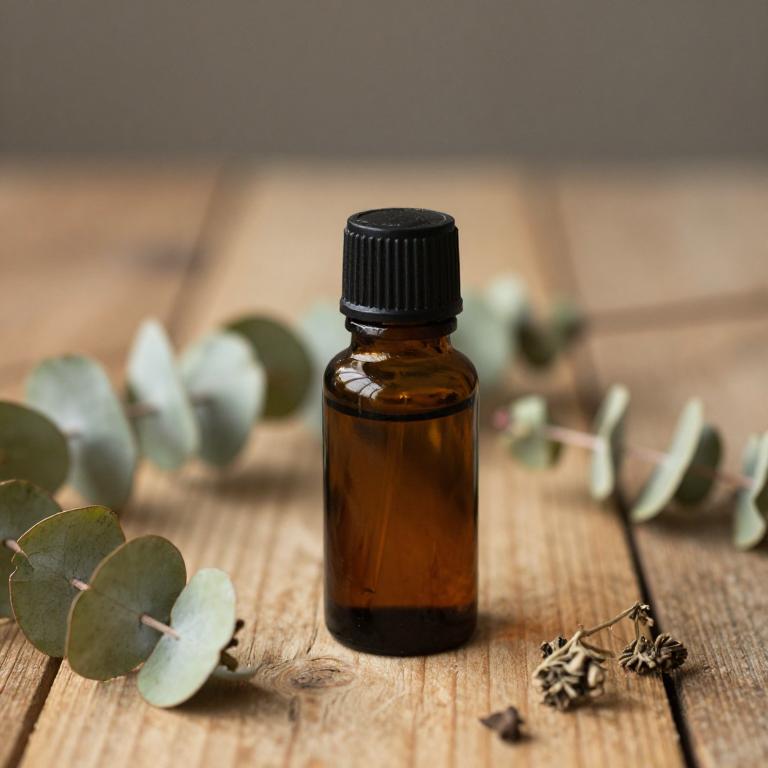
Eucalyptus globulus, commonly known as Australian eucalyptus, is a popular source of herbal essential oils widely used for its refreshing and invigorating properties.
The essential oil derived from its leaves contains potent compounds like eucalyptol and cineole, which are known for their antimicrobial and deodorizing effects. When used in aromatherapy or topical applications, eucalyptus globulus essential oil can help neutralize body odor by reducing bacterial growth on the skin. Its crisp, camphor-like scent makes it a natural choice for personal care products aimed at combating unpleasant odors.
However, it is important to dilute the oil properly before applying it to the skin to avoid irritation.
4. Ceylon cinnamon (Cinnamomum zeylanicum)
Cinnamomum zeylanicum, commonly known as cinnamon bark, is a popular source of essential oils used for its aromatic and therapeutic properties.
The essential oil derived from this plant is known for its warm, spicy, and sweet scent, making it a favored ingredient in aromatherapy and personal care products. When used in diffusers or topical applications, cinnamon essential oil can help mask body odor by promoting a fresh, invigorating fragrance. Its antimicrobial properties may also help reduce the growth of odor-causing bacteria on the skin.
However, it is important to dilute the oil properly before use and consult a healthcare professional, especially for those with sensitive skin or existing health conditions.
5. Lemon grass (Cymbopogon citratus)
Cymbopogon citratus, commonly known as lemongrass, is a popular herb used in the production of essential oils that are widely recognized for their natural ability to combat body odor.
The essential oil derived from lemongrass contains compounds like citral and geraniol, which possess antimicrobial properties that help reduce the growth of odor-causing bacteria on the skin. Due to its refreshing citrus scent, lemongrass essential oil is often used in personal care products such as deodorants, body sprays, and roll-ons to provide a pleasant, long-lasting fragrance. Its ability to neutralize odors makes it a valuable ingredient in natural alternatives to conventional deodorants.
Overall, lemongrass essential oil offers a safe and effective solution for managing body odor while promoting a clean and invigorating scent.
6. Melaleuca (Melaleuca alternifolia)
Melaleuca alternifolia, commonly known as tea tree oil, is a popular essential oil derived from the leaves of the Melaleuca alternifolia plant, native to Australia.
It is widely recognized for its potent antimicrobial properties, which make it effective in combating bacteria, fungi, and viruses that can contribute to body odor. When used topically, tea tree oil can help reduce the growth of odor-causing microorganisms on the skin, making it a natural alternative to conventional deodorants. Its refreshing and woody scent also adds a pleasant aroma, enhancing its appeal for personal care.
However, it should be diluted with a carrier oil before application to avoid skin irritation and ensure safe use.
7. Thyme (Thymus vulgaris)
Thymus vulgaris, commonly known as thyme, is a popular herb used in the production of essential oils that are valued for their aromatic and therapeutic properties.
The essential oil derived from thyme is known for its strong, sharp, and slightly camphoraceous scent, which makes it a versatile ingredient in natural perfumes and body care products. It is often used in aromatherapy to help combat body odor due to its antimicrobial and deodorizing qualities. The oil can be diluted with a carrier oil and applied topically to the skin to help neutralize unpleasant odors and leave a fresh, herbal scent.
Additionally, thyme essential oil is believed to support overall skin health and may help in reducing the growth of odor-causing bacteria on the body.
8. Geranium (Pelargonium graveolens)
Pelargonium graveolens, commonly known as geranium, is a plant widely used for its essential oils, which are valued for their aromatic and therapeutic properties.
The essential oil extracted from its leaves contains a complex blend of compounds such as geraniol, linalool, and citronellol, which contribute to its fresh, floral, and slightly woody scent. These oils are often utilized in natural remedies to help combat body odor due to their antimicrobial and deodorizing effects. When applied topically or used in aromatherapy, geranium essential oil can help neutralize unpleasant odors and promote a sense of cleanliness and freshness.
Its versatility makes it a popular choice in personal care products and natural deodorizers.
9. Lemon (Citrus limon)
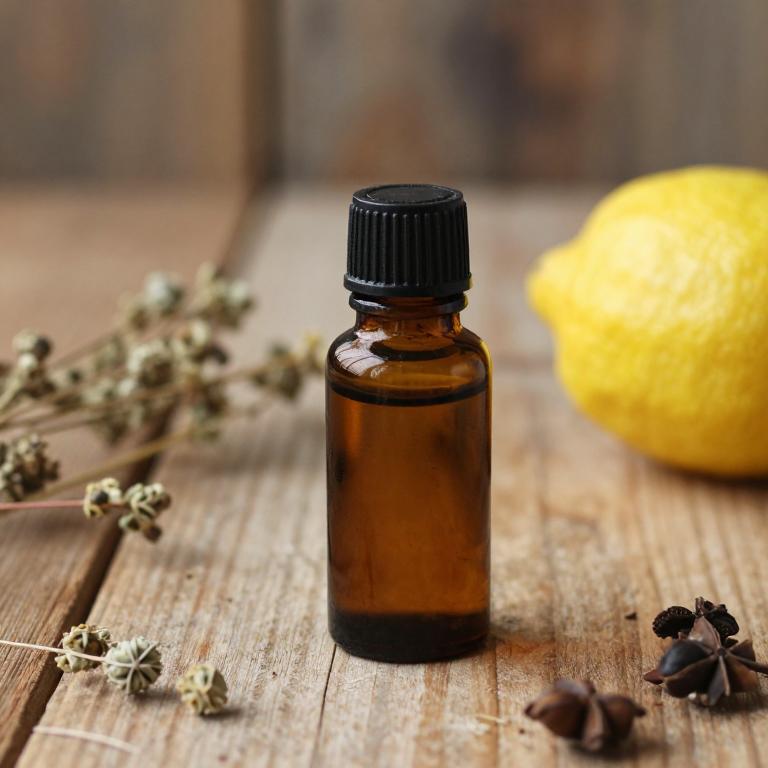
Citrus limon, commonly known as lemon, is a popular source of essential oils that are widely used for their refreshing and aromatic properties.
These essential oils are known to have a bright, uplifting scent that can help neutralize body odor and promote a sense of cleanliness. The antimicrobial and astringent properties of lemon essential oil make it effective in reducing the growth of odor-causing bacteria on the skin. When used in diffusers, sprays, or topical applications, citrus limon essential oils can provide a natural and pleasant way to manage body odor.
Incorporating lemon essential oil into personal care routines can offer both therapeutic benefits and a fresh, invigorating fragrance.
10. Black pepper (Piper nigrum)
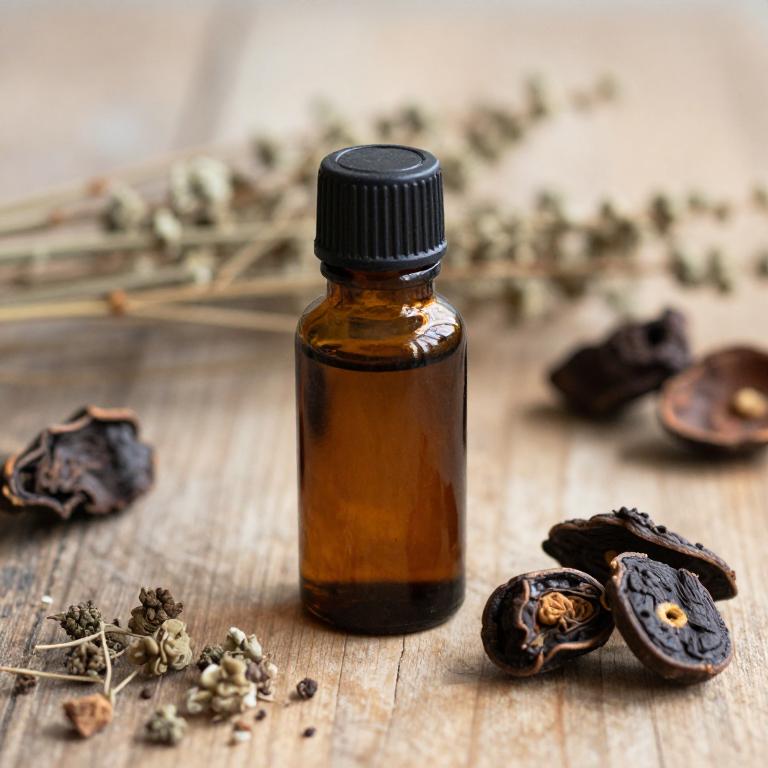
Piper nigrum, commonly known as black pepper, contains essential oils that have been traditionally used for their aromatic and therapeutic properties.
The essential oil derived from black pepper is rich in compounds like limonene and eugenol, which contribute to its stimulating and warming effects. When used in aromatherapy or topical applications, piper nigrum essential oil can help mask body odor by promoting a fresh, spicy scent. Its natural antimicrobial properties may also help reduce the bacteria that contribute to unpleasant body odors.
However, it should be diluted properly before use to avoid skin irritation and is best used as part of a holistic approach to personal hygiene.