10 Best Herbal Capsules For Blocked Nose

Herbal capsules are a natural alternative for relieving symptoms of a blocked nose, often containing ingredients like eucalyptus, ginger, and garlic that have decongestant and anti-inflammatory properties.
These capsules work by reducing nasal swelling and thinning mucus, making it easier to breathe through the nose. They are generally considered safe for most people, though individuals with allergies or chronic conditions should consult a healthcare provider before use. Many herbal capsules are available over-the-counter and can be used as part of a holistic approach to managing nasal congestion.
However, their effectiveness may vary, and they should not replace medical treatment for severe or persistent nasal blockage.
Table of Contents
- 1. Ginger (Zingiber officinale)
- 2. Echinacea (Echinacea purpurea)
- 3. Eucalyptus (Eucalyptus globulus)
- 4. Stinging nettle (Urtica dioica)
- 5. Black pepper (Piper nigrum)
- 6. Peppermint (Mentha piperita)
- 7. Turmeric (Curcuma longa)
- 8. Ceylon cinnamon (Cinnamomum verum)
- 9. Salvia (Salvia officinalis)
- 10. Licorice (Glycyrrhiza glabra)
1. Ginger (Zingiber officinale)
Zingiber officinale, commonly known as ginger, has been traditionally used to alleviate symptoms of a blocked nose due to its natural anti-inflammatory and decongestant properties.
When formulated into herbal capsules, zingiber officinale can provide a convenient and effective alternative for those seeking natural remedies for nasal congestion. The active compounds in ginger, such as gingerol and shogaol, help reduce inflammation in the nasal passages and promote mucus drainage. These capsules are often well-tolerated and can be used alongside conventional treatments for mild to moderate nasal blockage.
However, it is advisable to consult a healthcare professional before starting any new herbal supplement, especially for individuals with existing health conditions or those taking other medications.
2. Echinacea (Echinacea purpurea)
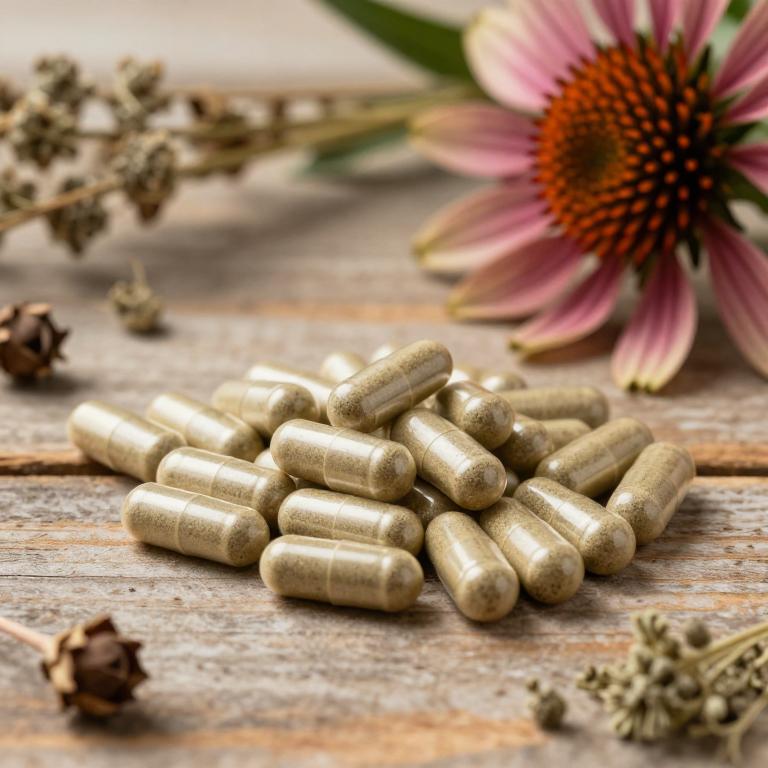
Echinacea purpurea herbal capsules are commonly used to support respiratory health and may help alleviate symptoms of a blocked nose by reducing inflammation and boosting the immune system.
These capsules contain standardized extracts of the purple coneflower, which has been traditionally used in herbal medicine for its potential anti-inflammatory and antimicrobial properties. Some studies suggest that echinacea may shorten the duration of colds and reduce nasal congestion, though results can vary among individuals. When taken as directed, echinacea capsules are generally considered safe for most adults, though they may cause mild side effects in some people.
It is advisable to consult a healthcare provider before starting any new herbal supplement, especially for those with allergies or existing medical conditions.
3. Eucalyptus (Eucalyptus globulus)

Eucalyptus globulus, commonly known as eucalyptus oil, is often used in herbal capsules to help alleviate symptoms of a blocked nose.
These capsules contain concentrated extracts of the eucalyptus plant, which are known for their decongestant and anti-inflammatory properties. The active compounds in eucalyptus globulus, such as cineole, can help reduce mucus production and ease nasal congestion. When taken as directed, these herbal capsules may provide natural relief for individuals suffering from colds, allergies, or sinus infections.
However, it is important to consult with a healthcare professional before use, especially for those with underlying health conditions or who are taking other medications.
4. Stinging nettle (Urtica dioica)
Urtica dioica, commonly known as stinging nettle, is a herbal remedy that has been traditionally used for its anti-inflammatory and decongestant properties.
Urtica dioica herbal capsules may help alleviate symptoms of a blocked nose by reducing nasal congestion and inflammation in the respiratory tract. The active compounds in stinging nettle, such as flavonoids and lignans, are believed to support immune function and ease respiratory discomfort. These capsules are often used as a natural alternative to conventional decongestants, particularly for individuals seeking herbal solutions.
However, it is important to consult a healthcare professional before use, especially for those with allergies or chronic health conditions.
5. Black pepper (Piper nigrum)
Piper nigrum, commonly known as black pepper, is a traditional herbal remedy that has been used for centuries to support respiratory health.
When formulated into herbal capsules, piper nigrum may help alleviate symptoms of a blocked nose by promoting nasal decongestion and reducing inflammation in the airways. The active compound, piperine, is believed to enhance circulation and stimulate mucus secretion, thereby clearing nasal passages. These capsules are often used as a natural alternative to over-the-counter decongestants, though they should be taken with caution and under the guidance of a healthcare professional.
While some studies suggest potential benefits, more research is needed to fully understand their efficacy and safety for treating nasal congestion.
6. Peppermint (Mentha piperita)
Mentha piperita, commonly known as peppermint, is often used in herbal capsules to alleviate symptoms of a blocked nose due to its decongestant and anti-inflammatory properties.
The essential oils in peppermint, particularly menthol, help to stimulate the nasal passages and promote clearer breathing by reducing mucus buildup. These herbal capsules are a natural alternative to over-the-counter decongestants, offering a gentler and potentially longer-lasting relief for nasal congestion. They are typically safe for most adults when used as directed, though individuals with asthma or certain allergies should consult a healthcare provider before use.
Regular use of peppermint herbal capsules can support respiratory health and provide comfort during colds or sinus infections.
7. Turmeric (Curcuma longa)

Curcuma longa, commonly known as turmeric, is often used in herbal formulations to support respiratory health, including alleviating symptoms of a blocked nose.
The active compound in turmeric, curcumin, possesses anti-inflammatory and antioxidant properties that may help reduce nasal congestion by decreasing inflammation in the nasal passages. While scientific evidence supporting its effectiveness for nasal blockage is limited, some studies suggest that curcumin may enhance mucociliary clearance and reduce mucus production. Herbal capsules containing curcuma longa are typically taken orally and may be combined with other herbs like eucalyptus or ginger for enhanced effects.
As with any supplement, it is important to consult a healthcare provider before use, especially if you have underlying health conditions or are taking other medications.
8. Ceylon cinnamon (Cinnamomum verum)

Cinnamomum verum, also known as true cinnamon, contains essential oils and phytochemicals that may help alleviate symptoms of a blocked nose by reducing inflammation and improving nasal airflow.
The active compounds in cinnamon, such as cinnamaldehyde and eugenol, have antimicrobial and decongestant properties that can support respiratory health. When taken as herbal capsules, Cinnamomum verum may help clear nasal passages and relieve congestion associated with colds or allergies. However, it is important to consult a healthcare professional before using cinnamon supplements, especially for prolonged periods or in combination with other medications.
While some studies suggest potential benefits, more research is needed to fully understand its efficacy and safety for treating nasal blockage.
9. Salvia (Salvia officinalis)
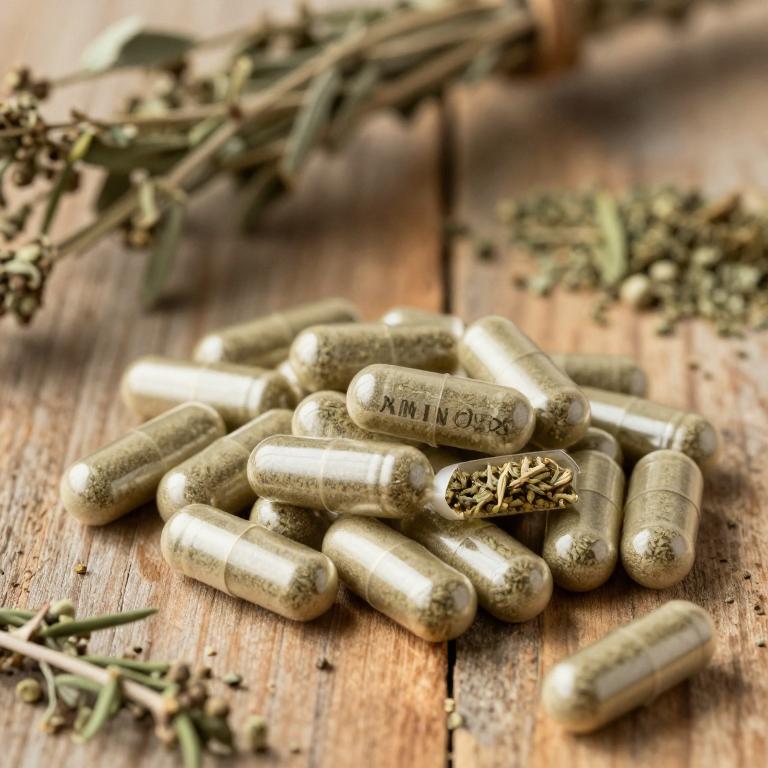
Salvia officinalis, commonly known as sage, has been traditionally used for its potential respiratory benefits, including alleviating symptoms of a blocked nose.
Herbal capsules containing sage extract may help reduce nasal congestion by acting as a natural decongestant and anti-inflammatory agent. These capsules are often made from standardized extracts to ensure consistent potency and effectiveness. They are typically taken orally, and may be combined with other herbs like eucalyptus or peppermint for enhanced relief.
However, it is important to consult with a healthcare professional before using sage capsules, especially for prolonged periods or in conjunction with other medications.
10. Licorice (Glycyrrhiza glabra)
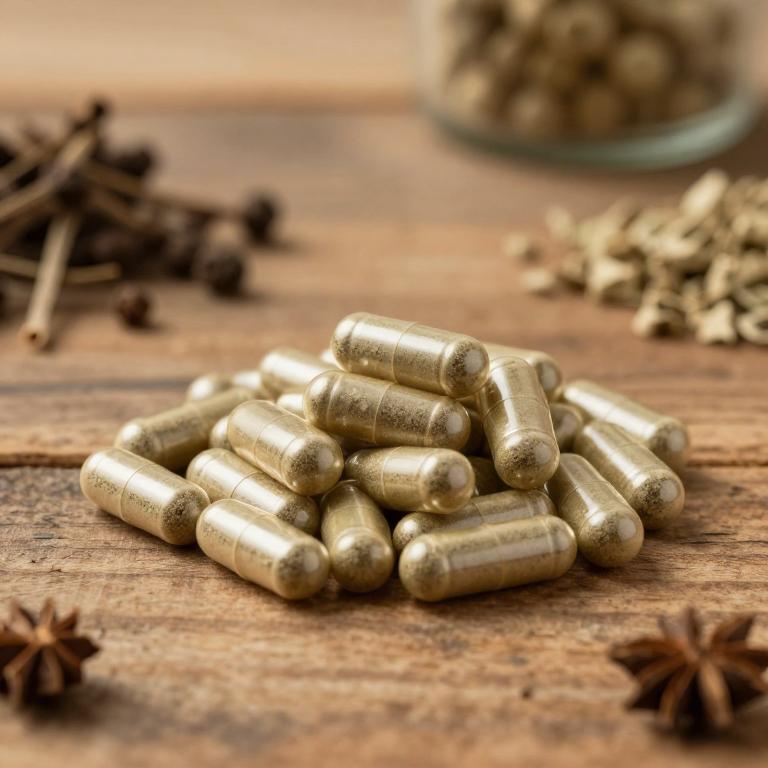
Glycyrrhiza glabra, commonly known as licorice root, has been traditionally used in herbal medicine for its potential to alleviate respiratory symptoms, including a blocked nose.
The active compounds in licorice root, such as glycyrrhizin and flavonoids, may help reduce inflammation and mucus production in the nasal passages. Glycyrrhiza glabra herbal capsules are often used as a natural remedy to soothe congestion and improve breathing. However, long-term use of licorice root can lead to side effects like hypertension and fluid retention due to its effect on the adrenal glands.
It is advisable to consult a healthcare professional before using licorice root capsules, especially for individuals with existing health conditions or those taking other medications.