10 Best Herbal Syrups For Bloating

Herbal syrups for bloating are natural remedies that combine traditional botanical ingredients with soothing agents to aid digestion and reduce discomfort.
Common herbs such as ginger, fennel, peppermint, and chamomile are often included for their carminative and anti-inflammatory properties. These syrups work by relaxing the gastrointestinal tract, reducing gas, and improving overall digestive function. They are typically easy to consume and can be used as a complementary therapy alongside other digestive health practices.
However, it's important to consult a healthcare provider before use, especially for individuals with chronic conditions or those taking other medications.
Table of Contents
- 1. Fennel (Foeniculum vulgare)
- 2. Thistle (Silybum marianum)
- 3. Cumin (Cuminum cyminum)
- 4. Turmeric (Curcuma longa)
- 5. Dog rose (Rosa canina)
- 6. Black pepper (Piper nigrum)
- 7. Ginger (Zingiber officinale)
- 8. Chamomile (Matricaria chamomilla)
- 9. Lemon grass (Cymbopogon citratus)
- 10. Peppermint (Mentha piperita)
1. Fennel (Foeniculum vulgare)
Foeniculum vulgare, commonly known as fennel, has been traditionally used in herbal medicine to address digestive issues, including bloating.
Fennel herbal syrups are often prepared by infusing the dried seeds in a sweetened liquid, making them easy to consume and suitable for various age groups. These syrups are believed to work by relaxing the smooth muscles of the digestive tract, thereby reducing gas and discomfort associated with bloating. The essential oils in fennel, such as anethol, are thought to possess antispasmodic and carminative properties that aid in digestion.
While generally considered safe, it is advisable to consult a healthcare provider before using fennel syrups, especially for individuals with known allergies or chronic health conditions.
2. Thistle (Silybum marianum)
Silybum marianum, also known as milk thistle, is a herbal remedy that has been traditionally used to support liver health and may help alleviate bloating by improving digestion and reducing gas buildup.
Herbal syrups containing silybum marianum are often formulated with other digestive herbs such as ginger or fennel to enhance their effectiveness in relieving gastrointestinal discomfort. These syrups are typically easy to consume and can be a natural alternative for those seeking to manage bloating without relying on over-the-counter medications. They work by promoting healthy digestion and reducing inflammation in the digestive tract, which can contribute to bloating.
However, it is important to consult with a healthcare provider before using silybum marianum, especially for individuals with pre-existing medical conditions or those taking other medications.
3. Cumin (Cuminum cyminum)
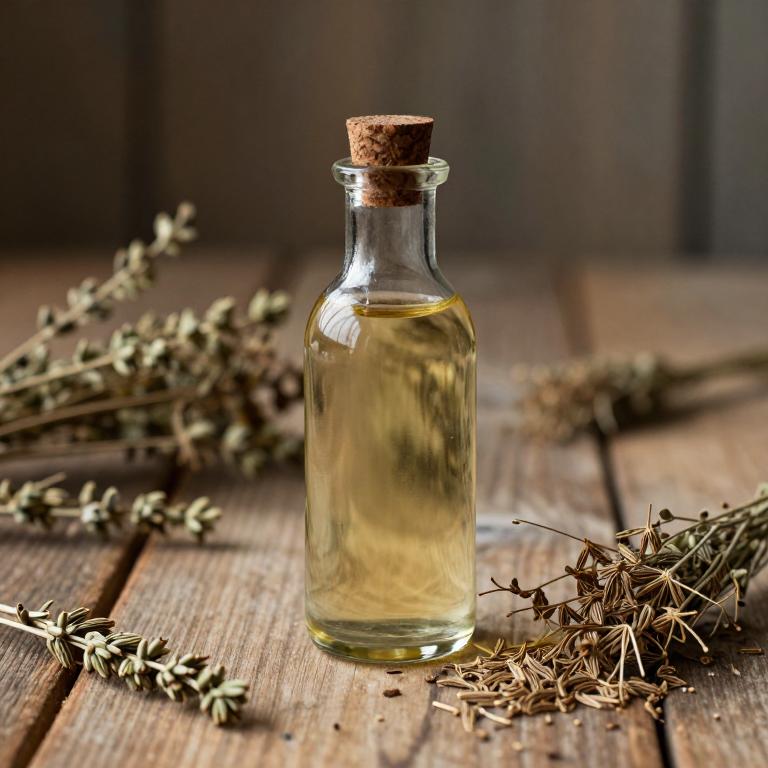
Cuminum cyminum, commonly known as cumin, is often used in herbal syrups to help alleviate bloating due to its carminative and digestive properties.
These syrups typically contain ground cumin seeds or essential oils derived from them, which can aid in reducing gas and promoting healthy digestion. The active compounds in cumin, such as thymol and limonene, may help relax the gastrointestinal tract and ease discomfort caused by bloating. When consumed in moderation, cumin-based syrups can be a natural remedy for occasional digestive upset and gas buildup.
However, individuals with specific allergies or medical conditions should consult a healthcare provider before using these herbal syrups.
4. Turmeric (Curcuma longa)
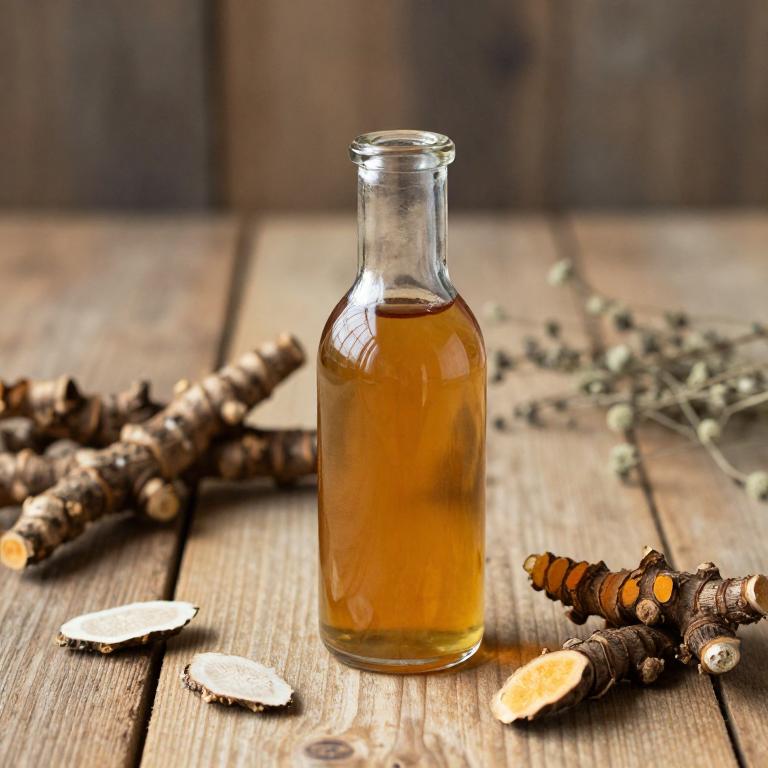
Curcuma longa, commonly known as turmeric, is a herbal remedy that has been traditionally used for its anti-inflammatory and digestive properties.
When formulated into a herbal syrup, curcuma longa can help alleviate bloating by reducing gas and improving digestive function. The active compound, curcumin, supports gut health and may ease symptoms of indigestion and gastrointestinal discomfort. This natural syrup is often combined with other digestive herbs like ginger or peppermint for enhanced effectiveness.
It is a popular alternative for those seeking natural remedies for bloating without the side effects of conventional medications.
5. Dog rose (Rosa canina)
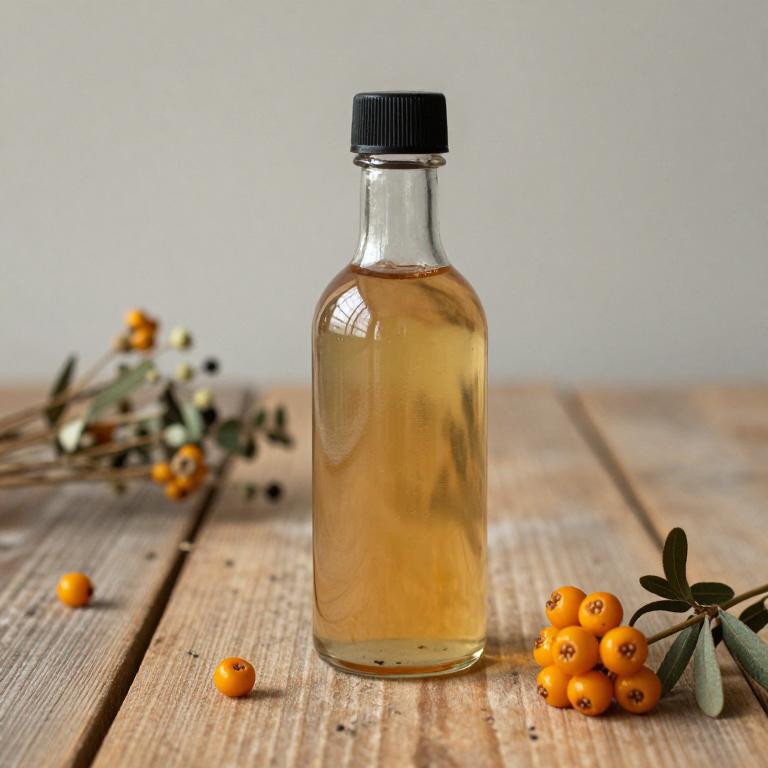
Rosa canina, also known as dog rose, has been traditionally used in herbal medicine for its potential digestive benefits.
Rosa canina herbal syrups are often formulated to support the digestive system and may help alleviate symptoms of bloating by promoting healthy gut function. These syrups contain bioactive compounds such as flavonoids and vitamin C, which may contribute to their anti-inflammatory and antioxidant properties. When taken as directed, rosa canina syrup can be a natural remedy for occasional bloating and digestive discomfort.
However, it is advisable to consult with a healthcare professional before use, especially for individuals with existing health conditions or those taking other medications.
6. Black pepper (Piper nigrum)
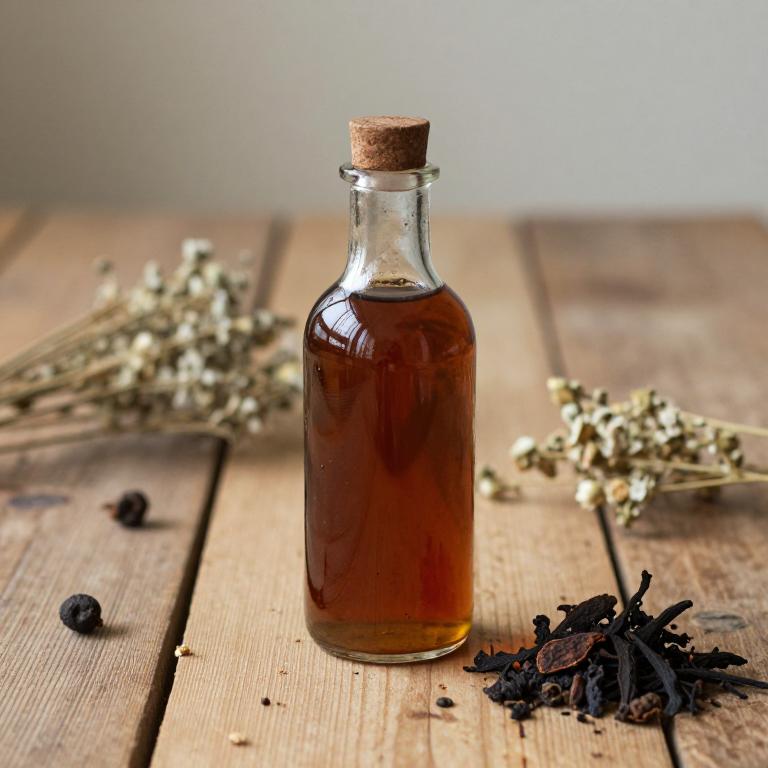
Piper nigrum, commonly known as black pepper, has been traditionally used in herbal medicine for its digestive benefits, including the relief of bloating.
The active compound in black pepper, piperine, is believed to enhance the absorption of nutrients and stimulate digestive enzymes, which can help reduce gas and bloating. Herbal syrups made from black pepper are often formulated with other digestive herbs like ginger or fennel to enhance their effectiveness. These syrups are typically taken in small doses before meals to support digestion and prevent discomfort.
While generally safe, individuals with gastrointestinal sensitivities should consult a healthcare provider before using black pepper syrup for bloating.
7. Ginger (Zingiber officinale)
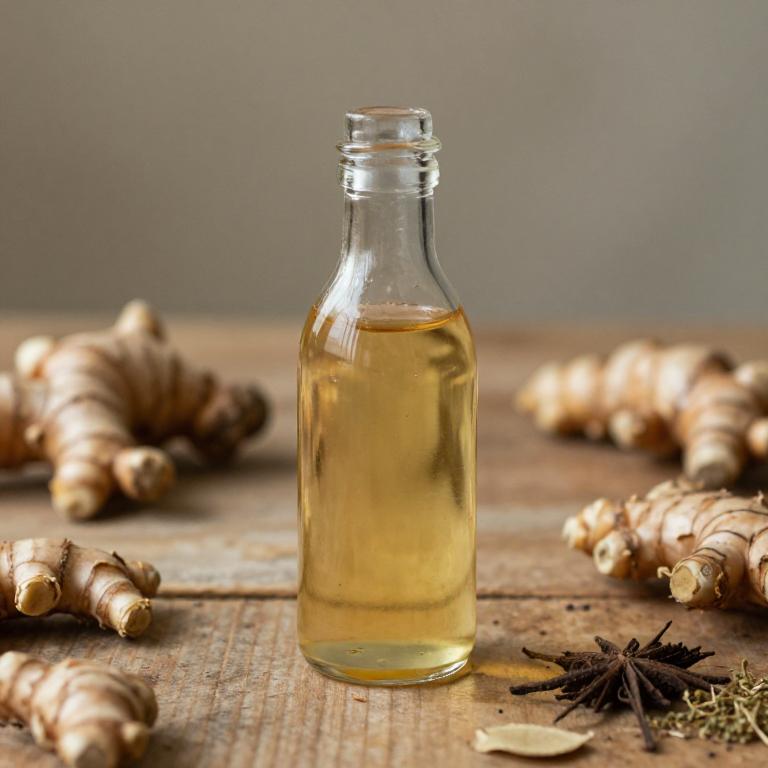
Zingiber officinale, commonly known as ginger, has been widely used for its digestive benefits, and ginger herbal syrups are increasingly popular for alleviating bloating.
These syrups contain concentrated ginger extract, which possesses anti-inflammatory and carminative properties that help reduce gas and discomfort in the gastrointestinal tract. The active compounds in ginger, such as gingerol and shogaol, stimulate digestion and relax the muscles of the digestive system, promoting smoother digestion. When taken in recommended doses, ginger syrups can provide natural relief from bloating without the side effects often associated with over-the-counter medications.
However, individuals with gastrointestinal conditions or those on medication should consult a healthcare provider before using ginger syrups.
8. Chamomile (Matricaria chamomilla)

Matricaria chamomilla, commonly known as chamomile, is a herbal remedy widely used for its calming and digestive benefits.
Chamomile herbal syrups are often formulated to soothe bloating by reducing intestinal gas and easing digestive discomfort. These syrups contain essential oils and bioactive compounds that help relax the muscles in the digestive tract. They are typically made by infusing dried chamomile flowers in a base of honey or sugar, creating a pleasant-tasting remedy.
Due to their gentle nature, chamomile syrups are suitable for both adults and children, making them a popular choice for managing occasional bloating and digestive issues.
9. Lemon grass (Cymbopogon citratus)

Cymbopogon citratus, commonly known as lemon grass, is a popular herb used in herbal syrups to alleviate bloating due to its natural digestive and anti-inflammatory properties.
The essential oils in lemon grass, particularly citral and myrcene, help relax gastrointestinal muscles and reduce gas buildup, making it effective for digestive discomfort. Herbal syrups made from lemon grass are often combined with other digestive herbs like ginger and fennel to enhance their effectiveness. These syrups are favored for their gentle, natural approach to managing bloating without harsh side effects.
Regular use of lemon grass syrup can support overall digestive health and provide relief from common symptoms of indigestion and gas.
10. Peppermint (Mentha piperita)
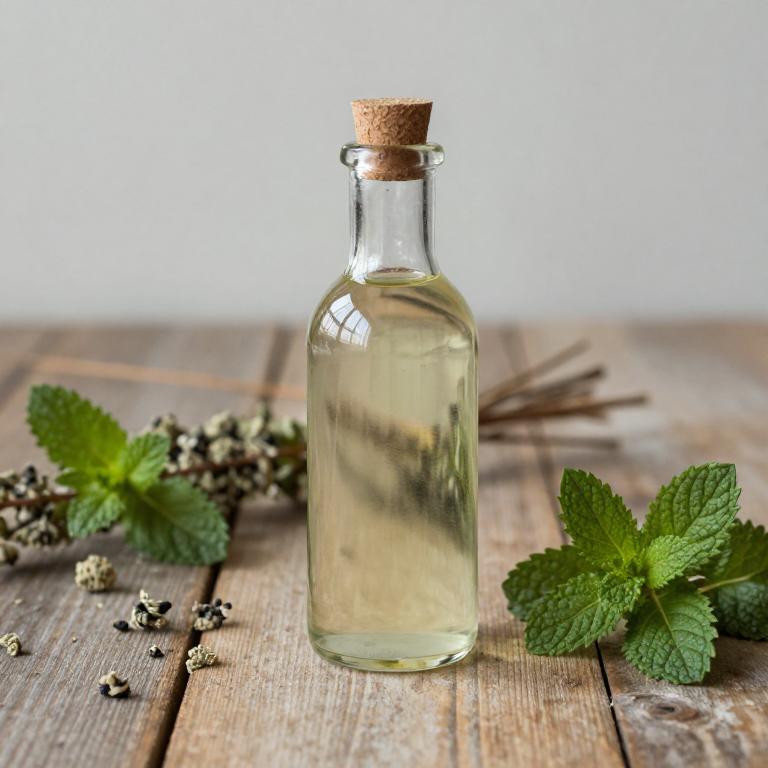
Mentha piperita, commonly known as peppermint, is a popular herbal remedy used in the form of syrup to alleviate symptoms of bloating.
The active compounds in peppermint, such as menthol and methylsalicylate, have soothing and antispasmodic properties that help relax the gastrointestinal muscles. Peppermint syrup is often recommended for individuals experiencing digestive discomfort, including gas, indigestion, and a feeling of fullness. It is typically taken in small doses before meals to prevent bloating and support digestion.
However, it is important to consult a healthcare professional before use, especially for those with gastrointestinal conditions or who are pregnant.