10 Best Herbal Lozenges For Bleeding Gums
Herbal lozenges can be a beneficial natural remedy for individuals experiencing bleeding gums, as they often contain soothing ingredients like aloe vera, chamomile, or licorice root, which have anti-inflammatory and antimicrobial properties.
These lozenges work by reducing gum irritation and promoting healing, helping to alleviate the discomfort associated with bleeding gums. They are typically sugar-free and designed to dissolve slowly in the mouth, allowing the active ingredients to target the affected areas effectively. Herbal lozenges are a good alternative for those seeking non-pharmacological options to manage mild gum inflammation and bleeding.
However, they should not replace professional dental care, especially if the bleeding persists or is a symptom of a more serious condition like gingivitis or periodontitis.
Table of Contents
- 1. Salvia (Salvia officinalis)
- 2. Aloe vera (Aloe barbadensis)
- 3. Echinacea (Echinacea purpurea)
- 4. Stinging nettle (Urtica dioica)
- 5. Oregano (Origanum vulgare)
- 6. Licorice (Glycyrrhiza glabra)
- 7. Chaste tree (Vitex agnus-castus)
- 8. Rosemary (Rosmarinus officinalis)
- 9. Ginger (Zingiber officinale)
- 10. Black pepper (Piper nigrum)
1. Salvia (Salvia officinalis)
Salvia officinalis, commonly known as sage, has been traditionally used for its antimicrobial and astringent properties, making it a valuable ingredient in herbal lozenges for addressing bleeding gums.
These lozenges often combine sage with other soothing herbs like licorice root or chamomile to enhance their effectiveness in reducing gum inflammation and promoting healing. The active compounds in sage, such as rosmarinic acid and flavonoids, help to strengthen gum tissue and reduce bacterial buildup that can lead to gingivitis. Regular use of sage-based lozenges may help alleviate mild bleeding gums by improving oral hygiene and supporting overall gum health.
However, it is important to consult a dentist if bleeding gums persist, as they may indicate a more serious underlying condition.
2. Aloe vera (Aloe barbadensis)
Aloe barbadensis herbal lozenges are formulated to provide soothing relief for bleeding gums by leveraging the natural anti-inflammatory and antimicrobial properties of aloe vera.
These lozenges work by forming a protective barrier over the gums, helping to reduce irritation and promote healing. Aloe vera is known for its ability to enhance tissue regeneration, making it an effective ingredient for addressing gum inflammation and bleeding. The lozenges are typically sugar-free and gentle on the mouth, making them suitable for daily use without causing additional discomfort.
When used consistently, aloe barbadensis lozenges can support overall gum health and may help prevent future episodes of bleeding gums.
3. Echinacea (Echinacea purpurea)
Echinacea purpurea herbal lozenges are commonly used to support oral health and address issues such as bleeding gums, which can be a sign of gingivitis or periodontal disease.
These lozenges contain echinacea, a herb known for its anti-inflammatory and immune-boosting properties, which may help reduce gum inflammation and promote healing. The active compounds in echinacea, such as alkamides and flavonoids, are believed to have antimicrobial and antioxidant effects that can protect the gums from infection. While they are not a substitute for proper dental care, echinacea lozenges may offer a natural complement to a gum care routine.
It is important to consult with a healthcare provider before using these lozenges, especially if you have underlying health conditions or are taking other medications.
4. Stinging nettle (Urtica dioica)
Urtica dioica, commonly known as stinging nettle, has been traditionally used for its anti-inflammatory and astringent properties, making it a potential ingredient in herbal lozenges for addressing bleeding gums.
These lozenges are formulated to soothe gum irritation and reduce bleeding by promoting healing and strengthening the gum tissue. The active compounds in Urtica dioica, such as flavonoids and minerals, may help combat inflammation and improve overall oral health. When used as part of a comprehensive oral care routine, these lozenges can support gum health and reduce the risk of periodontal issues.
However, individuals should consult with a healthcare professional before using them, especially if they have underlying medical conditions or are taking medications.
5. Oregano (Origanum vulgare)
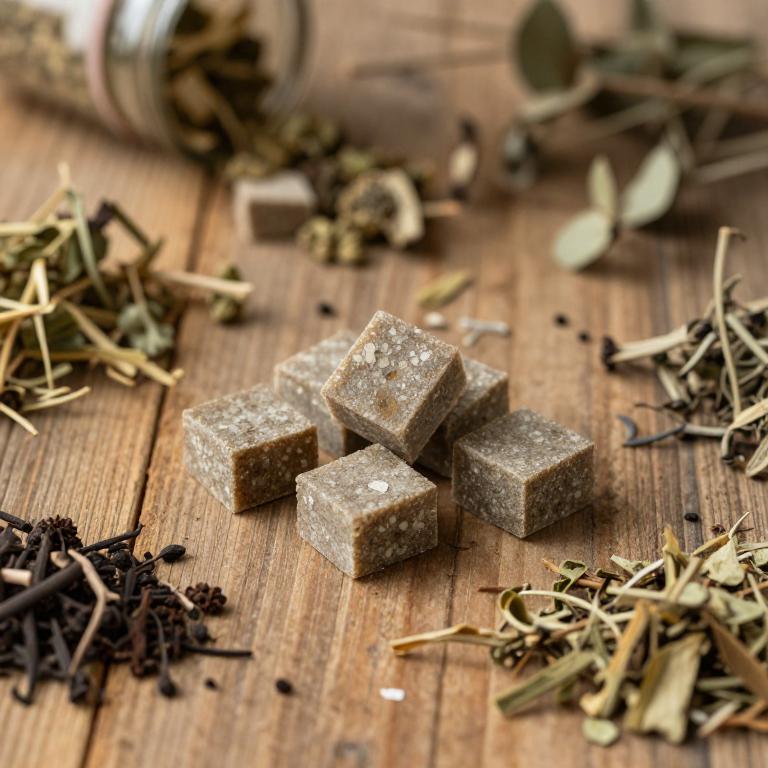
Origanum vulgare, commonly known as oregano, is a powerful herbal remedy that has been used for centuries for its antimicrobial and anti-inflammatory properties.
When formulated into herbal lozenges, oregano can provide targeted relief for bleeding gums by reducing bacterial buildup and soothing gum irritation. The active compounds in oregano, such as carvacrol and thymol, help combat oral pathogens that contribute to gum inflammation and recession. Regular use of oregano vulgare lozenges may support improved oral hygiene and promote healthier gum tissue.
However, individuals with allergies to plants in the Lamiaceae family should consult a healthcare provider before using these lozenges.
6. Licorice (Glycyrrhiza glabra)
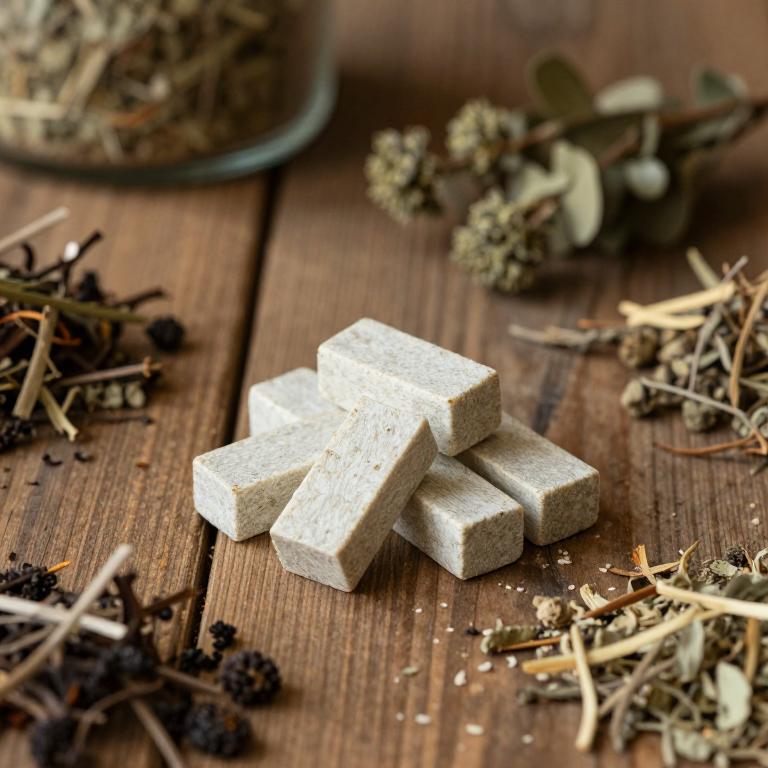
Glycyrrhiza glabra, commonly known as licorice root, has been traditionally used for its anti-inflammatory and soothing properties, making it a popular ingredient in herbal lozenges for bleeding gums.
These lozenges work by reducing inflammation and irritation in the gum tissue, which can help alleviate the discomfort associated with bleeding gums. The active compounds in licorice root, such as glycyrrhizin and flavonoids, may help strengthen the gum tissue and promote healing. However, long-term use of licorice-containing products can lead to side effects like hypertension due to its effect on the body's mineral balance.
As a complementary remedy, glycyrrhiza glabra lozenges may support oral health when used alongside proper dental hygiene and professional care.
7. Chaste tree (Vitex agnus-castus)
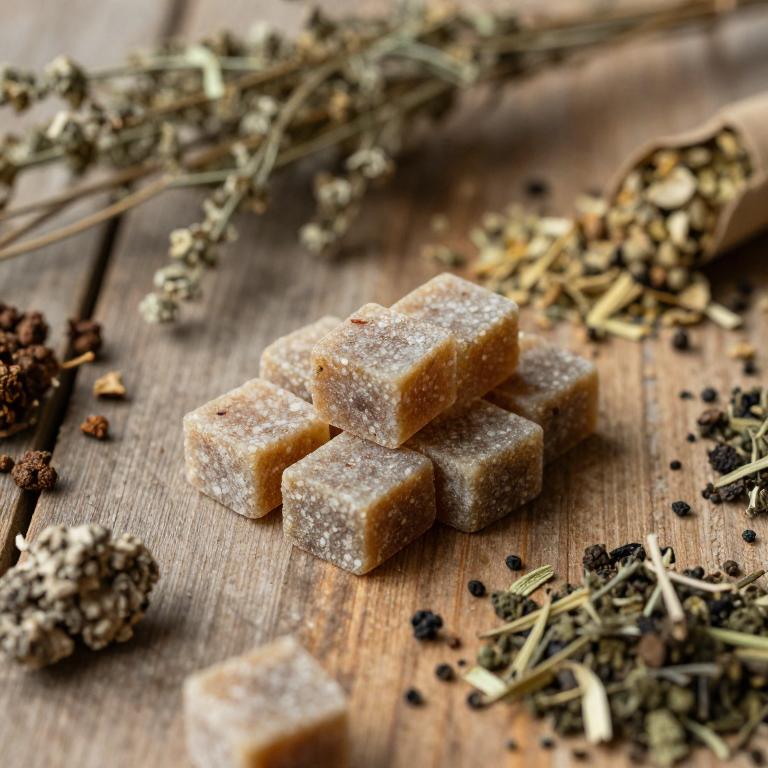
Vitex agnus-castus, commonly known as chaste tree, has been traditionally used for its potential hormonal balancing properties, which may support gum health.
Herbal lozenges containing Vitex agnus-castus are often formulated to address hormonal fluctuations that can contribute to bleeding gums, particularly in women experiencing menstrual cycle changes or menopause. These lozenges may help reduce inflammation and promote healing by supporting the body's natural regulatory processes. While they are not a substitute for professional dental care, they can be a complementary option for those seeking natural remedies.
It is important to consult a healthcare provider before using Vitex agnus-castus, especially if you have underlying health conditions or are taking other medications.
8. Rosemary (Rosmarinus officinalis)
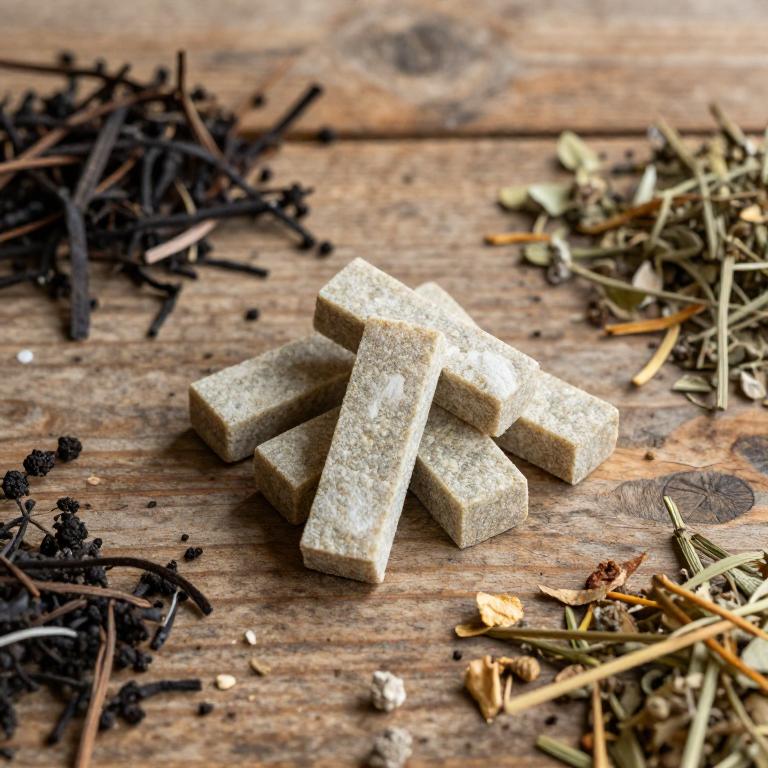
Rosmarinus officinalis, commonly known as rosemary, is a herbal ingredient often used in natural remedies for its antimicrobial and anti-inflammatory properties.
Rosemary herbal lozenges are formulated to support gum health by helping to reduce inflammation and combat bacterial growth that can lead to bleeding gums. These lozenges may promote healing of the gum tissue and alleviate discomfort associated with gingivitis or mild periodontal issues. The essential oils in rosemary, such as carnosic acid and rosmarinic acid, contribute to their effectiveness in soothing irritated gums.
While they are not a substitute for professional dental care, rosemary lozenges can be a beneficial complementary remedy for individuals experiencing occasional bleeding gums.
9. Ginger (Zingiber officinale)
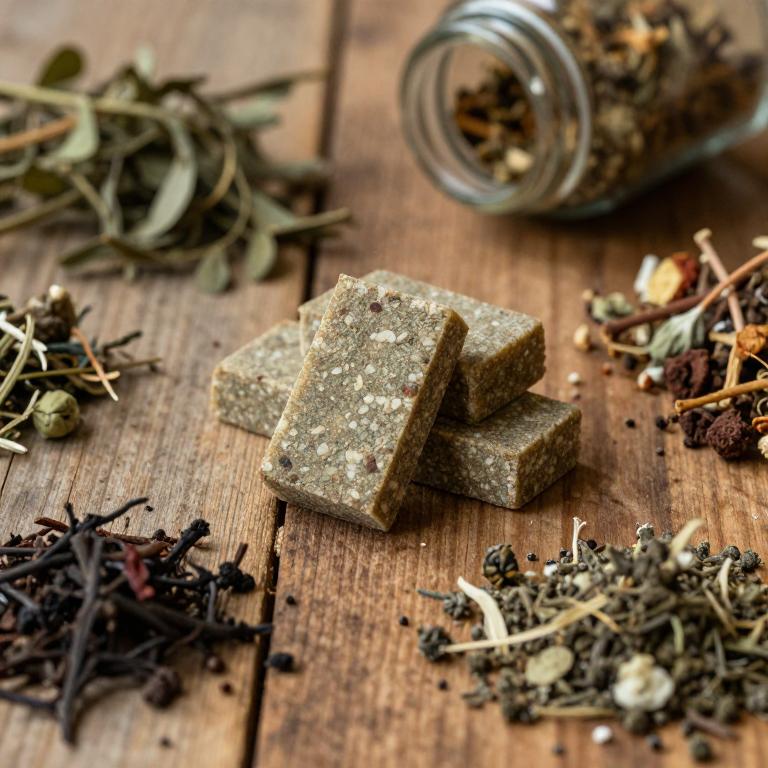
Zingiber officinale, commonly known as ginger, has been traditionally used for its anti-inflammatory and antiseptic properties, making it a potential natural remedy for bleeding gums.
Ginger contains compounds such as gingerol and shogaol, which can help reduce inflammation and promote healing in the gums. Herbal lozenges made from zingiber officinale may provide a soothing effect and help alleviate irritation caused by gingivitis or other gum disorders. These lozenges can be a safe and effective alternative for individuals seeking natural remedies to manage bleeding gums without the use of harsh chemicals.
However, it is advisable to consult with a dentist or healthcare professional before using ginger lozenges as part of a comprehensive oral care routine.
10. Black pepper (Piper nigrum)
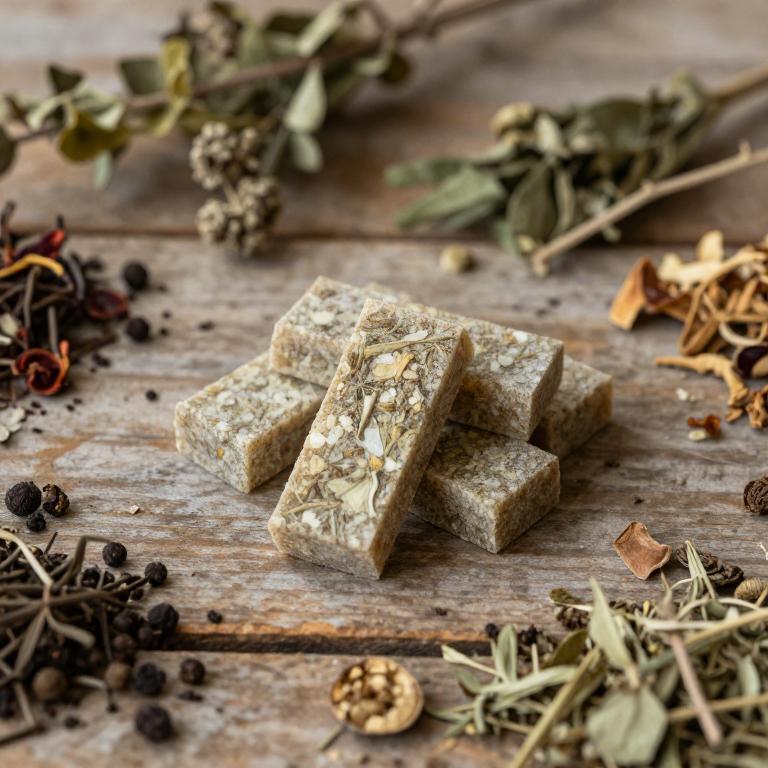
Piper nigrum, commonly known as black pepper, is a traditional herbal remedy that has been used for its anti-inflammatory and antimicrobial properties.
When formulated into herbal lozenges, piper nigrum may help reduce gum inflammation and combat bacterial infections that contribute to bleeding gums. The active compound, piperine, is believed to enhance blood circulation and promote healing in the gums. These lozenges are often used as a natural alternative to conventional mouthwashes and topical treatments for gum health.
However, it is advisable to consult a healthcare professional before using piper nigrum lozenges, especially if you have underlying medical conditions or are taking other medications.