10 Best Herbal Capsules For Bleeding Gums
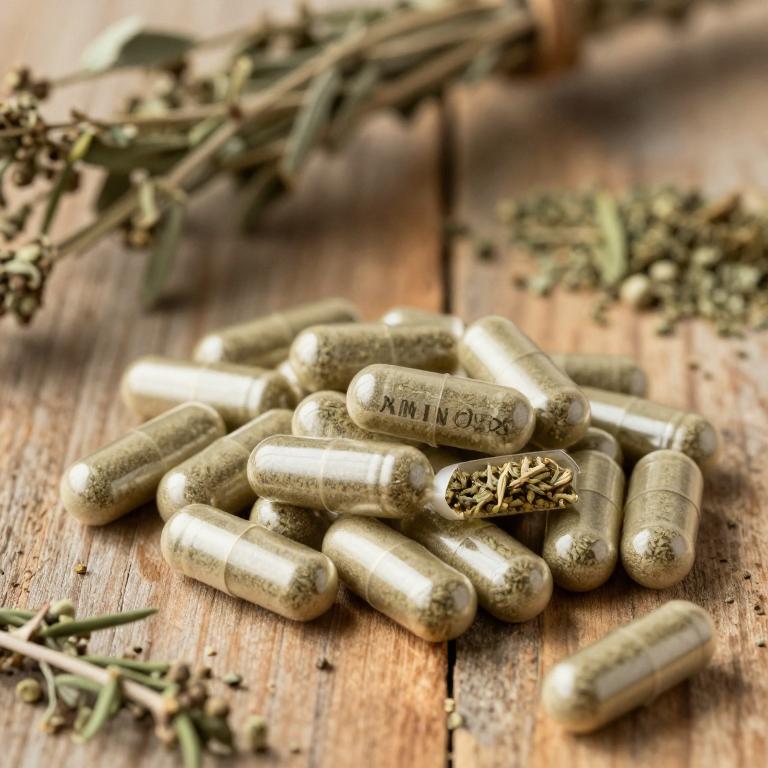
Herbal capsules can be a natural remedy for bleeding gums, offering a gentle alternative to conventional treatments.
Certain herbs like licorice root, aloe vera, and green tea are known for their anti-inflammatory and antibacterial properties, which can help reduce gum irritation and prevent infection. These capsules typically contain concentrated extracts of these plants, making them easy to incorporate into a daily oral care routine. Many people prefer herbal capsules because they are free from harsh chemicals and can be used alongside other dental hygiene practices.
However, it is important to consult with a healthcare provider before starting any herbal supplement to ensure safety and effectiveness.
Table of Contents
- 1. Salvia (Salvia officinalis)
- 2. Stinging nettle (Urtica dioica)
- 3. Chaste tree (Vitex agnus-castus)
- 4. St. john's wort (Hypericum perforatum)
- 5. Aloe vera (Aloe barbadensis)
- 6. Rosemary (Rosmarinus officinalis)
- 7. Echinacea (Echinacea purpurea)
- 8. Ginkgo (Ginkgo biloba)
- 9. Black pepper (Piper nigrum)
- 10. Purple coneflower (Echinacea angustifolia)
1. Salvia (Salvia officinalis)
Salvia officinalis, commonly known as sage, has been traditionally used for its medicinal properties, including its potential to support gum health.
Herbal capsules containing salvia officinalis may help reduce bleeding gums by promoting oral hygiene and reducing inflammation due to its antimicrobial and astringent properties. These capsules are often used as a natural alternative to conventional treatments for gum issues, offering a gentle yet effective approach. The active compounds in sage, such as rosmarinic acid and flavonoids, contribute to its ability to strengthen gum tissue and improve blood circulation.
While salvia officinalis can be beneficial, it is advisable to consult a healthcare professional before use, especially for individuals with existing health conditions or those taking medications.
2. Stinging nettle (Urtica dioica)
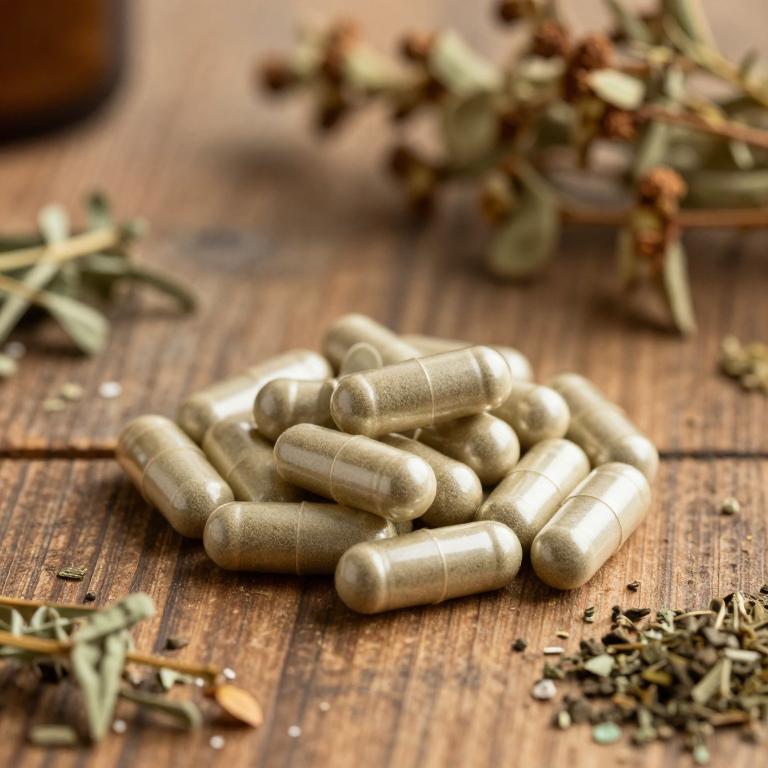
Urtica dioica, commonly known as stinging nettle, is a medicinal plant that has been traditionally used for its potential health benefits, including supporting gum health.
Urtica dioica herbal capsules may help reduce inflammation and promote healing in cases of bleeding gums due to their rich content of antioxidants and anti-inflammatory compounds. These capsules are often used as a natural remedy to address gum irritation and improve overall oral health. However, it is important to consult with a healthcare professional before using them, especially if you have underlying medical conditions or are taking other medications.
While some studies suggest potential benefits, more research is needed to fully understand their efficacy for bleeding gums.
3. Chaste tree (Vitex agnus-castus)
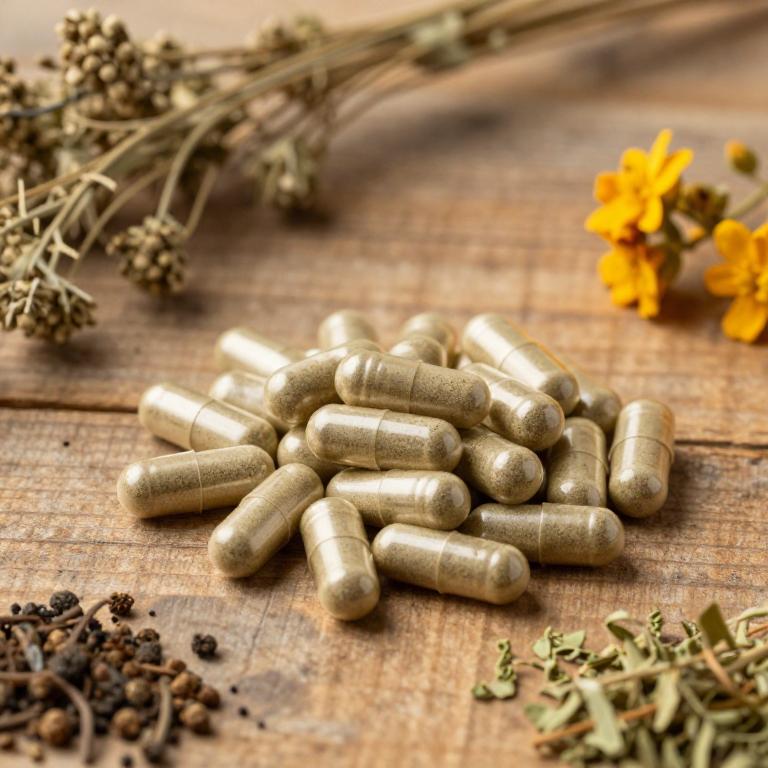
Vitex agnus-castus, commonly known as chasteberry, is a herbal remedy that has been traditionally used to support hormonal balance and may have potential benefits for oral health.
While it is not a direct treatment for bleeding gums, some studies suggest that it may help regulate menstrual cycles and reduce hormonal fluctuations that could contribute to gum inflammation. Herbal capsules containing vitex agnus-castus are often used as a complementary therapy for women experiencing hormonal-related oral issues. However, it is important to consult with a healthcare provider before using these capsules, especially if you have underlying health conditions or are taking other medications.
As with any herbal supplement, individual responses can vary, and it should not replace professional dental care for persistent bleeding gums.
4. St. john's wort (Hypericum perforatum)
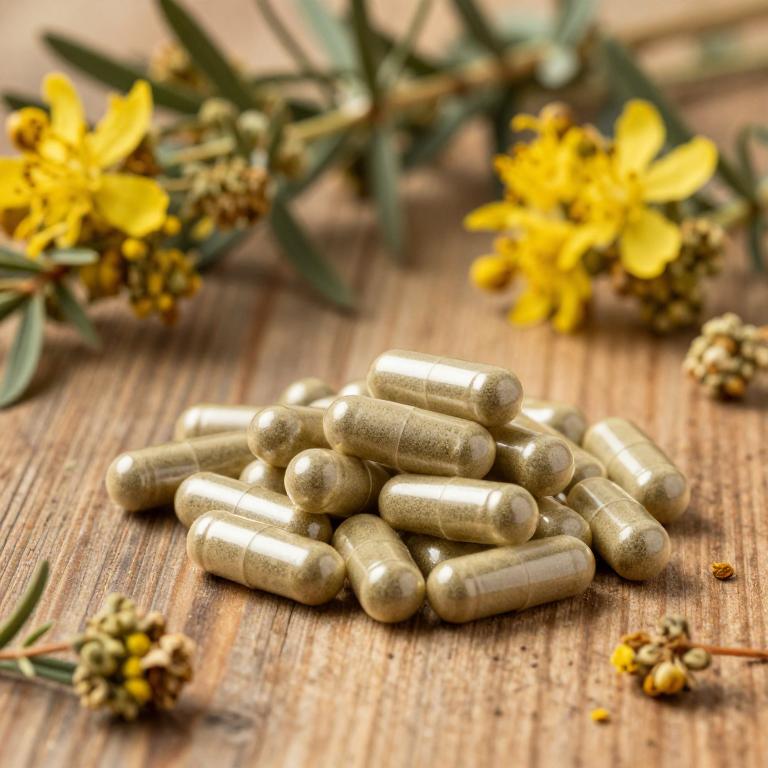
Hypericum perforatum, commonly known as St. John's Wort, is a herbal remedy that has been traditionally used for its potential anti-inflammatory and antimicrobial properties.
While it is more commonly associated with supporting mood and anxiety, some studies suggest it may also benefit oral health by reducing gum inflammation and promoting healing. When taken in the form of capsules, hypericum perforatum can be a convenient and natural option for individuals experiencing bleeding gums. However, it is important to consult with a healthcare provider before use, as it may interact with certain medications.
Its efficacy for bleeding gums should be considered alongside other oral hygiene practices and professional dental care.
5. Aloe vera (Aloe barbadensis)
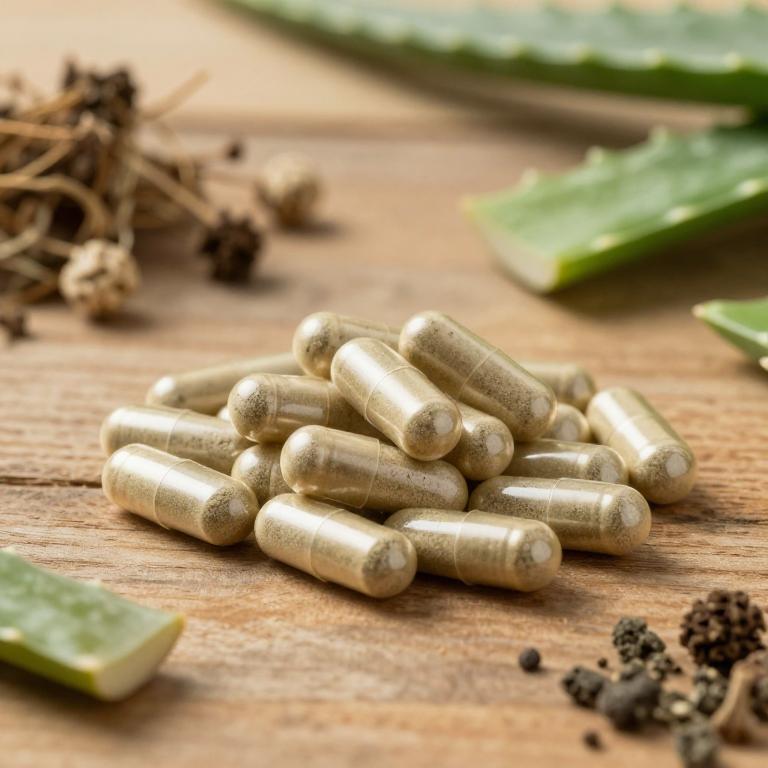
Aloe barbadensis, commonly known as aloe vera, is often used in herbal capsules for its potential to support gum health and reduce bleeding.
The gel derived from the aloe plant contains anti-inflammatory and antimicrobial properties that may help soothe inflamed gums and promote healing. These capsules are typically taken orally to allow the active compounds to be absorbed into the bloodstream, where they can reach the gums and tissues. Some studies suggest that aloe vera may help reduce plaque and gingivitis, which are common causes of bleeding gums.
However, it is important to consult with a healthcare provider before using aloe barbadensis capsules, especially if you have underlying health conditions or are taking other medications.
6. Rosemary (Rosmarinus officinalis)
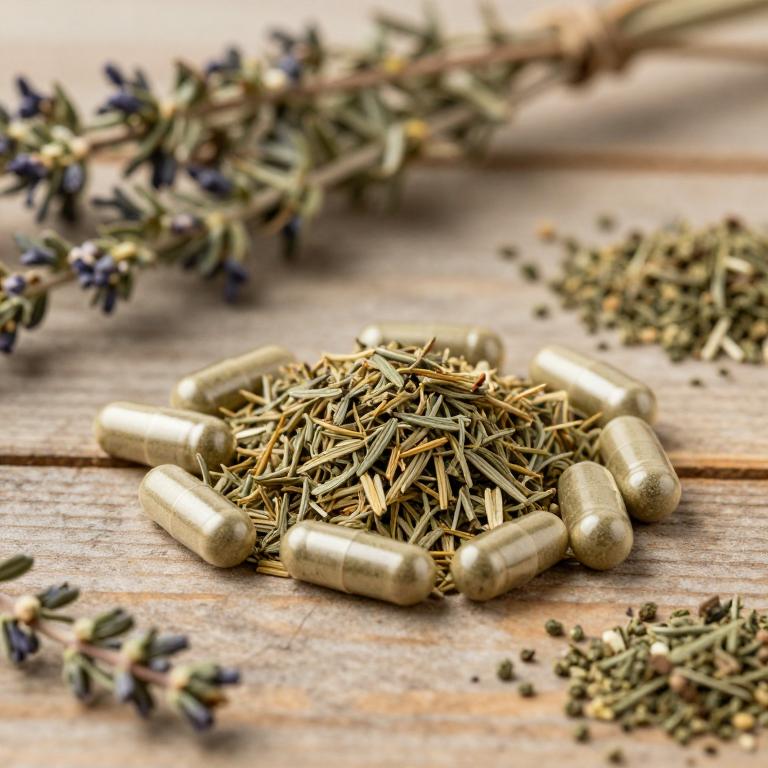
Rosmarinus officinalis, commonly known as rosemary, is a medicinal herb that has been traditionally used for its anti-inflammatory and antioxidant properties.
Rosemary herbal capsules may support gum health by reducing inflammation and promoting healing in cases of bleeding gums. The active compounds in rosemary, such as rosmarinic acid and carnosic acid, have shown potential in inhibiting bacterial growth and improving oral hygiene. These capsules are often used as a natural supplement to complement conventional dental care routines.
However, it is important to consult a healthcare professional before using rosemary capsules, especially if you have existing health conditions or are taking other medications.
7. Echinacea (Echinacea purpurea)
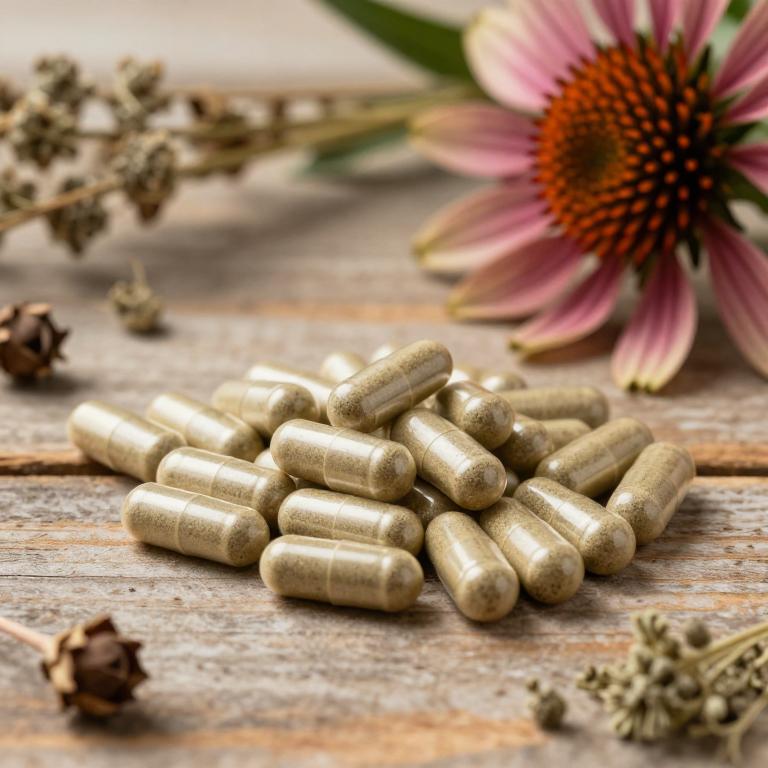
Echinacea purpurea, commonly known as purple coneflower, is a herbal remedy often used to support immune function and reduce inflammation.
While it is not a primary treatment for bleeding gums, some studies suggest that its anti-inflammatory and antimicrobial properties may help alleviate gum irritation and reduce the risk of infections that can contribute to bleeding. Echinacea purpurea herbal capsules are typically made from dried and powdered parts of the plant, and they are often taken as a supplement to boost overall health. However, it is important to consult with a healthcare professional before using echinacea, especially if you have existing health conditions or are taking other medications.
Bleeding gums are often a sign of underlying issues such as gingivitis or periodontal disease, so proper dental care and professional treatment should be prioritized alongside any herbal supplements.
8. Ginkgo (Ginkgo biloba)
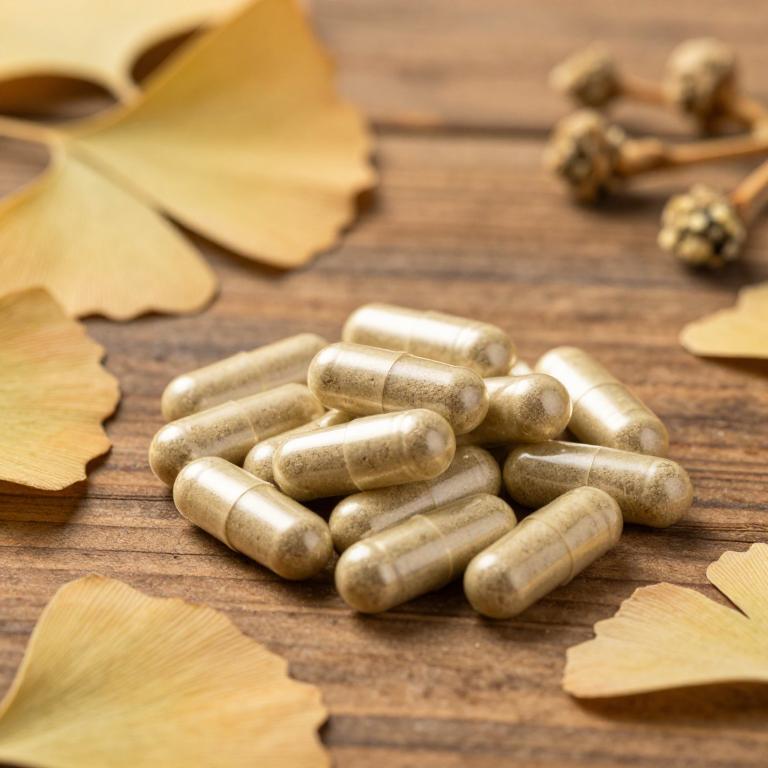
Ginkgo biloba herbal capsules are often used for their potential benefits in improving circulation and reducing inflammation, which may support gum health.
While there is limited direct evidence linking ginkgo biloba to the treatment of bleeding gums, some studies suggest that its antioxidant properties could help reduce oxidative stress in the mouth. However, it is important to note that ginkgo biloba may interact with blood-thinning medications, potentially increasing the risk of bleeding. As a result, individuals experiencing bleeding gums should consult with a healthcare professional before using ginkgo biloba supplements.
Overall, while ginkgo biloba may contribute to overall oral health, it should not be considered a primary treatment for bleeding gums without medical guidance.
9. Black pepper (Piper nigrum)
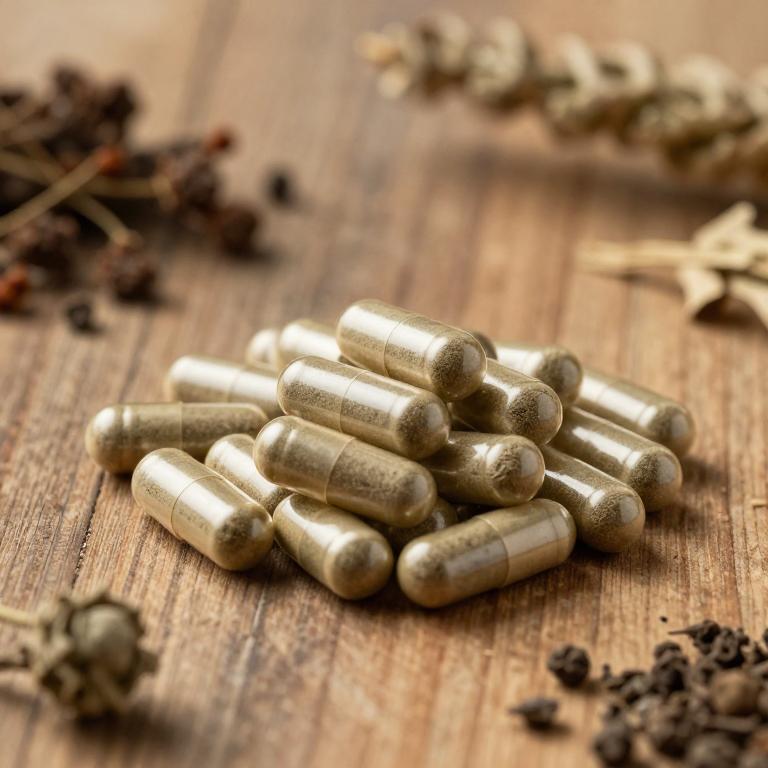
Piper nigrum, commonly known as black pepper, is traditionally used in herbal medicine for its potential to improve circulation and reduce inflammation.
Herbal capsules containing Piper nigrum may support gum health by promoting blood flow to the gums, which can help in reducing bleeding. The active compound in black pepper, piperine, is believed to have antimicrobial and anti-inflammatory properties that may aid in preventing gum infections. However, while some anecdotal evidence suggests it may benefit bleeding gums, more scientific research is needed to confirm its efficacy.
It is advisable to consult a healthcare professional before using Piper nigrum supplements, especially if you have existing health conditions or are taking other medications.
10. Purple coneflower (Echinacea angustifolia)
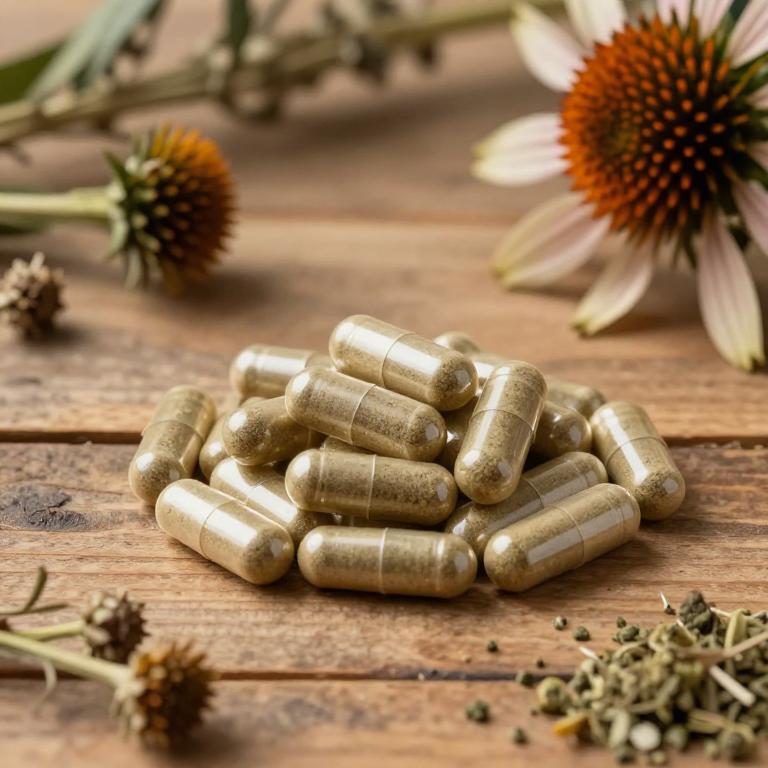
Echinacea angustifolia herbal capsules are commonly used to support immune health and may offer benefits for individuals experiencing bleeding gums, often linked to gum inflammation or infection.
This herb is known for its anti-inflammatory and antimicrobial properties, which can help reduce swelling and prevent bacterial growth in the mouth. While not a direct treatment for bleeding gums, Echinacea angustifolia may support overall oral health when used as part of a comprehensive dental care routine. It is important to consult with a healthcare provider before using these capsules, especially if you have existing health conditions or are taking other medications.
As with any herbal supplement, individual responses can vary, and it should not replace professional dental care or treatment for severe gum issues.