10 Best Herbal Juices For Bladder Infection

Herbal juices have gained popularity as natural remedies for supporting bladder health and alleviating symptoms of bladder infections.
Certain herbs, such as cranberry, uva ursi, and dandelion, are commonly used in herbal juices due to their diuretic and antimicrobial properties. These juices can help flush out bacteria from the urinary tract, reduce inflammation, and promote faster healing. However, it is important to consult a healthcare professional before using herbal juices, especially for individuals with pre-existing conditions or those taking medications.
While herbal juices may offer some benefits, they should not replace conventional medical treatment for bladder infections.
Table of Contents
- 1. Stinging nettle (Urtica dioica)
- 2. Field horsetail (Equisetum arvense)
- 3. St. john's wort (Hypericum perforatum)
- 4. Thistle (Silybum marianum)
- 5. Dog rose (Rosa canina)
- 6. Peppermint (Mentha piperita)
- 7. Yarrow (Achillea millefolium)
- 8. Thyme (Thymus vulgaris)
- 9. Parsley (Petroselinum crispum)
- 10. Chicory (Cichorium intybus)
1. Stinging nettle (Urtica dioica)
Urtica dioica, commonly known as stinging nettle, has been traditionally used in herbal medicine for its potential anti-inflammatory and antimicrobial properties.
When prepared as a juice, it may support urinary tract health by helping to reduce inflammation and promote detoxification. Some studies suggest that the compounds in stinging nettle may assist in preventing the adherence of bacteria to the urinary tract lining, which is a common factor in bladder infections. However, it is important to note that while stinging nettle juice may offer supportive benefits, it should not replace conventional medical treatments for bladder infections.
Always consult with a healthcare professional before using any herbal remedy, especially if you have underlying health conditions or are taking other medications.
2. Field horsetail (Equisetum arvense)
Equisetum arvense, commonly known as field horsetail, has been traditionally used in herbal medicine for its high silica content and potential diuretic properties, which may support urinary tract health.
While some studies suggest that its extracts could help reduce inflammation and promote the elimination of bacteria from the urinary tract, scientific evidence specifically linking it to the treatment of bladder infections remains limited. Herbal juices made from Equisetum arvense are often consumed in small quantities to harness its purported antimicrobial and anti-inflammatory effects. However, it is important to consult a healthcare professional before using it, as it may interact with certain medications or cause side effects in some individuals.
Despite its historical use, Equisetum arvense should not be considered a substitute for conventional medical treatments for bladder infections.
3. St. john's wort (Hypericum perforatum)
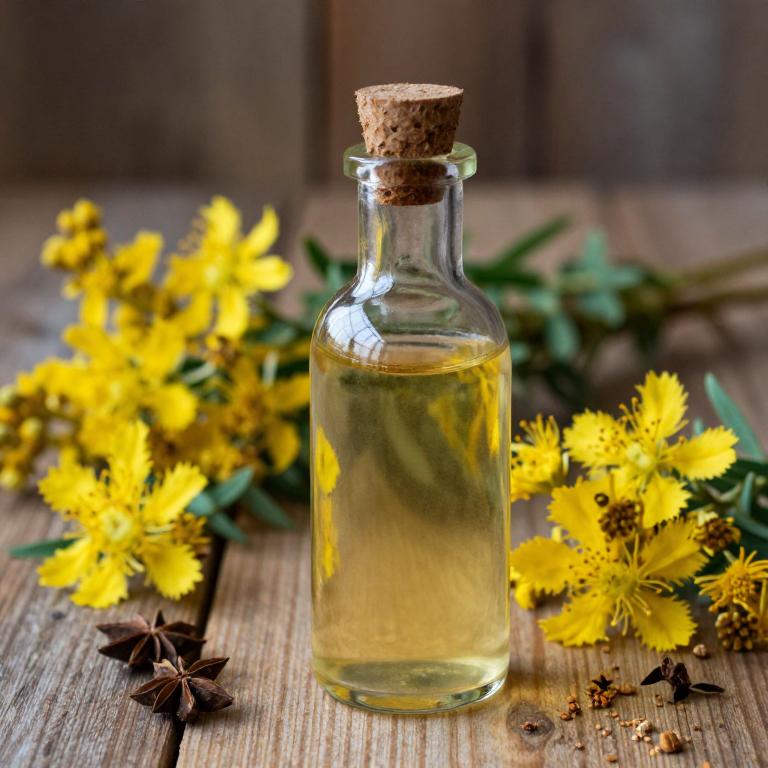
Hypericum perforatum, commonly known as St. John's wort, is traditionally used in herbal medicine for its potential anti-inflammatory and antimicrobial properties.
While it is often recognized for its use in treating mild depression, some studies suggest it may also have beneficial effects on urinary tract health. When used as a herbal juice, hypericum perforatum may help reduce inflammation and support the body's natural defenses against bladder infections. However, it is important to note that it should not replace conventional medical treatments for bladder infections.
Always consult with a healthcare professional before using hypericum perforatum, especially if you are on other medications, as it can interact with certain drugs.
4. Thistle (Silybum marianum)
Silybum marianum, commonly known as milk thistle, is traditionally used for its liver-protecting properties, but recent studies suggest it may also offer benefits for urinary tract health.
Some herbal juices containing Silybum marianum are believed to possess antimicrobial and anti-inflammatory properties that may help reduce the risk of bladder infections by supporting urinary tract immunity. These juices are often combined with other herbs like cranberry or uva ursi to enhance their efficacy in preventing bacterial adhesion to urinary tract walls. While not a substitute for conventional treatments, they may serve as a complementary therapy for individuals seeking natural remedies.
However, it is important to consult a healthcare professional before using these herbal juices, especially for those with pre-existing medical conditions or who are on medication.
5. Dog rose (Rosa canina)

Rosa canina, also known as rosehip, is a traditional herbal remedy that has been used for centuries to support urinary tract health.
The herbal juice derived from Rosa canina berries is rich in antioxidants, vitamin C, and other bioactive compounds that may help reduce inflammation and support the body's natural defenses against infections. Some studies suggest that the anti-inflammatory and antimicrobial properties of rosehip juice may aid in alleviating symptoms of bladder infections by promoting urinary tract health. While it is not a substitute for medical treatment, it can be used as a complementary therapy under the guidance of a healthcare professional.
However, it is important to consult a doctor before using Rosa canina juice, especially if you have existing health conditions or are taking other medications.
6. Peppermint (Mentha piperita)
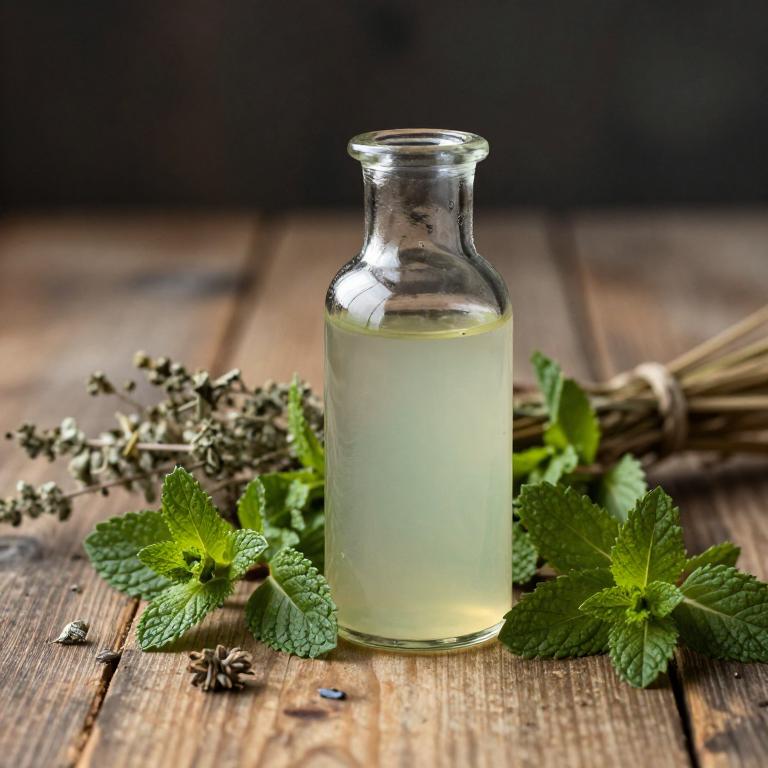
Mentha piperita, commonly known as peppermint, has been traditionally used for its antimicrobial and anti-inflammatory properties, making it a potential natural remedy for bladder infections.
Peppermint herbal juices can help alleviate symptoms such as pain, burning, and frequent urination by soothing the urinary tract lining. The essential oils in peppermint, particularly menthol, may inhibit the growth of bacteria that contribute to urinary tract infections. While peppermint juice is generally safe for most people, it should be used with caution, especially in those with gastrointestinal sensitivities or who are pregnant.
It is important to consult a healthcare provider before using peppermint juice as a treatment for bladder infections, as it should complement, not replace, professional medical advice.
7. Yarrow (Achillea millefolium)

Achillea millefolium, commonly known as yarrow, has been traditionally used for its antimicrobial and anti-inflammatory properties, which may support bladder health.
While it is not a primary treatment for bladder infections, some herbal preparations containing yarrow may help alleviate symptoms by reducing inflammation and promoting urinary tract healing. Herbal juices made from yarrow are often combined with other herbs like cranberry or uva ursi to enhance their effectiveness against bacterial infections. However, it is important to note that yarrow should not replace prescribed antibiotics for bacterial bladder infections and should be used under the guidance of a healthcare professional.
Always consult a qualified herbalist or physician before using yarrow or any herbal remedy for medical conditions.
8. Thyme (Thymus vulgaris)
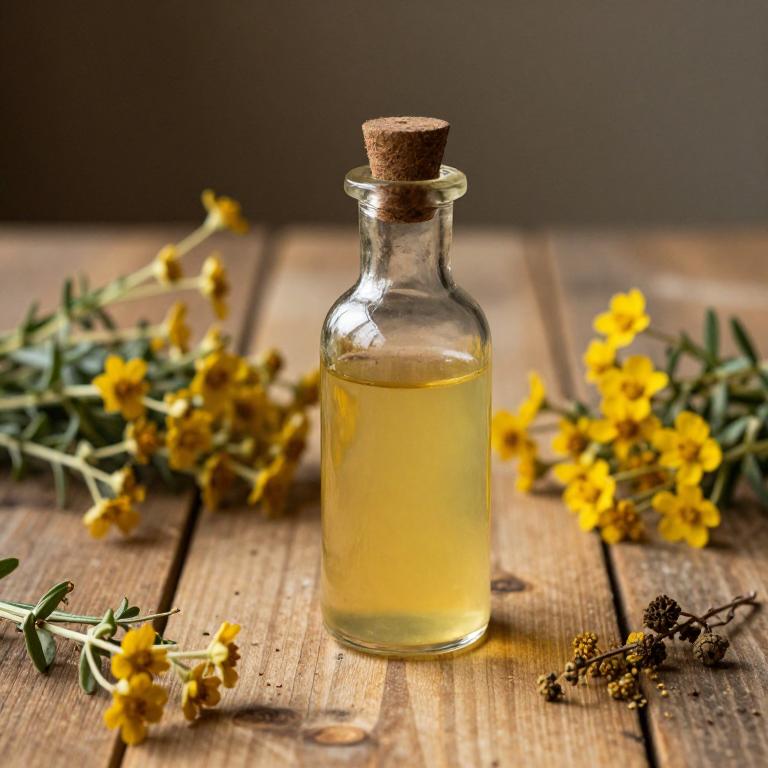
Thymus vulgaris, commonly known as thyme, is often used in herbal remedies for its antimicrobial and anti-inflammatory properties.
Thyme essential oil and its juice are believed to support urinary tract health by helping to alleviate symptoms of bladder infections. The active compounds in thyme, such as thymol and carvacrol, may help reduce bacterial growth and soothe irritation in the urinary tract. While some people use thyme-based herbal juices as a complementary therapy, it is important to consult a healthcare professional before relying on them as a primary treatment.
Overall, thyme herbal juices may offer some supportive benefits for bladder infections, but they should not replace conventional medical treatments.
9. Parsley (Petroselinum crispum)

Petroselinum crispum, commonly known as parsley, has been traditionally used for its diuretic and antimicrobial properties, making it a potential natural remedy for bladder infections.
The essential oils in parsley, particularly apiol and limonene, may help reduce inflammation and combat bacterial growth in the urinary tract. When consumed as a herbal juice, parsley can support kidney function and promote the elimination of toxins from the body. However, it is important to note that while parsley may provide some relief, it should not replace conventional medical treatment for bladder infections.
Always consult a healthcare professional before using parsley or any herbal remedy for a urinary tract infection.
10. Chicory (Cichorium intybus)

Cichorium intybus, commonly known as chicory, has been traditionally used for its medicinal properties, including its potential benefits for urinary tract health.
Herbal juices made from chicory root are believed to have diuretic properties that may help flush out bacteria from the urinary tract, potentially supporting the treatment of bladder infections. These juices are rich in inulin, a prebiotic that can promote the growth of beneficial gut bacteria, which in turn may support immune function and overall urinary health. While not a substitute for medical treatment, chicory juice may serve as a complementary remedy to alleviate symptoms and prevent recurrent infections.
However, it is important to consult a healthcare professional before using chicory or any herbal remedy, especially for individuals with existing health conditions or those taking medications.