10 Best Herbal Creams For Baldness
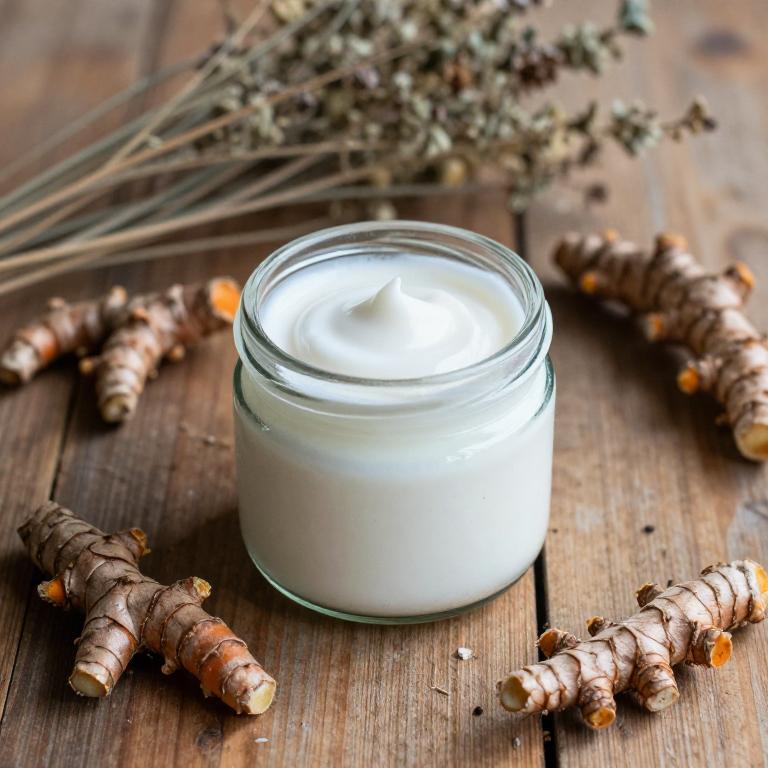
Herbal creams for baldness are natural products that claim to promote hair growth by using ingredients like rosemary, ginger, and aloe vera, which are believed to stimulate blood circulation in the scalp and enhance follicle activity.
These creams are often marketed as a safer alternative to traditional hair loss treatments, as they typically contain fewer synthetic chemicals. However, scientific evidence supporting their effectiveness is limited, and results can vary significantly between individuals. Many users report some improvement in hair density, but long-term efficacy remains unclear.
It is advisable to consult a dermatologist before relying solely on herbal creams for treating baldness, as they may not be suitable for all types of hair loss.
Table of Contents
- 1. Turmeric (Curcuma longa)
- 2. Goatweed (Eclipta prostrata)
- 3. Thistle (Silybum marianum)
- 4. Chaste tree (Vitex agnus-castus)
- 5. Aloe vera (Aloe barbadensis)
- 6. Blessed thistle (Cnicus benedictus)
- 7. Centella (Centella asiatica)
- 8. St. john's wort (Hypericum perforatum)
- 9. Stinging nettle (Urtica dioica)
- 10. Field horsetail (Equisetum arvense)
1. Turmeric (Curcuma longa)
Curcuma longa, commonly known as turmeric, has been traditionally used in herbal remedies for its anti-inflammatory and antioxidant properties.
While it is not a proven treatment for baldness, some studies suggest that curcumin, the active compound in turmeric, may promote hair growth by stimulating follicles and reducing scalp inflammation. Herbal creams containing curcuma longa are often marketed as natural alternatives to conventional hair loss treatments, though their effectiveness varies. These creams may be applied topically to the scalp to potentially improve circulation and support hair regrowth.
However, it is important to consult a healthcare professional before using turmeric-based products for baldness, as results can be inconsistent and individual responses may differ.
2. Goatweed (Eclipta prostrata)
Eclipta prostrata, commonly known as false dandelion, is a traditional herb used in Ayurvedic medicine for its potential benefits in promoting hair growth and treating baldness.
Herbal creams made from Eclipta prostrata are believed to nourish the scalp and stimulate hair follicles, encouraging new hair growth. These creams often contain extracts rich in antioxidants and nutrients that support healthy hair development. While some users report positive results, scientific evidence supporting its efficacy for baldness is limited.
As with any herbal remedy, it is advisable to consult a healthcare professional before use, especially if you have underlying health conditions or are taking other medications.
3. Thistle (Silybum marianum)
Silybum marianum, also known as milk thistle, is a herbal remedy that has been explored for its potential benefits in promoting hair growth and treating baldness.
While scientific research on its direct effects on hair loss is limited, some studies suggest that its active compound, silymarin, may support scalp health by reducing inflammation and improving circulation. Herbal creams containing silybum marianum are often marketed as natural solutions to stimulate hair regrowth and strengthen existing hair follicles. These creams are typically used in combination with other hair growth treatments, and their effectiveness can vary depending on individual factors such as genetics and the underlying cause of baldness.
As with any herbal product, it is advisable to consult a healthcare professional before use to ensure safety and appropriateness for personal health conditions.
4. Chaste tree (Vitex agnus-castus)
Vitex agnus-castus, commonly known as chaste tree, has been traditionally used in herbal medicine for various hormonal and skin-related conditions.
While it is not a direct treatment for baldness, some studies suggest that it may help regulate hormonal imbalances, which can contribute to hair loss. Herbal creams containing vitex agnus-castus are often marketed as natural remedies to support hair growth and improve scalp health. These creams typically combine the herb with other ingredients like essential oils and vitamins to enhance their effectiveness.
However, it is important to consult with a healthcare professional before using such products, as their efficacy and safety can vary.
5. Aloe vera (Aloe barbadensis)
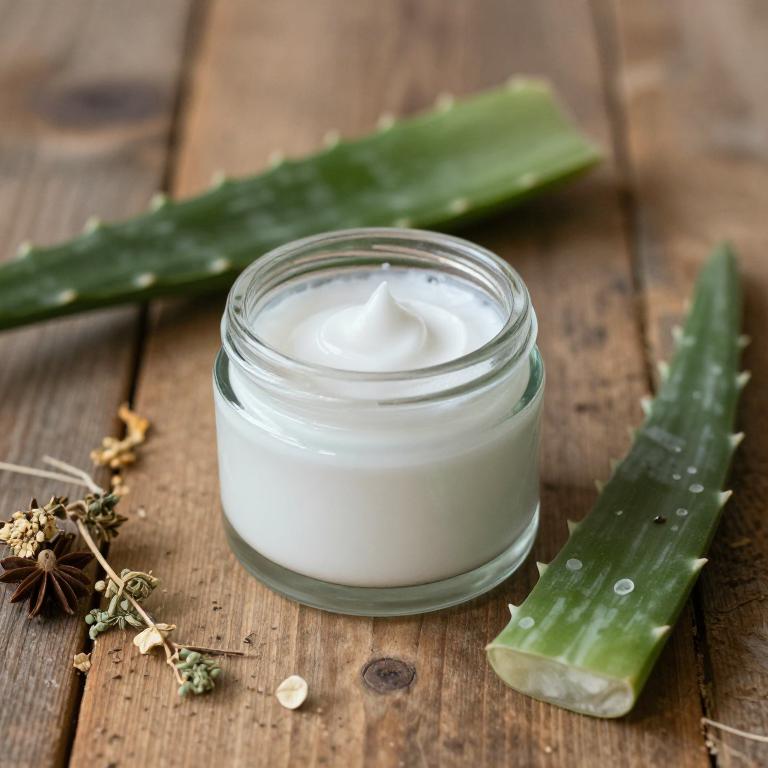
Aloe barbadensis, commonly known as aloe vera, has been traditionally used for its soothing and healing properties, and some herbal creams containing aloe vera are marketed for their potential role in combating baldness.
These creams are often claimed to stimulate hair growth by improving scalp health and enhancing blood circulation to the follicles. While there is limited scientific evidence directly linking aloe vera to hair regrowth, some studies suggest that its anti-inflammatory and moisturizing properties may support a healthy scalp environment. However, it is important to note that aloe-based creams are not a proven cure for baldness and should be used in conjunction with other treatments recommended by a dermatologist.
As with any herbal remedy, individual results may vary, and it is advisable to consult a healthcare professional before incorporating such products into a hair care routine.
6. Blessed thistle (Cnicus benedictus)
Cnicus benedictus, commonly known as blessed thorn, has been traditionally used in herbal remedies for its potential benefits in promoting hair growth.
Herbal creams containing Cnicus benedictus are believed to nourish the scalp and stimulate the hair follicles, which may help in reducing hair loss and encouraging regrowth. These creams often combine the plant's extracts with other natural ingredients to enhance their efficacy. While some users report positive results, scientific evidence supporting its effectiveness for baldness is limited.
As with any herbal treatment, it is advisable to consult a healthcare professional before use to ensure safety and suitability for individual needs.
7. Centella (Centella asiatica)
Centella asiatica, also known as gotu kola, is a traditional herb widely used in Ayurvedic and Chinese medicine for its skin-healing properties.
Herbal creams containing Centella asiatica are believed to promote hair growth and improve scalp health by enhancing blood circulation and reducing inflammation. These creams are often rich in compounds like asiatic acid and madecassol, which are known to stimulate collagen production and strengthen hair follicles. While some studies suggest potential benefits for hair regrowth, more research is needed to confirm their effectiveness for treating baldness.
Nonetheless, many people use these creams as a natural alternative to conventional hair loss treatments.
8. St. john's wort (Hypericum perforatum)
Hypericum perforatum, commonly known as St. John's Wort, is a herbal plant traditionally used for its potential therapeutic properties, including anti-inflammatory and antioxidant effects.
While it is well-known for its use in treating mild depression, some studies suggest it may also support hair growth by improving scalp health and reducing inflammation. However, there is limited scientific evidence directly linking hypericum perforatum herbal creams to the treatment of baldness or hair loss. Some individuals may use these creams as part of a holistic approach to hair regrowth, often in combination with other treatments like minoxidil or topical solutions.
Despite its popularity in alternative medicine, it is important to consult a healthcare professional before using St. John's Wort, as it can interact with certain medications and may not be effective for everyone.
9. Stinging nettle (Urtica dioica)
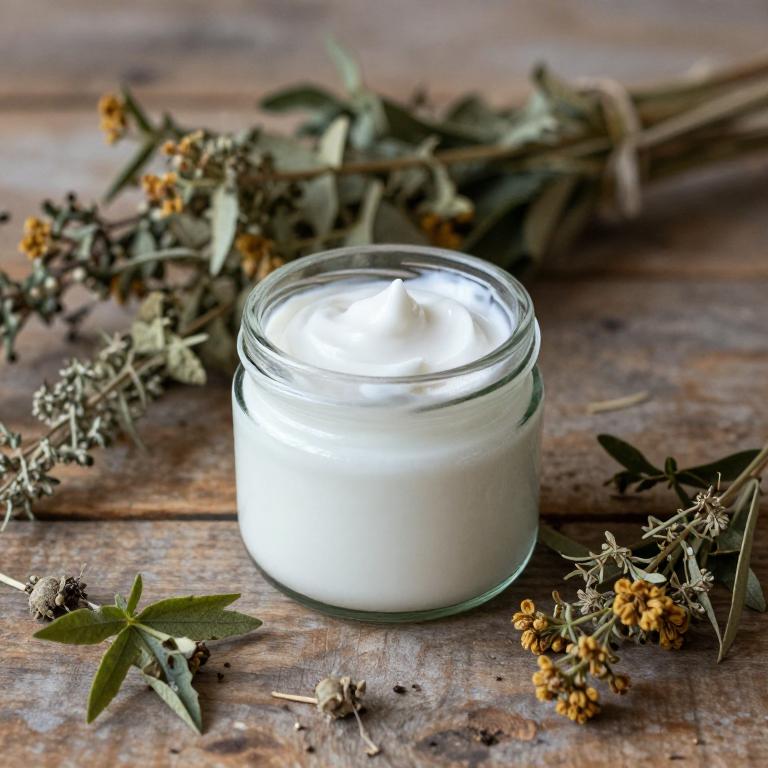
Urtica dioica, commonly known as stinging nettle, has been traditionally used in herbal remedies for various health issues, including hair loss.
Some herbal creams containing Urtica dioica are marketed for their potential to stimulate hair growth and improve scalp health. These creams are believed to work by enhancing blood circulation to the scalp and providing essential nutrients that support hair follicles. However, scientific evidence supporting their effectiveness for baldness is limited, and results may vary among individuals.
It is advisable to consult a healthcare professional before using any herbal remedy for hair loss to ensure safety and appropriateness.
10. Field horsetail (Equisetum arvense)
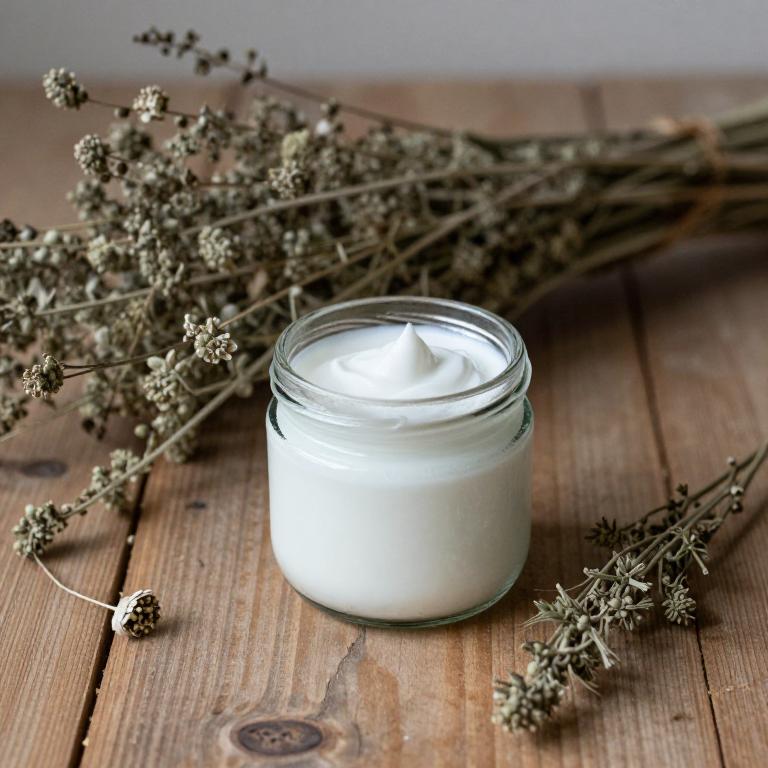
Equisetum arvense, commonly known as horsetail, is a plant rich in silica and other minerals that has been traditionally used in herbal remedies.
Some herbal creams containing Equisetum arvense are marketed for their potential to stimulate hair growth and improve scalp health, making them a popular choice for individuals experiencing baldness or thinning hair. These creams are often formulated with other natural ingredients such as essential oils and vitamins to enhance their effectiveness. While preliminary research suggests that the silica in horsetail may support hair strength, more scientific studies are needed to confirm its efficacy for treating baldness.
As with any herbal product, it is advisable to consult a healthcare professional before use, especially if you have sensitive skin or existing health conditions.