10 Best Herbal Capsules For Back Pain

Herbal capsules for back pain are increasingly popular as a natural alternative to conventional pain medications, offering potential relief with fewer side effects.
These capsules typically contain a blend of herbs such as turmeric, ginger, willow bark, and devil's claw, which are known for their anti-inflammatory and pain-relieving properties. Many people use these supplements to support overall spinal health and reduce chronic discomfort, especially when combined with physical therapy or lifestyle changes. While they may provide relief for some individuals, it is important to consult a healthcare professional before starting any herbal regimen to ensure safety and effectiveness.
Overall, herbal capsules can be a valuable addition to a comprehensive approach for managing back pain.
Table of Contents
- 1. Ginger (Zingiber officinale)
- 2. Salvia (Salvia officinalis)
- 3. Field horsetail (Equisetum arvense)
- 4. St. john's wort (Hypericum perforatum)
- 5. Blessed thistle (Cnicus benedictus)
- 6. Common grape (Vitis vinifera)
- 7. Yarrow (Achillea millefolium)
- 8. Turmeric (Curcuma longa)
- 9. Sacred lotus (Nelumbo nucifera)
- 10. Chaste tree (Vitex agnus-castus)
1. Ginger (Zingiber officinale)
Zingiber officinale, commonly known as ginger, has been traditionally used for its anti-inflammatory and analgesic properties, making it a popular herbal remedy for various types of pain, including back pain.
When formulated into herbal capsules, zingiber officinale provides a convenient and standardized dosage for individuals seeking natural relief from discomfort. Studies suggest that ginger may help reduce inflammation and muscle tension, which are common contributors to chronic back pain. However, while some people report positive effects, more rigorous clinical trials are needed to fully establish its efficacy for back pain.
As with any supplement, it is advisable to consult a healthcare provider before starting ginger capsules, especially for those with existing medical conditions or on other medications.
2. Salvia (Salvia officinalis)
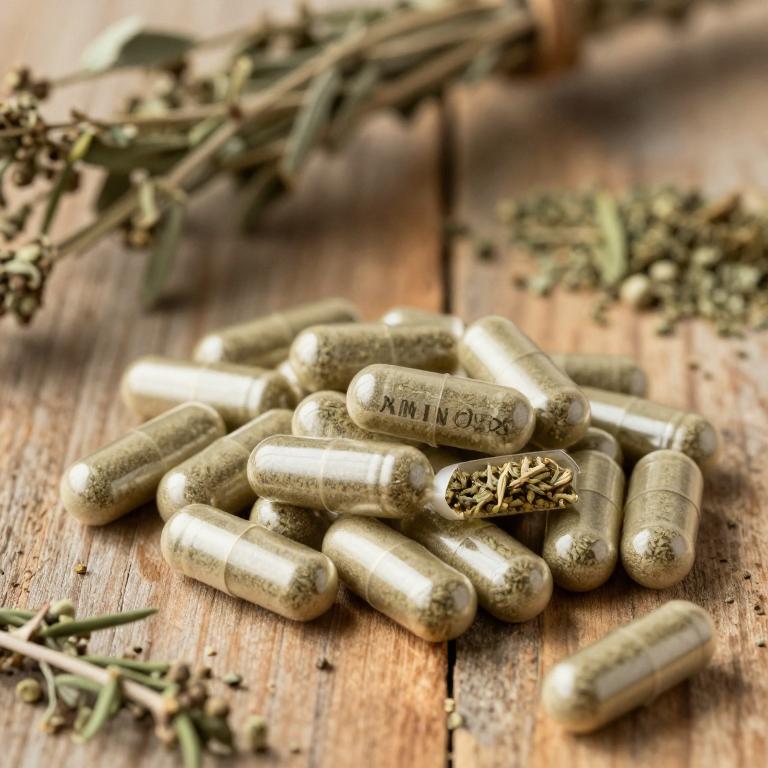
Salvia officinalis, commonly known as sage, has been traditionally used for its medicinal properties, and recent studies suggest that sage herbal capsules may offer some relief for individuals suffering from back pain.
The active compounds in sage, such as rosmarinic acid and flavonoids, are believed to possess anti-inflammatory and analgesic effects that can help reduce pain and inflammation in the musculoskeletal system. While more research is needed to fully understand its efficacy, some users report improved mobility and reduced discomfort when taking sage capsules as a complementary therapy. It is important to consult with a healthcare professional before using sage capsules, especially if you are taking other medications or have underlying health conditions.
As a natural alternative, sage herbal capsules may provide a gentle and holistic approach to managing back pain alongside conventional treatments.
3. Field horsetail (Equisetum arvense)
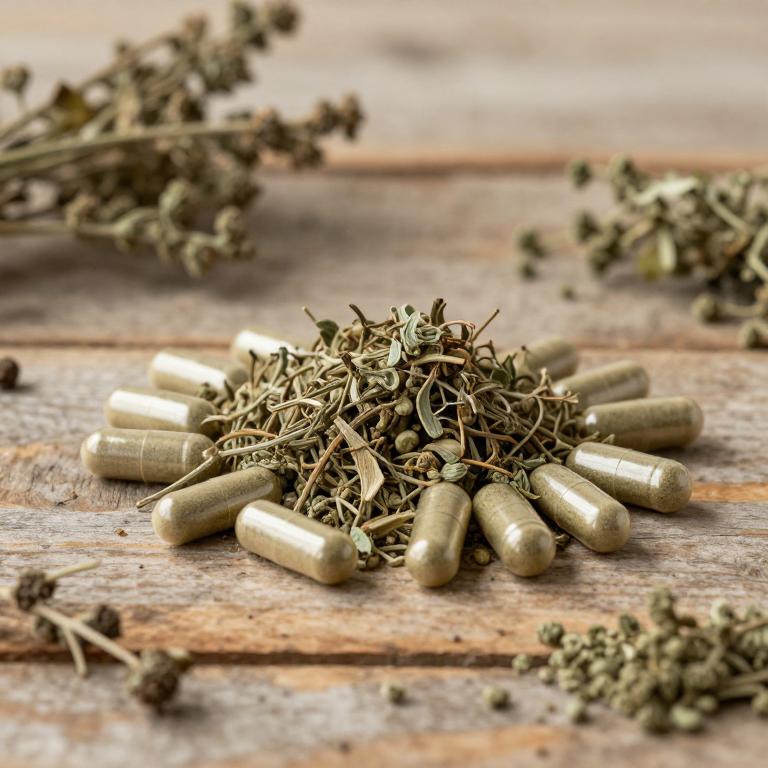
Equisetum arvense, commonly known as field horsetail, is a traditional herbal remedy that has been used for its purported health benefits, including its potential to alleviate back pain.
The plant is rich in silica, which is believed to support joint and bone health, making it a popular choice for those seeking natural relief from musculoskeletal discomfort. Equisetum arvense herbal capsules are often formulated to provide a concentrated dose of the plant’s active compounds, offering a convenient and standardized way to consume the herb. While some studies suggest that horsetail may have anti-inflammatory and analgesic properties, it is important to consult a healthcare professional before using it, especially for chronic conditions like back pain.
As with any supplement, individual responses can vary, and it should be used as part of a comprehensive approach to pain management.
4. St. john's wort (Hypericum perforatum)
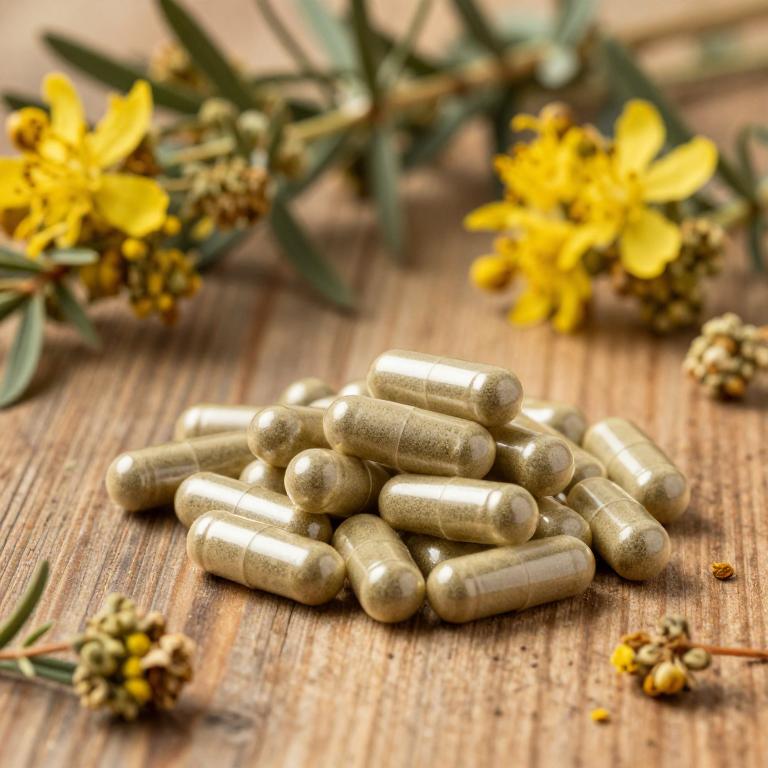
Hypericum perforatum, commonly known as St. John's wort, is an herbal remedy traditionally used for its potential anti-inflammatory and analgesic properties.
While it is more widely recognized for its use in treating mild to moderate depression, some studies suggest that it may also offer relief for certain types of back pain, particularly when inflammation is a contributing factor. Herbal capsules containing standardized extracts of Hypericum perforatum are often used as a complementary therapy alongside conventional treatments. However, it is important to consult with a healthcare provider before using this herb, as it can interact with various medications and may have side effects.
Despite its popularity, more research is needed to fully understand its efficacy and safety in treating back pain.
5. Blessed thistle (Cnicus benedictus)
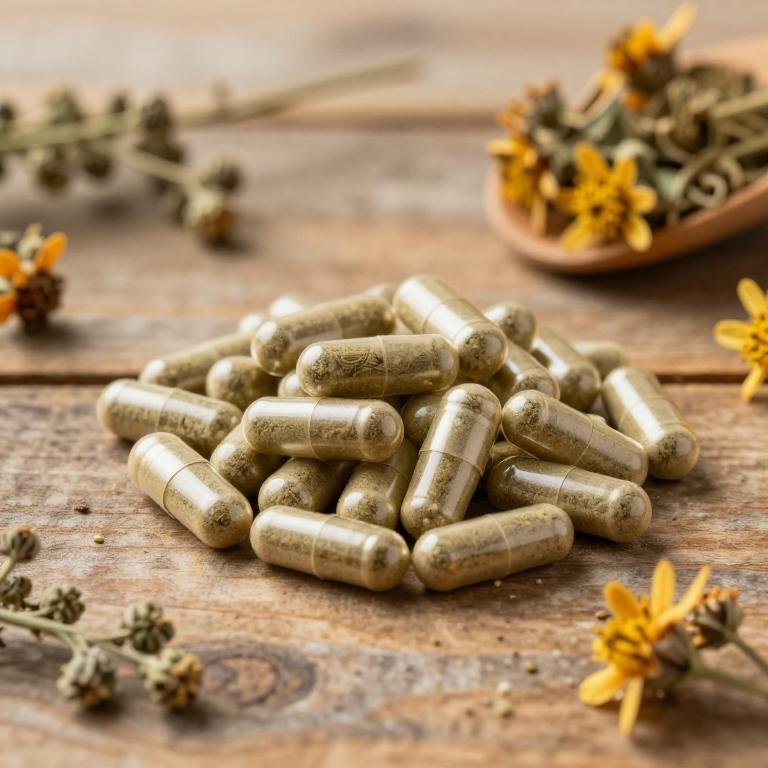
Cnicus benedictus, also known as blessed thistle, is a herbal remedy that has been traditionally used for its potential anti-inflammatory and analgesic properties.
While it is more commonly associated with digestive health, some studies suggest it may offer relief for mild to moderate back pain due to its ability to reduce inflammation and muscle tension. Herbal capsules containing Cnicus benedictus are often marketed as natural alternatives to conventional pain medications, appealing to individuals seeking holistic treatments. However, it is important to consult with a healthcare professional before using these capsules, as they may interact with other medications or have side effects.
Overall, while Cnicus benedictus may provide some relief for back pain, it should be used as part of a comprehensive treatment plan under medical guidance.
6. Common grape (Vitis vinifera)

Vitis vinifera herbal capsules, derived from the grapevine plant, are traditionally used for their potential anti-inflammatory and analgesic properties.
These capsules may support joint and muscle health by promoting circulation and reducing oxidative stress, which can contribute to back pain relief. While not a substitute for conventional medical treatments, some studies suggest that Vitis vinifera may help alleviate chronic back pain when used as part of a holistic approach. However, it is important to consult a healthcare professional before use, especially if you are taking other medications or have underlying health conditions.
Overall, Vitis vinifera herbal capsules may offer a natural complement to managing back pain, though individual results can vary.
7. Yarrow (Achillea millefolium)

Achillea millefolium, commonly known as yarrow, is a traditional herbal remedy that has been used for centuries to support various health conditions, including inflammation and pain.
While it is not a direct treatment for back pain, some studies suggest that its anti-inflammatory and analgesic properties may help alleviate discomfort associated with musculoskeletal issues. Herbal capsules containing Achillea millefolium are often marketed as natural alternatives to conventional pain medications, though they should not replace professional medical advice. It is important to consult a healthcare provider before using these capsules, especially if you have existing health conditions or are taking other medications.
As with any supplement, the effectiveness of Achillea millefolium may vary among individuals, and further research is needed to fully understand its therapeutic potential for back pain.
8. Turmeric (Curcuma longa)

Curcuma longa, commonly known as turmeric, contains curcumin, a compound known for its anti-inflammatory and antioxidant properties.
Herbal capsules made from Curcuma longa are often used as a natural remedy for managing back pain, particularly due to their ability to reduce inflammation and muscle tension. These capsules are typically combined with black pepper extract to enhance the absorption of curcumin in the body. While they may offer relief for some individuals, their effectiveness can vary, and it is important to consult a healthcare professional before use, especially if taking other medications.
Overall, Curcuma longa capsules can be a complementary option for those seeking non-pharmacological approaches to alleviate back pain.
9. Sacred lotus (Nelumbo nucifera)

Nelumbo nucifera, commonly known as the sacred lotus, has been traditionally used in Ayurvedic medicine for its anti-inflammatory and analgesic properties.
Herbal capsules containing Nelumbo nucifera are formulated to support natural pain relief, making them a popular alternative for individuals seeking non-pharmacological treatments for back pain. These capsules are often rich in bioactive compounds such as alkaloids, flavonoids, and phenolic acids, which may help reduce inflammation and muscle tension. When used consistently, they may offer gentle relief for chronic back pain without the side effects associated with conventional painkillers.
However, it is recommended to consult with a healthcare professional before incorporating these herbal capsules into a pain management regimen.
10. Chaste tree (Vitex agnus-castus)
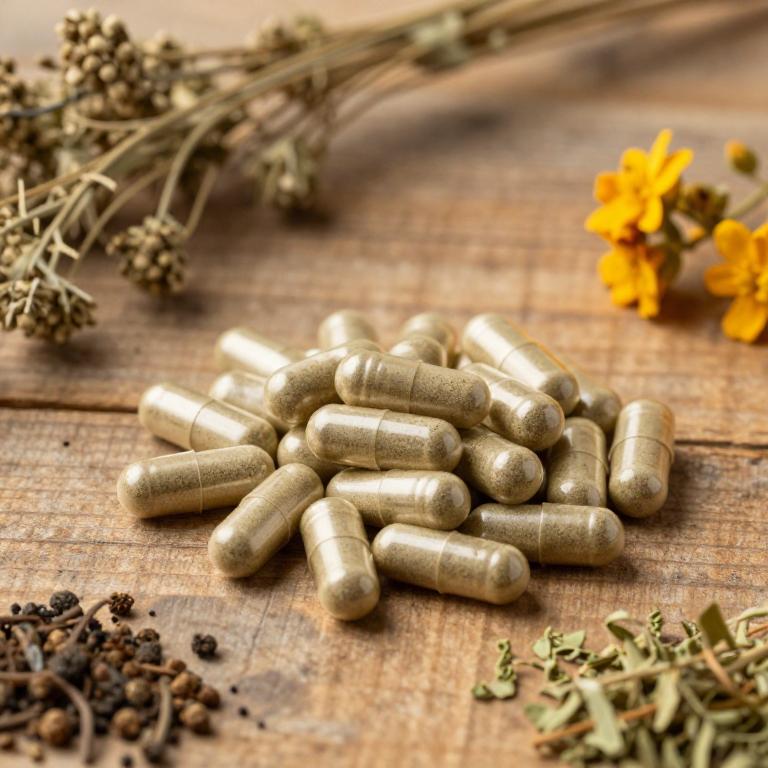
Vitex agnus-castus, commonly known as chasteberry, is a herbal remedy that has been traditionally used for various health conditions, including hormonal imbalances and menstrual discomfort.
While it is not a primary treatment for back pain, some studies suggest that its anti-inflammatory and analgesic properties may offer mild relief for certain types of musculoskeletal discomfort. Herbal capsules containing vitex agnus-castus are typically taken orally and are often marketed for their potential to support hormonal health, which can indirectly influence pain perception. However, it is important to consult a healthcare professional before using this herb, especially if you have existing medical conditions or are taking other medications.
As with any supplement, the effectiveness of vitex agnus-castus for back pain may vary among individuals and should be used as part of a comprehensive treatment plan.