10 Best Herbal Capsules For Athlete'S Foot
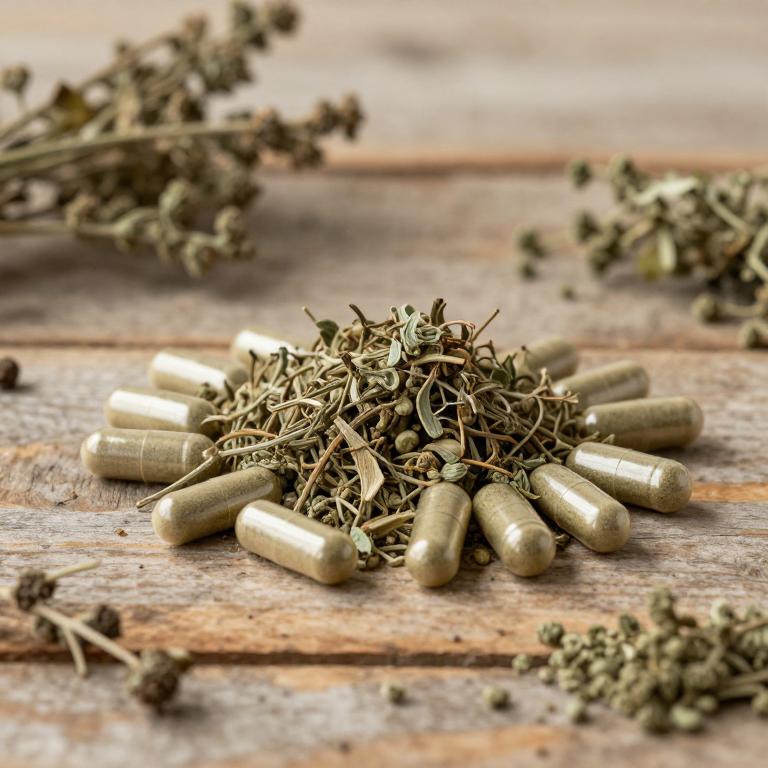
Herbal capsules for athlete's foot are a natural alternative to conventional antifungal medications, often containing ingredients like tea tree oil, garlic, and oregano, which are known for their antifungal properties.
These capsules are typically taken orally to support the body's immune system in fighting the fungal infection caused by dermatophytes. While they may not be as immediately effective as prescription treatments, they offer a safer option for those seeking to avoid synthetic chemicals. However, it is important to consult a healthcare provider before using herbal capsules, as they may interact with other medications or have side effects.
Overall, herbal capsules can be a complementary approach to managing athlete's foot when used alongside proper hygiene and medical advice.
Table of Contents
- 1. Field horsetail (Equisetum arvense)
- 2. Ginger (Zingiber officinale)
- 3. Echinacea (Echinacea purpurea)
- 4. St. john's wort (Hypericum perforatum)
- 5. Polium germander (Teucrium polium)
- 6. Ceylon cinnamon (Cinnamomum zeylanicum)
- 7. Thyme (Thymus vulgaris)
- 8. Turmeric (Curcuma longa)
- 9. Stinging nettle (Urtica dioica)
- 10. Ceylon cinnamon (Cinnamomum verum)
1. Field horsetail (Equisetum arvense)
Equisetum arvense, commonly known as horsetail, is a herb that has been traditionally used for its high concentration of silica, which supports skin health and healing.
Herbal capsules containing Equisetum arvense are often marketed for their potential to alleviate symptoms of athlete's foot, a fungal infection of the feet. These capsules may help reduce inflammation and promote the regeneration of skin tissues affected by the infection. However, it is important to consult a healthcare professional before using them, as they may not be a substitute for conventional antifungal treatments.
While some studies suggest possible benefits, more research is needed to fully understand their efficacy in treating athlete's foot.
2. Ginger (Zingiber officinale)
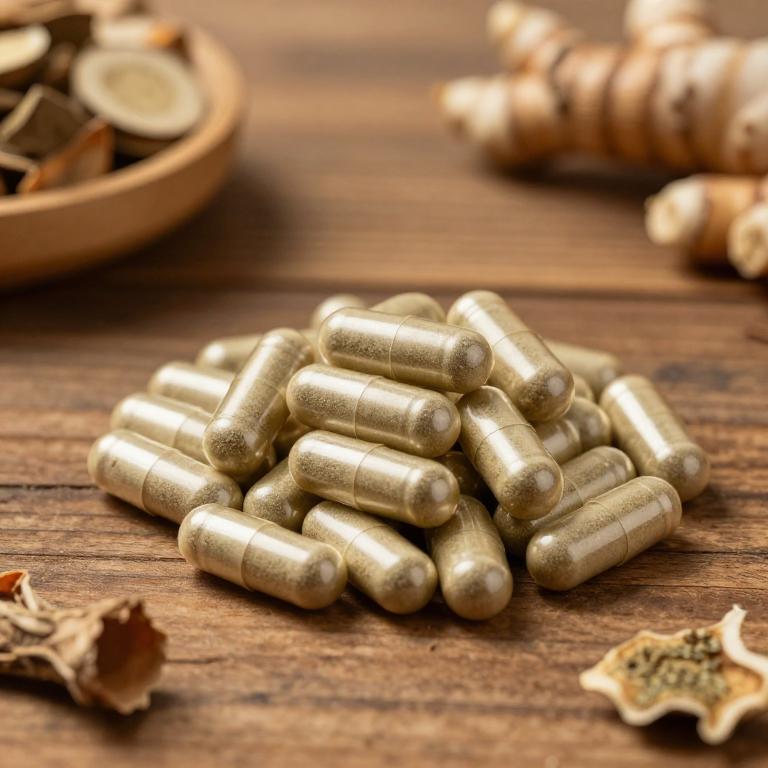
Zingiber officinale, commonly known as ginger, has been traditionally used for its anti-inflammatory and antimicrobial properties, making it a potential natural remedy for athlete's foot.
When formulated into herbal capsules, zingiber officinale may help combat the fungal infection caused by dermatophytes by inhibiting fungal growth and reducing inflammation in the affected area. These capsules offer a convenient and easy-to-take alternative to conventional antifungal medications, which may have side effects. However, while some preliminary studies suggest its efficacy, more clinical research is needed to confirm its effectiveness and safety for treating athlete's foot.
As with any herbal supplement, it is advisable to consult a healthcare professional before use, especially for individuals with existing health conditions or those taking other medications.
3. Echinacea (Echinacea purpurea)
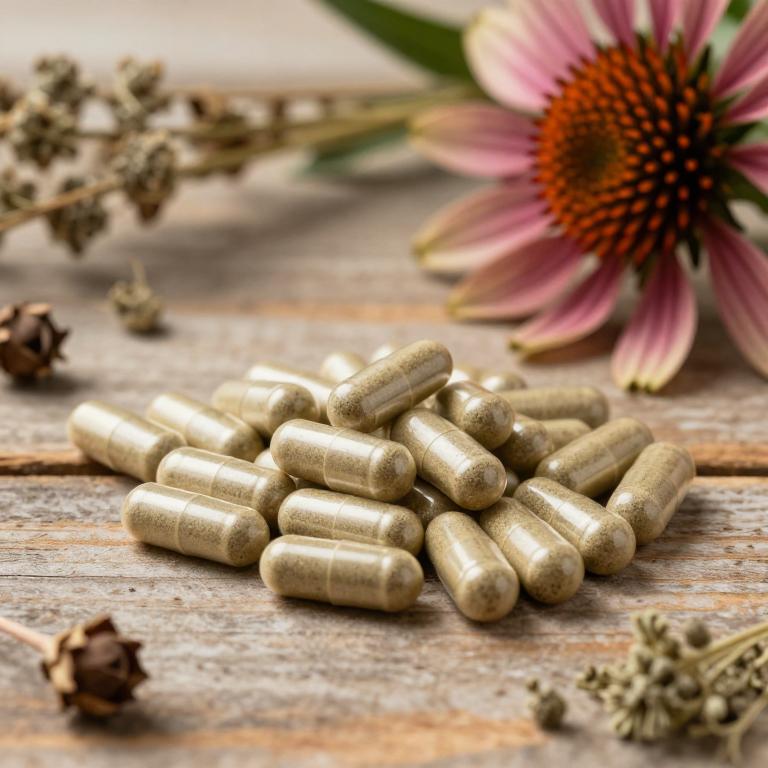
Echinacea purpurea herbal capsules are commonly used as a natural remedy for various fungal infections, including athlete's foot, due to their potential antifungal and immune-boosting properties.
These capsules contain standardized extracts of the purple coneflower, which may help inhibit the growth of fungi such as Trichophyton species, the primary cause of athlete's foot. While some studies suggest that echinacea may support the body's defenses against infections, its effectiveness specifically for athlete's foot has not been conclusively proven in clinical trials. It is often used as a complementary therapy alongside conventional antifungal treatments, though it should not replace prescribed medications without consulting a healthcare professional.
As with any herbal supplement, echinacea may cause mild side effects in some individuals, and its safety during pregnancy or for people with autoimmune conditions should be carefully considered.
4. St. john's wort (Hypericum perforatum)
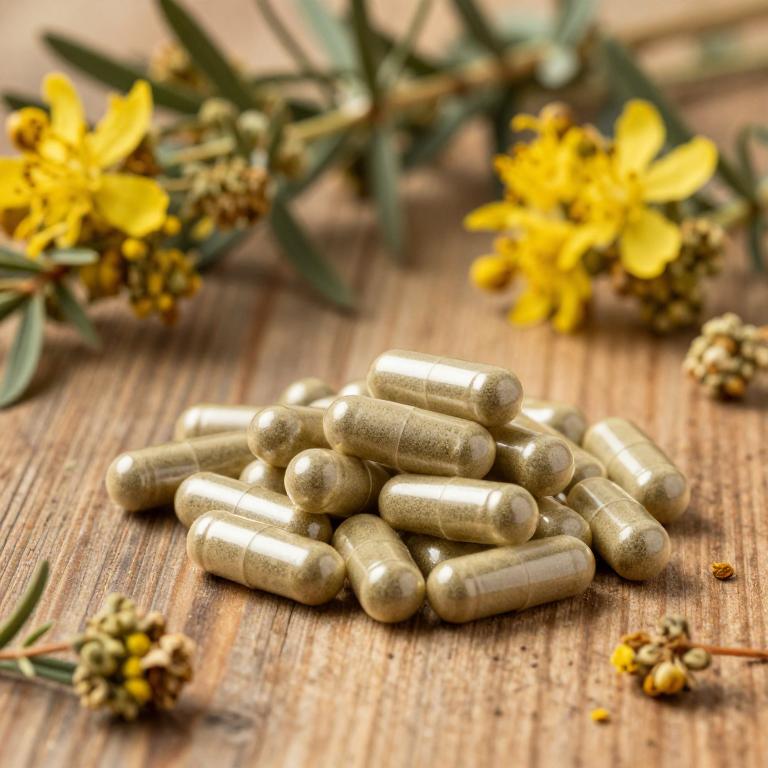
Hypericum perforatum, commonly known as St. John's wort, is a herbal remedy that has been traditionally used for its anti-inflammatory and antimicrobial properties.
While it is more widely recognized for its use in treating mild depression, some studies suggest that its active compounds, such as hypericin and hyperforin, may have potential in combating fungal infections like athlete's foot. Athlete's foot, caused by dermatophyte fungi, often leads to symptoms such as itching, burning, and peeling of the skin, and hypericum perforatum capsules may offer a natural alternative to conventional antifungal treatments. However, it is important to note that while preliminary research is promising, more clinical trials are needed to confirm its efficacy and safety for this specific condition.
As with any herbal supplement, individuals should consult with a healthcare provider before using hypericum perforatum capsules, especially if they are taking other medications or have underlying health conditions.
5. Polium germander (Teucrium polium)
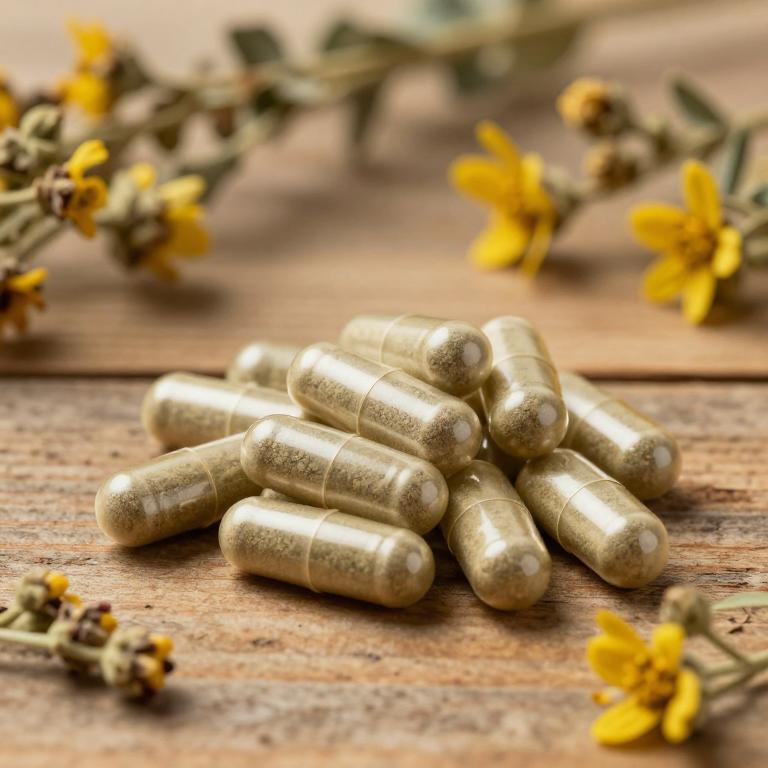
Teucrium polium herbal capsules are a natural remedy that has been traditionally used to address fungal infections, including athlete's foot.
These capsules contain extracts from the Teucrium polium plant, which is known for its antifungal and antimicrobial properties. The active compounds in Teucrium polium, such as flavonoids and tannins, help inhibit the growth of fungi like Trichophyton, which causes athlete's foot. By reducing inflammation and promoting skin healing, these herbal capsules may offer a gentler alternative to conventional antifungal treatments.
However, it is important to consult a healthcare professional before using them, especially if you have underlying health conditions or are taking other medications.
6. Ceylon cinnamon (Cinnamomum zeylanicum)
Cinnamomum zeylanicum, also known as Ceylon cinnamon, has been traditionally used for its antimicrobial and anti-inflammatory properties, making it a potential natural remedy for athlete's foot.
The essential oils extracted from the bark of this plant contain compounds like cinnamaldehyde, which have been shown to inhibit the growth of fungi, including the common cause of athlete's foot, Trichophyton rubrum. Herbal capsules made from Cinnamomum zeylanicum offer a convenient and concentrated form of this remedy, allowing for easy integration into daily wellness routines. While more research is needed to fully establish its efficacy, some studies suggest that cinnamon may help reduce fungal infections when used topically or in combination with other antifungal agents.
As a complementary therapy, Cinnamomum zeylanicum capsules may support overall foot health and provide a natural alternative for those seeking to manage athlete's foot without conventional antifungal medications.
7. Thyme (Thymus vulgaris)
Thymus vulgaris herbal capsules, derived from the common thyme plant, are often used as a natural remedy for athlete's foot due to their antimicrobial and antifungal properties.
These capsules contain essential oils and phytochemicals that help combat fungal infections, such as those caused by Trichophyton species, which are responsible for athlete's foot. The active compounds in thyme, including thymol and carvacrol, work to inhibit the growth of fungi and reduce inflammation in affected areas. While they may offer a complementary approach to conventional treatments, it is important to consult a healthcare professional before using thymus vulgaris capsules, especially if symptoms persist or worsen.
Overall, thyme-based supplements can be a valuable addition to a holistic treatment plan for managing athlete's foot.
8. Turmeric (Curcuma longa)
Curcuma longa, commonly known as turmeric, contains curcumin, a compound with potent anti-inflammatory and antifungal properties.
These properties make curcuma longa herbal capsules a potential natural remedy for athlete's foot, a fungal infection caused by dermatophytes. Studies suggest that curcumin may inhibit the growth of fungi by disrupting their cell membranes and reducing oxidative stress. However, while some preliminary research supports its use, more clinical trials are needed to confirm its efficacy and safety for treating athlete's foot.
As with any supplement, it is advisable to consult a healthcare professional before using curcuma longa capsules as part of a treatment regimen.
9. Stinging nettle (Urtica dioica)
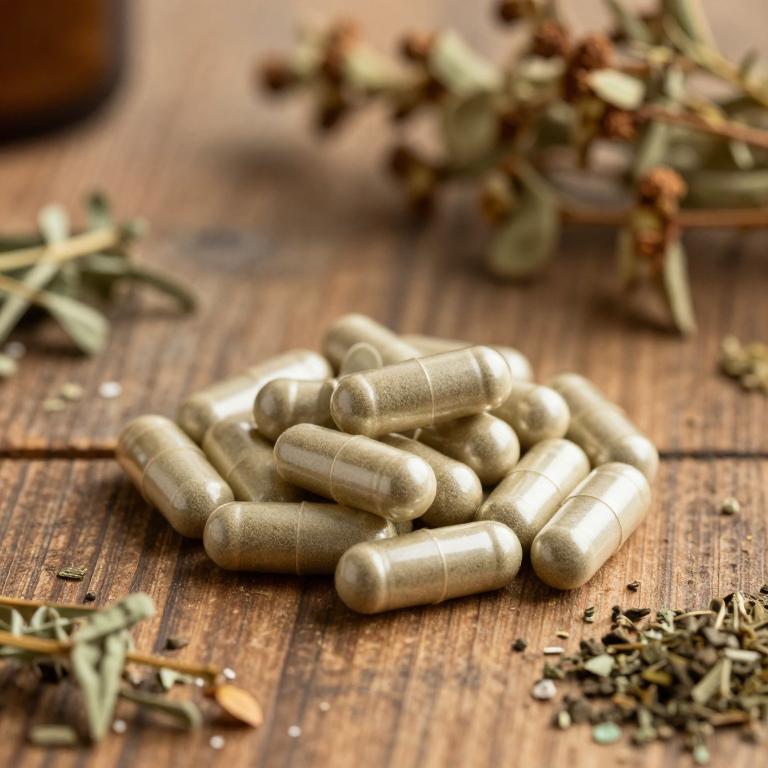
Urtica dioica, commonly known as stinging nettle, is a plant that has been traditionally used for its potential anti-fungal and anti-inflammatory properties.
Urtica dioica herbal capsules are often marketed as a natural remedy for athlete's foot, a fungal infection that affects the feet. These capsules may help reduce symptoms such as itching, redness, and scaling by supporting the body's immune response and inhibiting fungal growth. However, while some studies suggest possible benefits, more clinical research is needed to confirm their efficacy for this specific condition.
As with any supplement, it is advisable to consult a healthcare professional before use, especially if you have underlying health conditions or are taking other medications.
10. Ceylon cinnamon (Cinnamomum verum)
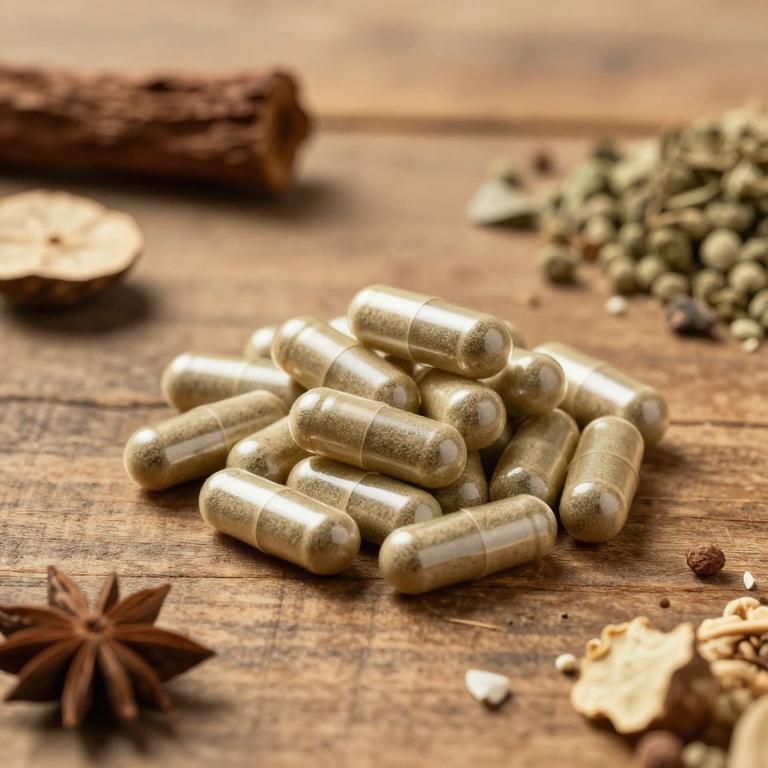
Cinnamomum verum, commonly known as true cinnamon, has been traditionally used for its antimicrobial and anti-inflammatory properties, making it a potential natural remedy for athlete's foot.
The essential oils extracted from the bark of Cinnamomum verum contain compounds like cinnamaldehyde and eugenol, which exhibit strong antifungal effects against dermatophytes, the primary cause of athlete's foot. Herbal capsules made from Cinnamomum verum may help reduce fungal growth and alleviate symptoms such as itching and redness associated with the condition. While more scientific studies are needed to confirm its efficacy, some anecdotal evidence suggests that cinnamon-based supplements may support foot health when used as part of a holistic treatment plan.
As with any herbal remedy, it is advisable to consult a healthcare professional before using Cinnamomum verum capsules for athlete's foot.