10 Best Herbal Juices For Arthritis
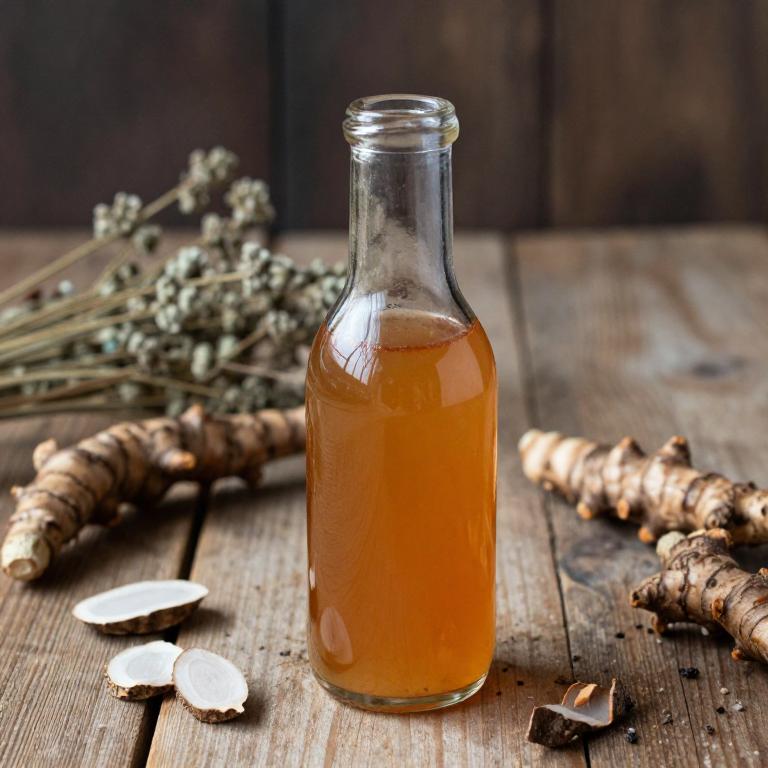
Herbal juices have gained popularity as a natural remedy for arthritis due to their anti-inflammatory and antioxidant properties.
Ingredients like turmeric, ginger, and celery are commonly used because they contain compounds that may help reduce joint pain and stiffness. These juices are often consumed as part of a holistic approach to managing arthritis symptoms, complementing traditional treatments. However, it's important to consult with a healthcare provider before incorporating herbal juices into one's regimen, as they can interact with medications.
Despite their potential benefits, herbal juices should not replace professional medical advice or treatment for arthritis.
Table of Contents
- 1. Turmeric (Curcuma longa)
- 2. Ginger (Zingiber officinale)
- 3. Salvia (Salvia officinalis)
- 4. Thistle (Silybum marianum)
- 5. Common grape (Vitis vinifera)
- 6. Stinging nettle (Urtica dioica)
- 7. Licorice (Glycyrrhiza glabra)
- 8. Yarrow (Achillea millefolium)
- 9. Field horsetail (Equisetum arvense)
- 10. Dog rose (Rosa canina)
1. Turmeric (Curcuma longa)
Curcuma longa, commonly known as turmeric, contains a bioactive compound called curcumin, which has been extensively studied for its anti-inflammatory and antioxidant properties.
Turmeric herbal juices, derived from the rhizome of the plant, are increasingly used as natural remedies for managing arthritis symptoms due to their ability to reduce inflammation and pain. These juices may help alleviate joint stiffness and swelling, making them a popular complementary therapy for individuals with osteoarthritis and rheumatoid arthritis. However, curcumin has low bioavailability, so it is often combined with black pepper or consumed with healthy fats to enhance absorption.
While generally safe, it is important to consult a healthcare professional before using turmeric juices, especially if taking medications or having underlying health conditions.
2. Ginger (Zingiber officinale)
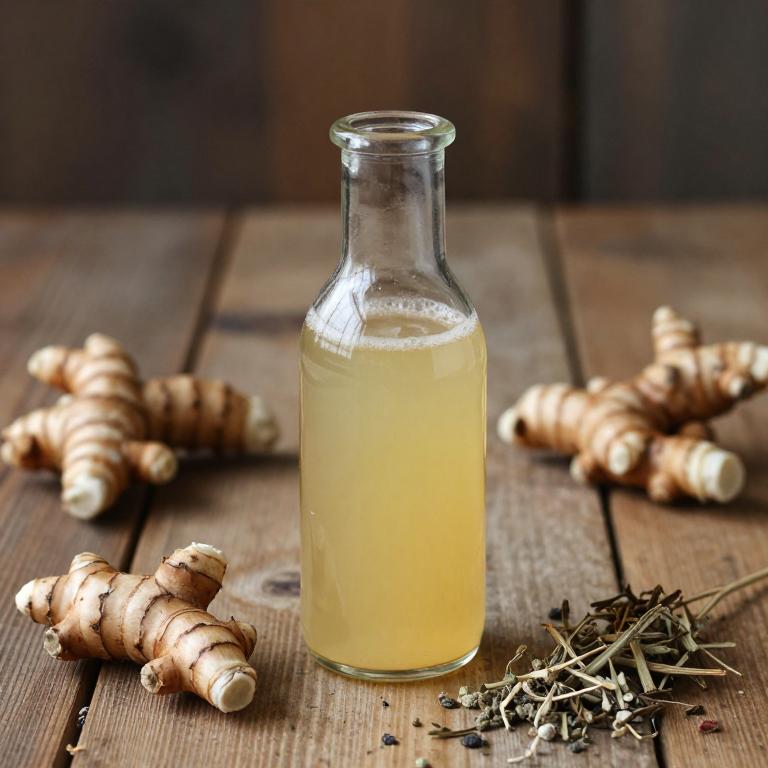
Zingiber officinale, commonly known as ginger, has been widely recognized for its potential therapeutic effects in managing arthritis symptoms.
Herbal juices made from fresh or dried ginger root are often consumed to reduce inflammation and pain associated with conditions like osteoarthritis and rheumatoid arthritis. The active compounds in ginger, such as gingerols and shogaols, possess anti-inflammatory and antioxidant properties that may help alleviate joint discomfort. Some studies suggest that regular consumption of ginger juice can improve mobility and reduce stiffness in affected joints.
However, while ginger is generally safe, it is advisable to consult a healthcare provider before using it as a supplement, especially for those on medication or with existing health conditions.
3. Salvia (Salvia officinalis)
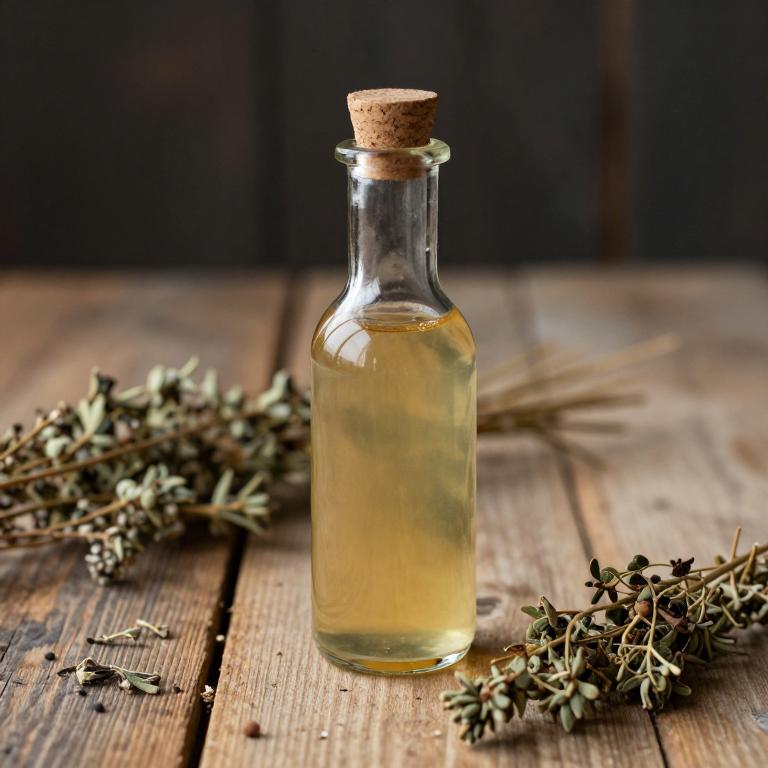
Salvia officinalis, commonly known as sage, has been traditionally used for its potential anti-inflammatory properties, making it a subject of interest in herbal remedies for arthritis.
Sage contains compounds such as rosmarinic acid and flavonoids, which may help reduce inflammation and pain associated with arthritis. Some studies suggest that sage extract could inhibit the production of inflammatory cytokines, potentially offering relief for individuals suffering from conditions like rheumatoid arthritis. While more research is needed to confirm its efficacy, many people use sage-infused herbal juices as a complementary therapy to support joint health.
When incorporating sage into herbal juices, it is important to consult with a healthcare professional to ensure safe and appropriate usage.
4. Thistle (Silybum marianum)
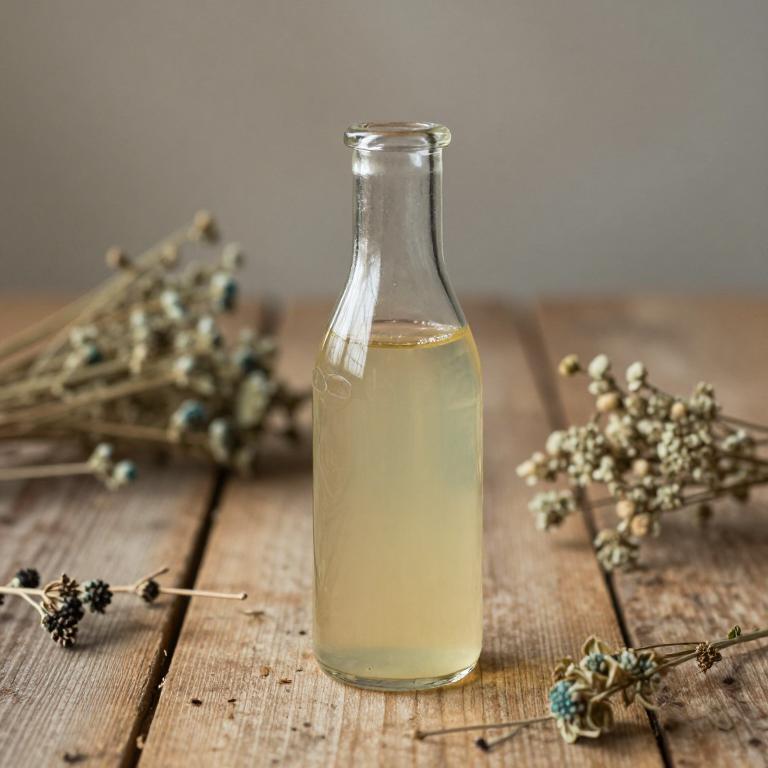
Silybum marianum, also known as milk thistle, is a herbal remedy that has gained attention for its potential benefits in managing arthritis symptoms.
The active compound in silybum marianum, silymarin, is believed to have anti-inflammatory and antioxidant properties that may help reduce joint pain and swelling. Some studies suggest that silymarin could support liver function, which in turn may aid in the body's ability to process and eliminate inflammatory compounds. While more research is needed, many individuals with arthritis report improved mobility and reduced discomfort when incorporating silybum marianum herbal juices into their regimen.
As with any supplement, it is advisable to consult a healthcare professional before use, especially for those with existing medical conditions or taking other medications.
5. Common grape (Vitis vinifera)
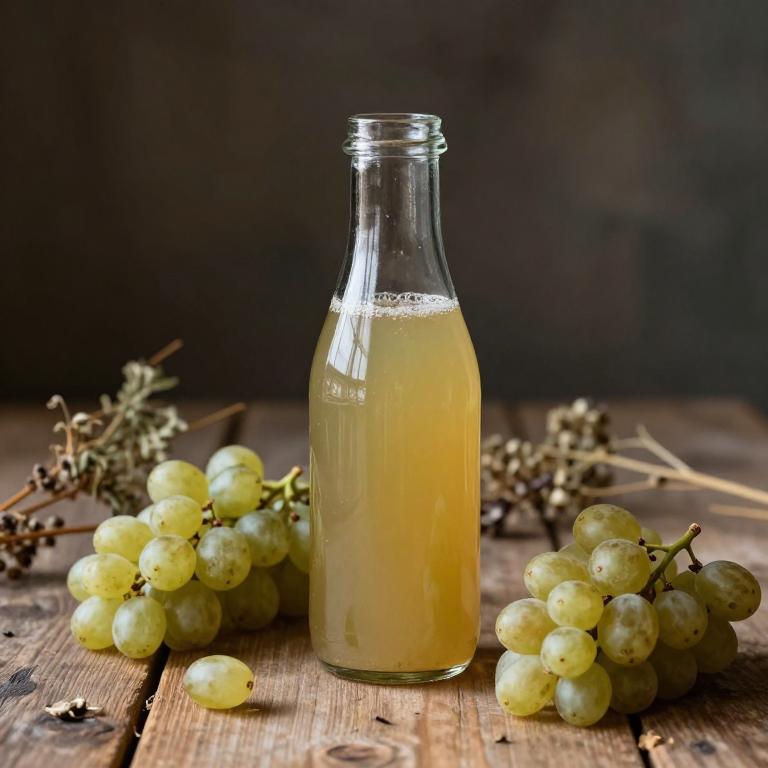
Vitis vinifera, commonly known as the grape vine, has been traditionally used in herbal medicine for its potential anti-inflammatory and antioxidant properties.
Herbal juices derived from Vitis vinifera, such as grape juice or extracts from its leaves and seeds, are believed to support joint health and may help alleviate symptoms of arthritis. These juices contain polyphenols, resveratrol, and other bioactive compounds that have been studied for their ability to reduce inflammation and oxidative stress in the body. Some research suggests that regular consumption of Vitis vinifera-based juices may contribute to improved joint mobility and reduced pain in individuals with arthritis.
However, it is important to consult a healthcare professional before incorporating these juices into a treatment plan, as they should complement, not replace, conventional medical care.
6. Stinging nettle (Urtica dioica)
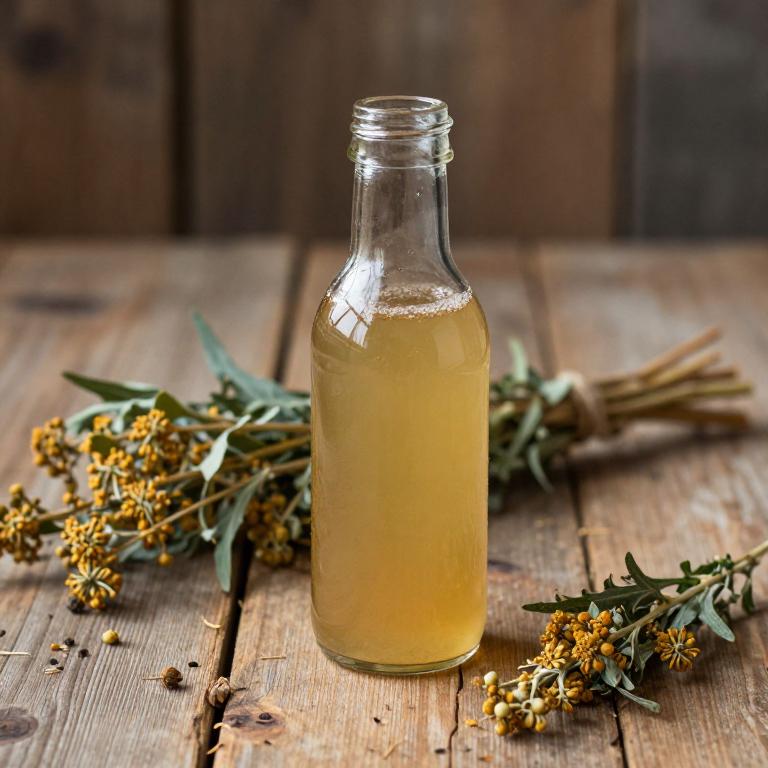
Urtica dioica, commonly known as stinging nettle, has been traditionally used for its potential anti-inflammatory and pain-relieving properties, making it a popular choice in herbal remedies for arthritis.
When prepared as a juice, stinging nettle can help reduce joint inflammation and alleviate symptoms associated with conditions like rheumatoid arthritis and osteoarthritis. The juice is typically made by blending fresh or dried nettle leaves with water and sometimes lemon juice to enhance absorption and flavor. Rich in vitamins, minerals, and antioxidants, it supports overall joint health and may improve mobility in individuals suffering from arthritis.
However, it is important to consult a healthcare professional before incorporating stinging nettle juice into a treatment regimen, especially for those with existing health conditions or taking medications.
7. Licorice (Glycyrrhiza glabra)
Glycyrrhiza glabra, commonly known as licorice, has been traditionally used in herbal medicine for its anti-inflammatory and soothing properties.
The roots of this plant are often processed into herbal juices that may help alleviate joint pain and inflammation associated with arthritis. These juices contain compounds like glycyrrhizin, which exhibit anti-inflammatory and immune-modulating effects. Some studies suggest that licorice extracts can reduce swelling and stiffness in arthritis patients, although more research is needed to confirm their efficacy.
As a complementary therapy, licorice herbal juice may support overall joint health when used alongside conventional treatments under medical guidance.
8. Yarrow (Achillea millefolium)
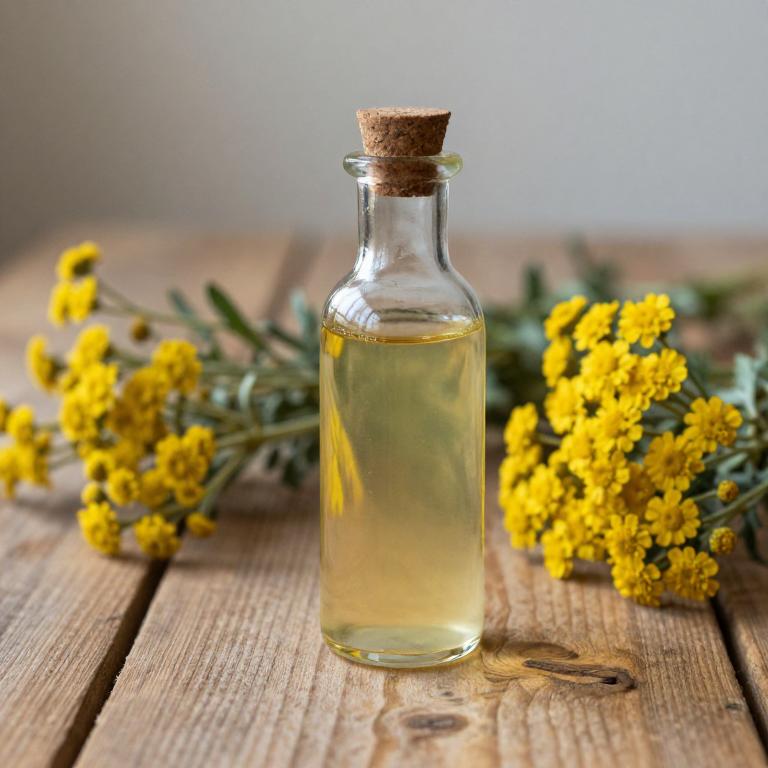
Achillea millefolium, commonly known as yarrow, has been traditionally used in herbal medicine for its potential anti-inflammatory properties.
While it is not a juice in the conventional sense, some herbal preparations of yarrow may be used in the form of tinctures or teas to support joint health. Research suggests that compounds in yarrow, such as flavonoids and volatile oils, may help reduce inflammation and pain associated with arthritis. However, it is important to consult with a healthcare professional before using yarrow, as it can interact with certain medications.
Despite its historical use, more scientific studies are needed to fully understand its efficacy for arthritis treatment.
9. Field horsetail (Equisetum arvense)
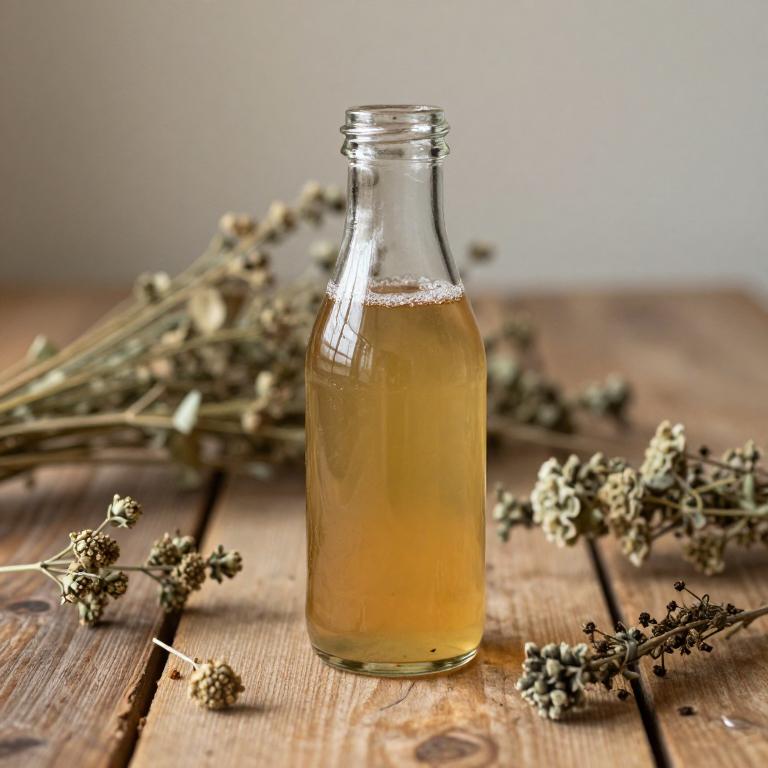
Equisetum arvense, commonly known as field horsetail, has been traditionally used in herbal medicine for its potential anti-inflammatory properties.
The plant contains high levels of silica, which may contribute to its effectiveness in reducing joint pain and inflammation associated with arthritis. Herbal juices made from Equisetum arvense are often prepared by steeping the fresh or dried plant in water or alcohol to extract its active compounds. Some studies suggest that the compounds in horsetail may help improve joint mobility and reduce stiffness in arthritis patients.
However, it is important to consult a healthcare professional before using horsetail juice, as it may interact with certain medications or have side effects in some individuals.
10. Dog rose (Rosa canina)
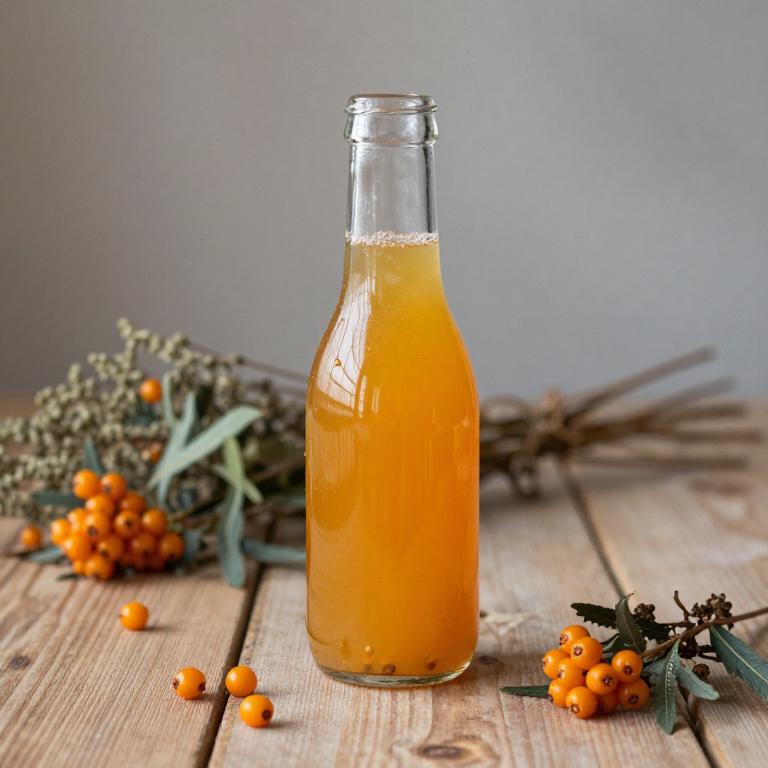
Rosa canina, also known as dog rose, is a traditional herbal remedy that has been used for centuries to support joint health and alleviate symptoms of arthritis.
The berries and flowers of Rosa canina are rich in antioxidants, vitamins, and anti-inflammatory compounds, which may help reduce pain and inflammation in arthritic joints. Herbal juices made from Rosa canina are often consumed as a natural alternative or complementary therapy to conventional treatments for arthritis. These juices are believed to promote circulation and support the body's natural healing processes.
While more research is needed, many individuals report improved mobility and reduced discomfort after incorporating Rosa canina into their wellness routine.