10 Best Herbal Essential Oils For Arthritis
Herbal essential oils have gained popularity as natural remedies for arthritis due to their potential anti-inflammatory and analgesic properties.
Oils such as lavender, eucalyptus, and peppermint are often used in aromatherapy or topical applications to help alleviate joint pain and stiffness. These oils work by stimulating the body's natural healing processes and reducing oxidative stress, which is commonly associated with arthritis. When used properly, they can provide relief without the side effects often linked to pharmaceutical treatments.
However, it is important to consult with a healthcare professional before incorporating essential oils into an arthritis management plan, especially for those with sensitive skin or existing medical conditions.
Table of Contents
- 1. Turmeric (Curcuma longa)
- 2. Ginger (Zingiber officinale)
- 3. Salvia (Salvia officinalis)
- 4. Ceylon cinnamon (Cinnamomum zeylanicum)
- 5. Black pepper (Piper nigrum)
- 6. Thyme (Thymus vulgaris)
- 7. Indian frankincense (Boswellia serrata)
- 8. Eucalyptus (Eucalyptus globulus)
- 9. Bell pepper (Capsicum annuum)
- 10. Black cumin (Nigella sativa)
1. Turmeric (Curcuma longa)
Curcuma longa, commonly known as turmeric, contains a bioactive compound called curcumin, which is often extracted into essential oils for its anti-inflammatory and antioxidant properties.
These essential oils have been studied for their potential to alleviate symptoms of arthritis by reducing inflammation and oxidative stress in the joints. Research suggests that the active components in curcuma longa essential oils may inhibit pro-inflammatory enzymes such as COX-2 and LOX, thereby decreasing joint pain and swelling. However, the efficacy of these oils can vary based on the extraction method and concentration of curcuminoids.
While some individuals report relief from arthritis symptoms using curcuma longa essential oils, it is important to consult with a healthcare provider before using them as a complementary therapy.
2. Ginger (Zingiber officinale)
Zingiber officinale, commonly known as ginger, is widely recognized for its anti-inflammatory and analgesic properties, making its essential oil a promising natural remedy for arthritis.
The essential oil is extracted through steam distillation from the fresh rhizome of the plant, and it contains bioactive compounds such as gingerol and zingiberene, which contribute to its therapeutic effects. When used in aromatherapy or topical applications, ginger essential oil may help reduce joint pain and stiffness associated with conditions like osteoarthritis and rheumatoid arthritis. Its ability to improve circulation and decrease inflammation makes it a valuable complementary treatment in managing arthritis symptoms.
However, it is important to use the oil with caution, as it may cause skin irritation in some individuals, and consulting a healthcare professional is recommended before incorporating it into a treatment regimen.
3. Salvia (Salvia officinalis)
Salvia officinalis, commonly known as sage, contains essential oils that have been traditionally used for their anti-inflammatory and analgesic properties.
These essential oils, particularly those rich in compounds like thujone and cineole, may help reduce joint inflammation and pain associated with arthritis. Studies suggest that the aromatic compounds in sage essential oil can promote relaxation and improve circulation, which may support joint health. When used in aromatherapy or topical applications, sage essential oil can offer a natural alternative for managing arthritis symptoms.
However, it is important to consult with a healthcare professional before using these oils, especially for individuals with sensitive skin or existing medical conditions.
4. Ceylon cinnamon (Cinnamomum zeylanicum)
Cinnamomum zeylanicum, commonly known as cinnamon, produces a rich and aromatic essential oil that has been traditionally used for its potential therapeutic benefits.
This essential oil contains compounds like cinnamaldehyde, which exhibit anti-inflammatory and analgesic properties, making it a promising natural remedy for arthritis. When used in aromatherapy or topical applications, cinnamon essential oil may help reduce joint pain and swelling by inhibiting inflammatory pathways in the body. However, it is important to dilute the oil properly before use to avoid skin irritation.
While preliminary studies suggest its effectiveness, more research is needed to fully understand its role in arthritis management.
5. Black pepper (Piper nigrum)
Piper nigrum, commonly known as black pepper, contains essential oils that have been explored for their potential benefits in managing arthritis.
The essential oils derived from black pepper, particularly compounds like piperine, possess anti-inflammatory and analgesic properties that may help reduce joint pain and swelling. These oils are often used in aromatherapy and topical applications to provide localized relief for arthritic conditions. While more research is needed to confirm their efficacy, some studies suggest that piper nigrum essential oils could complement conventional arthritis treatments.
However, it is important to consult a healthcare professional before using these oils, especially if you are on medication or have existing health conditions.
6. Thyme (Thymus vulgaris)
Thymus vulgaris, commonly known as thyme, is a herb widely recognized for its aromatic and therapeutic properties, including the production of essential oils that have been traditionally used to support joint health.
The essential oil derived from thyme contains potent compounds such as thymol and carvacrol, which exhibit anti-inflammatory and antimicrobial effects, making it a valuable natural remedy for arthritis. These compounds may help reduce pain and swelling by inhibiting inflammatory pathways in the body. While scientific research on its efficacy for arthritis is still emerging, many users report relief from symptoms when using thyme essential oil in aromatherapy or topical applications.
As with any herbal remedy, it is important to consult a healthcare professional before incorporating thyme essential oil into an arthritis management plan.
7. Indian frankincense (Boswellia serrata)
Boswellia serrata, commonly known as Indian frankincense, contains essential oils that have been traditionally used for their anti-inflammatory properties.
These oils are derived from the resin of the Boswellia serrata tree and contain active compounds such as boswellic acids, which help reduce inflammation and pain. Studies suggest that boswellia essential oils may be beneficial in managing symptoms of arthritis by inhibiting the production of inflammatory enzymes. When used in aromatherapy or topical applications, these oils can provide relief from joint stiffness and discomfort.
However, it is important to consult a healthcare professional before using boswellia essential oils, especially for individuals with existing medical conditions or those taking medications.
8. Eucalyptus (Eucalyptus globulus)
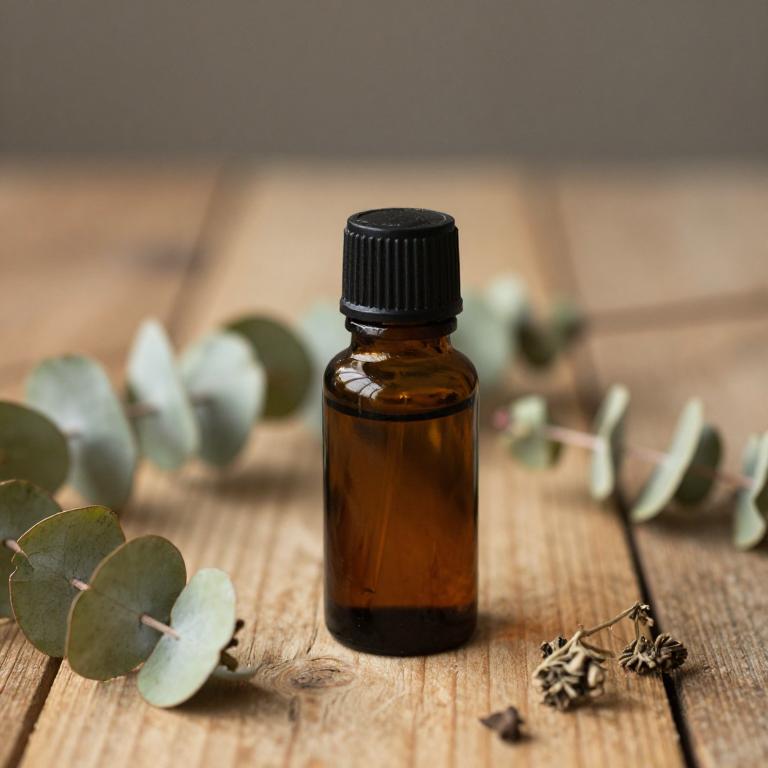
Eucalyptus globulus, commonly known as the Australian eucalyptus, is a popular source of herbal essential oils that has been traditionally used for its anti-inflammatory and analgesic properties.
The essential oil derived from this plant contains compounds like cineole and limonene, which are believed to help reduce joint inflammation and pain associated with arthritis. Studies suggest that inhaling or applying eucalyptus globulus oil may provide relief by improving circulation and reducing oxidative stress in the affected areas. However, it is important to use the oil properly, often diluted with a carrier oil, to avoid skin irritation.
While it can be a complementary therapy for arthritis, it should not replace conventional medical treatments without consulting a healthcare professional.
9. Bell pepper (Capsicum annuum)
Capsicum annuum, commonly known as bell pepper, contains capsaicin, which is the active compound responsible for its spicy heat and is widely used in herbal essential oils for arthritis relief.
These essential oils derived from Capsicum annuum are believed to help reduce inflammation and pain by blocking the transmission of pain signals through the nervous system. When applied topically, capsaicin can provide localized relief for joint pain and stiffness associated with conditions like osteoarthritis and rheumatoid arthritis. However, it is important to dilute the essential oil properly to avoid skin irritation, as undiluted capsaicin can cause a burning sensation.
Despite its potential benefits, individuals with sensitive skin or certain medical conditions should consult a healthcare professional before using Capsicum annuum essential oils for arthritis treatment.
10. Black cumin (Nigella sativa)
Nigella sativa, commonly known as black cumin, contains essential oils that have been traditionally used for their anti-inflammatory and analgesic properties.
These essential oils, derived from the seeds of the plant, may help reduce joint inflammation and pain associated with arthritis by inhibiting inflammatory pathways in the body. Preliminary studies suggest that the active compounds in Nigella sativa essential oils, such as thymoquinone, may offer relief for arthritis symptoms when used topically or in aromatherapy. However, more clinical research is needed to fully understand its efficacy and safety for long-term use in arthritis management.
As with any herbal remedy, it is advisable to consult a healthcare professional before incorporating Nigella sativa essential oils into an arthritis treatment plan.