10 Best Herbal Lotions For Loss Of Appetite
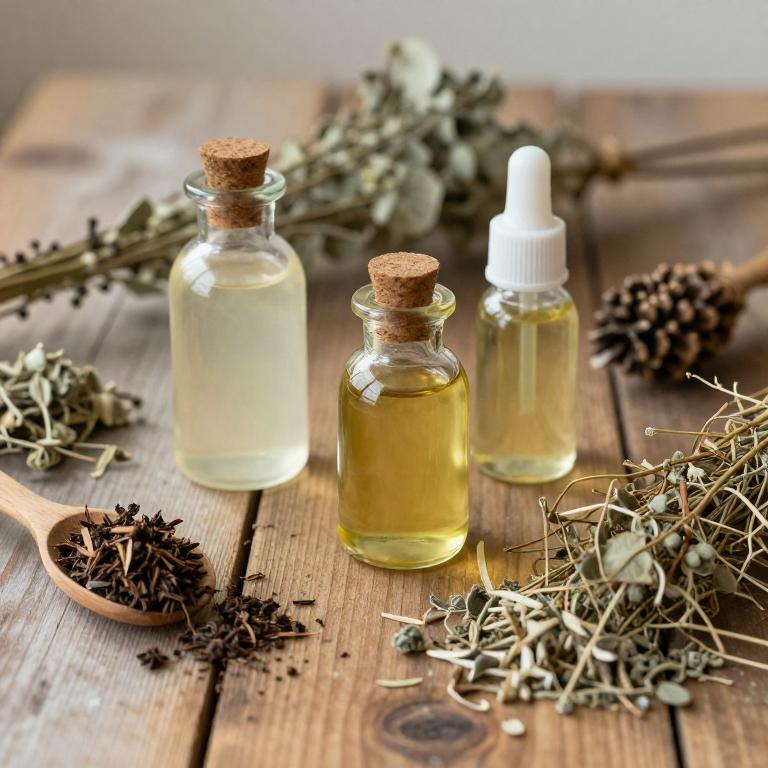
Herbal lotions are traditional remedies that may help address loss of appetite by stimulating digestion and improving overall energy levels.
These lotions often contain natural ingredients such as ginger, peppermint, and licorice root, which are known for their soothing and invigorating properties. When applied topically, these herbs can promote circulation and ease gastrointestinal discomfort, potentially encouraging better food intake. While herbal lotions are generally safe, they should be used with caution and under the guidance of a healthcare professional, especially for individuals with existing medical conditions.
Combining herbal lotions with a balanced diet and lifestyle changes can offer a holistic approach to managing loss of appetite.
Table of Contents
- 1. Chaste tree (Vitex agnus-castus)
- 2. Ginger (Zingiber officinale)
- 3. Cumin (Cuminum cyminum)
- 4. Licorice (Glycyrrhiza glabra)
- 5. Thistle (Silybum marianum)
- 6. Fennel (Foeniculum vulgare)
- 7. Turmeric (Curcuma longa)
- 8. Black cumin (Nigella sativa)
- 9. Blessed thistle (Cnicus benedictus)
- 10. Anise (Pimpinella anisum)
1. Chaste tree (Vitex agnus-castus)
Vitex agnus-castus, commonly known as chaste tree, has been traditionally used in herbal medicine to support hormonal balance and address various women's health concerns.
Herbal lotions made from Vitex agnus-castus are believed to help regulate the menstrual cycle and alleviate symptoms related to hormonal fluctuations. While primarily used for reproductive health, some practitioners suggest that Vitex may also aid in improving appetite by supporting overall hormonal wellness. These lotions are typically applied topically to the skin, often on the neck or chest, and are thought to have a calming and balancing effect on the body.
However, it is important to consult a healthcare professional before using Vitex-based products, especially for conditions like loss of appetite, to ensure safety and appropriateness for individual health needs.
2. Ginger (Zingiber officinale)
Zingiber officinale, commonly known as ginger, is traditionally used in herbal lotions to address various digestive and gastrointestinal issues, including loss of appetite.
These lotions often incorporate fresh or dried ginger root, which contains bioactive compounds like gingerol and shogaol that may stimulate digestion and enhance appetite. The warming properties of ginger are believed to help improve blood circulation and ease nausea, making it beneficial for individuals experiencing appetite suppression due to digestive discomfort. When applied topically, ginger-based lotions may provide a soothing effect while indirectly supporting digestive health.
While herbal lotions are generally safe for topical use, it is advisable to consult a healthcare professional before incorporating them into a treatment regimen for persistent loss of appetite.
3. Cumin (Cuminum cyminum)
Cuminum cyminum, commonly known as cumin, is a versatile herb that has been traditionally used in herbal remedies for various health conditions, including digestive issues.
Cumin-based herbal lotions are often formulated to support digestive health and can help stimulate appetite in individuals experiencing loss of appetite. These lotions typically contain essential oils extracted from cumin seeds, which are known for their warming properties and ability to enhance gastric secretions. When applied topically, the aromatic compounds in cumin can help improve circulation and promote a sense of well-being, indirectly supporting appetite.
However, it is important to consult with a healthcare professional before using cumin-based lotions, especially for prolonged periods or in conjunction with other treatments.
4. Licorice (Glycyrrhiza glabra)
Glycyrrhiza glabra, commonly known as licorice root, is often used in herbal formulations to support digestive health and stimulate appetite.
Herbal lotions containing glycyrrhiza glabra are believed to have mild expectorant and anti-inflammatory properties that may aid in improving digestion and reducing gastrointestinal discomfort. These lotions are typically applied topically, though some formulations may be taken internally under the guidance of a qualified herbalist or healthcare provider. While they may help in addressing loss of appetite by promoting a healthier digestive environment, they should not replace professional medical advice.
It is important to consult a healthcare professional before using any herbal remedy, especially if you have pre-existing medical conditions or are taking other medications.
5. Thistle (Silybum marianum)
Silybum marianum, commonly known as milk thistle, is a herbal remedy often used in the formulation of herbal lotions aimed at addressing loss of appetite.
These lotions are typically infused with the active compound silymarin, which is believed to support liver health and improve digestion. While primarily used for liver-related conditions, some formulations combine milk thistle with other herbs to stimulate appetite and enhance overall digestive function. Herbal lotions containing silybum marianum may be applied topically or taken internally, depending on the product's formulation and intended use.
However, it is important to consult a healthcare professional before using these products, especially for individuals with pre-existing medical conditions or those taking other medications.
6. Fennel (Foeniculum vulgare)
Foeniculum vulgare, commonly known as fennel, has been traditionally used in herbal remedies to address various digestive issues, including loss of appetite.
When prepared as a herbal lotion, fennel may help stimulate digestion and improve appetite by promoting the secretion of digestive enzymes. The essential oils in fennel, such as anethol, are believed to have mild carminative and antispasmodic properties that can ease gastrointestinal discomfort. However, it is important to note that while some people may find relief using fennel lotion, it should not replace professional medical advice, especially for persistent or severe cases of appetite loss.
As with any herbal treatment, it is advisable to consult a healthcare provider before use to ensure safety and appropriateness for individual health conditions.
7. Turmeric (Curcuma longa)
Curcuma longa, commonly known as turmeric, is a traditional herbal remedy that has been used for centuries in various cultures for its potential health benefits.
Herbal lotions made from curcuma longa are often prepared by infusing the rhizome in a base of oil or alcohol, creating a topical application that may support overall wellness. While curcuma longa is well-known for its anti-inflammatory and antioxidant properties, its role in addressing loss of appetite is less commonly discussed in modern medical literature. Some traditional practices suggest that turmeric-based lotions may help stimulate digestion and improve appetite by promoting healthy gut function.
However, it is important to consult with a healthcare professional before using curcuma longa lotions for any specific health concern, as individual responses and interactions with other treatments can vary.
8. Black cumin (Nigella sativa)
Nigella sativa, commonly known as black cumin, has been traditionally used in herbal remedies for its potential health benefits, including its impact on appetite.
Herbal lotions made from Nigella sativa seeds are believed to stimulate digestion and enhance food intake by promoting gastrointestinal health. These lotions may help individuals experiencing a loss of appetite due to stress, illness, or dietary issues by improving overall digestive function. While more research is needed to confirm their efficacy, some users report increased hunger and better nutrient absorption after regular use.
As with any herbal remedy, it is advisable to consult a healthcare professional before incorporating Nigella sativa lotions into a treatment plan.
9. Blessed thistle (Cnicus benedictus)

Cnicus benedictus, commonly known as blessed thorn, has been traditionally used in herbal medicine to address various health issues, including loss of appetite.
Herbal lotions made from this plant are believed to stimulate digestion and enhance appetite by promoting healthy gastrointestinal function. These lotions are often applied topically to the skin, where they are thought to absorb into the body and exert their therapeutic effects. While there is limited modern scientific research supporting its efficacy for appetite loss, many herbal practitioners continue to recommend it as a natural remedy.
As with any herbal treatment, it is advisable to consult a healthcare professional before use, especially for individuals with existing health conditions or those taking medications.
10. Anise (Pimpinella anisum)
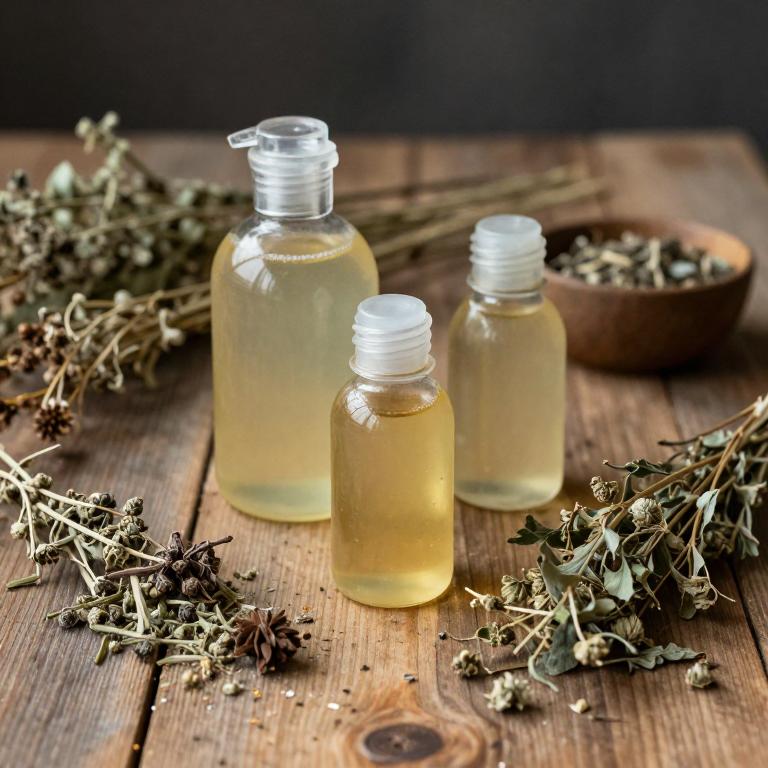
Pimpinella anisum, commonly known as anise, is often used in herbal formulations to address issues such as loss of appetite.
Herbal lotions containing anise are believed to stimulate digestion and promote a feeling of fullness, which can help increase food intake. These natural remedies are popular in traditional medicine for their soothing and aromatic properties. When applied topically, anise-infused lotions may provide a calming effect that indirectly supports appetite.
However, it is important to consult a healthcare professional before using these products, especially for prolonged or severe cases of appetite loss.