10 Best Herbal Syrups For Anxiety
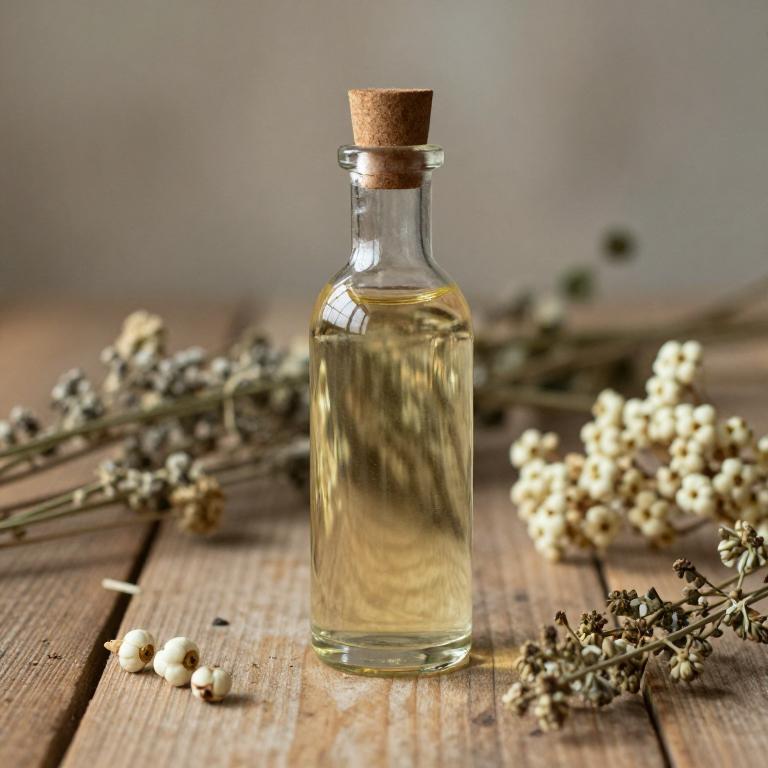
Herbal syrups for anxiety are natural remedies that combine calming herbs with sweeteners to create a soothing and easy-to-consume formulation.
Common ingredients include valerian root, lemon balm, passionflower, and chamomile, which are known for their anxiolytic properties. These syrups are often used as complementary therapies to support stress relief and promote relaxation without the side effects associated with pharmaceuticals. They are typically available in various flavors and dosages, making them appealing for both adults and children.
However, it is important to consult a healthcare provider before use, especially if taking other medications, to ensure safety and effectiveness.
Table of Contents
- 1. Valerian (Valeriana officinalis)
- 2. Maypop (Passiflora incarnata)
- 3. Licorice (Glycyrrhiza glabra)
- 4. Salvia (Salvia officinalis)
- 5. St. john's wort (Hypericum perforatum)
- 6. Heartworts (Leonurus cardiaca)
- 7. Oat (Avena sativa)
- 8. Kava (Piper methysticum)
- 9. Chaste tree (Vitex agnus-castus)
- 10. Stinging nettle (Urtica dioica)
1. Valerian (Valeriana officinalis)
Valeriana officinalis, commonly known as valerian, is a traditional herbal remedy that has been used for centuries to address anxiety and sleep disorders.
Valerian root extract is often formulated into syrups, which are easy to consume and well-absorbed by the body. These syrups are believed to work by increasing the levels of gamma-aminobutyric acid (GABA) in the brain, which helps to calm the nervous system. While research on its effectiveness for anxiety is mixed, many users report a soothing effect and improved relaxation.
As with any herbal supplement, it is important to consult with a healthcare provider before use, especially if taking other medications or having underlying health conditions.
2. Maypop (Passiflora incarnata)
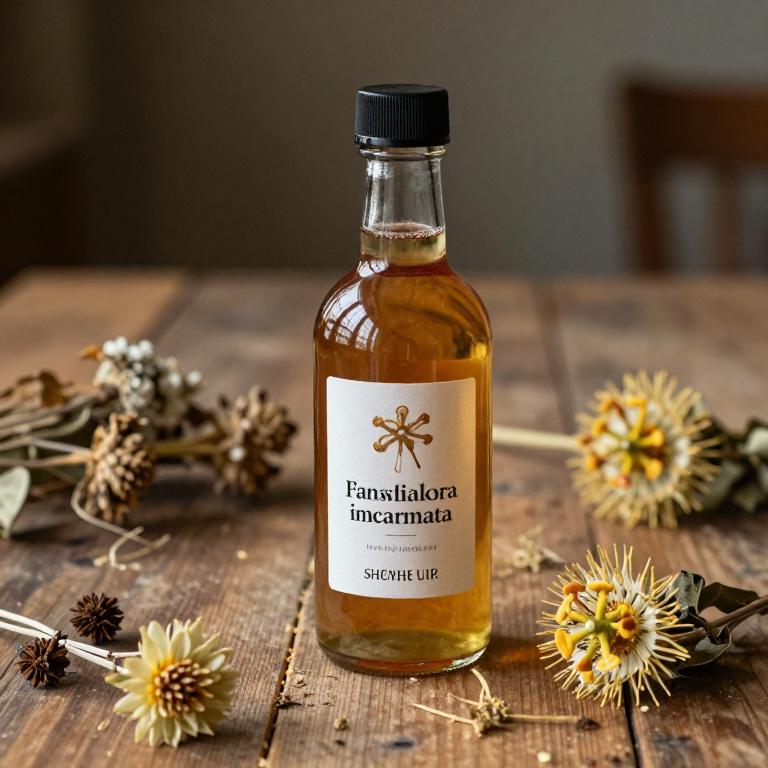
Passiflora incarnata, commonly known as passionflower, is a herbal remedy that has been traditionally used to alleviate symptoms of anxiety.
When prepared as a syrup, it offers a convenient and palatable form of this natural remedy, making it suitable for daily use. The active compounds in passionflower, such as flavonoids and alkaloids, are believed to interact with the brain’s neurotransmitters, promoting a calming effect. Studies suggest that passionflower may help reduce anxiety by enhancing the effects of GABA, a neurotransmitter that regulates nerve activity.
As a result, passiflora incarnata herbal syrup is often recommended as a complementary therapy for mild to moderate anxiety, though it should be used under the guidance of a healthcare professional.
3. Licorice (Glycyrrhiza glabra)
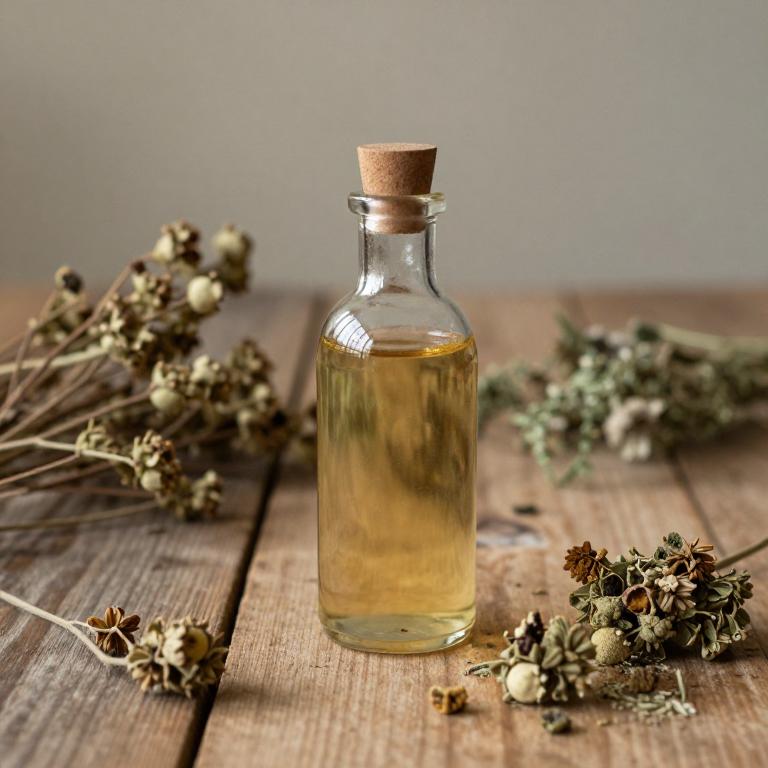
Glycyrrhiza glabra, commonly known as licorice root, has been traditionally used in herbal medicine for its potential calming effects on the nervous system.
Licorice root syrup, derived from the root of this plant, is often used to help alleviate symptoms of anxiety due to its mild sedative properties. The active compounds in licorice, such as glycyrrhizin and flavonoids, may support adrenal function and reduce stress-related symptoms. While research on its effectiveness for anxiety is limited, many people report a sense of relaxation and improved mood after using licorice syrup.
However, it is important to consult a healthcare professional before using licorice root, as it may interact with certain medications or have side effects in high doses.
4. Salvia (Salvia officinalis)
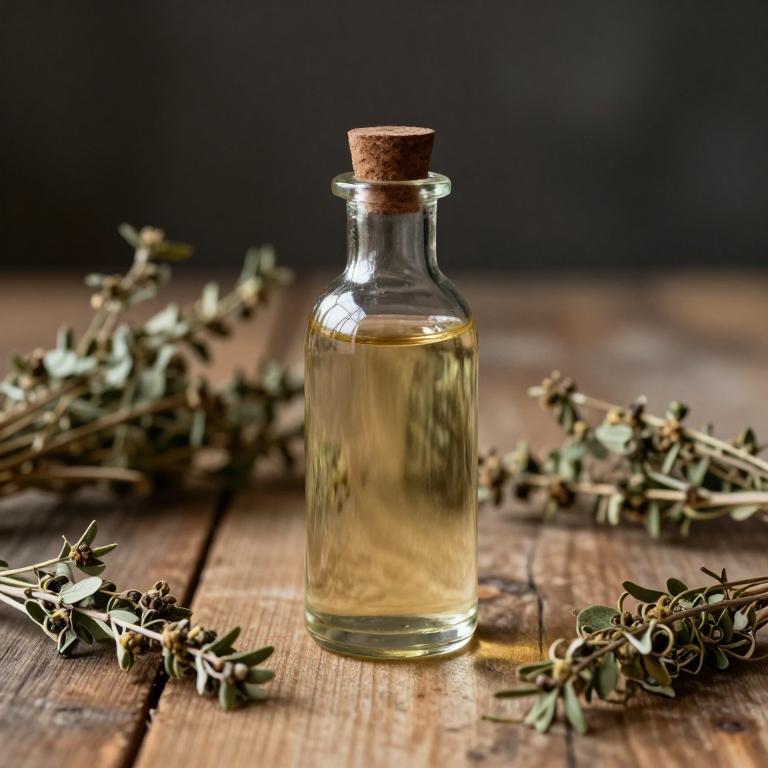
Salvia officinalis, commonly known as sage, has been traditionally used in herbal medicine for its calming properties, and recent studies suggest that sage-based herbal syrups may offer potential benefits for managing anxiety.
These syrups typically contain extracts of the leaves, which are rich in compounds like rosmarinic acid and flavonoids, known for their antioxidant and anti-inflammatory effects. Some preliminary research indicates that sage may help reduce symptoms of anxiety by influencing neurotransmitter activity in the brain, particularly by modulating levels of serotonin and GABA. While more clinical trials are needed to confirm its efficacy, many users report a sense of relaxation and improved mood after using sage syrup.
As with any herbal remedy, it is advisable to consult with a healthcare professional before incorporating sage syrup into an anxiety management plan.
5. St. john's wort (Hypericum perforatum)
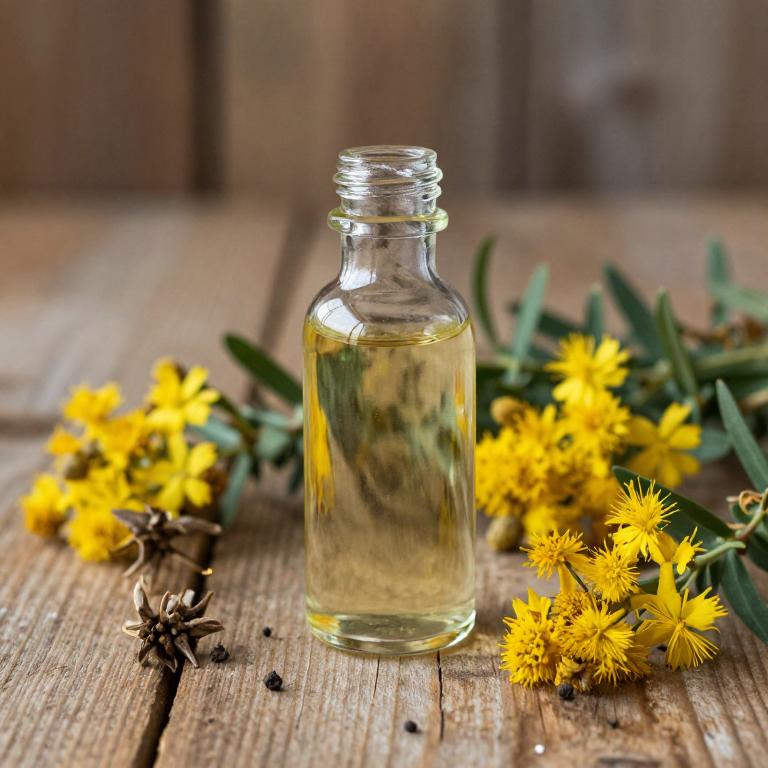
Hypericum perforatum, commonly known as St. John's Wort, has been traditionally used for its calming effects and is often incorporated into herbal syrups for anxiety relief.
These syrups typically contain extracts of the plant's dried flowers and leaves, which are rich in bioactive compounds such as hypericin and flavonoids. The herb is believed to support mood regulation by influencing neurotransmitter levels, including serotonin and melatonin. Herbal syrups offer a gentler, natural alternative to conventional anxiety medications, though they should be used under the guidance of a healthcare professional.
While some studies suggest its efficacy in mild to moderate anxiety, individual responses can vary, and it is important to consider potential interactions with other medications.
6. Heartworts (Leonurus cardiaca)
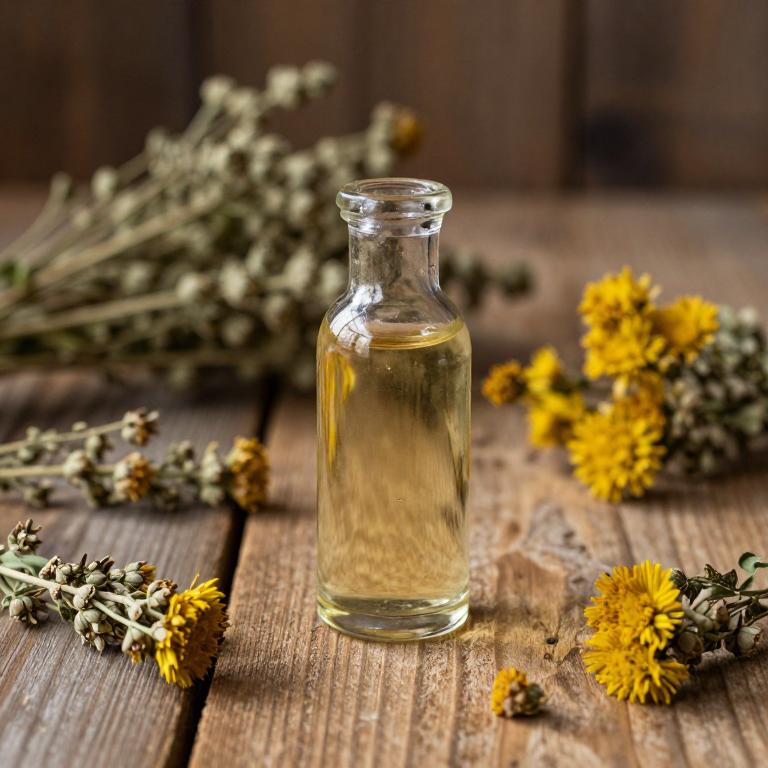
Leonurus cardiaca, commonly known as heart herb or red deadnettle, has been traditionally used in herbal medicine for its calming effects and potential to alleviate anxiety.
Herbal syrups made from Leonurus cardiaca are often prepared by combining the dried leaves and flowers with honey or other natural sweeteners, creating a soothing and easily consumable form. These syrups are believed to support nervous system health and promote relaxation by balancing neurotransmitter activity. While scientific research on its specific effects for anxiety is limited, many users report a sense of calm and reduced stress when using Leonurus cardiaca syrups regularly.
As with any herbal remedy, it is advisable to consult a healthcare professional before use, especially for those with existing medical conditions or taking other medications.
7. Oat (Avena sativa)
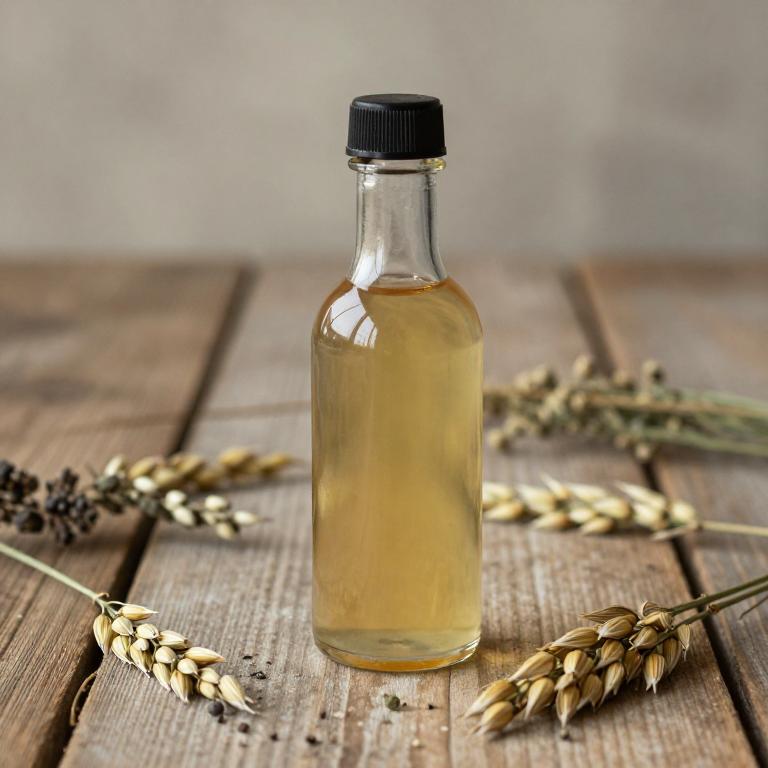
Avena sativa, commonly known as oat straw, is often used in herbal syrups to support emotional well-being and alleviate symptoms of anxiety.
This herb is valued for its calming properties and is believed to help balance the nervous system, promoting a sense of relaxation and mental clarity. Avena sativa herbal syrups are typically made by steeping the dried plant material in water or alcohol, resulting in a soothing, easily digestible form. These syrups are often recommended as a natural alternative or complement to conventional anxiety treatments, particularly for those seeking mild, holistic support.
When used consistently, Avena sativa may help reduce feelings of restlessness and promote a more balanced emotional state.
8. Kava (Piper methysticum)
Piper methysticum, commonly known as kava, has been traditionally used for its calming effects and is now available in herbal syrup form to support anxiety relief.
These syrups are made by extracting the active compounds from the roots of the kava plant, which are known to promote relaxation and reduce stress. The herbal syrup offers a convenient and palatable alternative to traditional kava preparations, making it easier for individuals to incorporate into their daily routine. While it is generally considered safe when used in moderation, it is important to consult a healthcare provider before use, especially for those with existing health conditions or taking other medications.
Overall, kava herbal syrups can be a valuable natural remedy for managing anxiety when used responsibly.
9. Chaste tree (Vitex agnus-castus)
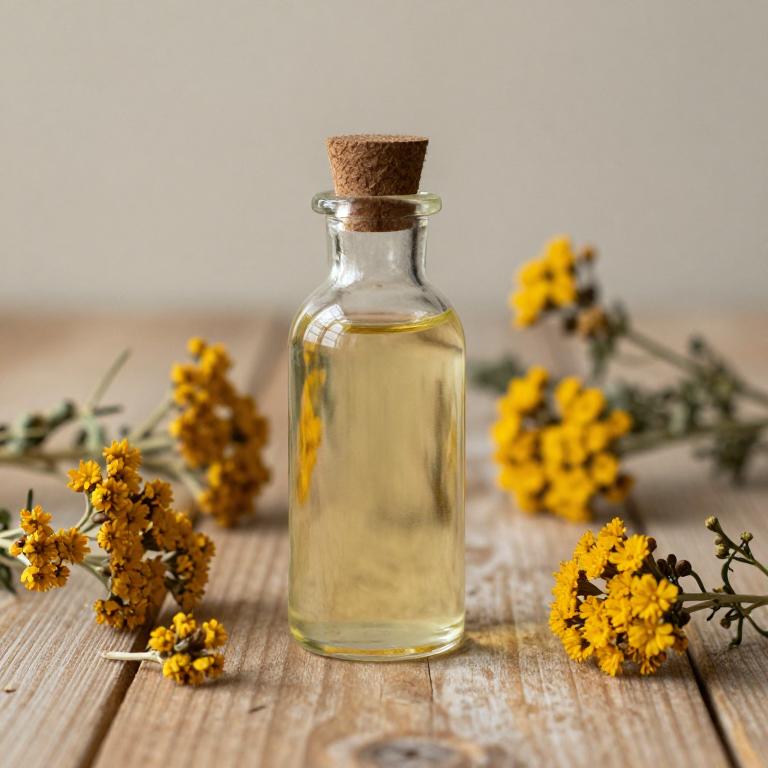
Vitex agnus-castus, commonly known as chasteberry, has been traditionally used for its potential calming effects on the nervous system.
Herbal syrups made from vitex are often recommended for managing symptoms of anxiety due to their mild sedative and mood-regulating properties. These syrups are typically made by steeping the dried fruit in alcohol or glycerin, creating a concentrated form that is easy to consume. While research on vitex for anxiety is limited, some studies suggest it may influence hormone levels, which can impact emotional well-being.
As with any herbal remedy, it is important to consult a healthcare professional before use, especially if taking other medications or supplements.
10. Stinging nettle (Urtica dioica)
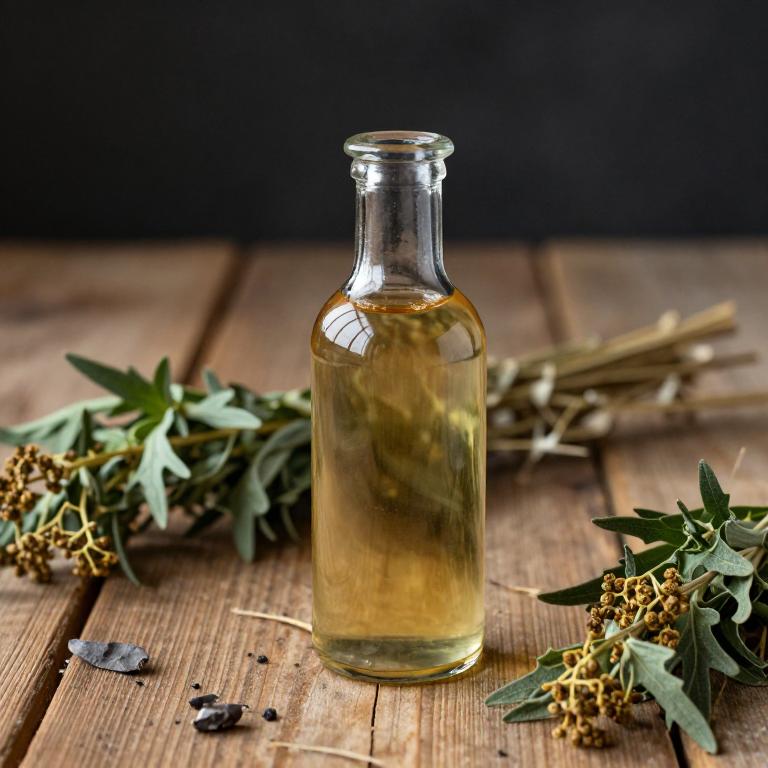
Urtica dioica, commonly known as stinging nettle, has been traditionally used in herbal medicine for its potential calming effects on the nervous system.
While scientific research on its use for anxiety is limited, some studies suggest that the plant may help reduce stress and anxiety due to its high concentration of antioxidants and minerals like magnesium and iron. Herbal syrups made from Urtica dioica are often prepared by drying and steeping the leaves in water or alcohol, then sweetening with honey or glycerin to create a palatable form. These syrups are believed to support overall emotional well-being and may be used as a complementary therapy alongside conventional treatments for anxiety.
However, it is important to consult a healthcare professional before using stinging nettle syrups, especially for individuals with allergies or those taking medications.