10 Best Herbal Juices For Anxiety
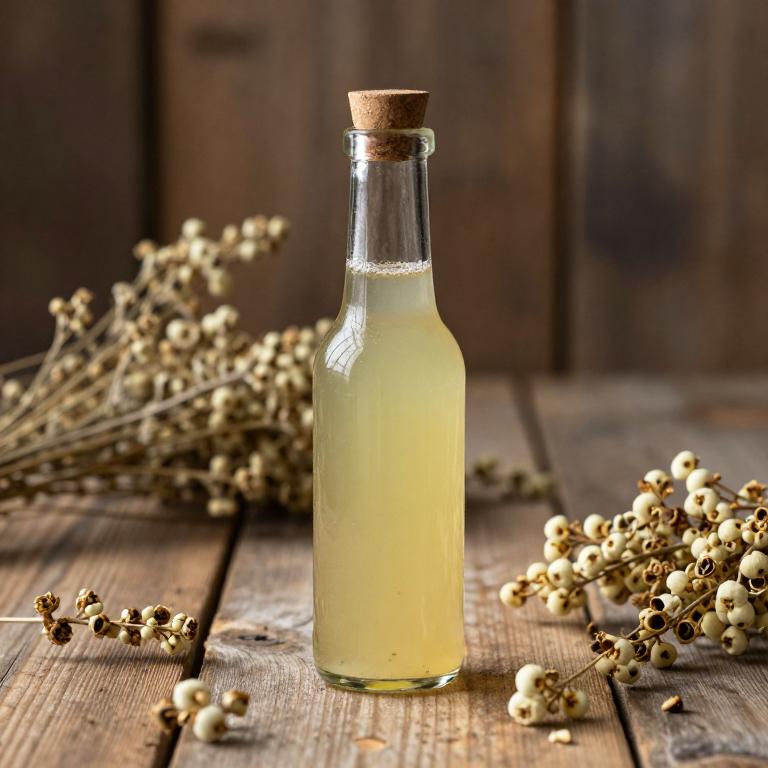
Herbal juices can be a natural and calming way to manage anxiety, as they often contain ingredients known for their soothing properties.
Ingredients like lemon balm, ashwagandha, and chamomile are commonly used in herbal juices for their ability to reduce stress and promote relaxation. These juices work by supporting the body's natural balance and may help ease symptoms of anxiety without the side effects associated with pharmaceutical options. Drinking herbal juices regularly can be part of a holistic approach to mental well-being, complementing other stress-reduction practices.
However, it's important to consult with a healthcare professional before incorporating herbal juices into your routine, especially if you are taking other medications or have underlying health conditions.
Table of Contents
- 1. Valerian (Valeriana officinalis)
- 2. Maypop (Passiflora incarnata)
- 3. Licorice (Glycyrrhiza glabra)
- 4. Oat (Avena sativa)
- 5. Heartworts (Leonurus cardiaca)
- 6. Lemon balm (Melissa officinalis)
- 7. Stinging nettle (Urtica dioica)
- 8. European lime (Tilia europaea)
- 9. Black cumin (Nigella sativa)
- 10. St. john's wort (Hypericum perforatum)
1. Valerian (Valeriana officinalis)
Valeriana officinalis, commonly known as valerian, is a traditional herbal remedy that has been used for centuries to alleviate anxiety and promote relaxation.
Its active compounds, such as valerenic acid and flavonoids, are believed to interact with the brain's GABA receptors, enhancing calming effects and reducing nervous system overactivity. Valerian root juice, extracted from the plant's rhizomes, is often consumed as a natural alternative to pharmaceutical sedatives for managing stress and anxiety symptoms. While scientific research on its efficacy is ongoing, many users report improved sleep quality and reduced feelings of restlessness when using valerian-based herbal juices.
As with any herbal supplement, it is important to consult with a healthcare provider before incorporating valerian into a wellness routine, especially for those with existing medical conditions or who are taking other medications.
2. Maypop (Passiflora incarnata)
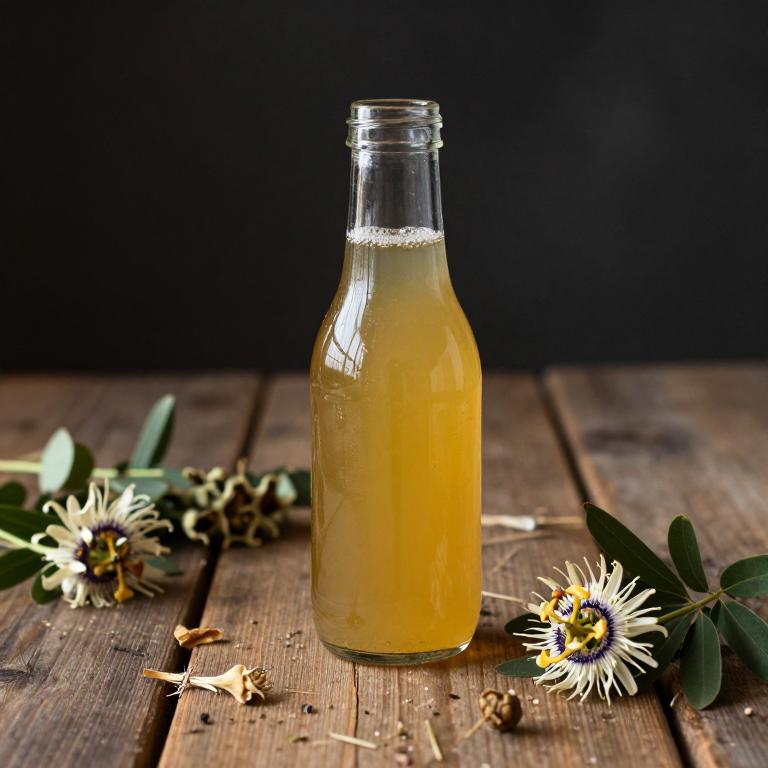
Passiflora incarnata, commonly known as passionflower, is a herbal remedy that has been traditionally used to alleviate anxiety and promote relaxation.
Its calming effects are attributed to compounds such as flavonoids and alkaloids, which may influence neurotransmitter activity in the brain. Passionflower herbal juices are often consumed as a natural alternative to conventional anxiolytic medications, offering a gentler approach to managing stress and anxiety. These juices are typically made by steeping the dried leaves and flowers in water or using them in juice blends with other calming herbs like valerian root or lemon balm.
While generally considered safe, it is advisable to consult a healthcare professional before incorporating passionflower into a daily routine, especially for those with existing health conditions or taking other medications.
3. Licorice (Glycyrrhiza glabra)
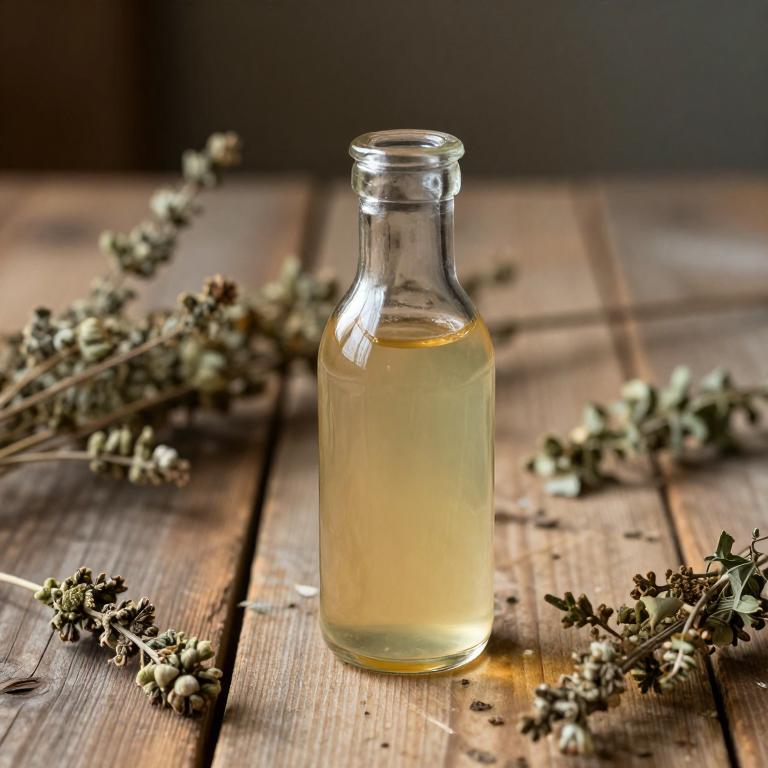
Glycyrrhiza glabra, commonly known as licorice root, has been traditionally used in herbal medicine for its potential calming effects on the nervous system.
Herbal juices made from licorice root are believed to help alleviate symptoms of anxiety by modulating the body's stress response and promoting relaxation. The active compounds in licorice, such as glycyrrhizin and flavonoids, may support adrenal function and reduce cortisol levels, which are often elevated during periods of stress. While more research is needed to confirm its efficacy, some studies suggest that licorice root may have mild anxiolytic properties when consumed in appropriate forms.
As with any herbal remedy, it is important to consult with a healthcare provider before using licorice juice, especially for individuals with hypertension or other health conditions.
4. Oat (Avena sativa)
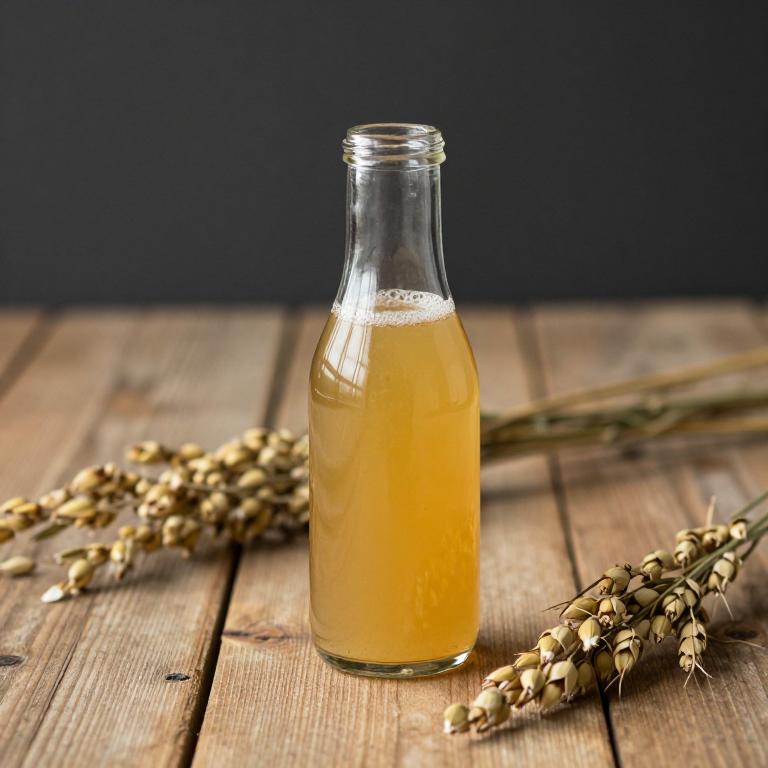
Avena sativa, commonly known as oat straw, is a herbal remedy that has been used for centuries to support mental well-being and alleviate symptoms of anxiety.
This herb is believed to contain compounds that promote calmness and balance, making it a popular choice in natural health practices. Oat straw herbal juices are often consumed as a calming tonic, either on their own or combined with other herbs like lemon balm or valerian root. These juices may help reduce stress and improve mood by supporting the nervous system and enhancing overall emotional resilience.
While more research is needed, many users report feeling more relaxed and centered after incorporating oat straw into their daily wellness routine.
5. Heartworts (Leonurus cardiaca)
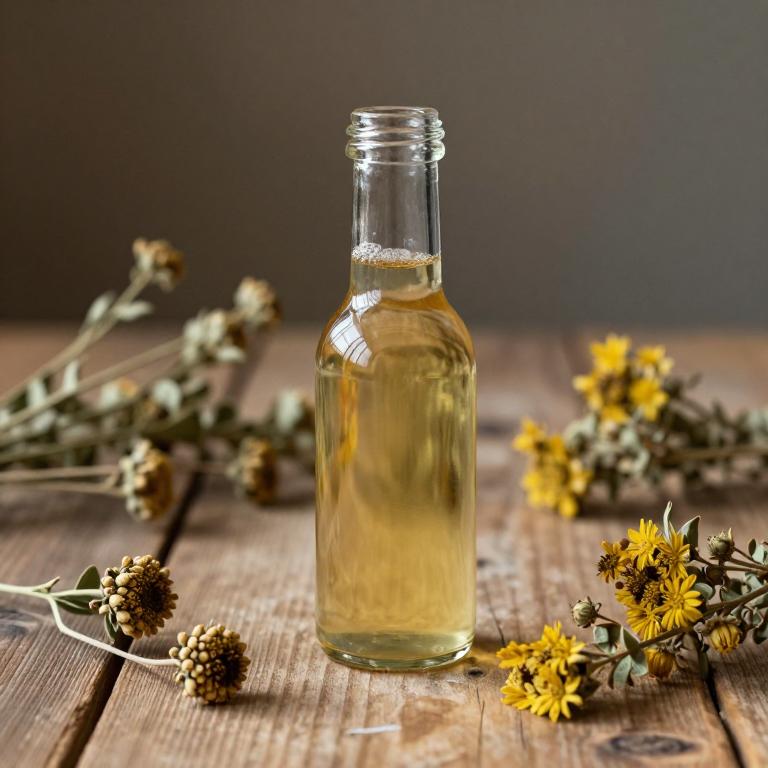
Leonurus cardiaca, commonly known as heart herb or red dead nettle, has been traditionally used in herbal medicine for its calming properties.
Recent studies suggest that extracts from this plant may help reduce symptoms of anxiety by influencing the body's stress response and promoting relaxation. When prepared as a herbal juice, Leonurus cardiaca is believed to support emotional balance and ease nervous tension. This natural remedy is often used in combination with other calming herbs to enhance its effects.
However, it is important to consult with a healthcare professional before using it, especially if you are taking medications or have existing health conditions.
6. Lemon balm (Melissa officinalis)
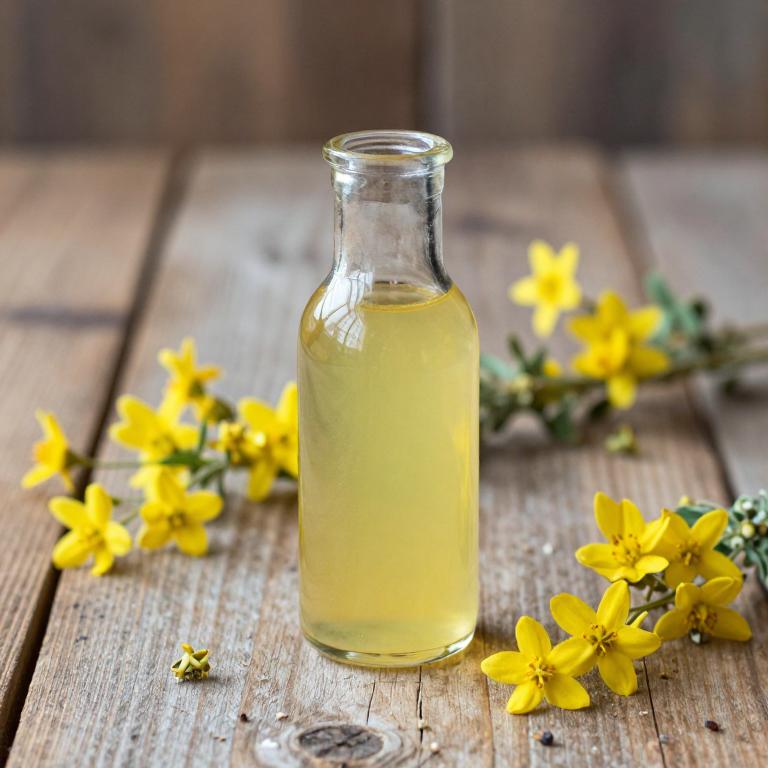
Melissa officinalis, commonly known as lemon balm, is a popular herbal remedy used to support mental well-being and alleviate symptoms of anxiety.
Its calming properties are attributed to the presence of compounds like rosmarinic acid and flavonoids, which may help reduce stress and promote relaxation. Lemon balm can be consumed as a herbal juice, offering a convenient and palatable way to incorporate its benefits into daily routines. Studies suggest that regular consumption of lemon balm juice may help balance mood and reduce feelings of nervousness and restlessness.
However, it is advisable to consult with a healthcare professional before using it, especially for individuals with existing medical conditions or those taking medications.
7. Stinging nettle (Urtica dioica)
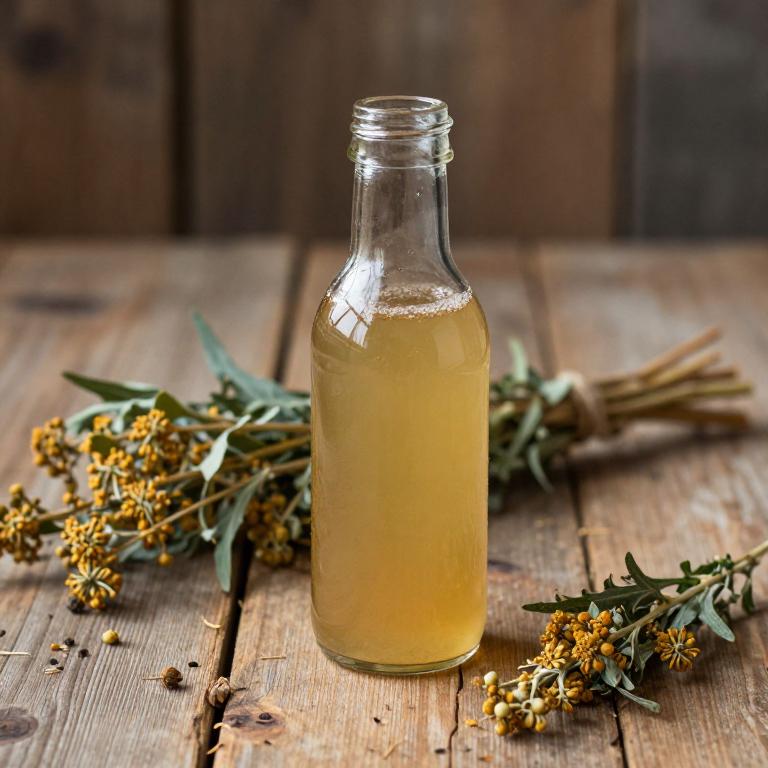
Urtica dioica, commonly known as stinging nettle, has been traditionally used in herbal medicine for its potential health benefits, including its possible role in alleviating anxiety.
When prepared as a juice, stinging nettle is believed to support the nervous system and promote a sense of calm due to its rich content of minerals like magnesium and iron, as well as antioxidants. Some studies suggest that the compounds in stinging nettle may help regulate stress hormones and reduce inflammation, which are often linked to anxiety. However, it is important to note that while some individuals report feeling more relaxed after consuming stinging nettle juice, scientific evidence supporting its efficacy for anxiety is still limited.
As with any herbal remedy, it is advisable to consult with a healthcare professional before incorporating stinging nettle juice into a routine for anxiety management.
8. European lime (Tilia europaea)

Tilia europaea, commonly known as the small-leaved lime tree, has been traditionally used in herbal medicine for its calming properties.
The leaves of this tree are often used to make herbal juices that are believed to help alleviate symptoms of anxiety by promoting relaxation and reducing stress. These juices are typically prepared by steeping the fresh or dried leaves in water or a mild vinegar solution, creating a soothing beverage. The active compounds in Tilia europaea, such as flavonoids and tannins, may contribute to its anxiolytic effects by supporting nervous system function.
While more research is needed, many people find comfort in incorporating this gentle herbal remedy into their wellness routine for managing anxiety.
9. Black cumin (Nigella sativa)
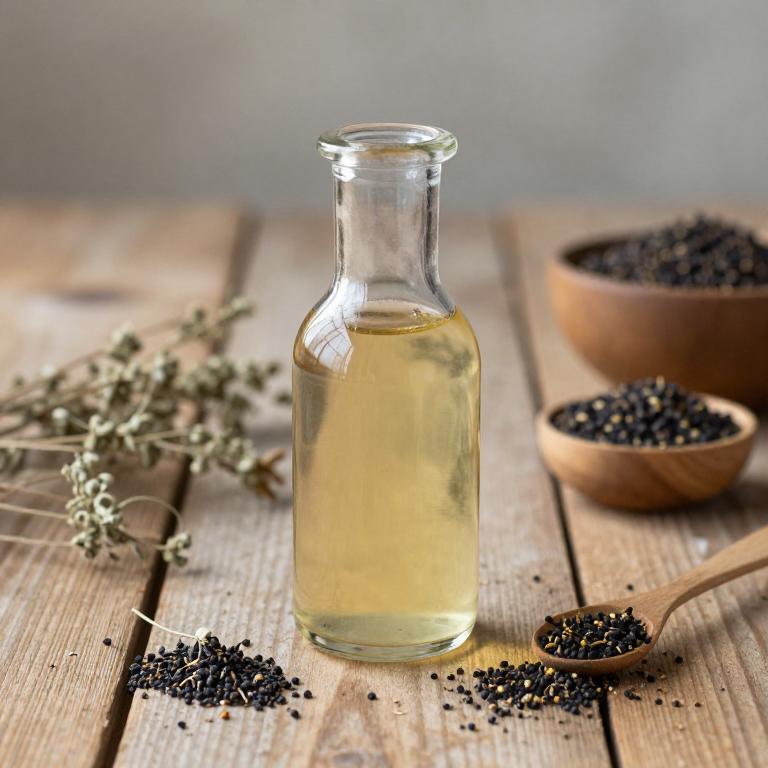
Nigella sativa, commonly known as black cumin, has been traditionally used in herbal medicine for its potential health benefits, including its calming effects on the mind.
Recent studies suggest that the active compound thymoquinone in nigella sativa may help reduce anxiety by modulating neurotransmitter activity and reducing inflammation in the brain. When consumed as a herbal juice, nigella sativa can be a natural and soothing remedy for individuals experiencing mild to moderate anxiety symptoms. This juice is typically made by grinding the seeds and mixing them with water or other herbal ingredients, creating a nutrient-rich and easily digestible form.
While it is not a substitute for professional medical treatment, incorporating nigella sativa juice into a holistic wellness routine may support emotional balance and overall well-being.
10. St. john's wort (Hypericum perforatum)
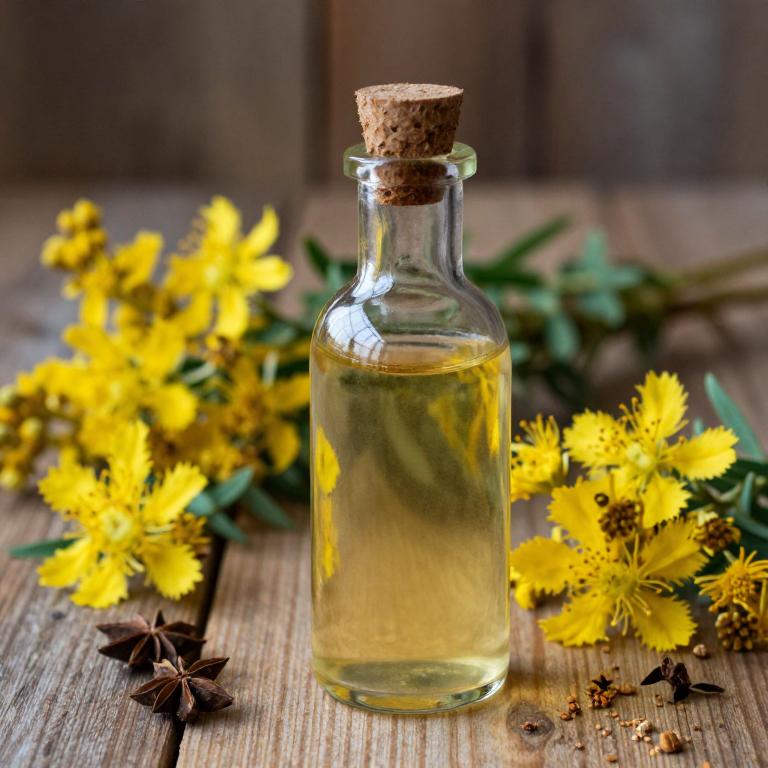
Hypericum perforatum, commonly known as St. John's Wort, has been traditionally used for its potential anxiolytic properties, and its herbal juices are often consumed to help alleviate symptoms of anxiety.
The active compounds in hypericum perforatum, such as hypericin and hyperforin, are believed to influence neurotransmitter levels in the brain, particularly serotonin, which plays a key role in mood regulation. While some studies suggest that St. John's Wort may be as effective as certain prescription medications for mild to moderate anxiety, it is important to note that its use can interact with other medications and should be approached with caution. Herbal juices made from hypericum perforatum are typically prepared by steeping the dried plant in water or alcohol, and they are often taken in small doses throughout the day.
As with any herbal remedy, it is advisable to consult with a healthcare professional before incorporating hypericum perforatum into an anxiety management plan.