10 Best Herbal Essential Oils For Anxiety
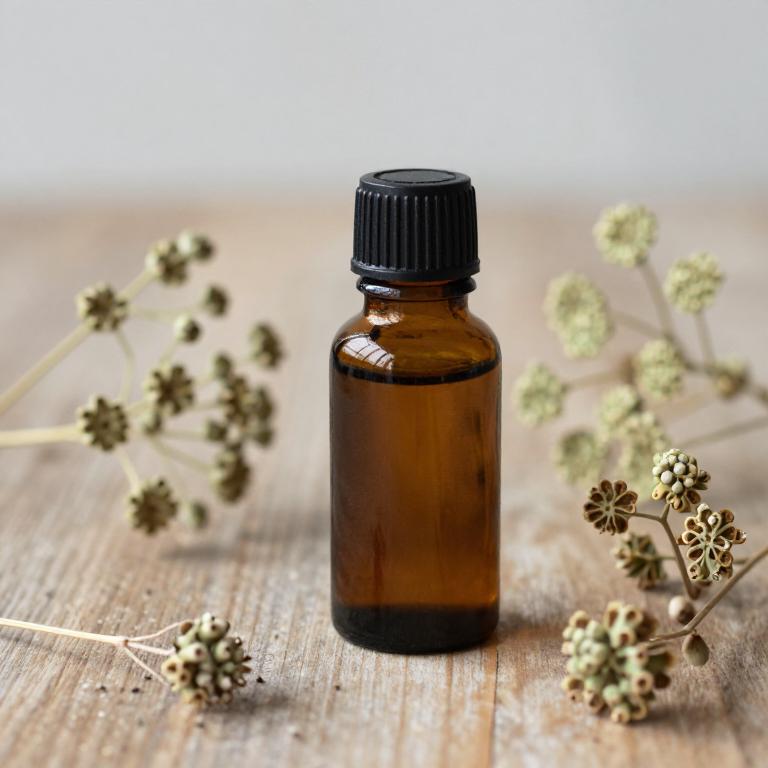
Herbal essential oils, derived from plants through distillation or cold pressing, have been increasingly used for their calming effects on anxiety.
Commonly used oils such as lavender, chamomile, and bergamot are known for their ability to promote relaxation and reduce stress levels. These oils can be diffused, applied topically, or used in aromatherapy to support emotional well-being. Research suggests that the inhalation of these essential oils may influence the nervous system, helping to alleviate symptoms of anxiety.
While they are not a substitute for professional treatment, they can serve as a complementary tool in managing anxiety when used appropriately.
Table of Contents
- 1. Valerian (Valeriana officinalis)
- 2. Lemon balm (Melissa officinalis)
- 3. English lavender (Lavandula angustifolia)
- 4. Rosemary (Rosmarinus officinalis)
- 5. Black pepper (Piper nigrum)
- 6. Citrus sinensis
- 7. Lemon grass (Cymbopogon martini)
- 8. Pineapple (Ananas comosus)
- 9. Licorice (Glycyrrhiza glabra)
- 10. Ceylon cinnamon (Cinnamomum zeylanicum)
1. Valerian (Valeriana officinalis)
Valeriana officinalis, commonly known as valerian, is a herb widely used for its calming properties, and its essential oil has gained attention for its potential role in alleviating anxiety.
The essential oil is derived from the roots of the plant through steam distillation, capturing its aromatic compounds that are believed to have sedative and anxiolytic effects. Research suggests that the main constituents, such as valerenic acid and bisabolol, may interact with the central nervous system to reduce stress and promote relaxation. When used aromatically or in diluted topical applications, valerian essential oil is often reported to help ease symptoms of anxiety and improve sleep quality.
However, it is important to use it cautiously and consult with a healthcare professional, especially for those with sensitive skin or existing medical conditions.
2. Lemon balm (Melissa officinalis)
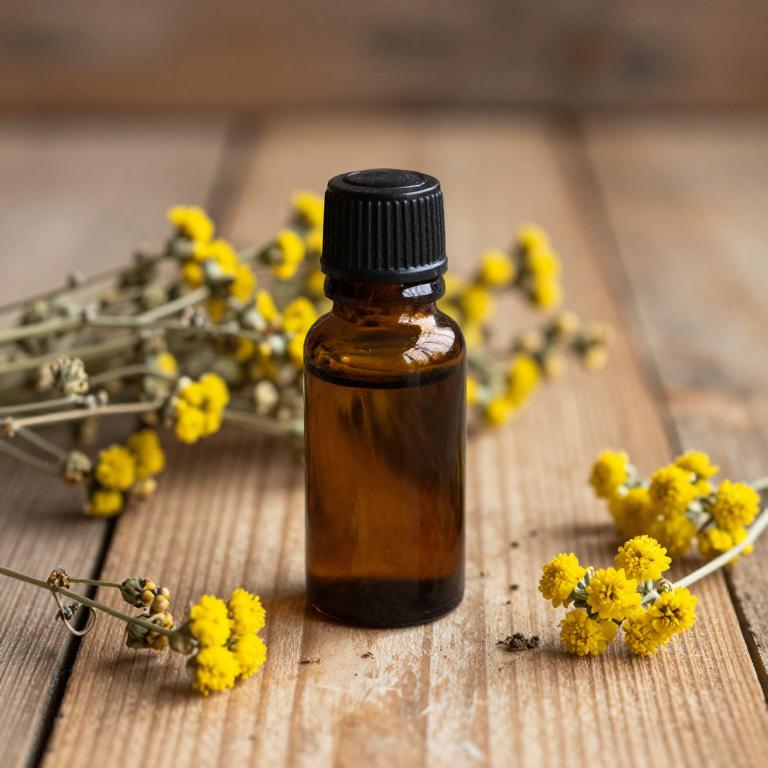
Melissa officinalis, commonly known as lemon balm, is a popular herb used in aromatherapy for its calming properties.
Its essential oil, derived through steam distillation, contains compounds like linalool and geraniol, which are known for their anxiolytic effects. Studies suggest that inhaling lemon balm essential oil may help reduce symptoms of anxiety by promoting relaxation and lowering stress levels. It is often used in diffusers, massage oils, or topical applications to support emotional well-being.
While generally safe, it is advisable to consult a healthcare professional before use, especially for those with existing health conditions or who are pregnant.
3. English lavender (Lavandula angustifolia)
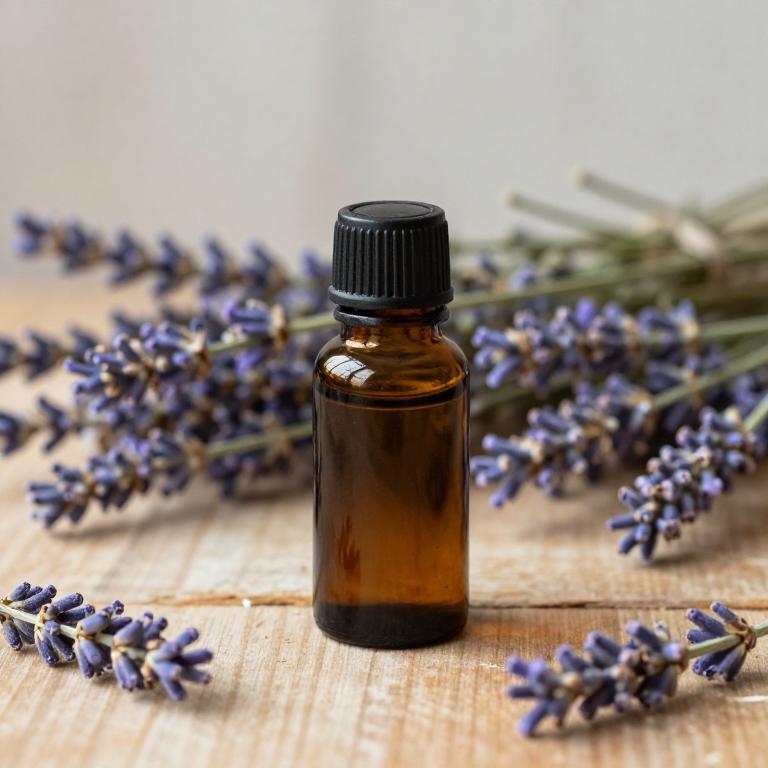
Lavandula angustifolia, commonly known as English lavender, is widely recognized for its calming properties and is often used in aromatherapy to alleviate symptoms of anxiety.
The essential oil derived from this plant contains compounds such as linalool and linalyl acetate, which have been shown to have sedative and anxiolytic effects on the central nervous system. Studies suggest that inhaling lavender essential oil can reduce stress levels and promote relaxation, making it a popular natural remedy for mild to moderate anxiety. When used in diffusion, massage, or topical application, lavender oil can create a soothing environment that supports emotional balance.
Its gentle yet effective nature makes it a valuable tool in holistic approaches to managing anxiety.
4. Rosemary (Rosmarinus officinalis)
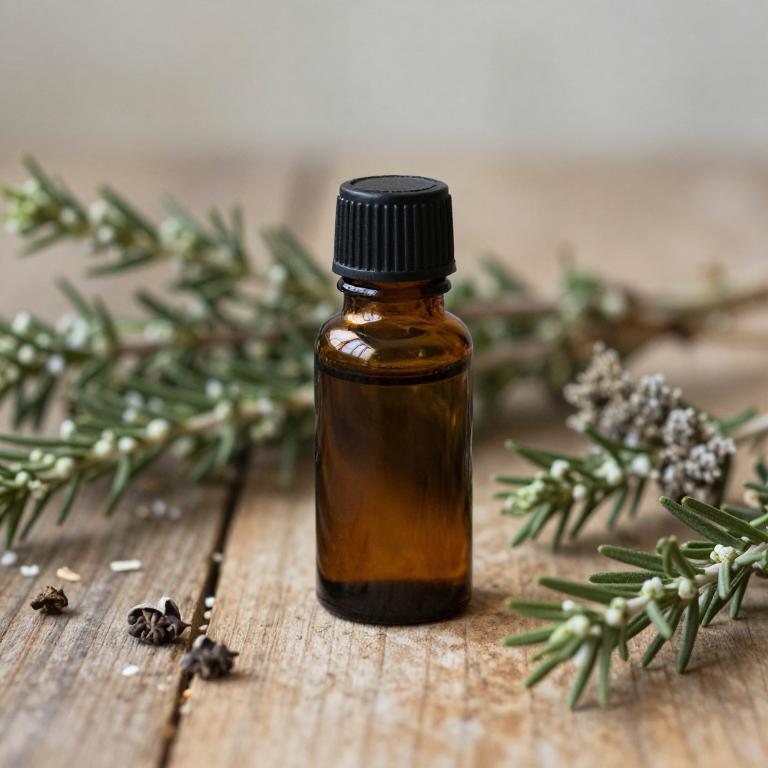
Rosmarinus officinalis, commonly known as rosemary, is a popular herb whose essential oil has been widely studied for its potential benefits in reducing anxiety.
The oil contains bioactive compounds such as 1,8-cineole and camphor, which are believed to contribute to its calming and mood-enhancing effects. Research suggests that inhaling rosemary essential oil may help alleviate symptoms of anxiety by promoting relaxation and improving mental clarity. It is often used in aromatherapy practices to create a soothing environment and support emotional well-being.
However, while promising, it is important to consult with a healthcare professional before using essential oils, especially for individuals with underlying health conditions.
5. Black pepper (Piper nigrum)
Piper nigrum, commonly known as black pepper, contains essential oils that have been explored for their potential calming effects on the nervous system.
While black pepper is primarily known for its culinary and medicinal uses, its essential oils may contain compounds like beta-caryophyllene, which have shown anti-anxiety properties in preliminary studies. These oils are often used in aromatherapy to help reduce stress and promote a sense of relaxation. However, it is important to note that more research is needed to fully understand their efficacy and safety for anxiety management.
As with any essential oil, it should be used cautiously and in consultation with a healthcare professional.
6. Citrus sinensis
Citrus sinensis, commonly known as sweet orange, is a valuable source of herbal essential oils that have been studied for their potential benefits in managing anxiety.
The essential oil derived from the peel of the fruit contains a rich profile of compounds such as limonene, linalool, and gamma-terpinene, which are known for their calming and mood-enhancing properties. Research suggests that inhaling or applying these oils can help reduce feelings of stress and promote a sense of relaxation by interacting with the body's limbic system. Many aromatherapy practitioners recommend citrus sinensis essential oil as a natural remedy for mild to moderate anxiety due to its uplifting and soothing effects.
When used consistently and in appropriate dilution, this essential oil can be a complementary tool in supporting emotional well-being and reducing anxiety symptoms.
7. Lemon grass (Cymbopogon martini)
Cymbopogon martini, also known as citronella grass, is a tropical plant whose essential oils have gained attention for their potential calming effects on anxiety.
The essential oil, derived through steam distillation of the fresh grass, contains compounds such as citral and geraniol, which are known for their soothing and mood-enhancing properties. Studies suggest that inhaling or applying these oils can help reduce feelings of stress and promote relaxation by interacting with the body's limbic system. While more research is needed, preliminary findings indicate that cymbopogon martini essential oil may serve as a natural alternative or complement to conventional anxiety treatments.
Its pleasant aroma and accessibility make it a popular choice in aromatherapy for managing mild anxiety symptoms.
8. Pineapple (Ananas comosus)

Ananas comosus, commonly known as the pineapple plant, contains essential oils that have been explored for their potential calming effects on the nervous system.
These oils, derived from the leaves or fruit of the plant, are believed to possess anti-inflammatory and antioxidant properties that may help reduce stress and anxiety. While scientific research on the specific effects of ananas comosus essential oils for anxiety is limited, some studies suggest that the compounds within these oils may interact with neurotransmitters involved in mood regulation. In aromatherapy practices, the use of these oils is often combined with other calming essential oils to enhance their soothing properties.
As with any complementary therapy, it is advisable to consult with a healthcare professional before using ananas comosus essential oils for anxiety management.
9. Licorice (Glycyrrhiza glabra)
Glycyrrhiza glabra, commonly known as licorice, is a plant whose root has been traditionally used in herbal medicine for its potential calming effects.
While licorice root is more commonly used in teas and tinctures, its essential oil can also be utilized for its aromatic and therapeutic properties. The essential oil of Glycyrrhiza glabra is believed to have mild anxiolytic effects, possibly due to its compounds that may influence the nervous system. It is often used in aromatherapy to help reduce stress and promote a sense of relaxation.
However, it is important to use this essential oil cautiously, as it may have side effects and should be diluted properly before use.
10. Ceylon cinnamon (Cinnamomum zeylanicum)
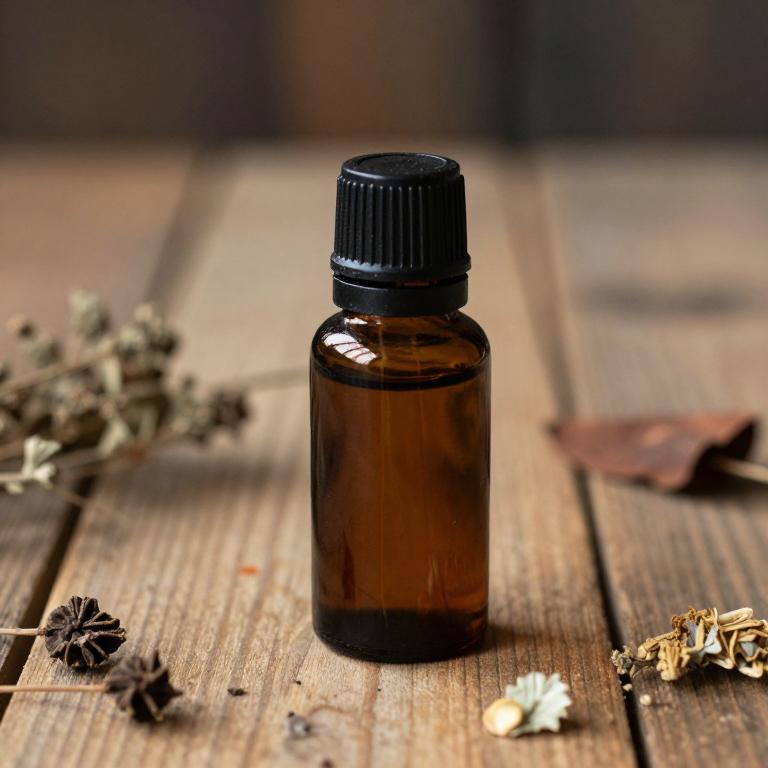
Cinnamomum zeylanicum, commonly known as Ceylon cinnamon, produces a delicate and aromatic essential oil that has been traditionally used for its calming properties.
This essential oil is valued for its ability to promote relaxation and ease anxiety by influencing the nervous system through its mild sedative effects. The oil contains compounds such as cinnamaldehyde and eugenol, which are believed to contribute to its soothing and mood-enhancing qualities. When used in aromatherapy, it can help reduce feelings of stress and promote a sense of tranquility.
However, it is important to use it in moderation and consult with a healthcare professional, especially for those with sensitive skin or existing health conditions.