10 Best Herbal Creams For Anxiety
Herbal creams for anxiety are topical treatments that incorporate natural ingredients known for their calming properties, such as lavender, chamomile, and valerian root.
These creams are often used as a complementary therapy to reduce feelings of stress and promote relaxation without the use of pharmaceutical drugs. They work by delivering soothing compounds directly to the skin, where they can be absorbed into the bloodstream to exert a calming effect on the nervous system. While they may not replace traditional anxiety treatments, they can offer a gentle and accessible option for managing mild anxiety symptoms.
However, it is important to consult with a healthcare provider before using herbal creams, especially if you have existing medical conditions or are taking other medications.
Table of Contents
- 1. Valerian (Valeriana officinalis)
- 2. Maypop (Passiflora incarnata)
- 3. Licorice (Glycyrrhiza glabra)
- 4. St. john's wort (Hypericum perforatum)
- 5. Yarrow (Achillea millefolium)
- 6. English lavender (Lavandula angustifolia)
- 7. Ashwagandha (Withania somnifera)
- 8. Chaste tree (Vitex agnus-castus)
- 9. Kava (Piper methysticum)
- 10. Sweet almond (Prunus dulcis)
1. Valerian (Valeriana officinalis)
Valeriana officinalis, commonly known as valerian, is a herbal remedy that has been traditionally used to alleviate anxiety and promote relaxation.
Valerian root extract is often incorporated into herbal creams designed to provide a calming effect on the skin and mind. These creams may contain additional ingredients like chamomile or lavender, which are also known for their soothing properties. When applied topically, valerian-based creams can help reduce feelings of tension and stress by stimulating the body's natural calming responses.
While they are not a substitute for professional medical treatment, they can serve as a complementary therapy for those seeking natural relief from mild anxiety symptoms.
2. Maypop (Passiflora incarnata)
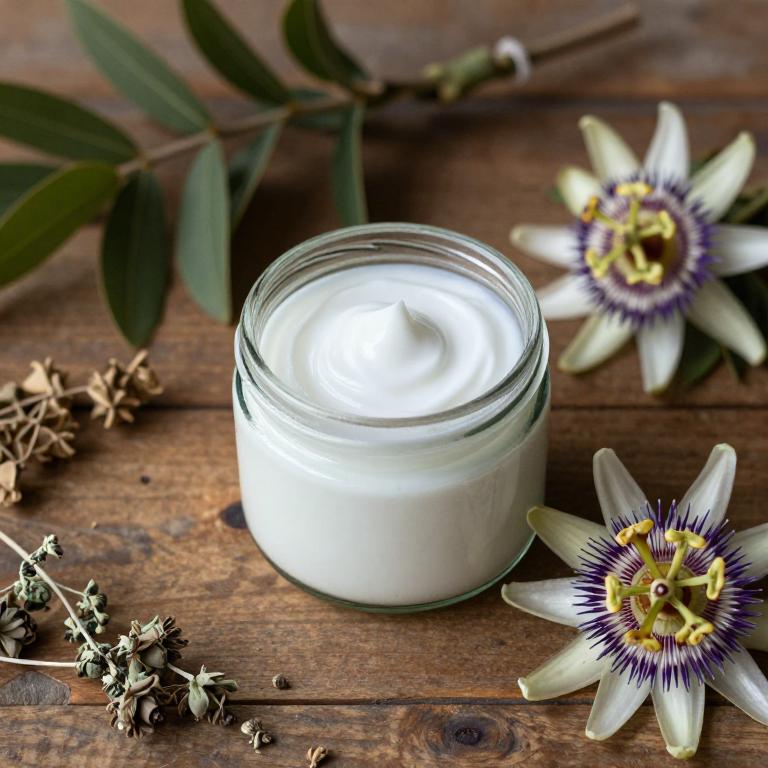
Passiflora incarnata, commonly known as wild passionflower, is a herbal remedy that has been traditionally used to alleviate anxiety and promote relaxation.
When incorporated into herbal creams, passiflora incarnata may offer localized calming effects by delivering its active compounds through the skin, potentially soothing tense muscles and reducing stress-related discomfort. These creams are often formulated with other soothing ingredients like lavender or chamomile to enhance their calming properties. While they are not a substitute for professional treatment, they can serve as a complementary therapy for managing mild anxiety symptoms.
As with any herbal product, it is important to consult with a healthcare provider before use, especially for individuals with sensitive skin or existing medical conditions.
3. Licorice (Glycyrrhiza glabra)
Glycyrrhiza glabra, commonly known as licorice root, has been traditionally used in herbal medicine for its calming and anti-inflammatory properties.
When incorporated into herbal creams, glycyrrhiza glabra may offer soothing relief for individuals experiencing anxiety-related skin irritation or stress-induced skin conditions. The active compounds in licorice root, such as glycyrrhizin and flavonoids, are believed to have mild anxiolytic effects by modulating neurotransmitter activity and reducing inflammation. However, while some studies suggest potential benefits, more research is needed to fully understand its efficacy and safety for anxiety treatment.
As with any herbal remedy, it is advisable to consult a healthcare professional before use, especially for individuals with pre-existing medical conditions or those taking other medications.
4. St. john's wort (Hypericum perforatum)
Hypericum perforatum, commonly known as St. John's Wort, is a herbal remedy traditionally used to alleviate symptoms of mild to moderate depression and anxiety.
When formulated into creams, it may provide localized relief by reducing inflammation and promoting skin health, though its primary therapeutic effects for anxiety are typically associated with oral consumption. Some studies suggest that the active compounds in St. John's Wort, such as hypericin and hyperforin, may influence neurotransmitter levels in the brain, potentially contributing to its anxiolytic properties. However, it is important to note that topical creams may not be as effective for systemic anxiety as oral formulations.
As with any herbal treatment, it is advisable to consult a healthcare provider before use, especially if taking other medications, due to potential interactions.
5. Yarrow (Achillea millefolium)
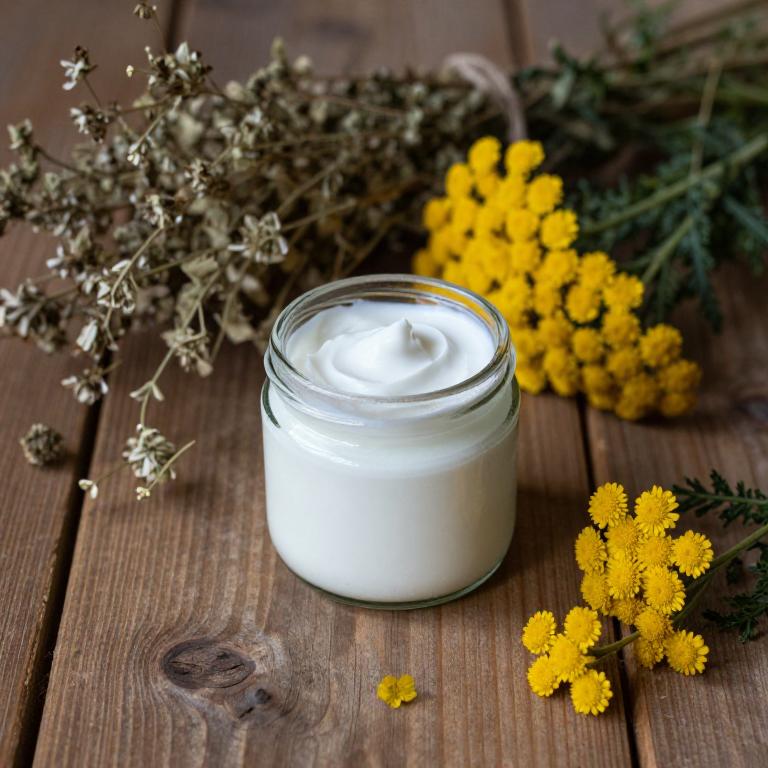
Achillea millefolium, commonly known as yarrow, has been traditionally used in herbal medicine for its calming properties.
Recent studies suggest that yarrow extracts may help reduce symptoms of anxiety by promoting relaxation and improving mood through its antioxidant and anti-inflammatory effects. When incorporated into herbal creams, these formulations can provide localized relief by soothing the skin and supporting emotional well-being. The soothing properties of yarrow make it a popular ingredient in natural remedies for stress and anxiety.
However, it is important to consult with a healthcare professional before using yarrow-based products, especially for individuals with known allergies or medical conditions.
6. English lavender (Lavandula angustifolia)
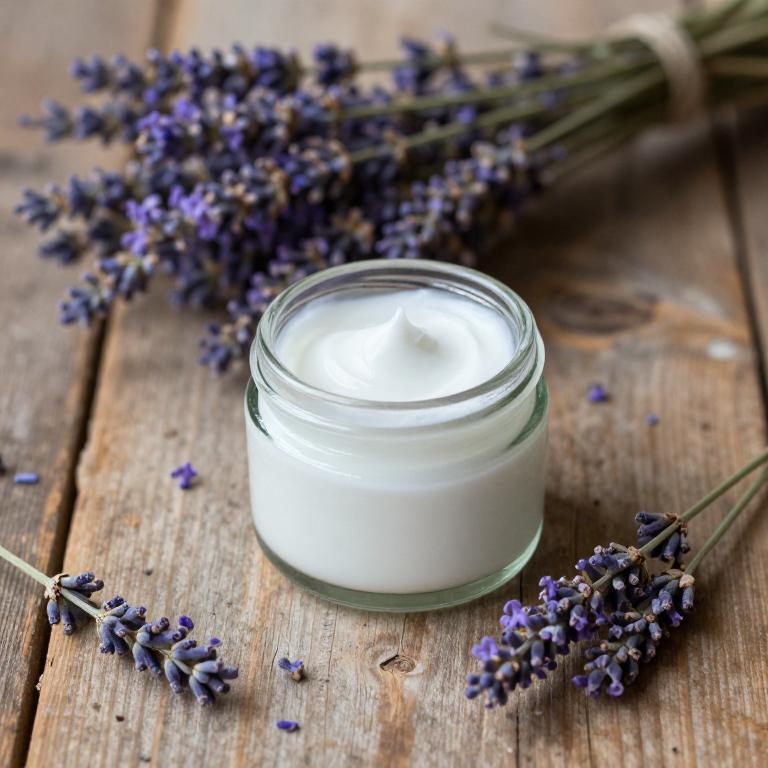
Lavandula angustifolia, commonly known as English lavender, is widely used in herbal creams for its calming and soothing properties.
These creams often contain essential oils extracted from the flowers of the plant, which are known to promote relaxation and reduce stress. The aromatic compounds in lavender have been shown to interact with the nervous system, helping to alleviate symptoms of anxiety. When applied topically, lavender-infused creams can provide a calming effect, making them a popular choice for those seeking natural remedies.
Incorporating lavender herbal creams into a self-care routine may offer a gentle and effective way to manage anxiety without the use of pharmaceuticals.
7. Ashwagandha (Withania somnifera)
Withania somnifera, commonly known as ashwagandha, is an adaptogenic herb traditionally used in Ayurvedic medicine to reduce stress and anxiety.
Recent studies suggest that ashwagandha may help lower cortisol levels, the body's primary stress hormone, thereby allevelling symptoms of anxiety. Herbal creams containing Withania somnifera are being explored as a topical application for managing anxiety-related skin conditions and promoting relaxation through localized absorption. These creams may offer a natural alternative for individuals seeking non-pharmacological approaches to anxiety management.
However, more clinical research is needed to fully establish their efficacy and safety for anxiety treatment.
8. Chaste tree (Vitex agnus-castus)
Vitex agnus-castus, commonly known as chaste tree, has been traditionally used to support hormonal balance and emotional well-being.
Herbal creams infused with vitex are designed to promote relaxation and reduce symptoms of anxiety by soothing the nervous system. These creams often contain additional calming herbs like valerian root or lavender to enhance their effects. When applied topically, they may help ease tension and promote a sense of calm, making them a natural alternative for managing stress and anxiety.
However, it is important to consult with a healthcare provider before using these products, especially if you are pregnant, nursing, or taking other medications.
9. Kava (Piper methysticum)
Piper methysticum, commonly known as kava, has been traditionally used in the Pacific Islands for its calming effects, and recent research suggests that kava-based herbal creams may offer a natural alternative for managing anxiety.
These creams typically contain extracts from the roots of the kava plant, which are believed to interact with the central nervous system to reduce feelings of stress and anxiety. While some studies indicate that topical application of kava may provide localized relaxation, the effectiveness of these creams for generalized anxiety is still being explored. It is important to note that kava can have side effects and may interact with certain medications, so it should be used under the guidance of a healthcare professional.
As interest in holistic treatments grows, kava-based creams are gaining attention as a potential complementary therapy for anxiety management.
10. Sweet almond (Prunus dulcis)

Prunus dulcis, commonly known as the sweet almond tree, is often used in herbal remedies for its calming and nourishing properties.
Herbal creams infused with Prunus dulcis are valued for their ability to soothe the skin while potentially offering relief from symptoms of anxiety through their calming essential oils and nutrients. These creams are typically enriched with vitamins and minerals that support emotional well-being and may help reduce stress-related skin conditions. The gentle, moisturizing nature of Prunus dulcis makes it suitable for sensitive skin, enhancing its appeal as a natural remedy.
While not a substitute for professional medical treatment, these creams can be a complementary tool in managing anxiety through holistic self-care practices.