10 Best Herbal Capsules For Allergies
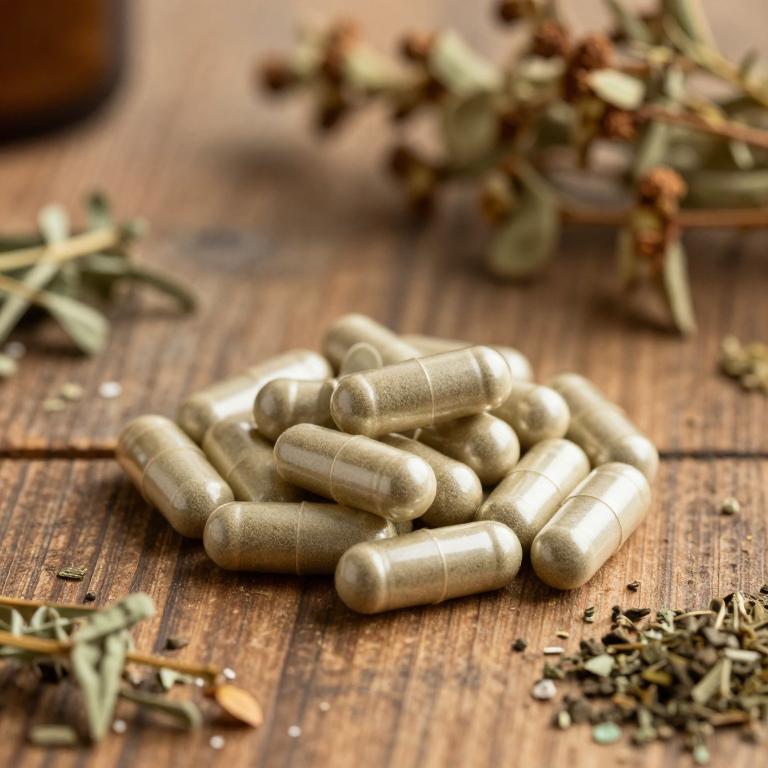
Herbal capsules for allergies are natural supplements designed to alleviate common allergy symptoms such as sneezing, itching, and runny nose by utilizing plant-based ingredients known for their anti-inflammatory and antihistamine properties.
Common herbs used in these capsules include quercetin, nettle, and butterbur, which have been traditionally used to support immune function and reduce allergic reactions. These capsules are often preferred by individuals seeking alternative or complementary treatments to conventional antihistamines. They are typically easy to take, convenient, and may offer fewer side effects compared to pharmaceutical options.
However, it is important to consult with a healthcare provider before starting any herbal supplement to ensure safety and effectiveness.
Table of Contents
- 1. Stinging nettle (Urtica dioica)
- 2. Echinacea (Echinacea purpurea)
- 3. Blueberry (Vaccinium myrtillus)
- 4. German chamomile (Chamomilla recutita)
- 5. St. john's wort (Hypericum perforatum)
- 6. St. john's wort (Agrimonia eupatoria)
- 7. Salvia (Salvia officinalis)
- 8. Camellia (Camellia sinensis)
- 9. Blessed thistle (Cnicus benedictus)
- 10. Wormwood (Artemisia vulgaris)
1. Stinging nettle (Urtica dioica)
Urtica dioica, commonly known as stinging nettle, is a herbal remedy that has been traditionally used to alleviate allergy symptoms.
Urtica dioica herbal capsules are often formulated to support the body's natural response to allergens by reducing inflammation and histamine release. These capsules are typically made from standardized extracts of the plant, ensuring consistent potency and bioavailability. They are considered a natural alternative to conventional antihistamines, offering potential relief without the side effects associated with pharmaceutical drugs.
However, individuals considering urtica dioica should consult with a healthcare professional to ensure it is safe and appropriate for their specific health needs.
2. Echinacea (Echinacea purpurea)
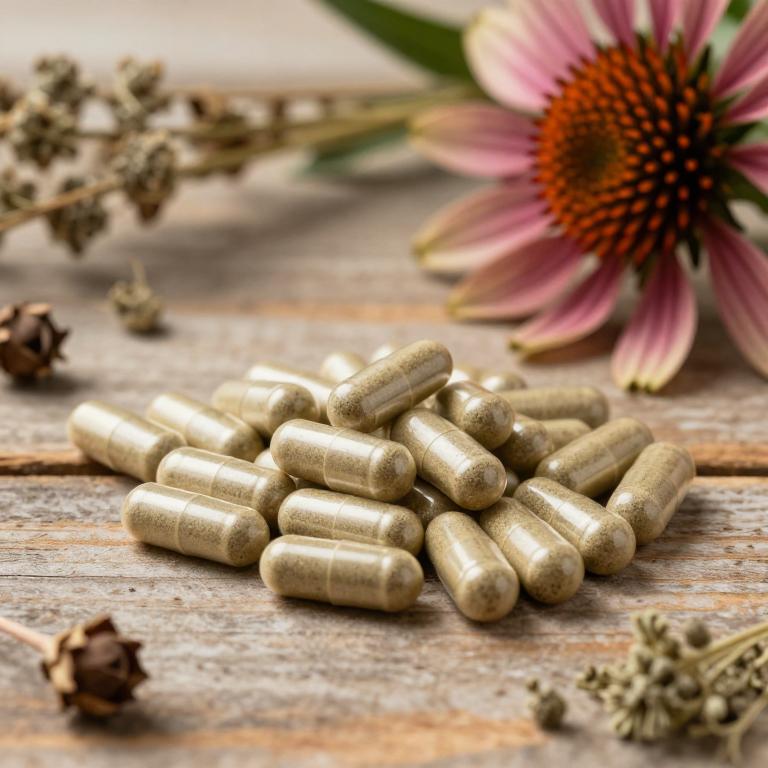
Echinacea purpurea, commonly known as purple coneflower, is a popular herbal remedy often used to support immune health.
Herbal capsules containing Echinacea purpurea are frequently marketed for their potential to alleviate allergy symptoms by reducing inflammation and supporting the body’s natural defenses. Some studies suggest that Echinacea may help shorten the duration of colds and reduce the frequency of allergic reactions, though results can vary. When taken as directed, these capsules are generally considered safe for most adults, though they may interact with certain medications or cause mild side effects in some individuals.
It is important to consult a healthcare professional before using Echinacea for allergies, especially if you have existing health conditions or are taking other medications.
3. Blueberry (Vaccinium myrtillus)

Vaccinium myrtillus, commonly known as blueberry, has been traditionally used in herbal medicine for its potential benefits in managing allergies.
The herbal capsules derived from this plant contain compounds such as anthocyanins and flavonoids, which are believed to have anti-inflammatory and antioxidant properties. These properties may help reduce allergic reactions by supporting the body's immune response and decreasing histamine release. Some studies suggest that Vaccinium myrtillus may alleviate symptoms of hay fever and other allergic conditions when used as a complementary therapy.
However, it is important to consult a healthcare professional before using these capsules, especially if you are on other medications or have underlying health conditions.
4. German chamomile (Chamomilla recutita)
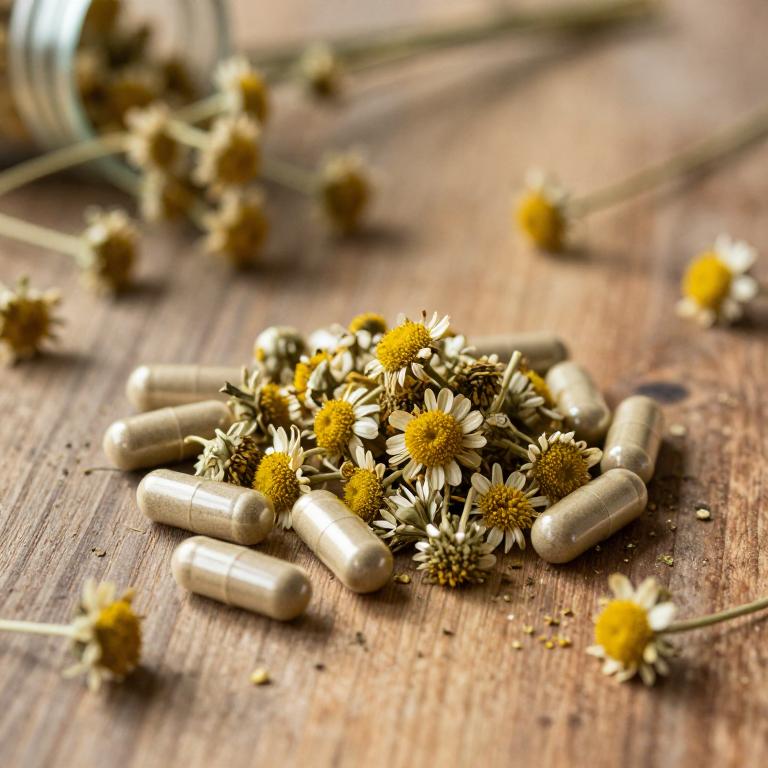
Chamomilla recutita, commonly known as German chamomile, is a popular herbal remedy often used in the form of capsules to support allergy relief.
These capsules contain the dried flowers of the plant, which are rich in bioactive compounds such as flavonoids and essential oils, known for their anti-inflammatory and antihistaminic properties. Many people use chamomilla recutita capsules as a natural alternative to conventional antihistamines, particularly for seasonal allergies and hay fever. The herb is generally considered safe when taken in recommended doses, though it may cause mild side effects in some individuals.
Its calming effects also make it a beneficial supplement for managing the stress and sleep disturbances often associated with allergic conditions.
5. St. john's wort (Hypericum perforatum)
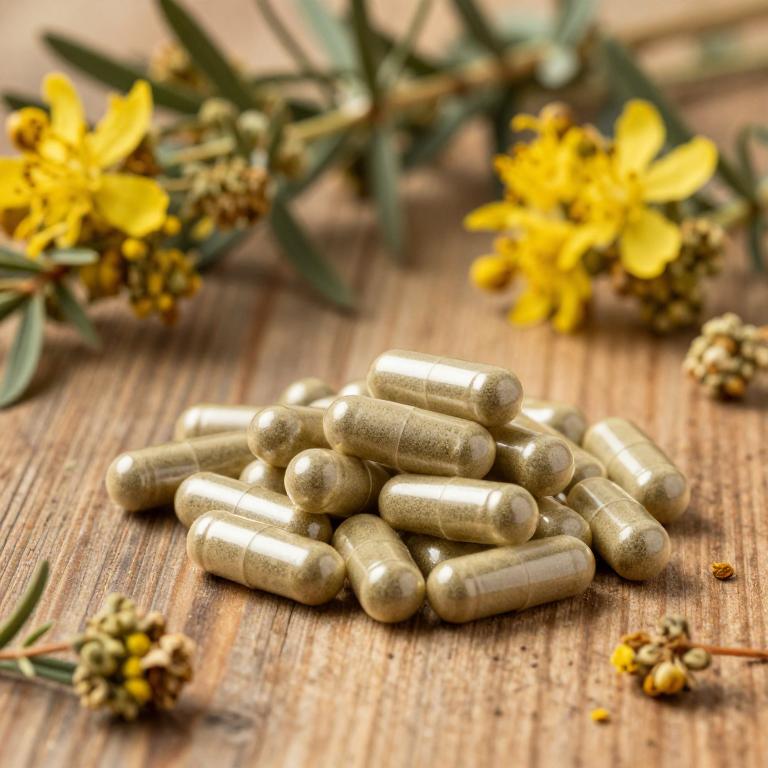
Hypericum perforatum, commonly known as St. John's Wort, is a herbal remedy that has been traditionally used for its potential anti-inflammatory and antihistamine properties.
While it is primarily known for its use in treating mild depression, some studies suggest it may help alleviate allergy symptoms by reducing histamine release. Herbal capsules containing Hypericum perforatum are often marketed as natural alternatives to conventional antihistamines, though their efficacy for allergies is still under investigation. It is important to consult with a healthcare provider before using St. John's Wort, as it can interact with various medications and may cause side effects.
Despite its popularity, more clinical research is needed to fully understand its role in managing allergic conditions.
6. St. john's wort (Agrimonia eupatoria)
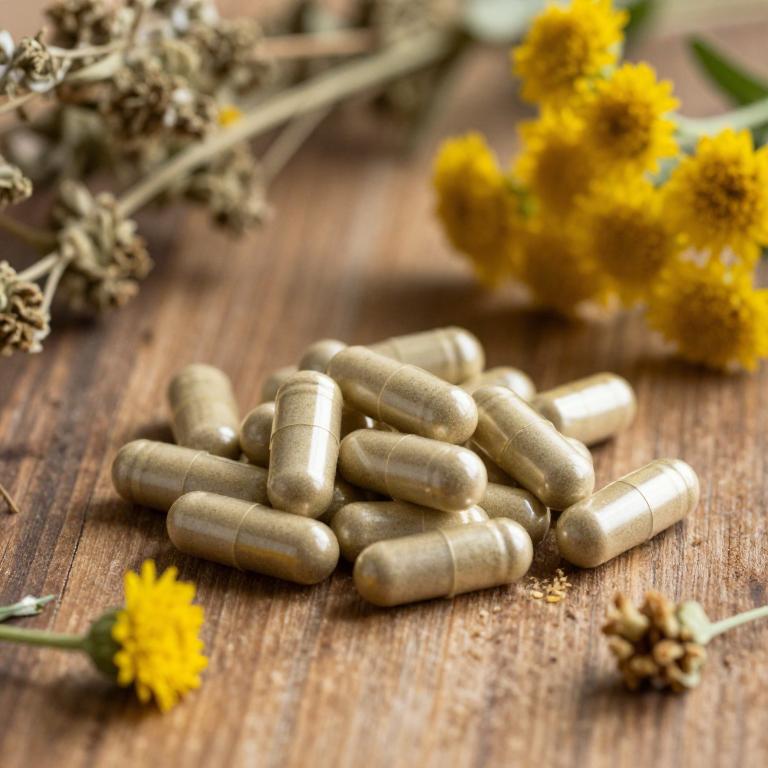
Agrimonia eupatoria, commonly known as agrimony, has been traditionally used in herbal medicine for its potential benefits in alleviating allergy symptoms.
Herbal capsules containing agrimony are often formulated to support the body's natural defenses against allergic reactions by reducing inflammation and histamine release. These capsules are typically made from standardized extracts of the plant, ensuring consistent potency and efficacy. They may be used as a complementary therapy alongside conventional allergy treatments, though it is important to consult a healthcare professional before use.
Agrimony's antioxidant and anti-inflammatory properties make it a popular choice for those seeking natural remedies for seasonal and environmental allergies.
7. Salvia (Salvia officinalis)
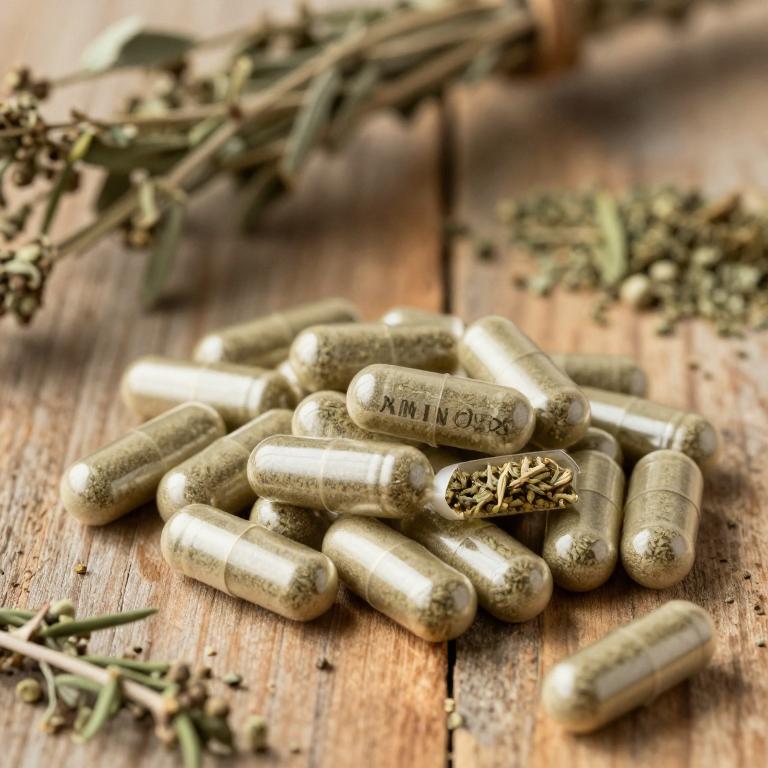
Salvia officinalis, commonly known as sage, is a traditional herb that has been used for centuries to support respiratory and immune health.
Herbal capsules containing salvia officinalis are increasingly popular for their potential to alleviate allergy symptoms such as sneezing, congestion, and itchy eyes. The active compounds in sage, including flavonoids and essential oils, may help reduce inflammation and histamine response in the body. While scientific research on its efficacy for allergies is still emerging, many users report relief from seasonal and indoor allergens.
As with any supplement, it is advisable to consult a healthcare professional before use, especially for individuals with existing health conditions or those taking other medications.
8. Camellia (Camellia sinensis)
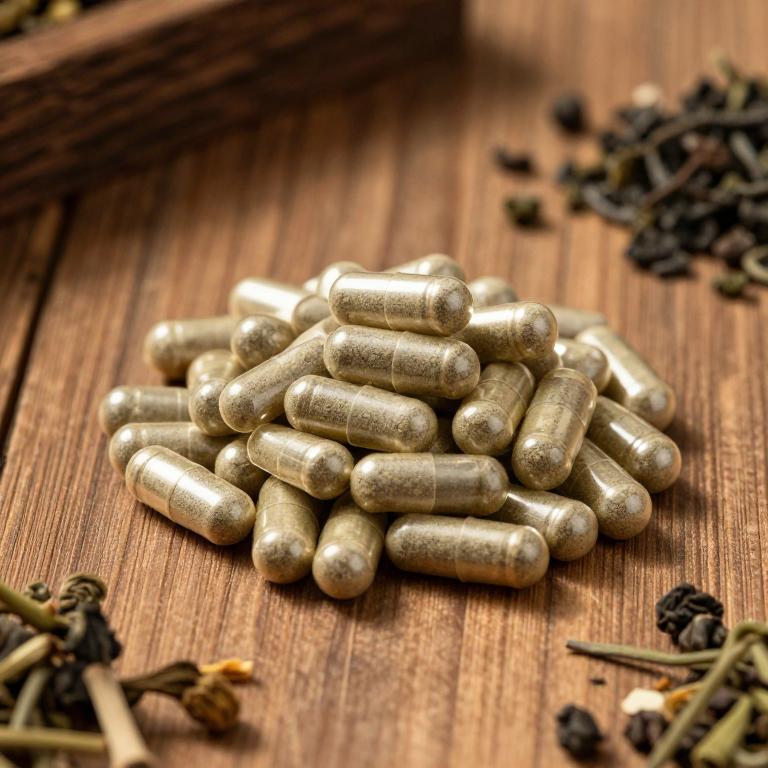
Camellia sinensis herbal capsules, derived from the leaves of the Camellia sinensis plant, are often used as a natural remedy for managing allergy symptoms.
These capsules contain compounds such as polyphenols and catechins, which have anti-inflammatory and antioxidant properties that may help reduce allergic reactions. Some studies suggest that regular consumption of Camellia sinensis extracts can support immune function and decrease histamine production, potentially alleviating symptoms like sneezing and itching. However, while these capsules are generally considered safe, they may interact with certain medications or exacerbate conditions like insomnia due to their caffeine content.
It is advisable to consult a healthcare professional before using Camellia sinensis capsules for allergies, especially if you have existing health conditions or are taking other supplements.
9. Blessed thistle (Cnicus benedictus)
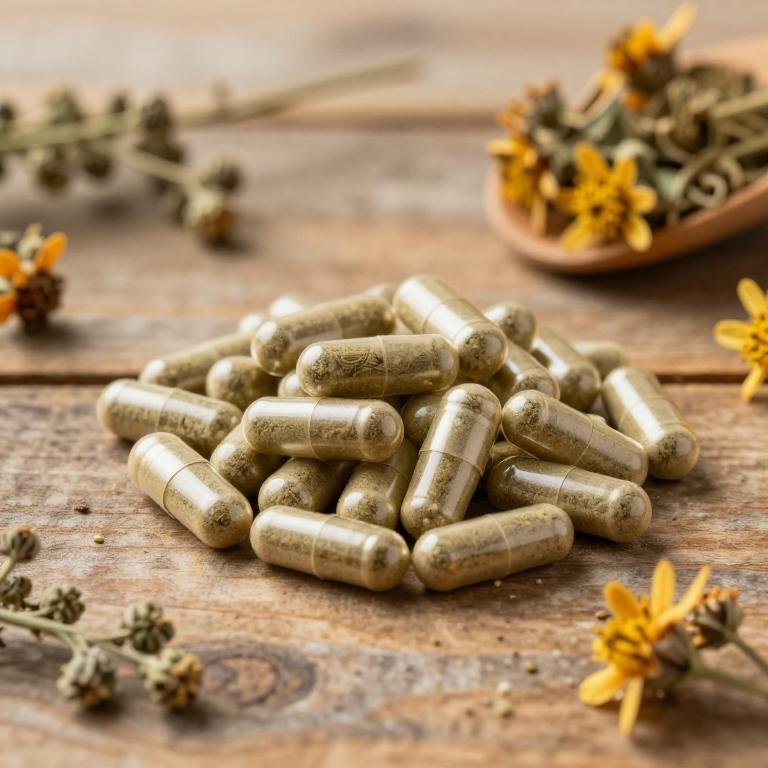
Cnicus benedictus, also known as blessed thistle, is a traditional herbal remedy commonly used in herbal capsules to support immune function and alleviate allergy symptoms.
These capsules are often formulated to help reduce histamine release, which can ease common allergy-related issues such as sneezing, itching, and runny nose. The herb is believed to have anti-inflammatory and antihistaminic properties that may help modulate the body's allergic response. While generally considered safe when used as directed, it is important to consult with a healthcare provider before starting any new herbal supplement, especially for individuals with existing medical conditions or those taking other medications.
As with any supplement, the quality and potency of Cnicus benedictus herbal capsules can vary, so choosing a reputable brand is essential for effectiveness and safety.
10. Wormwood (Artemisia vulgaris)
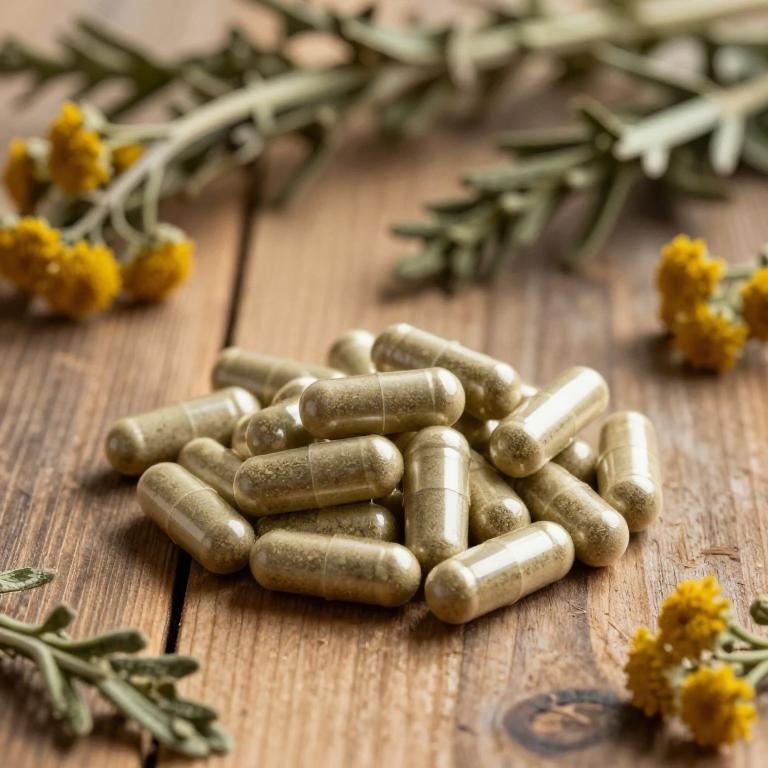
Artemisia vulgaris, commonly known as wormwood, is a traditional herbal remedy that has been used for centuries to support immune function and alleviate allergy symptoms.
When formulated into herbal capsules, it offers a convenient and standardized way to incorporate this plant into a daily wellness routine. The active compounds in Artemisia vulgaris, such as thujone and flavonoids, are believed to have antihistaminic and anti-inflammatory properties that may help reduce allergic reactions. These capsules are often used as a complementary therapy alongside conventional allergy treatments, though they should not replace prescribed medications without consulting a healthcare professional.
Due to its potent nature, it is important to follow recommended dosages and be aware of potential side effects or interactions with other medications.