10 Best Herbal Juices For Ankylosing Spondylitis
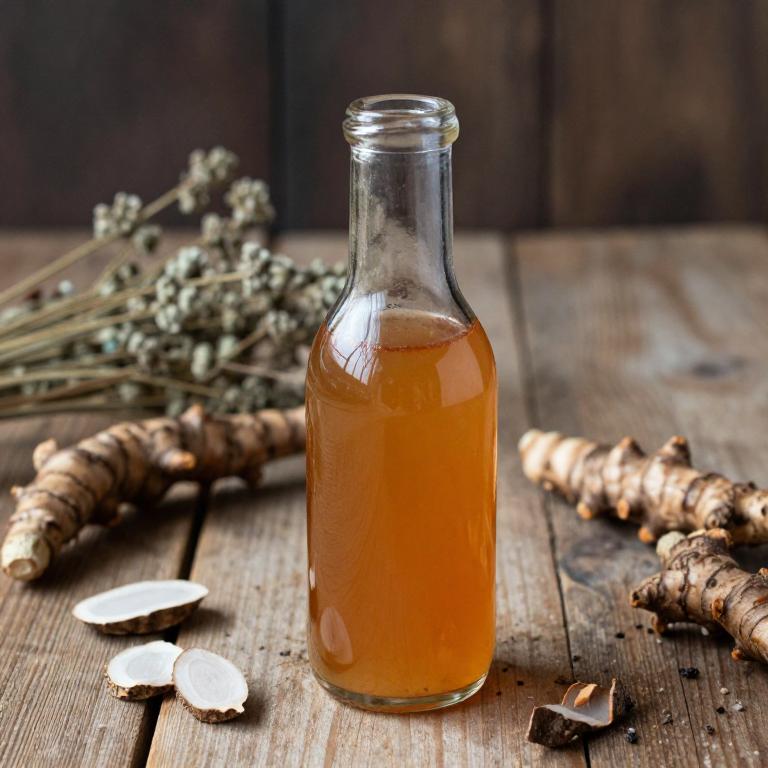
Herbal juices have gained attention as a complementary approach for managing symptoms of ankylosing spondylitis, an inflammatory arthritis affecting the spine.
Certain herbs, such as turmeric, ginger, and boswellia, are commonly used in herbal juices due to their anti-inflammatory and pain-relieving properties. These natural ingredients may help reduce joint inflammation and improve mobility in individuals with the condition. However, it is important to consult with a healthcare provider before incorporating herbal juices into a treatment plan, as they can interact with medications or have side effects.
While herbal juices may offer some relief, they should not replace conventional medical treatments for ankylosing spondylitis.
Table of Contents
- 1. Turmeric (Curcuma longa)
- 2. Ginger (Zingiber officinale)
- 3. Stinging nettle (Urtica dioica)
- 4. Thistle (Silybum marianum)
- 5. Echinacea (Echinacea purpurea)
- 6. Salvia (Salvia officinalis)
- 7. Aloe vera (Aloe barbadensis)
- 8. Black cumin (Nigella sativa)
- 9. Licorice (Glycyrrhiza glabra)
- 10. Ceylon cinnamon (Cinnamomum verum)
1. Turmeric (Curcuma longa)
Curcuma longa, commonly known as turmeric, has been traditionally used for its anti-inflammatory and antioxidant properties, making it a promising herbal remedy for ankylosing spondylitis.
The active compound in turmeric, curcumin, has shown potential in reducing inflammation and pain associated with this chronic inflammatory arthritis. When consumed as a herbal juice, curcuma longa may offer a more bioavailable and palatable form of curcumin compared to standard supplements. However, it is important to note that while some studies suggest its benefits, more clinical research is needed to confirm its efficacy and safety for managing ankylosing spondylitis.
Individuals considering turmeric juice should consult with a healthcare provider to ensure it is appropriate for their specific condition and medication regimen.
2. Ginger (Zingiber officinale)
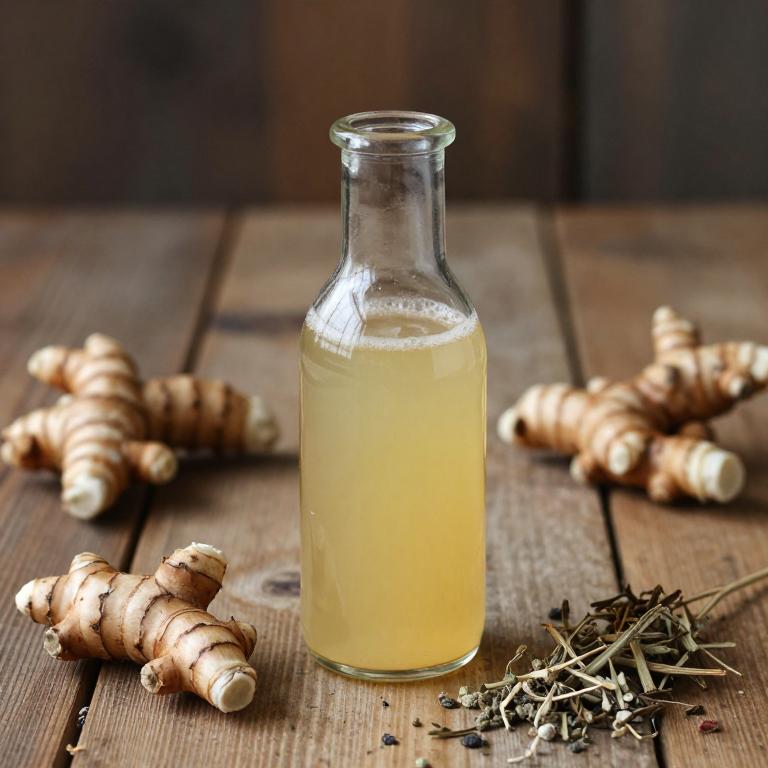
Zingiber officinale, commonly known as ginger, has been traditionally used for its anti-inflammatory and analgesic properties, making it a popular herbal remedy for managing symptoms of ankylosing spondylitis.
When consumed as a juice, ginger can help reduce inflammation and pain in the joints and spine, which are hallmark features of this chronic inflammatory condition. Studies suggest that the active compounds in ginger, such as gingerol and shogaol, may inhibit the production of pro-inflammatory cytokines, thereby alleviating inflammation. However, while ginger juice may offer some relief, it should not replace conventional medical treatments but rather be used as a complementary therapy under professional guidance.
Overall, incorporating zingiber officinale into a holistic treatment plan may support better management of ankylosing spondylitis symptoms.
3. Stinging nettle (Urtica dioica)
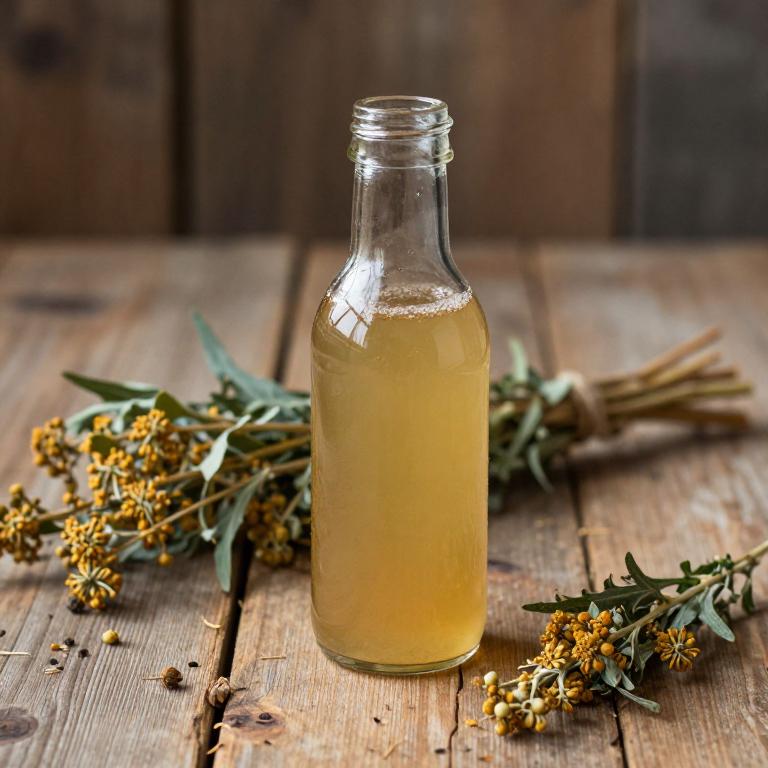
Urtica dioica, commonly known as stinging nettle, has been traditionally used for its potential anti-inflammatory and analgesic properties.
Some herbal preparations containing Urtica dioica juice are believed to help reduce inflammation and pain associated with ankylosing spondylitis, a chronic inflammatory disease affecting the spine. While scientific evidence supporting its efficacy in this condition is limited, some studies suggest that nettle may help alleviate symptoms by modulating immune responses and reducing oxidative stress. Herbal juices made from Urtica dioica are often consumed as a natural remedy, though they should be used under the guidance of a healthcare professional.
It is important to note that herbal treatments should not replace conventional medical therapies but may be considered as complementary approaches in managing ankylosing spondylitis.
4. Thistle (Silybum marianum)
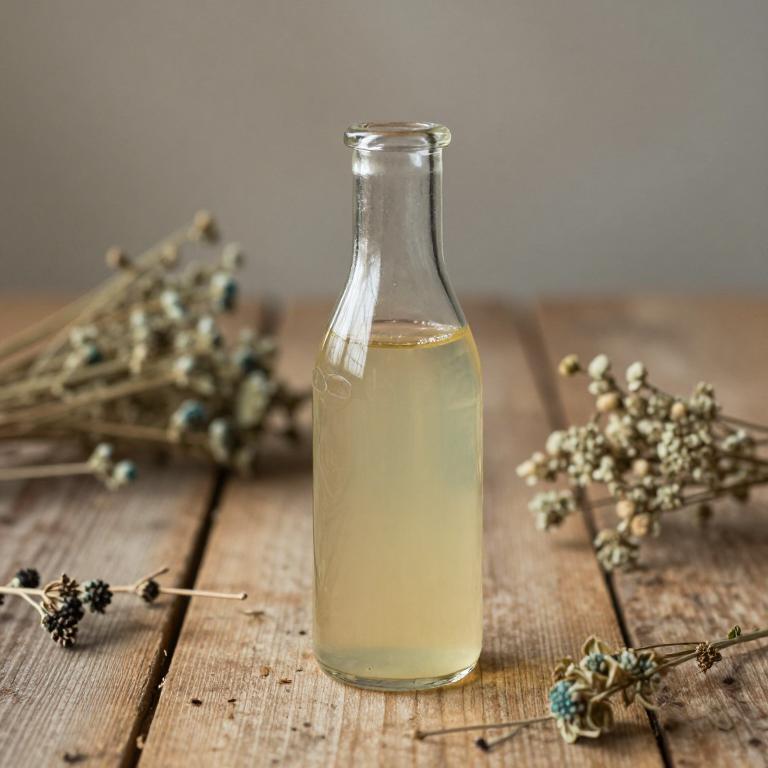
Silybum marianum, also known as milk thistle, is a herbal remedy that has been studied for its potential anti-inflammatory and antioxidant properties.
These properties make it a subject of interest for individuals with ankylosing spondylitis, a chronic inflammatory disease affecting the spine. Some preliminary research suggests that silybum marianum may help reduce inflammation and support liver function, which could be beneficial for patients with this condition. However, more clinical trials are needed to confirm its efficacy and safety in treating ankylosing spondylitis.
As with any herbal supplement, it is important to consult a healthcare provider before incorporating silybum marianum into a treatment regimen.
5. Echinacea (Echinacea purpurea)
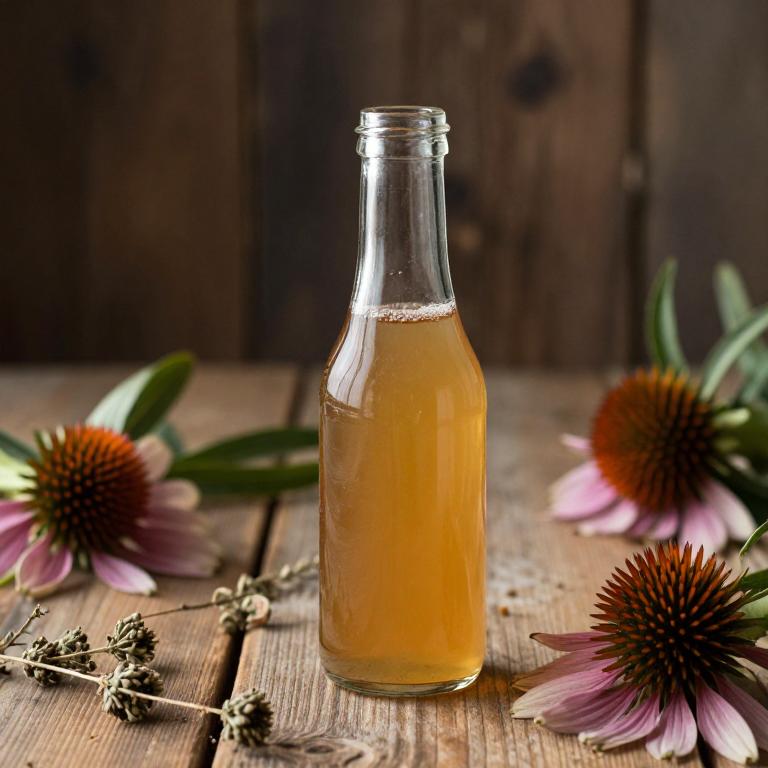
Echinacea purpurea, commonly known as purple coneflower, is a popular herbal remedy traditionally used to support immune function.
While it is widely recognized for its potential benefits in boosting the immune system and reducing the duration of colds, its role in managing ankylosing spondylitis remains less well-researched. Some preliminary studies suggest that echinacea may have anti-inflammatory properties that could potentially help alleviate symptoms associated with inflammatory conditions like ankylosing spondylitis. However, more clinical trials are needed to confirm its efficacy and safety for this specific condition.
As with any herbal supplement, it is important to consult a healthcare provider before incorporating echinacea into a treatment regimen for ankylosing spondylitis.
6. Salvia (Salvia officinalis)
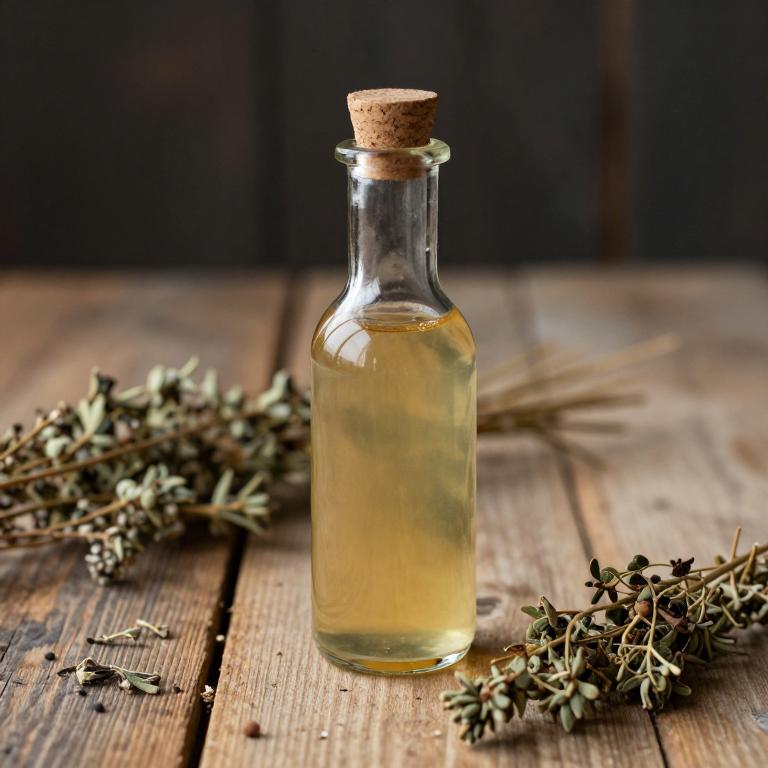
Salvia officinalis, commonly known as sage, has been traditionally used in herbal medicine for its anti-inflammatory and antioxidant properties.
Recent studies suggest that sage may offer potential benefits for individuals with ankylosing spondylitis, a chronic inflammatory disease affecting the spine. Herbal juices made from fresh or dried sage leaves can be consumed as a natural supplement to support joint health and reduce inflammation. However, while some anecdotal evidence supports its use, more clinical research is needed to confirm its efficacy and safety for this specific condition.
As with any herbal remedy, it is advisable to consult a healthcare professional before incorporating sage juice into a treatment plan for ankylosing spondylitis.
7. Aloe vera (Aloe barbadensis)
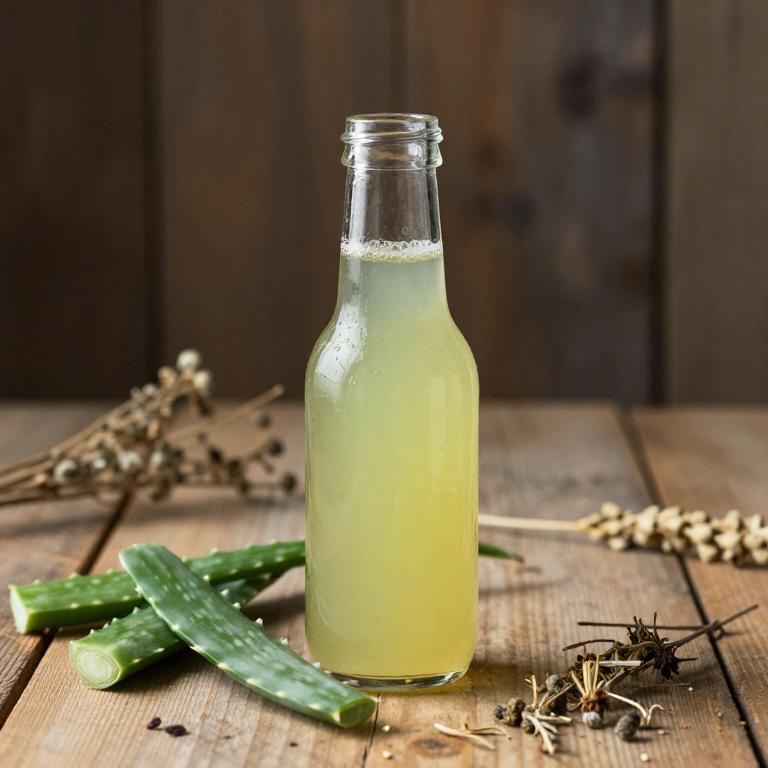
Aloe barbadensis, commonly known as aloe vera, has been traditionally used for its soothing and anti-inflammatory properties, making it a popular choice for natural remedies.
Some studies suggest that aloe vera juice may help reduce inflammation and pain in individuals with ankylosing spondylitis due to its high concentration of antioxidants and anti-inflammatory compounds. While it is not a cure, it may serve as a complementary therapy to support overall joint health and comfort. However, it is important to consult with a healthcare provider before incorporating aloe vera juice into a treatment plan for ankylosing spondylitis.
The effectiveness of aloe barbadensis can vary among individuals, and more research is needed to fully understand its potential benefits for this condition.
8. Black cumin (Nigella sativa)
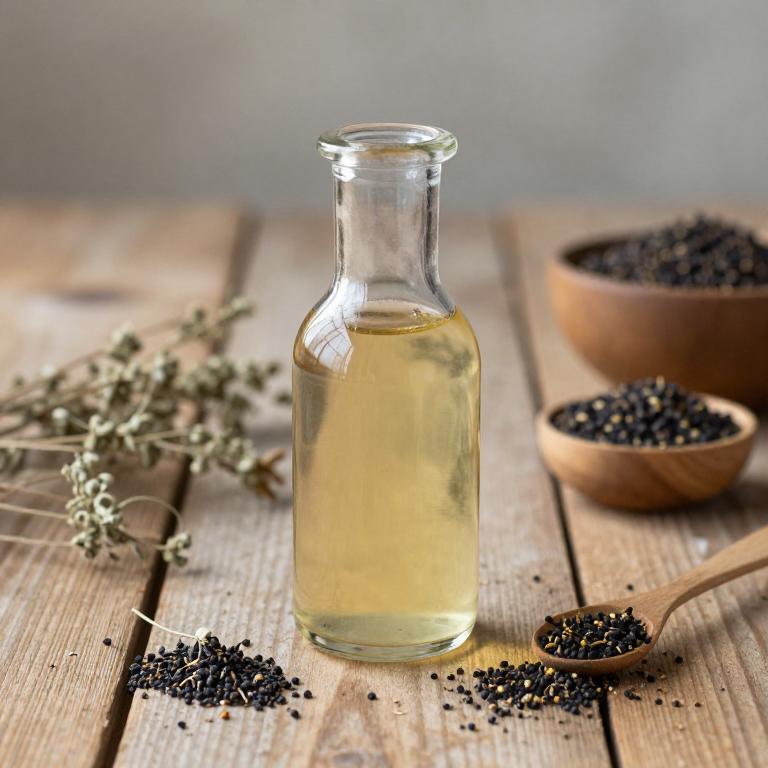
Nigella sativa, commonly known as black cumin, has been traditionally used in herbal medicine for its anti-inflammatory and antioxidant properties.
Recent studies suggest that the essential oil and seed extracts of Nigella sativa may help reduce inflammation and pain in patients with ankylosing spondylitis, a chronic inflammatory disease affecting the spine. When consumed as a herbal juice, Nigella sativa can provide a natural and complementary approach to managing symptoms associated with the condition. The active compound thymoquinone in the seeds is believed to play a key role in its therapeutic effects.
However, it is important to consult with a healthcare professional before incorporating Nigella sativa juice into a treatment plan for ankylosing spondylitis.
9. Licorice (Glycyrrhiza glabra)
Glycyrrhiza glabra, commonly known as licorice root, has been traditionally used in herbal medicine for its anti-inflammatory and immune-modulating properties.
Preliminary studies suggest that licorice root extracts may help reduce inflammation and pain associated with ankylosing spondylitis, a chronic inflammatory disease affecting the spine. The active compounds in licorice, such as glycyrrhizin and flavonoids, are believed to inhibit pro-inflammatory cytokines and support joint health. While more research is needed to confirm its efficacy, some patients report relief from symptoms when using licorice-based herbal juices as part of a complementary therapy.
It is important to consult a healthcare provider before incorporating licorice juice into a treatment plan, as it may interact with certain medications.
10. Ceylon cinnamon (Cinnamomum verum)
Cinnamomum verum, commonly known as true cinnamon, has been traditionally used in herbal remedies for its anti-inflammatory and antioxidant properties, which may offer potential benefits for individuals with ankylosing spondylitis.
When consumed as a herbal juice, cinnamon can help reduce inflammation and pain in the joints, potentially alleviating some symptoms associated with this chronic inflammatory condition. However, it is important to note that while some studies suggest possible therapeutic effects, more research is needed to confirm its efficacy and safety for long-term use in managing ankylosing spondylitis. As with any herbal remedy, it should be used under the guidance of a healthcare professional to avoid interactions with medications or adverse effects.
Incorporating cinnamon juice into a holistic treatment plan may support overall joint health, but it should not replace conventional medical treatments.