10 Best Herbal Capsules For Ankylosing Spondylitis
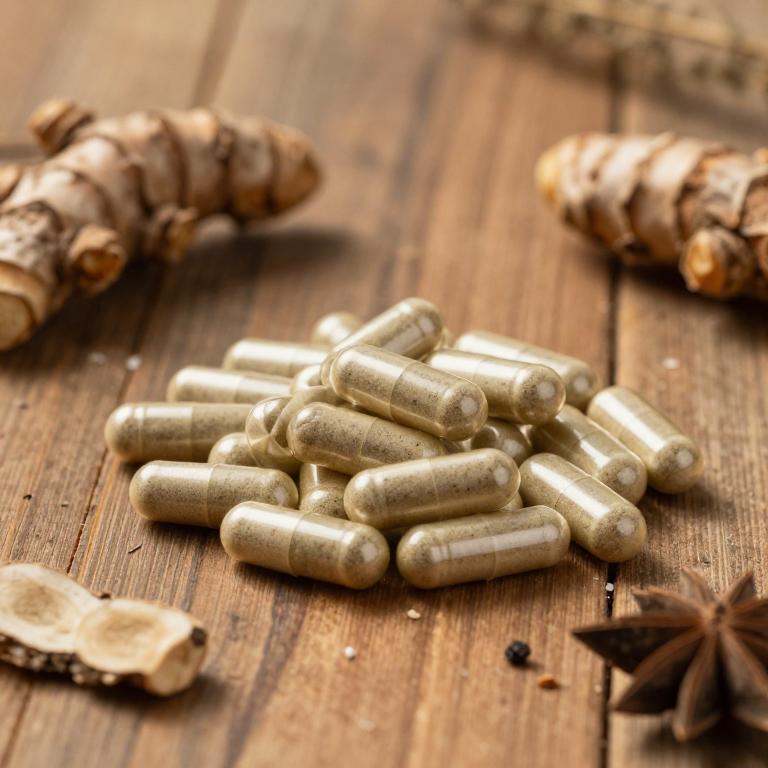
Herbal capsules have gained attention as a complementary approach for managing symptoms of ankylosing spondylitis, a chronic inflammatory arthritis affecting the spine.
These capsules often contain natural ingredients such as turmeric, ginger, and boswellia, which are known for their anti-inflammatory and pain-relieving properties. While they may help reduce inflammation and improve joint mobility, their effectiveness can vary among individuals and is not a substitute for conventional medical treatment. It is important for patients to consult with healthcare professionals before incorporating herbal supplements into their regimen to ensure safety and avoid potential interactions with other medications.
Research on the long-term benefits and risks of herbal capsules for ankylosing spondylitis is ongoing, highlighting the need for further clinical studies.
Table of Contents
- 1. Turmeric (Curcuma longa)
- 2. Ginger (Zingiber officinale)
- 3. Thistle (Silybum marianum)
- 4. Echinacea (Echinacea purpurea)
- 5. Chaste tree (Vitex agnus-castus)
- 6. Black cumin (Nigella sativa)
- 7. Red sage (Salvia miltiorrhiza)
- 8. Salvia (Salvia officinalis)
- 9. St. john's wort (Hypericum perforatum)
- 10. Black pepper (Piper nigrum)
1. Turmeric (Curcuma longa)
Curcuma longa, commonly known as turmeric, has been widely studied for its potential anti-inflammatory and analgesic properties, making it a promising complementary therapy for ankylosing spondylitis.
The active compound in curcuma longa, curcumin, is believed to inhibit pro-inflammatory cytokines and reduce oxidative stress, which are key factors in the progression of this autoimmune condition. Clinical studies have shown that curcumin supplementation may help alleviate pain and stiffness in patients with ankylosing spondylitis, although more research is needed to determine optimal dosages and long-term efficacy. Herbal capsules containing standardized curcumin extracts are often recommended as a natural alternative or adjunct to conventional treatments.
However, it is important to consult a healthcare provider before starting any new supplement, especially for individuals with chronic inflammatory conditions.
2. Ginger (Zingiber officinale)

Zingiber officinale, commonly known as ginger, has been traditionally used for its anti-inflammatory and pain-relieving properties.
Herbal capsules containing zingiber officinale are increasingly being explored as a complementary therapy for ankylosing spondylitis, a chronic inflammatory disease affecting the spine. Preliminary studies suggest that ginger may help reduce inflammation and alleviate symptoms such as back pain and stiffness in patients with the condition. However, more rigorous clinical trials are needed to establish its efficacy and safety in this specific population.
As with any herbal supplement, it is important to consult a healthcare provider before incorporating zingiber officinale into a treatment regimen for ankylosing spondylitis.
3. Thistle (Silybum marianum)

Silybum marianum, also known as milk thistle, is a herbal remedy that has been studied for its potential anti-inflammatory and antioxidant properties.
These capsules are often used as a complementary therapy for ankylosing spondylitis, a chronic inflammatory disease affecting the spine. The active compound, silymarin, is believed to help reduce inflammation and oxidative stress, which are key factors in the progression of the condition. While some research suggests it may provide mild relief, it is important to consult a healthcare provider before using it as part of a treatment plan.
Silybum marianum herbal capsules should not replace conventional medical treatments but may be used alongside them under professional guidance.
4. Echinacea (Echinacea purpurea)
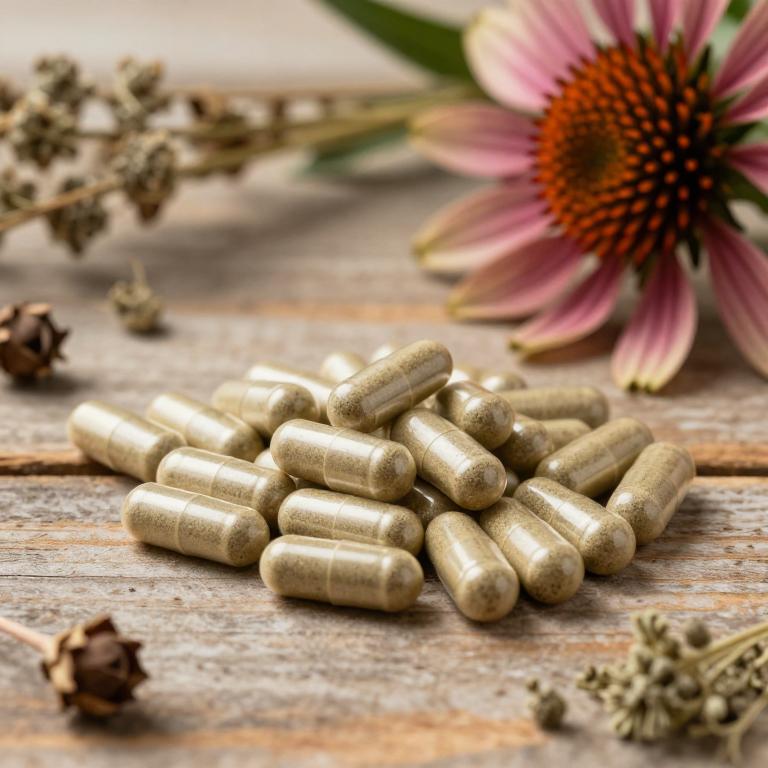
Echinacea purpurea, commonly known as purple coneflower, is a popular herbal remedy traditionally used to support immune function.
While it is widely recognized for its potential benefits in reducing the severity and frequency of colds and infections, its role in managing ankylosing spondylitis (AS) is less established. Some studies suggest that echinacea may have anti-inflammatory properties that could potentially help alleviate symptoms associated with AS, such as inflammation and pain. However, there is currently limited clinical evidence specifically linking echinacea to improved outcomes in individuals with AS.
As a result, it is often recommended to consult with a healthcare provider before using echinacea or any other herbal supplement as a complementary therapy for ankylosing spondylitis.
5. Chaste tree (Vitex agnus-castus)
Vitex agnus-castus, commonly known as chaste tree, has been traditionally used in herbal medicine for its potential anti-inflammatory and hormonal balancing properties.
While scientific research on its efficacy for ankylosing spondylitis is limited, some studies suggest that it may help reduce inflammatory markers and alleviate symptoms such as pain and stiffness. Herbal capsules containing Vitex agnus-castus are often used as a complementary therapy alongside conventional treatments for autoimmune conditions like ankylosing spondylitis. It is generally considered safe when taken in recommended doses, though it may interact with certain medications or affect hormonal balance in sensitive individuals.
As with any herbal supplement, it is advisable to consult a healthcare professional before use, especially for those with chronic inflammatory conditions.
6. Black cumin (Nigella sativa)
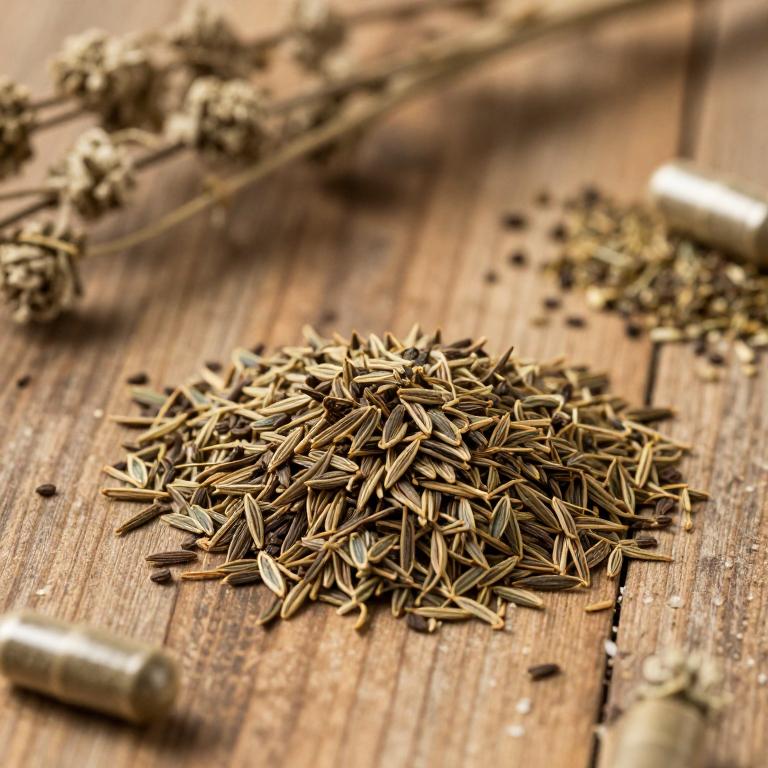
Nigella sativa, commonly known as black cumin, has been traditionally used in herbal medicine for its anti-inflammatory and immune-modulating properties.
Recent studies suggest that Nigella sativa herbal capsules may offer potential benefits for individuals with ankylosing spondylitis, a chronic inflammatory arthritis affecting the spine. The active compound, thymoquinone, is believed to help reduce inflammation and pain associated with the condition. While more research is needed, some patients report improved mobility and reduced symptoms when incorporating these capsules into their treatment regimen.
As with any supplement, it is advisable to consult a healthcare provider before use, especially for those with existing medical conditions or on medication.
7. Red sage (Salvia miltiorrhiza)
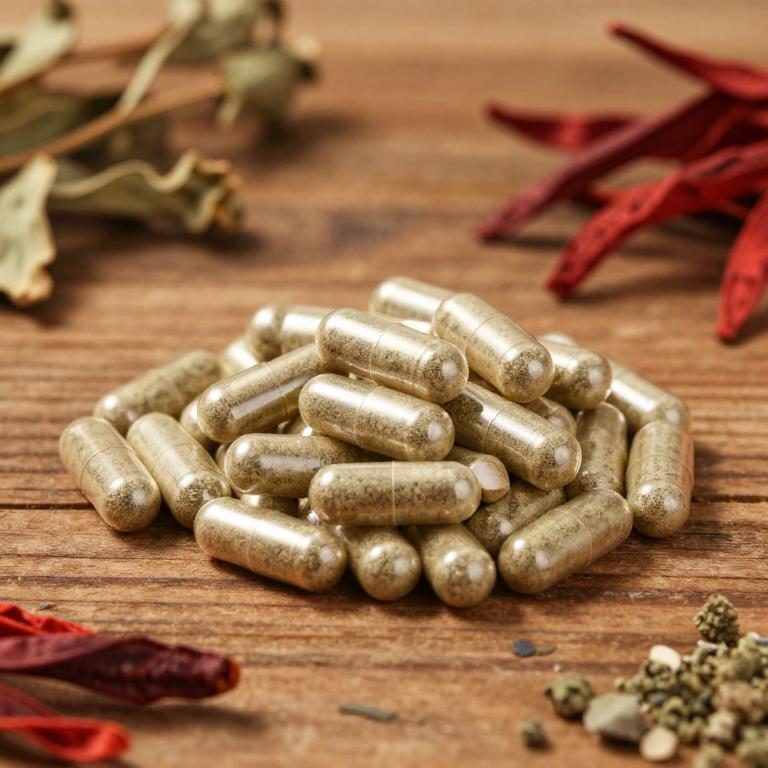
Salvia miltiorrhiza, commonly known as Danshen, is a traditional Chinese medicinal herb that has been used for centuries to support cardiovascular and inflammatory health.
Recent studies suggest that its active compounds, such as tanshinone and salvianolic acid, may possess anti-inflammatory and antioxidant properties that could be beneficial in managing ankylosing spondylitis, a chronic inflammatory disease affecting the spine. Herbal capsules containing Salvia miltiorrhiza are often used as a complementary therapy to reduce pain and stiffness associated with the condition. While more clinical research is needed, some patients report improved mobility and reduced inflammation when incorporating these capsules into their treatment regimen under medical supervision.
As with any supplement, it is important to consult a healthcare provider before use to ensure safety and appropriateness for individual health needs.
8. Salvia (Salvia officinalis)
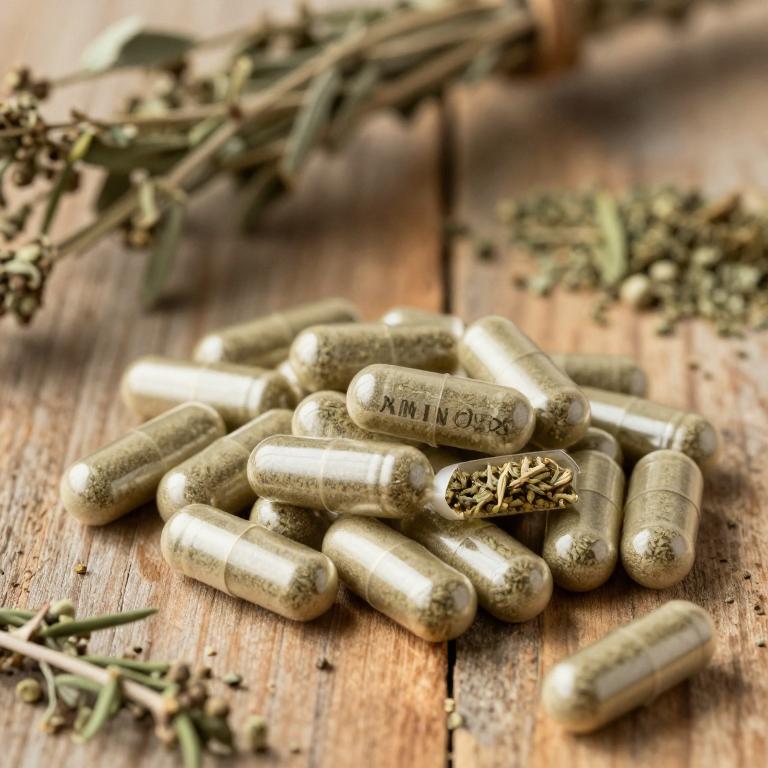
Salvia officinalis, commonly known as sage, has been traditionally used for its anti-inflammatory and antioxidant properties, making it a potential herbal supplement for managing symptoms of ankylosing spondylitis.
Research suggests that the active compounds in sage, such as rosmarinic acid and flavonoids, may help reduce inflammation and pain associated with this chronic inflammatory arthritis. Herbal capsules containing standardized extracts of Salvia officinalis are often used as a complementary therapy alongside conventional treatments to support joint health and mobility. While more clinical studies are needed to confirm its efficacy, some patients report improved comfort and reduced stiffness when incorporating sage into their regimen.
As with any supplement, it is important to consult a healthcare provider before use, especially for individuals with existing medical conditions or those taking medications.
9. St. john's wort (Hypericum perforatum)
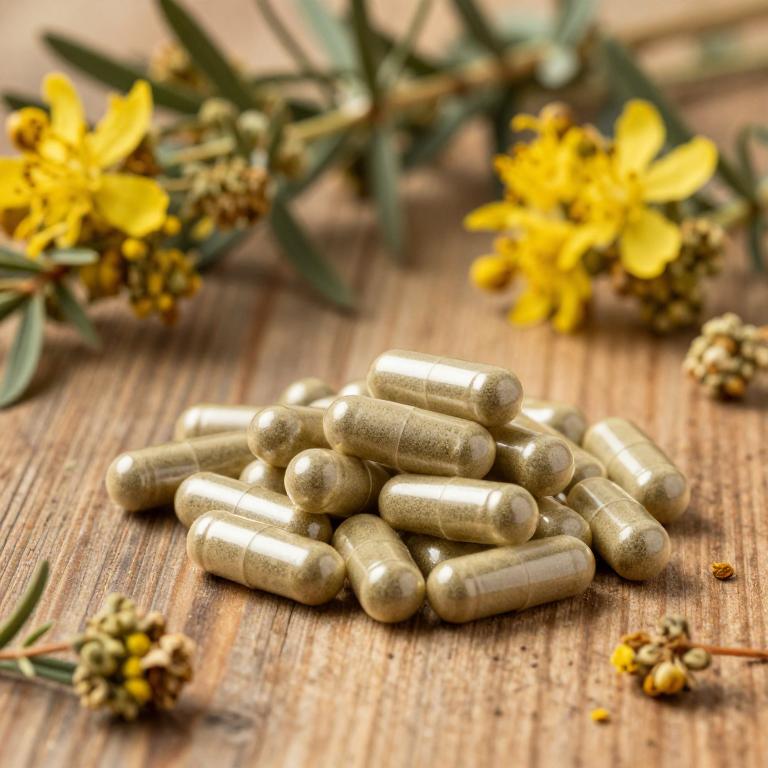
Hypericum perforatum, commonly known as St. John's wort, is an herbal remedy that has been traditionally used for its potential anti-inflammatory and analgesic properties.
While it is well-known for its use in treating mild to moderate depression, recent research suggests it may also have benefits for inflammatory conditions like ankylosing spondylitis. Some studies indicate that the active compounds in Hypericum perforatum, such as hyperforin and hypericin, may help reduce inflammation and pain in the joints, which are key symptoms of ankylosing spondylitis. However, it is important to note that more clinical trials are needed to fully establish its efficacy and safety for this specific condition.
As with any herbal supplement, it should be used under the guidance of a healthcare professional, especially since it can interact with other medications.
10. Black pepper (Piper nigrum)

Piper nigrum, commonly known as black pepper, has been traditionally used in herbal medicine for its anti-inflammatory and analgesic properties.
When formulated into herbal capsules, it may offer potential therapeutic benefits for individuals with ankylosing spondylitis, a chronic inflammatory disease affecting the spine. The active compound, piperine, is believed to enhance the bioavailability of other anti-inflammatory agents and may help reduce pain and stiffness associated with the condition. However, while some preliminary studies suggest its possible efficacy, more clinical research is needed to establish its safety and effectiveness in treating ankylosing spondylitis.
As with any supplement, it is advisable to consult a healthcare professional before incorporating piper nigrum capsules into a treatment regimen.