10 Best Herbal Linctuses For Aging
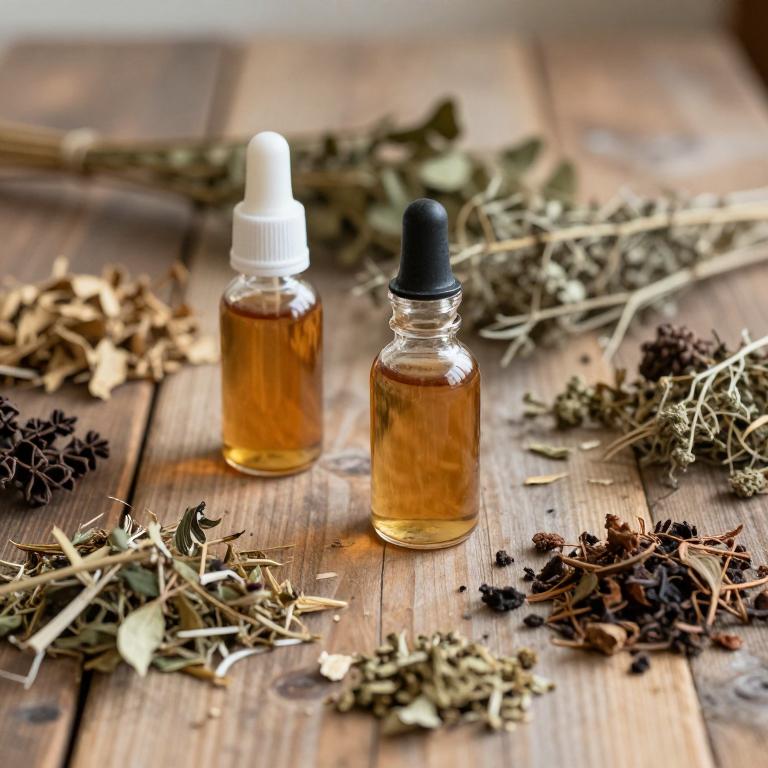
Herbal linctuses are traditional remedies that combine natural herbs with soothing ingredients to alleviate coughs and throat irritation, particularly beneficial for the elderly who may experience chronic respiratory issues.
These formulations often include ingredients like licorice root, marshmallow root, and thyme, which have been historically valued for their anti-inflammatory and expectorant properties. For aging individuals, herbal linctuses can offer a gentler alternative to over-the-counter medications, reducing the risk of side effects associated with synthetic drugs. They are especially useful in managing dry or productive coughs that are common in older adults due to age-related changes in the respiratory system.
When used properly, these natural remedies can support overall respiratory health and comfort in the aging population.
Table of Contents
- 1. Ginger (Zingiber officinale)
- 2. Chaste tree (Vitex agnus-castus)
- 3. Thistle (Silybum marianum)
- 4. Salvia (Salvia officinalis)
- 5. Licorice (Glycyrrhiza glabra)
- 6. Fennel (Foeniculum vulgare)
- 7. Echinacea (Echinacea purpurea)
- 8. Black pepper (Piper nigrum)
- 9. Chamomile (Matricaria chamomilla)
- 10. Stinging nettle (Urtica dioica)
1. Ginger (Zingiber officinale)
Zingiber officinale, commonly known as ginger, has been traditionally used in herbal linctuses to support respiratory health and ease symptoms associated with aging, such as chronic coughing and throat irritation.
The active compounds in ginger, including gingerols and shogaols, possess anti-inflammatory and antioxidant properties that may help reduce oxidative stress and inflammation in the respiratory system. Herbal linctuses containing zingiber officinale are often formulated to provide a soothing effect on the throat while promoting mucus clearance, making them a natural alternative for older adults seeking relief from age-related respiratory discomfort. These formulations are typically prepared with a base of honey or glycerin to enhance palatability and ensure proper consistency for effective delivery.
While generally safe, it is advisable to consult a healthcare provider before using ginger-based linctuses, especially for individuals with existing health conditions or those taking other medications.
2. Chaste tree (Vitex agnus-castus)
Vitex agnus-castus, commonly known as chasteberry, has been traditionally used in herbal medicine for its potential benefits in supporting hormonal balance, particularly in women.
While primarily known for its role in managing menstrual irregularities and menopausal symptoms, vitex agnus-castus may also be incorporated into herbal linctuses for its soothing properties, though its use in this form is less common. These linctuses may help alleviate mild respiratory discomfort by combining vitex with other herbs that have expectorant or anti-inflammatory effects.
However, it is important to consult a healthcare professional before using vitex-based linctuses, especially for aging individuals, to ensure safety and appropriateness for their specific health needs.
3. Thistle (Silybum marianum)
Silybum marianum, commonly known as milk thistle, has been traditionally used for its potential liver-protective properties, and its herbal linctuses are increasingly being explored for their benefits in addressing age-related health concerns.
These linctuses typically contain silymarin, a group of flavonoid compounds known for their antioxidant and anti-inflammatory effects, which may support cellular health and reduce oxidative stress associated with aging. As the body ages, the liver's ability to detoxify and regenerate diminishes, making silymarin a promising supplement for maintaining liver function and overall vitality in older adults. However, while some studies suggest potential benefits, more research is needed to fully understand its efficacy and safety for long-term use in aging populations.
Despite the interest, it is important to consult with a healthcare provider before incorporating silybum marianum linctuses into an anti-aging regimen.
4. Salvia (Salvia officinalis)
Salvia officinalis, commonly known as sage, has been traditionally used in herbal linctuses to support respiratory health and soothe coughs, particularly in aging individuals.
These linctuses often combine sage with other soothing herbs like thyme or licorice root to enhance their effectiveness. The anti-inflammatory and antimicrobial properties of sage may help reduce irritation and infection in the respiratory tract, making it beneficial for older adults who are more susceptible to respiratory issues. Additionally, sage is believed to have a calming effect on the nervous system, which can aid in reducing anxiety-related coughing.
While more research is needed, many holistic practitioners recommend sage-based linctuses as a natural and gentle alternative to conventional cough remedies for the elderly.
5. Licorice (Glycyrrhiza glabra)
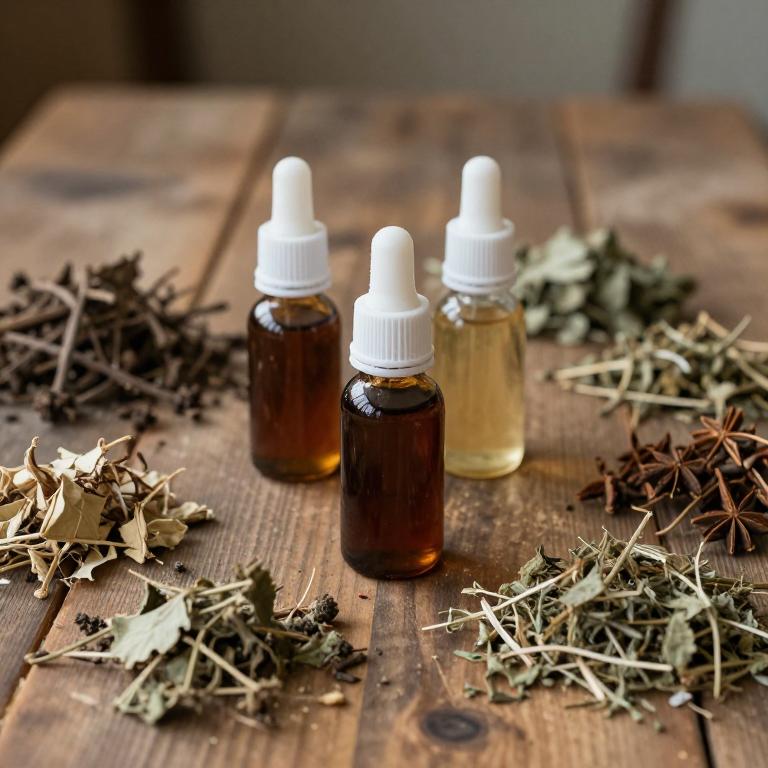
Glycyrrhiza glabra, commonly known as licorice root, has been traditionally used in herbal medicine for its soothing properties, particularly in the form of linctuses for respiratory and throat ailments.
These herbal linctuses are often formulated with glycyrrhizin, a compound that exhibits anti-inflammatory and antiviral effects, which can help alleviate symptoms such as coughing, sore throat, and irritation in the respiratory tract. For aging individuals, licorice-based linctuses may offer additional benefits due to their potential antioxidant properties, which can support overall immune function and tissue health. However, long-term use of licorice root can lead to side effects such as hypertension and electrolyte imbalances, so it should be used with caution, especially in older adults.
As a complementary therapy, glycyrrhiza glabra linctuses may be beneficial when used under the guidance of a healthcare professional to ensure safety and efficacy.
6. Fennel (Foeniculum vulgare)
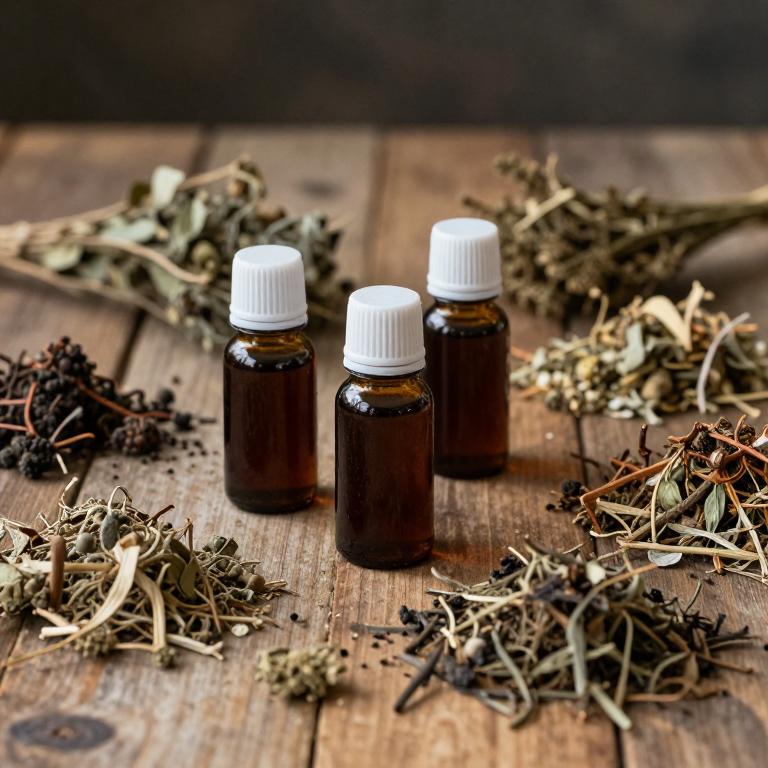
Foeniculum vulgare, commonly known as fennel, has been traditionally used in herbal linctuses to support respiratory health and soothe coughs, particularly in aging individuals.
The essential oils found in fennel, such as anethol and fenchone, possess mild expectorant and antispasmodic properties that may help ease congestion and reduce bronchial irritation. As people age, their respiratory systems become more sensitive, making natural remedies like fennel linctuses a gentle alternative to conventional cough suppressants. These herbal linctuses are often preferred for their mild flavor and low risk of side effects, making them suitable for older adults who may be on multiple medications.
However, it is important to consult a healthcare provider before use, as fennel may interact with certain medications or conditions.
7. Echinacea (Echinacea purpurea)
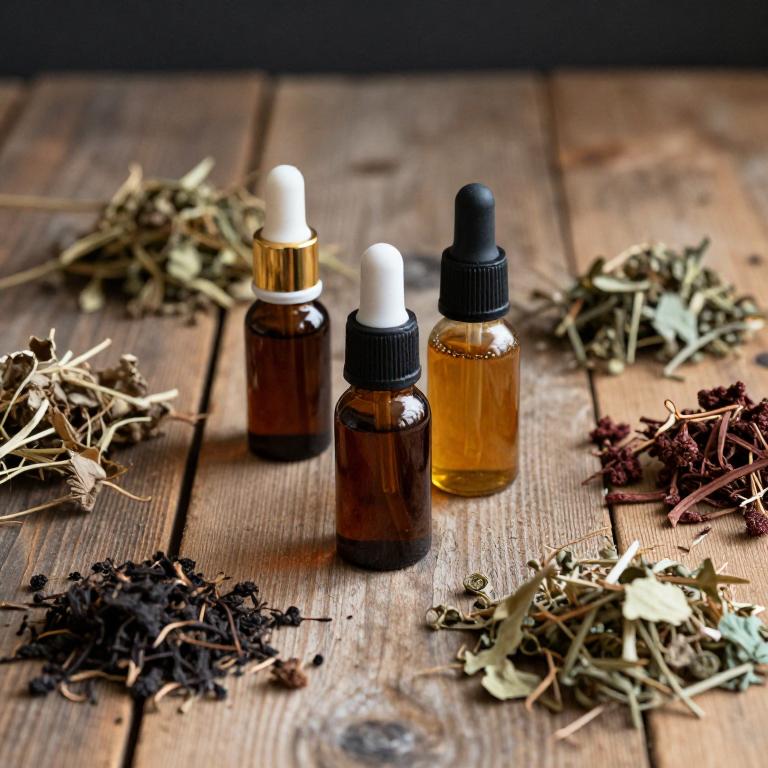
Echinacea purpurea, commonly known as purple coneflower, has been traditionally used for its potential immune-boosting properties, and some herbal linctuses containing this plant may be marketed for their soothing effects on the throat.
While there is limited scientific evidence supporting its effectiveness for aging-related respiratory issues, some studies suggest that echinacea may help reduce the severity and duration of colds, which could be beneficial for older adults with weakened immune systems. Herbal linctuses containing echinacea are often formulated with other soothing ingredients like honey or licorice root to enhance their expectorant and anti-inflammatory properties. However, it is important to note that the safety and efficacy of echinacea for the elderly should be evaluated by a healthcare professional, as it may interact with certain medications or exacerbate existing conditions.
As a result, while echinacea linctuses may offer some comfort, they should be used cautiously and in conjunction with conventional medical treatments for age-related respiratory health.
8. Black pepper (Piper nigrum)
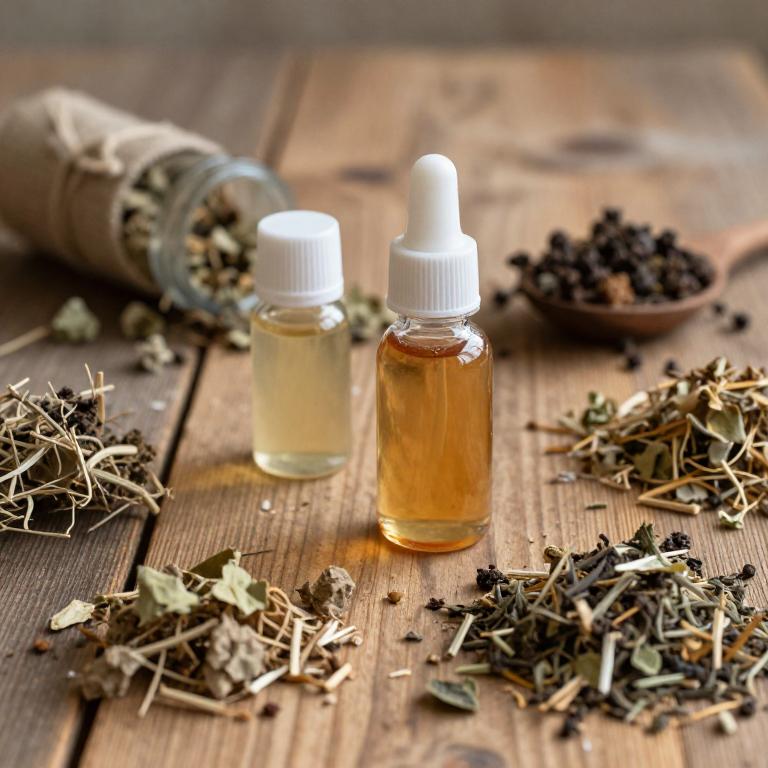
Piper nigrum, commonly known as black pepper, has been traditionally used in herbal medicine for its potential benefits in supporting respiratory health and reducing inflammation.
While primarily known for its use in culinary applications, black pepper extract has been studied for its anti-inflammatory and antioxidant properties, which may help in managing age-related respiratory conditions. Some herbal linctuses incorporating Piper nigrum are formulated to soothe coughs and ease throat irritation, making them a natural alternative for older adults experiencing chronic respiratory issues. However, it is important to consult a healthcare provider before using these linctuses, as they may interact with other medications or have side effects in individuals with pre-existing health conditions.
Despite its traditional use, scientific evidence supporting the efficacy of Piper nigrum in aging populations remains limited, and more research is needed to fully understand its therapeutic potential.
9. Chamomile (Matricaria chamomilla)
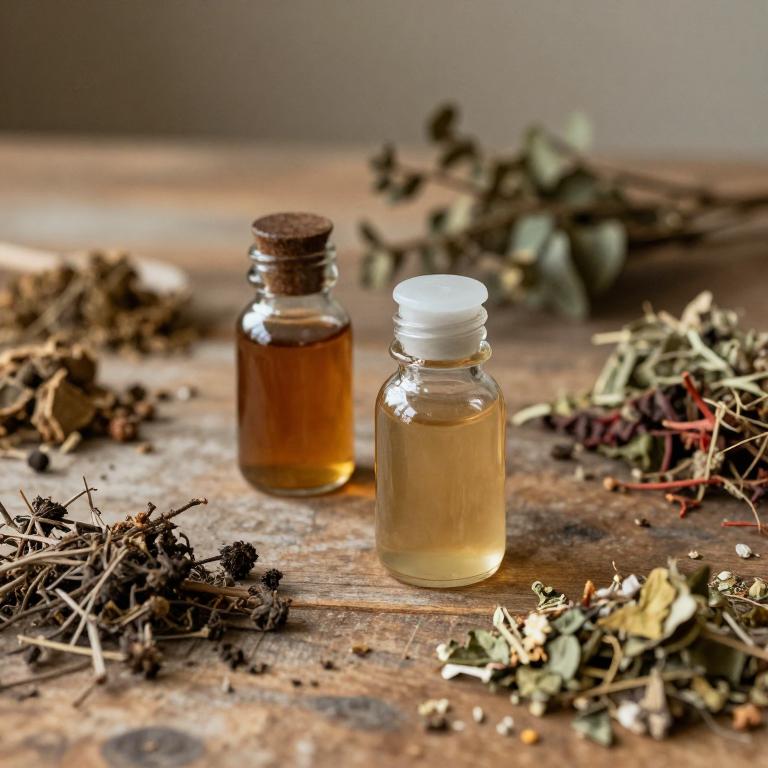
Matricaria chamomilla, commonly known as chamomile, is a herb widely used in traditional medicine for its soothing and anti-inflammatory properties.
Chamomile linctuses, which are herbal syrups, are often recommended for their calming effects on the respiratory system, making them beneficial for alleviating symptoms of aging-related respiratory issues such as dry coughs and throat irritation. These linctuses may help reduce inflammation and ease discomfort in the airways, supporting better breathing and sleep quality in older adults. The presence of essential oils like bisabolol and apigenin in chamomile contributes to its effectiveness in soothing mucous membranes.
When used as part of a holistic approach to aging care, chamomile linctuses can offer a natural and gentle option for managing respiratory discomfort associated with the aging process.
10. Stinging nettle (Urtica dioica)
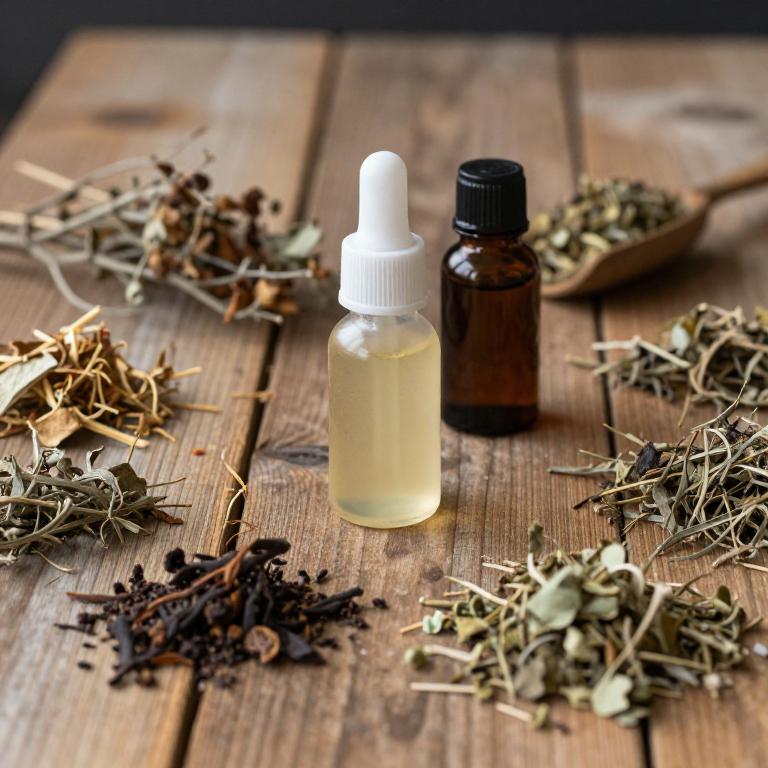
Urtica dioica, commonly known as stinging nettle, has been traditionally used in herbal medicine for its potential health benefits, including its role in supporting respiratory health.
Herbal linctuses containing Urtica dioica are often formulated to soothe coughs and reduce inflammation in the respiratory tract, making them a popular choice for those seeking natural remedies. The plant is rich in antioxidants, vitamins, and minerals, which may contribute to its effectiveness in alleviating symptoms of aging-related respiratory issues. However, while some studies suggest possible benefits, more research is needed to fully understand its efficacy and safety, especially for long-term use.
As with any herbal remedy, it is advisable to consult a healthcare professional before incorporating Urtica dioica linctuses into a wellness routine.