10 Best Herbal Teas For Adrenal Fatigue
Herbal teas are a natural and soothing way to support adrenal function and alleviate symptoms of adrenal fatigue, such as fatigue, anxiety, and mood swings.
Teas like ashwagandha, licorice root, and holy basil are commonly used to help regulate cortisol levels and reduce stress. These herbs are believed to nourish the adrenal glands and promote a more balanced response to stress over time. Many people find that regular consumption of adrenal-supporting herbal teas can enhance energy levels and improve overall well-being.
It's important to consult with a healthcare professional before incorporating new herbal remedies into your routine, especially if you have existing health conditions or are taking medications.
Table of Contents
- 1. Golden root (Rhodiola rosea)
- 2. Chaste tree (Vitex agnus-castus)
- 3. Ashwagandha (Withania somnifera)
- 4. St. john's wort (Hypericum perforatum)
- 5. Heartworts (Leonurus cardiaca)
- 6. Panax ginseng (Panax ginseng)
- 7. Echinacea (Echinacea purpurea)
- 8. Licorice (Glycyrrhiza glabra)
- 9. Black cohosh (Cimicifuga racemosa)
- 10. Thistle (Silybum marianum)
1. Golden root (Rhodiola rosea)
Rhodiola rosea, also known as the golden root, is an adaptogenic herb that has been traditionally used to support energy and reduce stress.
Herbal teas made from rhodiola rosea are particularly beneficial for individuals experiencing adrenal fatigue, as they help to balance the body's response to stress and promote overall vitality. These teas are rich in antioxidants and phytochemicals that may support the adrenal glands in their function of regulating cortisol levels. Regular consumption of rhodiola rosea tea can enhance mental clarity, reduce fatigue, and improve mood, making it a valuable natural remedy for those with chronic stress or adrenal exhaustion.
However, it is important to consult with a healthcare professional before incorporating this herb into one's routine, especially for those with existing health conditions or taking other medications.
2. Chaste tree (Vitex agnus-castus)
Vitex agnus-castus, commonly known as chasteberry, is a traditional herbal remedy often used in herbal teas to support adrenal function and alleviate symptoms of adrenal fatigue.
This herb is believed to help regulate hormonal imbalances, particularly those affecting the hypothalamic-pituitary-adrenal (HPA) axis, which is central to the body's stress response. Herbal teas made from vitex agnus-castus may help reduce stress-related symptoms such as fatigue, mood swings, and irritability by promoting a more balanced hormonal environment. It is typically consumed in moderate amounts and is often combined with other adaptogenic herbs to enhance its supportive effects.
As with any herbal supplement, it is advisable to consult a healthcare provider before use, especially for individuals with existing health conditions or those taking medications.
3. Ashwagandha (Withania somnifera)
Withania somnifera, commonly known as ashwagandha, is a powerful adaptogenic herb that has been traditionally used in Ayurvedic medicine to support overall health and resilience.
When prepared as a herbal tea, ashwagandha can help alleviate symptoms of adrenal fatigue by regulating the body's stress response and promoting hormonal balance. The herb contains bioactive compounds such as withanolides, which have been shown to reduce cortisol levels and enhance energy levels in individuals experiencing chronic stress. Regular consumption of ashwagandha tea may also improve sleep quality and support the nervous system, contributing to better overall recovery from adrenal exhaustion.
However, it is advisable to consult a healthcare professional before incorporating it into a daily routine, especially for those with existing medical conditions or taking medications.
4. St. john's wort (Hypericum perforatum)
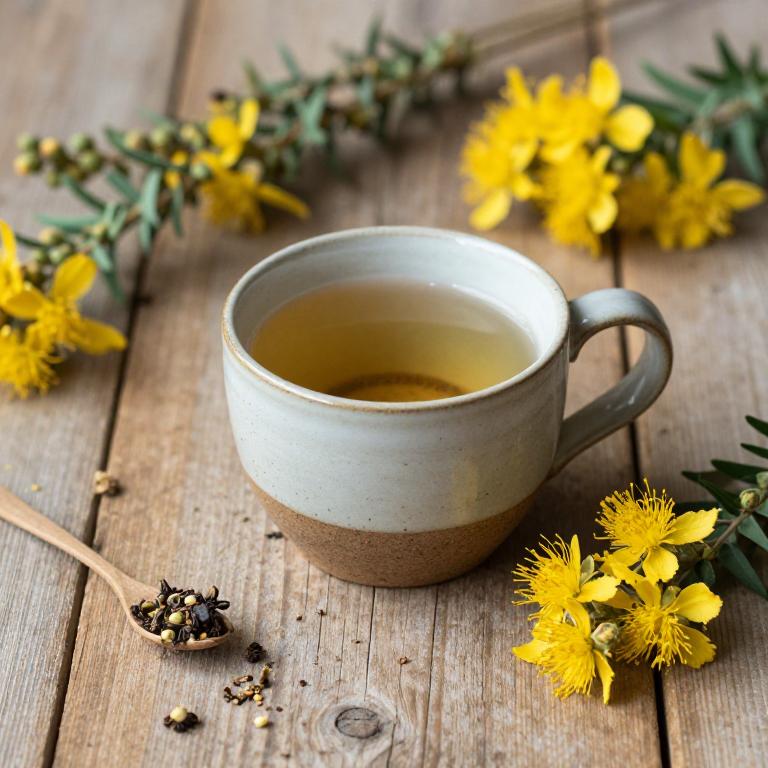
Hypericum perforatum, commonly known as St. John's wort, is a herbal remedy often used in the form of a tea to support adrenal function and alleviate symptoms of adrenal fatigue.
This herb is believed to help regulate the body's stress response by modulating cortisol levels, which can be imbalanced in individuals with adrenal exhaustion. While it may offer mild adaptogenic properties, it is important to note that St. John's wort can interact with various medications and should be used under the guidance of a healthcare professional. When brewed as a tea, it can provide a calming effect and may support overall mood and energy levels in those experiencing adrenal fatigue.
However, its effectiveness can vary, and it should be part of a broader approach to managing adrenal health, including proper nutrition, sleep, and stress management.
5. Heartworts (Leonurus cardiaca)
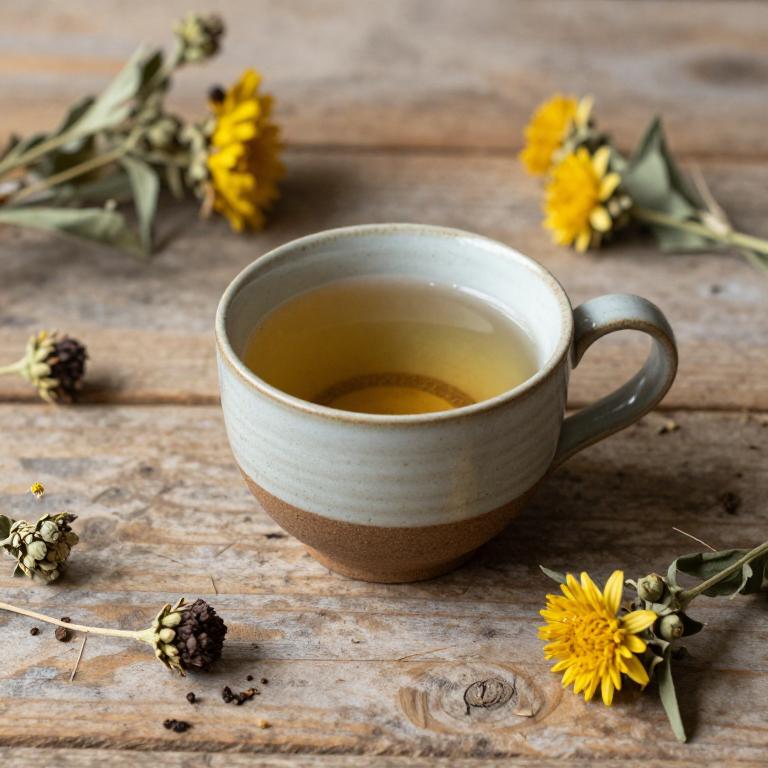
Leonurus cardiaca, commonly known as Motherwort, is a traditional herb often used in herbal teas to support adrenal function and alleviate symptoms of adrenal fatigue.
This herb is believed to have adaptogenic properties that help the body manage stress and balance hormone production, which is particularly beneficial for individuals experiencing chronic fatigue, anxiety, and low energy. When brewed into a calming tea, Leonurus cardiaca can promote relaxation and improve sleep quality, further supporting the body’s natural recovery processes. It is typically consumed in mild doses and is often combined with other herbs like licorice root or ashwagandha to enhance its effects.
However, it is important to consult with a healthcare professional before using Motherwort, especially for those with existing health conditions or who are taking medications.
6. Panax ginseng (Panax ginseng)
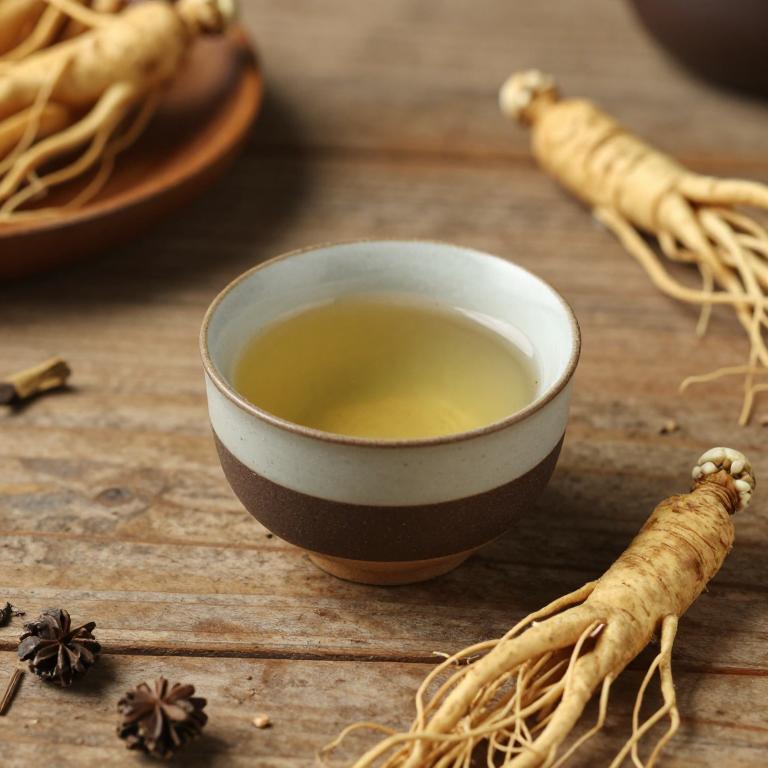
Panax ginseng, a revered adaptogenic herb, is often used in herbal teas to support adrenal function and help manage symptoms of adrenal fatigue.
Rich in ginsenosides, this root helps regulate the body's stress response by enhancing the production of cortisol and other stress-related hormones. Herbal teas made from Panax ginseng can provide a gentle energy boost without the jitters associated with caffeine, making them a popular choice for those experiencing fatigue and low stamina. Regular consumption of Panax ginseng tea may also improve mental clarity, mood, and overall resilience to stress.
However, it is important to consult with a healthcare provider before use, especially for individuals with existing health conditions or those taking medications.
7. Echinacea (Echinacea purpurea)
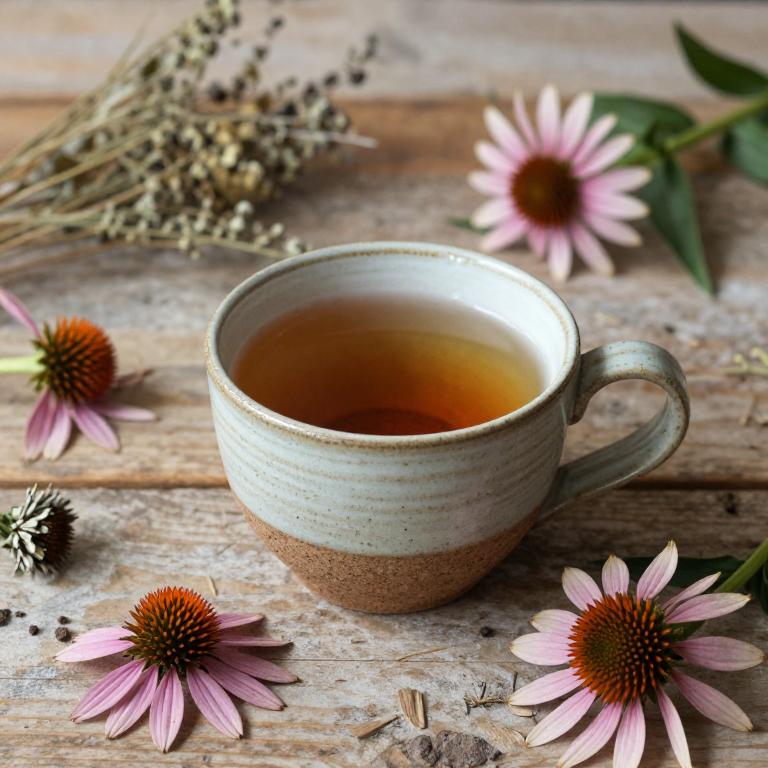
Echinacea purpurea, commonly known as purple coneflower, is often used in herbal teas to support immune function and may offer benefits for individuals experiencing adrenal fatigue.
While research on its direct impact on adrenal health is limited, some studies suggest that echinacea may help reduce stress-related inflammation and support the body's natural response to stress. Herbal teas made from echinacea can be a calming addition to a holistic approach for managing adrenal fatigue, though they should not replace professional medical advice. It is important to consult with a healthcare provider before incorporating echinacea into a regimen, especially for those with existing health conditions or taking medications.
When consumed as part of a balanced herbal routine, echinacea may contribute to overall wellness and resilience during periods of stress.
8. Licorice (Glycyrrhiza glabra)
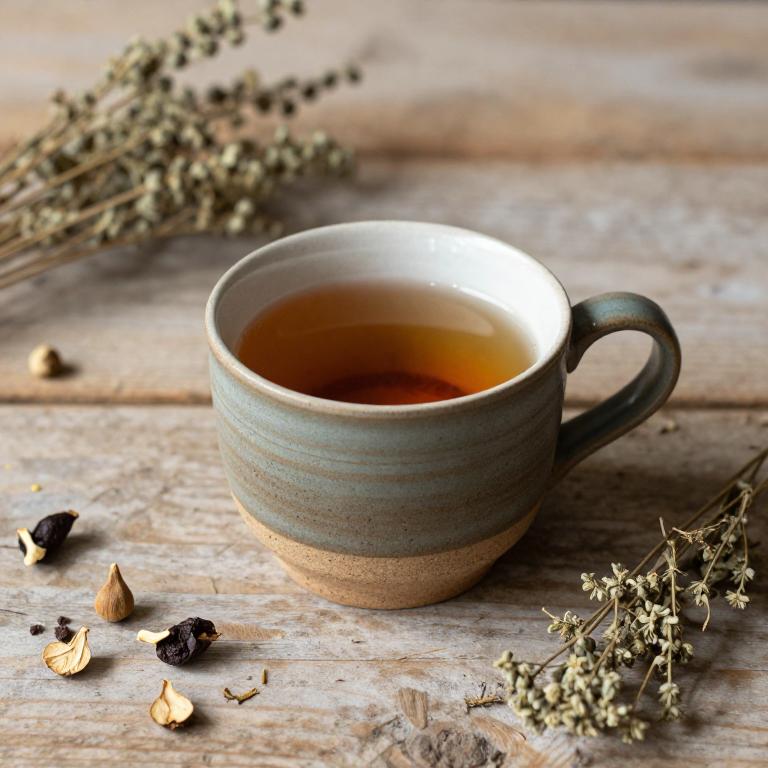
Glycyrrhiza glabra, commonly known as licorice root, is a herbal remedy often used in teas to support adrenal function and alleviate symptoms of adrenal fatigue.
This adaptogenic herb is believed to help regulate the body’s stress response by modulating cortisol levels, which can be beneficial for individuals experiencing chronic stress or fatigue. Licorice root tea may also help improve energy levels, enhance immune function, and reduce inflammation, making it a popular choice in holistic health practices. However, it should be used with caution, as excessive consumption can lead to increased blood pressure and other side effects.
It is best to consult with a healthcare professional before incorporating licorice root tea into a regimen for adrenal support.
9. Black cohosh (Cimicifuga racemosa)
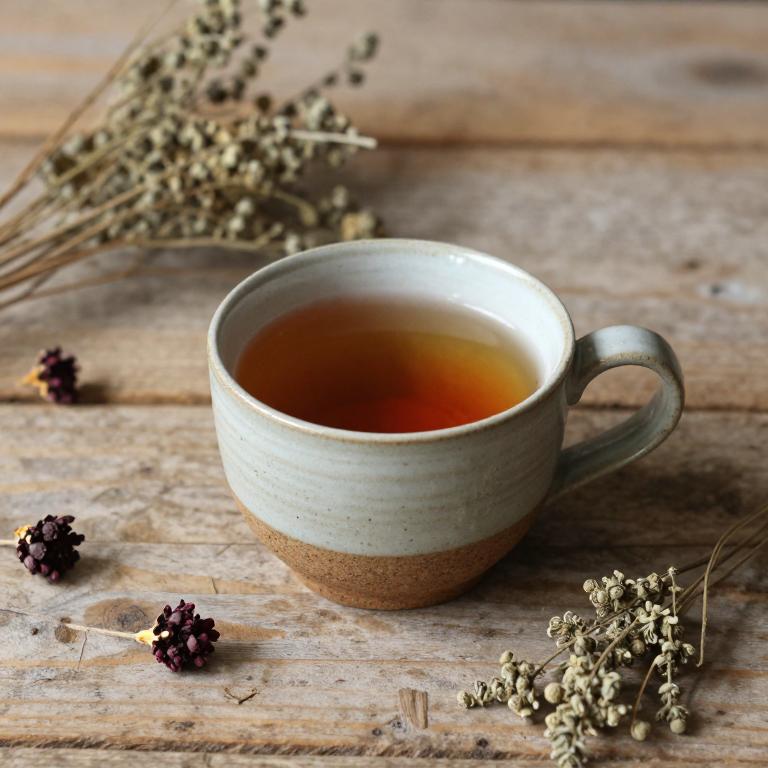
Cimicifuga racemosa, commonly known as black cohosh, is a herbal remedy often used in the form of tea to support adrenal function and alleviate symptoms of adrenal fatigue.
This herb is traditionally valued for its adaptogenic properties, which help the body manage stress and restore balance to the adrenal glands. When brewed into a tea, cimicifuga racemosa may help reduce feelings of fatigue, irritability, and low energy commonly associated with adrenal exhaustion. However, it is important to consult with a healthcare provider before using this herb, especially for individuals with hormone-sensitive conditions or those taking medications.
While some studies suggest potential benefits, more research is needed to fully understand its efficacy and safety in treating adrenal fatigue.
10. Thistle (Silybum marianum)
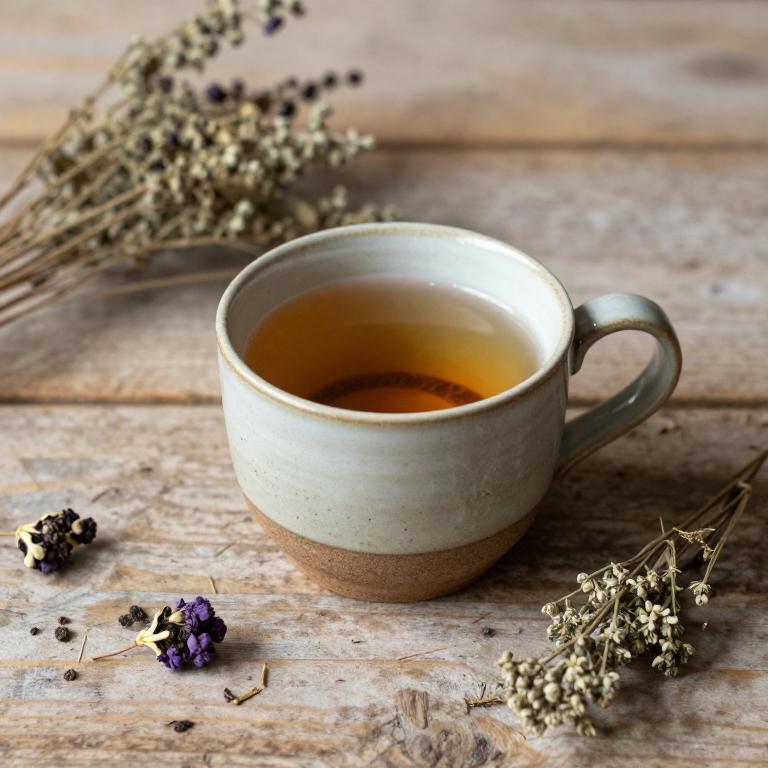
Silybum marianum, commonly known as milk thistle, is a herbal remedy often used in the form of tea to support adrenal function and alleviate symptoms of adrenal fatigue.
This herb is rich in antioxidants, particularly silymarin, which may help protect and regenerate liver cells, indirectly supporting overall hormonal balance. While primarily known for its liver benefits, milk thistle tea is believed to aid in reducing stress and fatigue by supporting the adrenal glands' ability to manage cortisol levels. Some studies suggest that its adaptogenic properties may help the body better cope with stress, making it a popular choice for those experiencing chronic fatigue.
However, it is important to consult a healthcare professional before using milk thistle, especially if you are on medication or have underlying health conditions.