10 Best Herbal Mucillages For Adrenal Fatigue
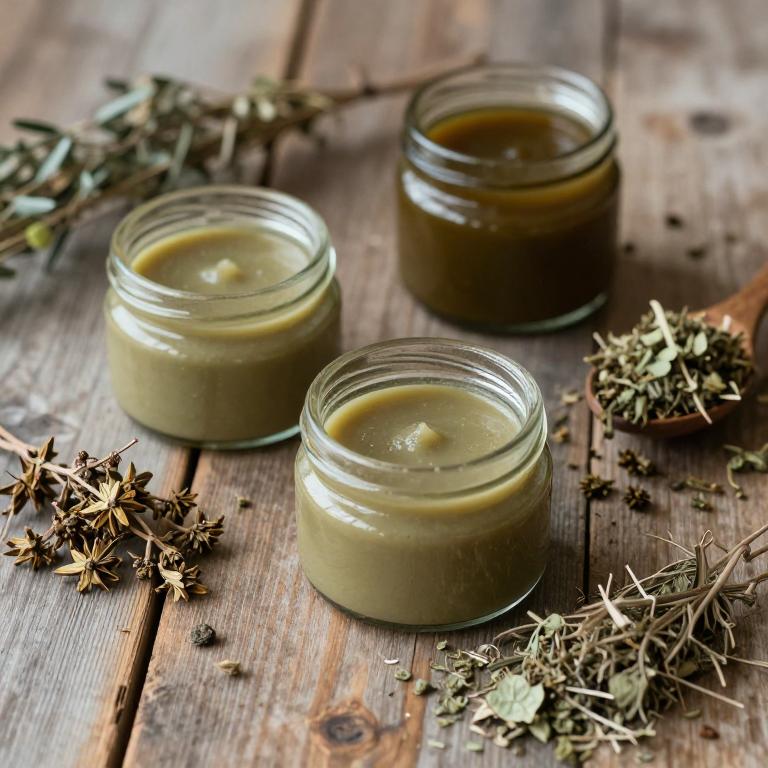
Herbal mucillages, such as those found in plants like slippery elm, psyllium, and marshmallow root, are known for their soothing and protective properties that can support adrenal function in cases of adrenal fatigue.
These mucilaginous substances form a gel-like barrier when mixed with water, which can help reduce inflammation and irritation in the digestive tract, thereby supporting nutrient absorption and overall system balance. While they are not a direct treatment for adrenal fatigue, they can aid in reducing stress-related digestive issues and support the body's natural healing processes. Many individuals with adrenal fatigue also experience digestive sensitivity, making mucillages a beneficial complementary therapy.
Incorporating these herbs into a balanced diet, alongside other adrenal-supporting nutrients and lifestyle changes, may contribute to improved energy levels and overall well-being.
Table of Contents
- 1. Golden root (Rhodiola rosea)
- 2. Chaste tree (Vitex agnus-castus)
- 3. Ashwagandha (Withania somnifera)
- 4. Echinacea (Echinacea purpurea)
- 5. Panax ginseng (Panax ginseng)
- 6. Maca (Lepidium meyenii)
- 7. Oat (Avena sativa)
- 8. St. john's wort (Hypericum perforatum)
- 9. Heartworts (Leonurus cardiaca)
- 10. Asparagus (Asparagus officinalis)
1. Golden root (Rhodiola rosea)
Rhodiola rosea, a adaptogenic herb, contains mucillages that support adrenal function and help manage adrenal fatigue by enhancing the body's ability to cope with stress.
These mucillages are rich in polysaccharides and other bioactive compounds that may promote hormonal balance and improve energy levels in individuals experiencing chronic fatigue. Research suggests that the mucillages in Rhodiola rosea may help regulate cortisol levels, which are often disrupted in cases of adrenal fatigue. By reducing oxidative stress and supporting mitochondrial function, these mucillages contribute to overall resilience and recovery from stress-related exhaustion.
Incorporating Rhodiola rosea mucillages into a wellness routine may offer a natural and supportive approach to managing adrenal fatigue and restoring vitality.
2. Chaste tree (Vitex agnus-castus)
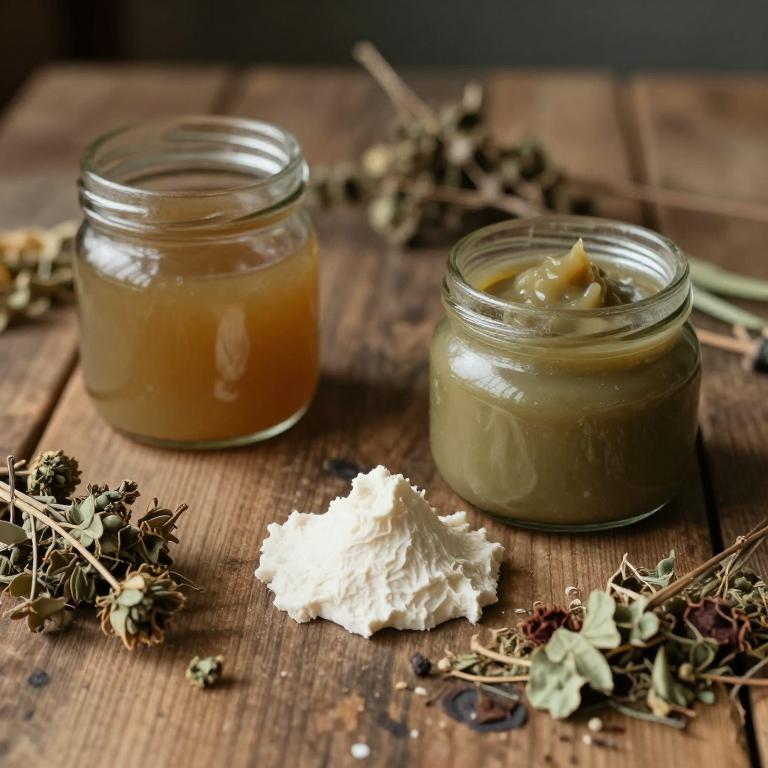
Vitex agnus-castus, commonly known as chasteberry, contains mucillages that may support adrenal function by helping to balance hormonal fluctuations associated with adrenal fatigue.
These mucillages act as a soothing agent, potentially reducing inflammation and irritation in the digestive tract, which can indirectly support overall adrenal health. While mucillages themselves are not directly stimulatory to the adrenal glands, they may aid in the absorption of nutrients and phytochemicals that are beneficial for adrenal recovery. Some traditional and herbal medicine practices suggest that the mucilage content in vitex can contribute to a calming effect on the nervous system, which is often stressed in individuals with adrenal fatigue.
As with any herbal remedy, it is advisable to consult a healthcare professional before incorporating vitex agnus-castus into a treatment plan for adrenal support.
3. Ashwagandha (Withania somnifera)
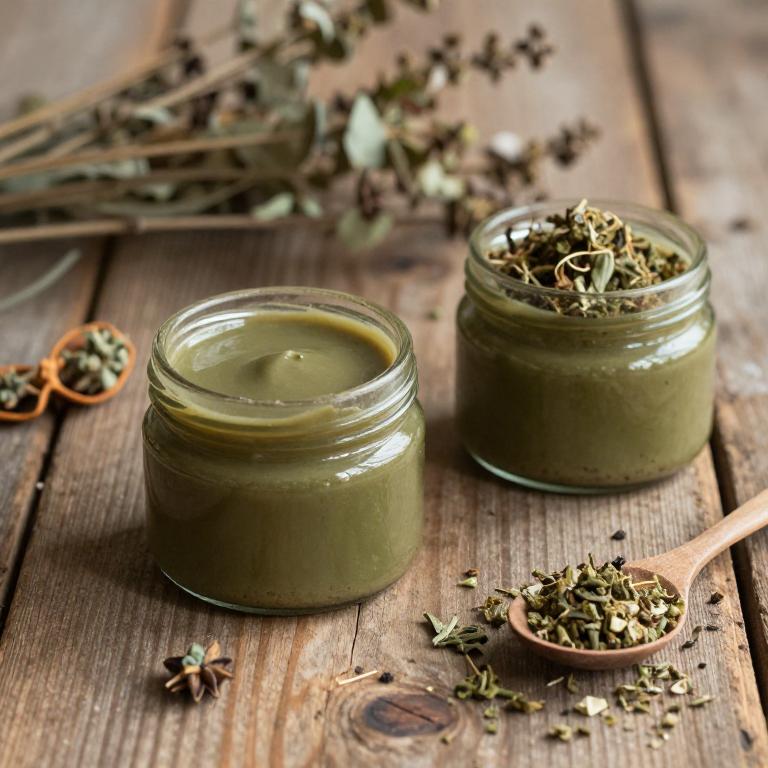
Withania somnifera, commonly known as ashwagandha, contains mucilaginous compounds that have shown potential in supporting adrenal function and alleviating symptoms of adrenal fatigue.
These mucillages, which are gel-like substances, are believed to have a soothing effect on the body, helping to reduce stress and promote a sense of calm. The mucilages may also aid in nourishing and protecting the adrenal glands by providing essential nutrients and antioxidants. Research suggests that the combination of mucillages and other active compounds in ashwagandha can help regulate cortisol levels and improve energy levels in individuals with adrenal fatigue.
As a result, incorporating Withania somnifera mucillages into a holistic treatment plan may offer a natural and supportive approach to managing adrenal fatigue.
4. Echinacea (Echinacea purpurea)
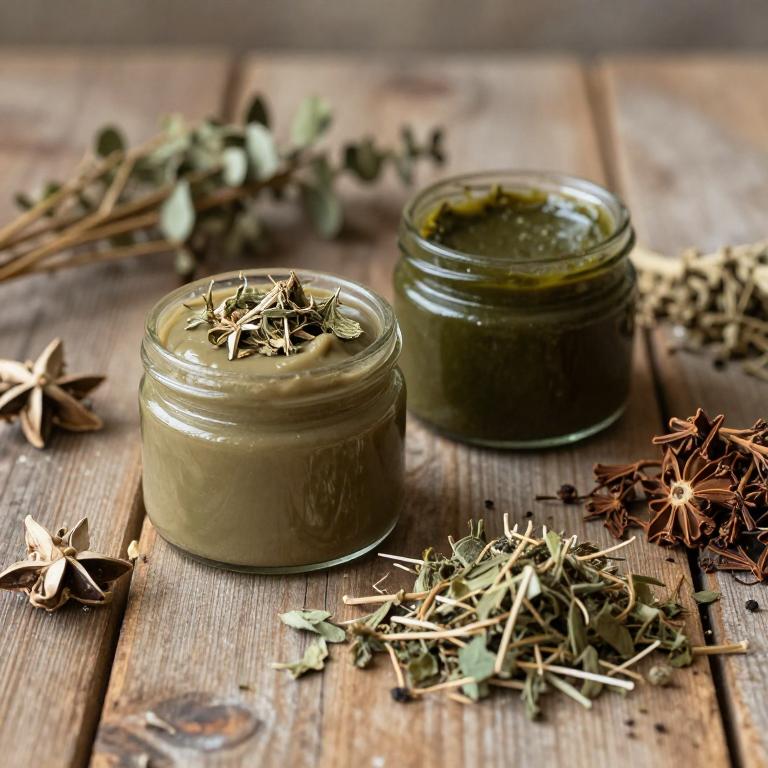
Echinacea purpurea, commonly known as purple coneflower, contains mucilaginous compounds that have been studied for their potential benefits in supporting adrenal function during periods of fatigue.
These mucillages, which are gel-like substances, help to soothe and nourish the digestive tract, potentially improving nutrient absorption and overall vitality. While research on echinacea's direct impact on adrenal fatigue is limited, its anti-inflammatory and immune-modulating properties may indirectly support adrenal health by reducing systemic stress. Some traditional herbal practitioners recommend echinacea mucillages as a supportive remedy to help the body manage chronic fatigue and stress.
However, it is important to consult with a healthcare professional before using echinacea, especially for individuals with autoimmune conditions or those taking other medications.
5. Panax ginseng (Panax ginseng)
Panax ginseng, a well-known adaptogenic herb, contains various bioactive compounds, including mucillages, which are gel-like substances that may support adrenal function in cases of adrenal fatigue.
These mucillages are rich in polysaccharides and other nutrients that can help nourish and support the adrenal glands, which are often overworked in individuals experiencing chronic stress. By promoting a balanced response to stress, Panax ginseng mucillages may help regulate cortisol levels and improve energy levels in those with adrenal fatigue. Additionally, these mucillages have mild demulcent properties that can soothe the digestive system, potentially enhancing overall nutrient absorption.
While more research is needed, preliminary studies suggest that incorporating Panax ginseng mucillages into a holistic treatment plan may offer supportive benefits for adrenal health.
6. Maca (Lepidium meyenii)
Lepidium meyenii, commonly known as maca, contains mucillages that may support adrenal function and help alleviate symptoms of adrenal fatigue.
These mucillages are rich in polysaccharides and other bioactive compounds that can enhance energy levels and improve stress resilience. The soothing properties of maca's mucillages may help regulate the hypothalamic-pituitary-adrenal (HPA) axis, which is central to managing stress and fatigue. Some studies suggest that maca can improve mood, reduce fatigue, and enhance overall vitality in individuals experiencing adrenal exhaustion.
While more research is needed, preliminary evidence indicates that maca's mucillages may be a natural supplement supporting adrenal health and recovery.
7. Oat (Avena sativa)
Avena sativa, commonly known as oatmeal, contains herbal mucillages that have been traditionally used to support adrenal function and help alleviate symptoms of adrenal fatigue.
These mucillages, which are rich in soluble fiber and nutrients, can help nourish and soothe the adrenal glands, promoting a more balanced hormonal response. The soothing properties of avena sativa mucillages may aid in reducing inflammation and supporting the body’s natural stress response. Additionally, the presence of vitamins, minerals, and antioxidants in these mucillages contributes to overall adrenal health and resilience.
Regular consumption of avena sativa mucillages may therefore serve as a natural and supportive remedy for individuals experiencing adrenal fatigue.
8. St. john's wort (Hypericum perforatum)
Hypericum perforatum, commonly known as St. John's Wort, contains mucillages that contribute to its therapeutic effects in supporting adrenal fatigue.
These mucillages are rich in polysaccharides and other bioactive compounds that help soothe inflammation and support tissue repair, which can be beneficial for individuals experiencing stress-related adrenal exhaustion. The mucillages may also aid in nutrient absorption and provide a protective coating for the digestive tract, enhancing overall systemic wellness. While St. John's Wort is primarily known for its antidepressant properties, the mucillages may play a role in supporting adrenal function by promoting a balanced physiological response to stress.
As with any herbal remedy, it is important to consult a healthcare professional before use, especially for those taking other medications or with existing health conditions.
9. Heartworts (Leonurus cardiaca)
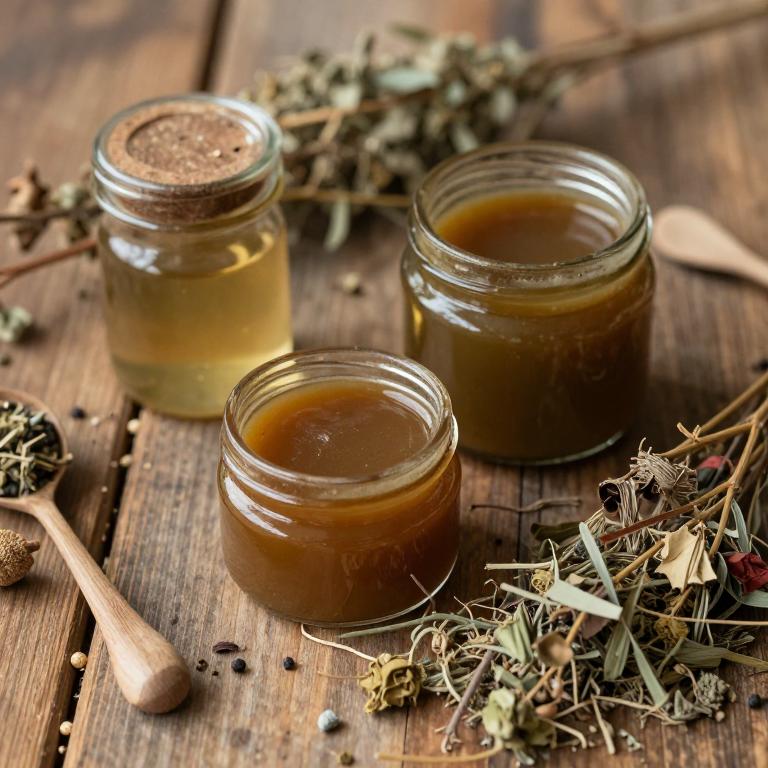
Leonurus cardiaca, commonly known as heartworts, contains mucillages that have been traditionally used to support adrenal function and alleviate symptoms of adrenal fatigue.
These mucillages, which are gel-like substances, are rich in polysaccharides and have a high water-binding capacity, which can aid in hydration and nutrient absorption. In the context of adrenal fatigue, the mucillages may help to nourish and support the adrenal glands by providing a soothing and nourishing effect. They are often used in herbal formulations to promote overall vitality and balance in individuals experiencing chronic stress or fatigue.
While more research is needed, some practitioners recommend Leonurus cardiaca mucillages as a complementary therapy for adrenal support.
10. Asparagus (Asparagus officinalis)
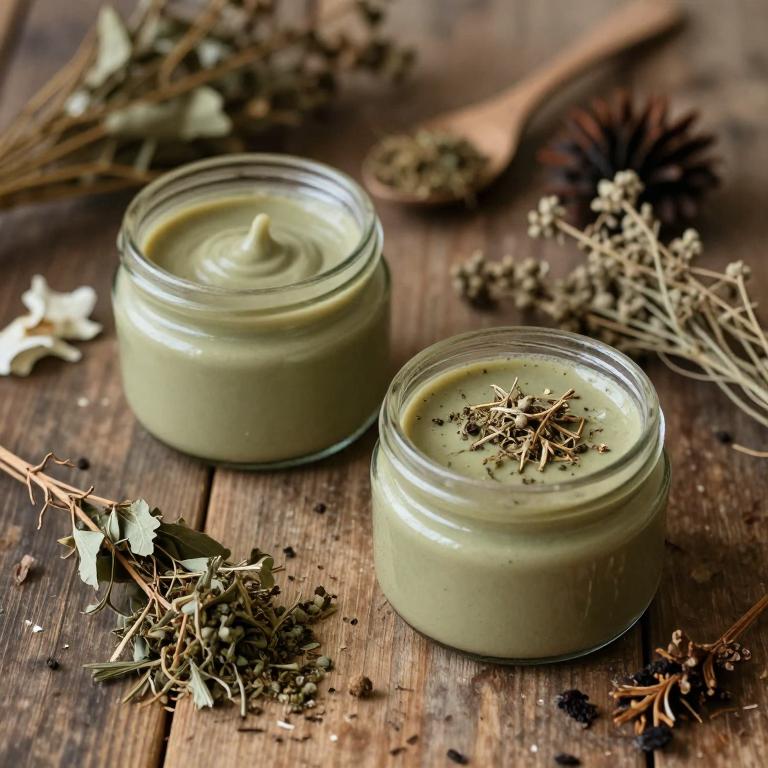
Asparagus officinalis, commonly known as asparagus, contains herbal mucillages that are believed to support adrenal function and aid in managing adrenal fatigue.
These mucillages, which are viscous and gel-like substances, help to soothe and nourish the adrenal glands, potentially reducing stress-related exhaustion. The mucilaginous properties of asparagus may also support the body's detoxification processes, which are often impaired in individuals with adrenal fatigue. Additionally, asparagus is rich in minerals like potassium and magnesium, which are essential for maintaining proper adrenal function and electrolyte balance.
Overall, asparagus officinalis may serve as a natural supportive remedy for those experiencing symptoms of adrenal fatigue when used as part of a holistic health approach.