10 Best Herbal Essential Oils For Adrenal Fatigue
Herbal essential oils can play a supportive role in managing adrenal fatigue by promoting relaxation, balancing stress responses, and enhancing overall vitality.
Oils such as lavender, chamomile, and ylang-ylang are known for their calming properties, which can help reduce cortisol levels and ease the symptoms of chronic stress. Additionally, adaptogenic oils like ashwagandha and holy basil may help the body better cope with stress and support adrenal function. When used in aromatherapy, diffusion, or topical application, these essential oils can provide a natural and holistic approach to adrenal support.
However, it is important to use them safely and consult with a healthcare professional, especially for individuals with existing health conditions or those taking medications.
Table of Contents
- 1. Golden root (Rhodiola rosea)
- 2. Ashwagandha (Withania somnifera)
- 3. Panax ginseng (Panax ginseng)
- 4. Turmeric (Curcuma longa)
- 5. Chaste tree (Vitex agnus-castus)
- 6. Black cohosh (Cimicifuga racemosa)
- 7. Heartworts (Leonurus cardiaca)
- 8. Echinacea (Echinacea purpurea)
- 9. Lemon balm (Melissa officinalis)
- 10. Licorice (Glycyrrhiza glabra)
1. Golden root (Rhodiola rosea)
Rhodiola rosea, often referred to as the "golden root," is a powerful adaptogenic herb known for its ability to support the body's response to stress.
Its essential oils, derived from the plant's root, contain bioactive compounds such as rosavins and salidrosides, which are believed to enhance energy production and mental clarity. These oils are particularly beneficial for individuals experiencing adrenal fatigue, as they help regulate the hypothalamic-pituitary-adrenal (HPA) axis and support the adrenal glands in their recovery. When used aromatically or topically, rhodiola rosea essential oils can promote relaxation and reduce feelings of exhaustion.
However, it is important to use these oils responsibly, as they are potent and should be diluted properly before application to avoid skin irritation.
2. Ashwagandha (Withania somnifera)
Withania somnifera, commonly known as ashwagandha, is an adaptogenic herb that has been traditionally used in Ayurvedic medicine to support overall health and resilience.
Its essential oils, derived from the plant’s leaves and roots, contain bioactive compounds such as withanolides, which are believed to have potent anti-stress and immune-modulating properties. These oils may help alleviate symptoms of adrenal fatigue by regulating the body’s stress response and supporting hormonal balance. Studies suggest that ashwagandha can reduce cortisol levels, thereby assisting the adrenal glands in functioning more efficiently under stress.
When used as part of a holistic approach, Withania somnifera essential oils may offer natural support for individuals experiencing chronic fatigue and stress-related disorders.
3. Panax ginseng (Panax ginseng)
Panax ginseng, a well-known adaptogenic herb, has been traditionally used to support energy levels and reduce stress, making it a potential candidate for addressing adrenal fatigue.
Its active compounds, known as ginsenosides, are believed to help regulate the body's stress response and support adrenal function by modulating cortisol levels. While Panax ginseng is often consumed as a root or in capsule form, some formulations may include its essential oils, which are extracted through distillation and used in aromatherapy. These essential oils may offer similar stress-reducing benefits when inhaled, potentially aiding in the management of adrenal fatigue symptoms.
However, it is important to consult with a healthcare professional before using Panax ginseng essential oils, as they can interact with certain medications and may not be suitable for everyone.
4. Turmeric (Curcuma longa)
Curcuma longa, commonly known as turmeric, contains curcumin, a compound that has been studied for its potential benefits in supporting adrenal function and managing adrenal fatigue.
While curcumin is primarily known for its anti-inflammatory and antioxidant properties, some research suggests it may help regulate stress responses and support hormonal balance, which are key factors in adrenal health. Essential oils derived from Curcuma longa, such as turmeric oil, can be used aromatically or topically to promote relaxation and reduce stress, which may indirectly support adrenal recovery. However, it is important to note that essential oils should be used cautiously and diluted properly, as they can be potent and may cause skin irritation if not handled correctly.
Overall, while Curcuma longa essential oils may offer supportive benefits for adrenal fatigue, they should be used as part of a holistic approach that includes proper nutrition, sleep, and stress management.
5. Chaste tree (Vitex agnus-castus)
Vitex agnus-castus, commonly known as chaste tree, is often used in herbal medicine to support adrenal function and help manage symptoms of adrenal fatigue.
Its essential oil, derived from the plant's flowers, contains compounds like linalool and geraniol, which are known for their calming and adaptogenic properties. These oils may help regulate the hypothalamic-pituitary-adrenal (HPA) axis, which plays a key role in stress response and hormonal balance. When used in aromatherapy or diluted for topical application, Vitex essential oil may assist in reducing stress and supporting the body's natural ability to recover from fatigue.
However, it is important to consult with a qualified healthcare practitioner before using these oils, especially for individuals with existing health conditions or those taking medications.
6. Black cohosh (Cimicifuga racemosa)
Cimicifuga racemosa, commonly known as black cohosh, is a herbal remedy that has been traditionally used to support hormonal balance and alleviate symptoms associated with menopause.
While it is primarily recognized for its role in managing female hormonal issues, some studies suggest that its essential oils may also have potential benefits for adrenal function. The essential oils derived from Cimicifuga racemosa contain compounds such as triterpenes and phenolic acids, which may help support the adrenal glands by reducing stress-related fatigue and promoting a sense of well-being. These oils are often used in aromatherapy and may help ease the symptoms of adrenal fatigue by enhancing mood and energy levels.
However, it is important to consult with a healthcare professional before using these oils, especially for individuals with existing health conditions or those taking other medications.
7. Heartworts (Leonurus cardiaca)
Leonurus cardiaca, also known as heartwort, contains essential oils that have been traditionally used to support adrenal function and alleviate symptoms of adrenal fatigue.
These oils, rich in bioactive compounds like linalool and eucalyptol, may help regulate stress responses and enhance energy levels by supporting the adrenal glands' ability to produce hormones. Studies suggest that the aromatic properties of Leonurus cardiaca essential oils can promote relaxation and improve mood, which are essential for recovery from chronic stress. When used in aromatherapy or diluted topical applications, these oils may offer a natural complement to holistic adrenal support regimens.
However, it is important to consult with a healthcare professional before using these oils, especially for individuals with existing health conditions or those taking medications.
8. Echinacea (Echinacea purpurea)
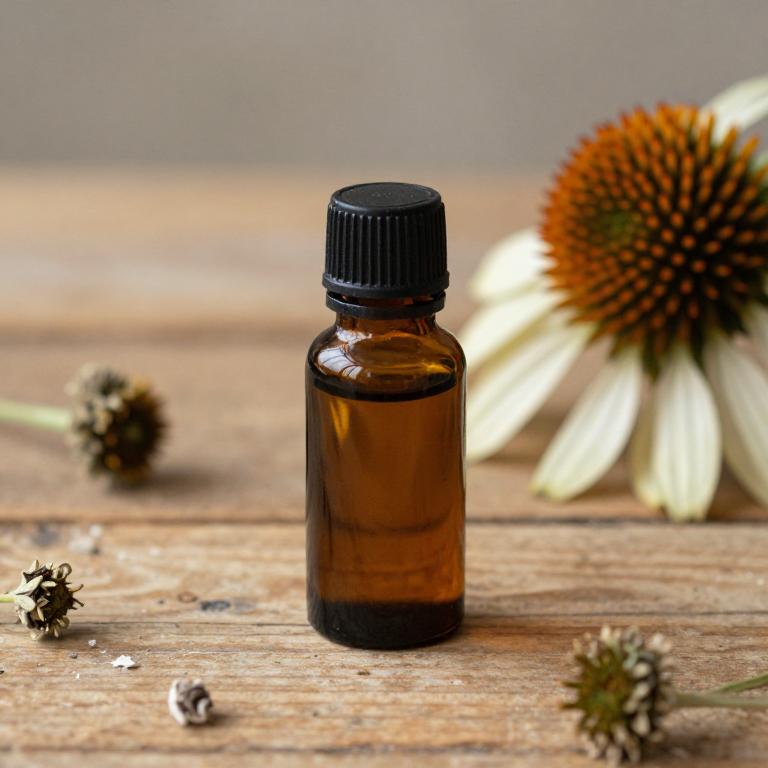
Echinacea purpurea, commonly known as purple coneflower, is often used in herbal medicine for its immune-boosting properties, but its essential oils have also been explored for their potential support in managing adrenal fatigue.
The essential oils derived from Echinacea purpurea contain bioactive compounds such as alkamides, flavonoids, and polysaccharides, which may help regulate stress response and support adrenal function. These oils are believed to promote balance in the hypothalamic-pituitary-adrenal (HPA) axis, which is crucial for managing chronic stress and fatigue. However, while some studies suggest potential benefits, more research is needed to fully understand their efficacy and safety for adrenal support.
When using Echinacea essential oils, it is important to consult with a qualified healthcare provider to ensure proper usage and avoid potential interactions.
9. Lemon balm (Melissa officinalis)
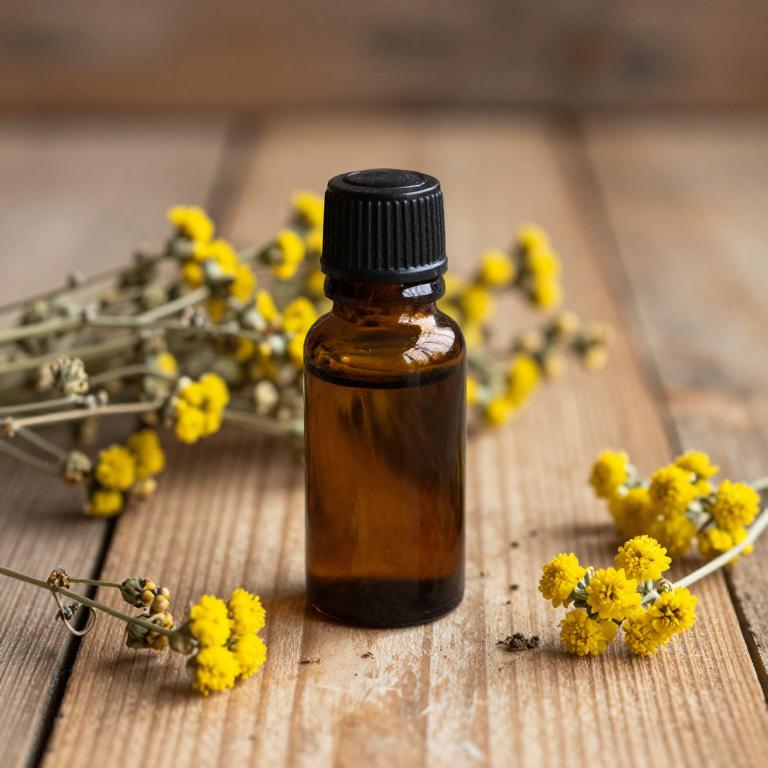
Melissa officinalis, commonly known as lemon balm, is a popular herb used in the production of essential oils that may support adrenal function and help alleviate symptoms of adrenal fatigue.
The essential oil derived from Melissa officinalis is known for its calming and soothing properties, which can help reduce stress and promote a sense of well-being. When used aromatically or in diffused form, it may help regulate the body's stress response and support the adrenal glands in maintaining hormonal balance. Some studies suggest that the compounds in lemon balm essential oil may have adaptogenic properties, aiding the body in coping with stress and fatigue.
However, it is important to consult with a qualified aromatherapist or healthcare professional before using essential oils, especially for individuals with adrenal fatigue, to ensure safe and effective use.
10. Licorice (Glycyrrhiza glabra)
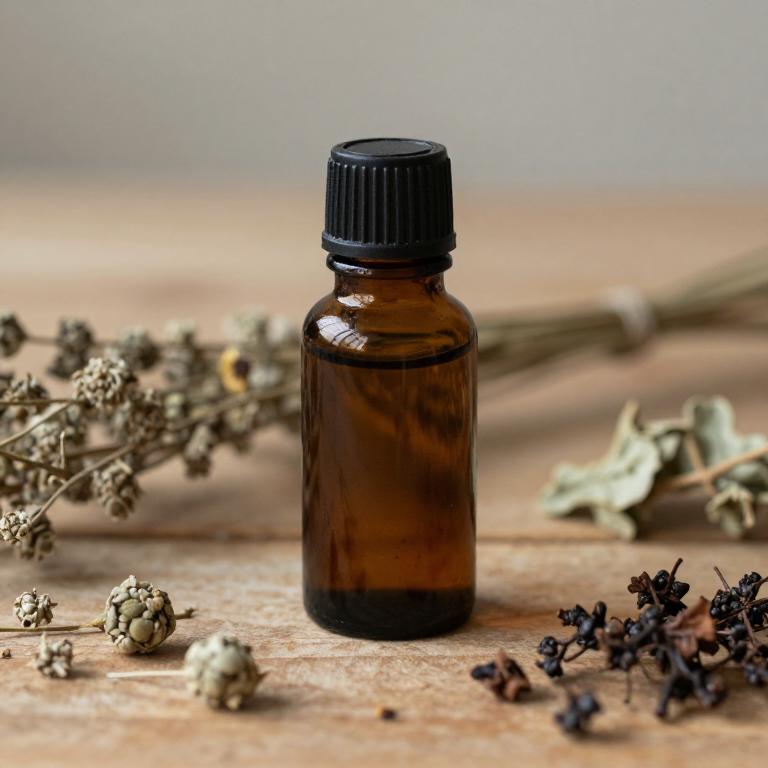
Glycyrrhiza glabra, commonly known as licorice root, contains various bioactive compounds that may support adrenal function and help alleviate symptoms of adrenal fatigue.
The essential oils derived from this plant include compounds such as linalool and geraniol, which have mild adaptogenic properties that may help the body manage stress more effectively. These oils are often used in aromatherapy to promote relaxation and balance, which can be beneficial for individuals experiencing chronic fatigue and stress-related symptoms. However, due to the potential for stimulating cortisol production, glycyrrhiza glabra essential oils should be used with caution and under the guidance of a qualified herbalist or healthcare provider.
Overall, while not a direct treatment for adrenal fatigue, licorice root essential oils may complement other therapeutic approaches in supporting adrenal health.