10 Best Herbal Decoctions For Adrenal Fatigue
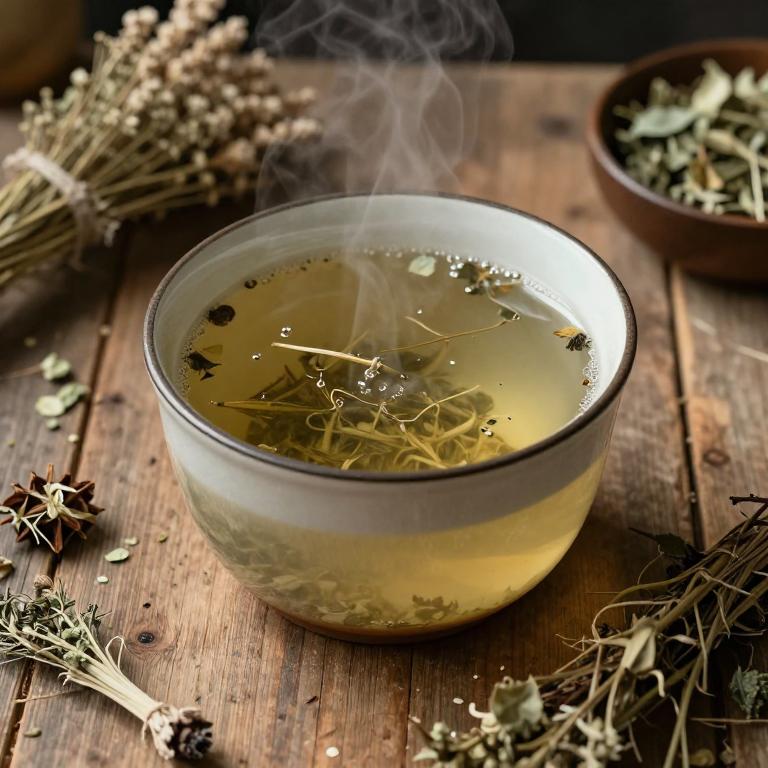
Herbal decoctions for adrenal fatigue often include adaptogenic herbs such as ashwagandha, rhodiola rosea, and licorice root, which are traditionally used to support the body's ability to manage stress.
These herbs work by modulating the hypothalamic-pituitary-adrenal (HPA) axis, helping to restore balance to the adrenal glands. To prepare a decoction, the herbs are typically simmered in water for an extended period to extract their active compounds. Many individuals find that regular consumption of these herbal decoctions can help alleviate symptoms such as fatigue, irritability, and difficulty concentrating.
However, it is important to consult with a healthcare professional before starting any herbal regimen, especially for those with existing medical conditions or who are taking other medications.
Table of Contents
- 1. Golden root (Rhodiola rosea)
- 2. Ashwagandha (Withania somnifera)
- 3. Chaste tree (Vitex agnus-castus)
- 4. Panax ginseng (Panax ginseng)
- 5. St. john's wort (Hypericum perforatum)
- 6. Black cohosh (Cimicifuga racemosa)
- 7. Licorice (Glycyrrhiza glabra)
- 8. Heartworts (Leonurus cardiaca)
- 9. Echinacea (Echinacea purpurea)
- 10. Chinese magnolia vine (Schisandra chinensis)
1. Golden root (Rhodiola rosea)
Rhodiola rosea, also known as the golden root, is an adaptogenic herb commonly used in traditional medicine to support the body's ability to cope with stress.
Herbal decoctions of Rhodiola rosea are prepared by simmering the root in water, allowing the active compounds such as rosavins and salidrosides to be extracted for maximum potency. These decoctions are often recommended for individuals experiencing adrenal fatigue, a condition characterized by chronic stress, low energy, and hormonal imbalances. The adaptogenic properties of Rhodiola rosea may help regulate cortisol levels and enhance mental clarity, making it a valuable natural remedy for those seeking to restore adrenal function.
However, it is important to consult with a healthcare provider before using Rhodiola rosea, especially if you have existing medical conditions or are taking other medications.
2. Ashwagandha (Withania somnifera)
Withania somnifera, commonly known as ashwagandha, is an adaptogenic herb widely used in Ayurvedic medicine to support the body's ability to manage stress and fatigue.
Herbal decoctions made from Withania somnifera are believed to help alleviate symptoms of adrenal fatigue by regulating cortisol levels and enhancing the function of the adrenal glands. These decoctions are typically prepared by simmering the roots in water for an extended period to extract their beneficial compounds, such as withanolides. Research suggests that ashwagandha may reduce stress-induced fatigue and improve overall energy levels by modulating the hypothalamic-pituitary-adrenal (HPA) axis.
As a natural remedy, Withania somnifera decoctions are often recommended as part of a holistic approach to managing adrenal fatigue and promoting adrenal health.
3. Chaste tree (Vitex agnus-castus)
Vitex agnus-castus, commonly known as chasteberry, has been traditionally used in herbal medicine to support hormonal balance and may be beneficial for individuals experiencing adrenal fatigue.
Herbal decoctions of Vitex agnus-castus typically involve simmering the dried fruit in water to extract its active compounds, such as flavonoids and essential oils. These compounds are believed to influence the hypothalamic-pituitary-adrenal (HPA) axis, helping to regulate stress responses and adrenal function. While research on its direct effects on adrenal fatigue is limited, many practitioners recommend it as a complementary therapy to support overall endocrine health.
As with any herbal remedy, it is important to consult with a healthcare provider before use, especially for those with existing medical conditions or taking other medications.
4. Panax ginseng (Panax ginseng)
Panax ginseng, a widely used adaptogenic herb, has been traditionally employed to support adrenal function and alleviate symptoms of adrenal fatigue.
Its active compounds, known as ginsenosides, are believed to help regulate the body's stress response by modulating the hypothalamic-pituitary-adrenal (HPA) axis. Herbal decoctions made from Panax ginseng root are often prepared by simmering the dried root in water for several hours, allowing for the extraction of its beneficial constituents. These decoctions may help improve energy levels, enhance mental clarity, and support the body's ability to manage stress more effectively.
However, it is important to consult with a healthcare provider before using Panax ginseng, especially for individuals with existing health conditions or those taking other medications.
5. St. john's wort (Hypericum perforatum)
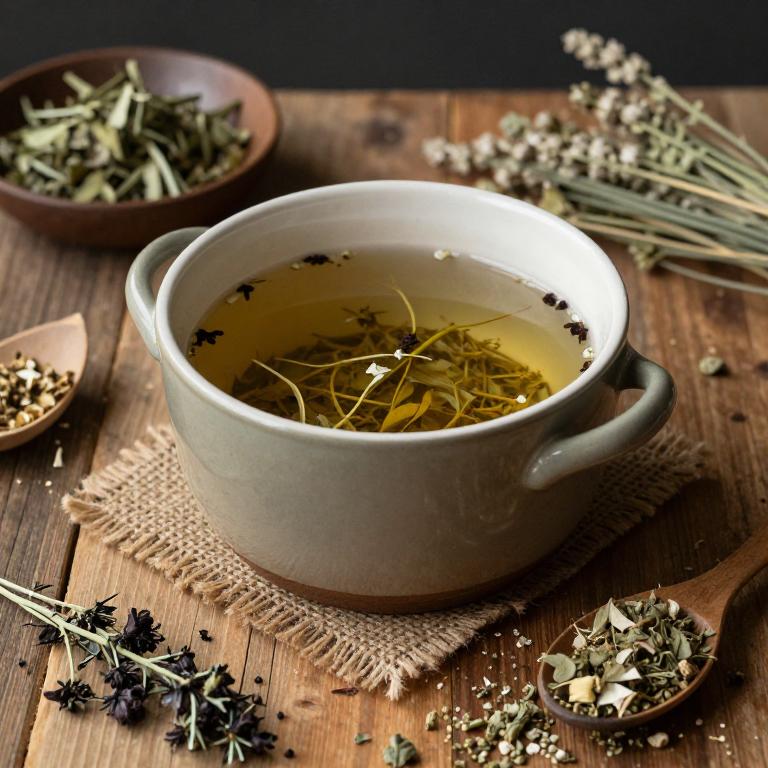
Hypericum perforatum, commonly known as St. John's Wort, is traditionally used in herbal medicine for its potential supportive role in adrenal fatigue.
While primarily recognized for its antidepressant properties, it may also help alleviate symptoms associated with chronic stress and adrenal exhaustion by modulating cortisol levels and supporting nervous system function. Herbal decoctions of Hypericum perforatum are often prepared by simmering the dried herb in water for several hours to extract its active compounds, including hypericin and hyperforin. These decoctions may contribute to improving mood, reducing anxiety, and enhancing overall vitality in individuals experiencing adrenal fatigue.
However, it is important to consult with a qualified herbalist or healthcare provider before using Hypericum perforatum, as it can interact with certain medications and may not be suitable for everyone.
6. Black cohosh (Cimicifuga racemosa)
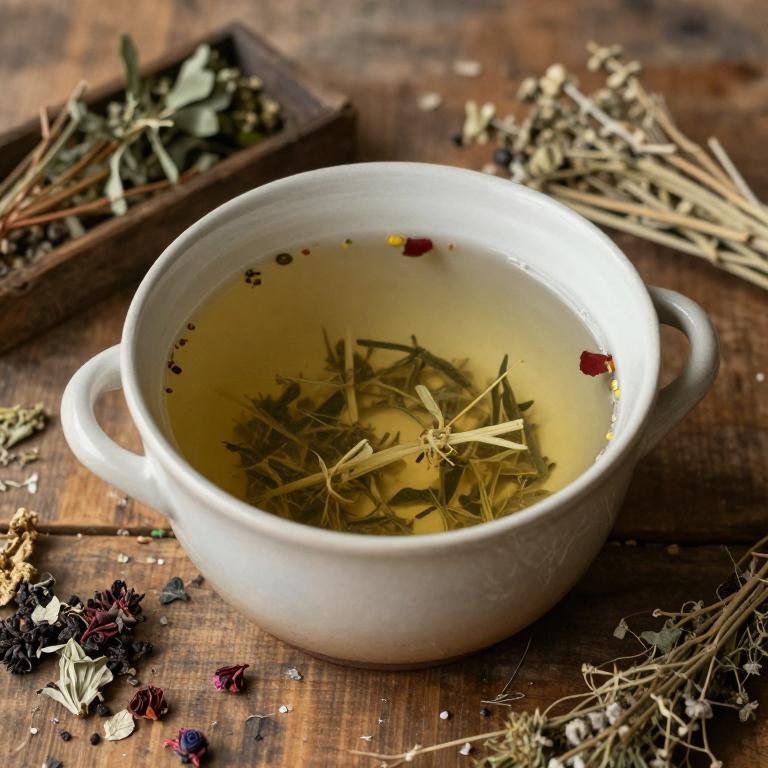
Cimicifuga racemosa, commonly known as black cohosh, is a traditional herbal remedy that has been used for centuries to support hormonal balance and alleviate symptoms of adrenal fatigue.
Herbal decoctions of Cimicifuga racemosa are prepared by simmering the dried root in water, allowing the active compounds to be extracted for consumption. This herb is believed to help regulate cortisol levels and reduce stress-related fatigue by supporting adrenal function. While it is often used in women's health, its adaptogenic properties make it a potential aid for individuals experiencing adrenal exhaustion.
However, it is important to consult with a healthcare professional before using it, as it may interact with certain medications or have side effects in specific populations.
7. Licorice (Glycyrrhiza glabra)
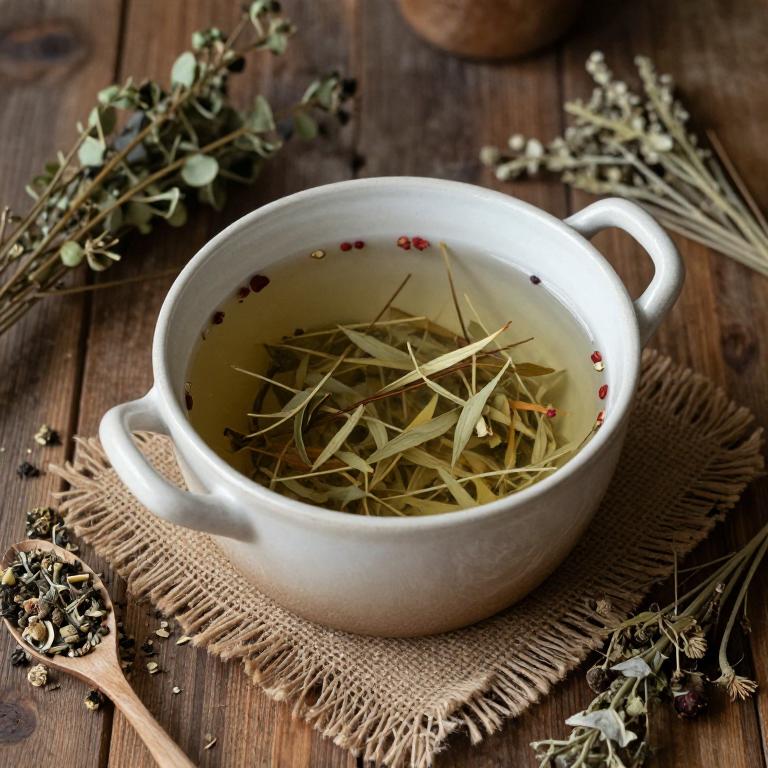
Glycyrrhiza glabra, commonly known as licorice root, has been traditionally used in herbal medicine to support adrenal function, particularly in cases of adrenal fatigue.
The primary active compound in licorice root is glycyrrhizin, which possesses mild corticosteroid-like effects, helping to modulate stress responses and enhance adrenal hormone production. However, prolonged use of licorice root can lead to side effects such as hypertension and electrolyte imbalances due to its potent effects on the body's mineralocorticoid receptors. To mitigate these risks, deglycyrrhized licorice root (DGL) is often recommended, as it retains the beneficial properties while minimizing the potential for adverse effects.
When used appropriately under professional guidance, licorice root decoctions may offer supportive benefits for individuals experiencing adrenal fatigue.
8. Heartworts (Leonurus cardiaca)
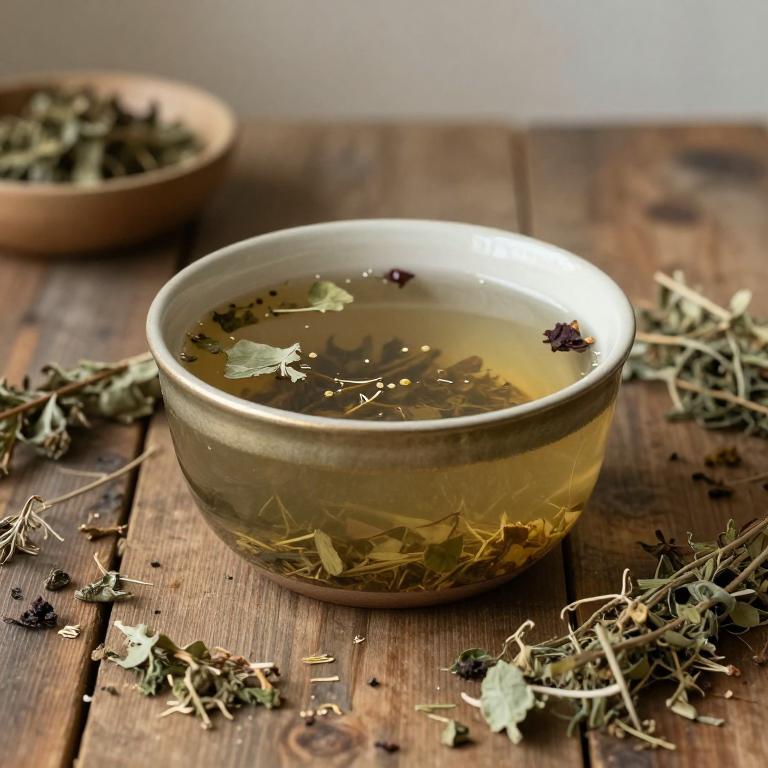
Leonurus cardiaca, commonly known as motherwort, has been traditionally used in herbal medicine for its potential support of adrenal function and its calming effects on the nervous system.
Herbal decoctions made from the dried leaves and flowers of Leonurus cardiaca are often prepared by simmering the plant material in water for several minutes, allowing the active compounds to be extracted. These decoctions are believed to help alleviate symptoms of adrenal fatigue, such as fatigue, anxiety, and low energy, by promoting a sense of calm and supporting the body's stress response. The herb contains compounds like flavonoids and tannins, which may contribute to its adaptogenic properties.
However, it is important to consult with a qualified herbalist or healthcare provider before using Leonurus cardiaca, as it may interact with certain medications or conditions.
9. Echinacea (Echinacea purpurea)
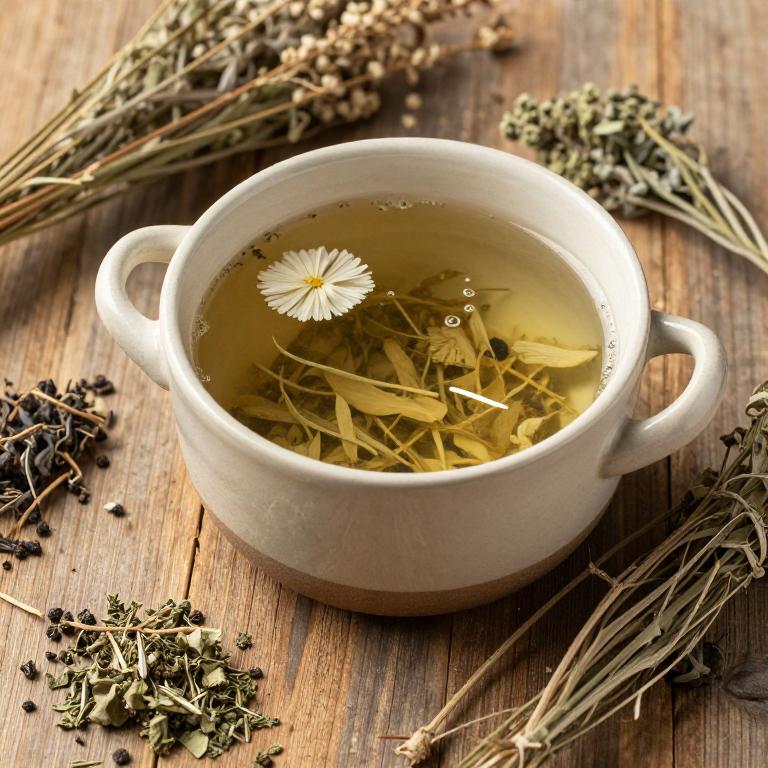
Echinacea purpurea, commonly known as purple coneflower, is traditionally used in herbal medicine to support immune function and has been explored for its potential benefits in managing adrenal fatigue.
While scientific research on its direct effects on adrenal fatigue is limited, some studies suggest that echinacea may help reduce stress-induced inflammation and support the body's natural response to stress. Herbal decoctions of echinacea often involve simmering the dried roots and leaves in water to extract its active compounds, such as alkamides, caffeic acid derivatives, and polysaccharides. These compounds are believed to enhance immune function and may contribute to overall resilience against stress-related conditions.
As with any herbal remedy, it is important to consult a healthcare provider before using echinacea, especially for individuals with existing health conditions or those taking other medications.
10. Chinese magnolia vine (Schisandra chinensis)

Schisandra chinensis, also known as the five-flavor berry, has been traditionally used in Chinese medicine for its adaptogenic properties, which may support the body's ability to manage stress.
Herbal decoctions made from Schisandra chinensis are often used to address adrenal fatigue by helping to balance cortisol levels and enhance resilience to stress. The active compounds in Schisandra, such as lignans, are believed to support the adrenal glands and improve energy levels in individuals experiencing chronic fatigue. When prepared as a decoction, Schisandra is typically simmered with other herbs to enhance its efficacy and promote overall vitality.
However, it is important to consult a qualified herbalist or healthcare provider before using Schisandra, as it may interact with certain medications or conditions.