10 Best Herbal Capsules For Acne
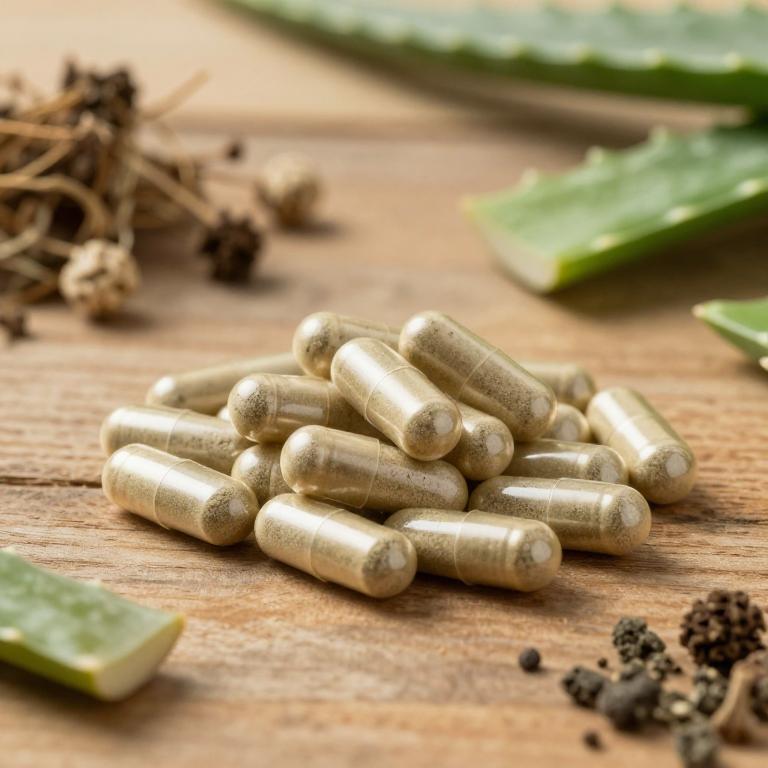
Herbal capsules for acne are a popular natural alternative to conventional treatments, often containing ingredients like green tea, licorice root, and turmeric, which are believed to have anti-inflammatory and antibacterial properties.
These capsules are typically made from plant-based extracts and are designed to support skin health by reducing excess oil production and preventing bacterial growth on the skin. Many people prefer herbal capsules because they are perceived as safer and less likely to cause side effects compared to over-the-counter or prescription medications. However, it's important to consult with a healthcare professional before starting any new supplement regimen, as individual responses can vary.
While some studies suggest potential benefits, more research is needed to fully understand their effectiveness and long-term impact on acne treatment.
Table of Contents
- 1. Aloe vera (Aloe barbadensis)
- 2. Turmeric (Curcuma longa)
- 3. Ginger (Zingiber officinale)
- 4. St. john's wort (Hypericum perforatum)
- 5. Dog rose (Rosa canina)
- 6. Stinging nettle (Urtica dioica)
- 7. Salvia (Salvia officinalis)
- 8. Blessed thistle (Cnicus benedictus)
- 9. Echinacea (Echinacea purpurea)
- 10. Chamomile (Matricaria chamomilla)
1. Aloe vera (Aloe barbadensis)
Aloe barbadensis, commonly known as aloe vera, is a popular herbal remedy used in the form of capsules to support skin health and address acne.
These capsules contain the gel-like substance from the aloe plant, which is rich in antioxidants, enzymes, and vitamins that may help reduce inflammation and promote skin healing. Aloe vera is believed to regulate sebum production, which can prevent the formation of acne-causing bacteria on the skin. Many users report improved skin clarity and reduced redness when using aloe barbadensis capsules consistently.
However, it is important to consult a healthcare professional before starting any new supplement regimen, especially if you have existing skin conditions or are taking other medications.
2. Turmeric (Curcuma longa)
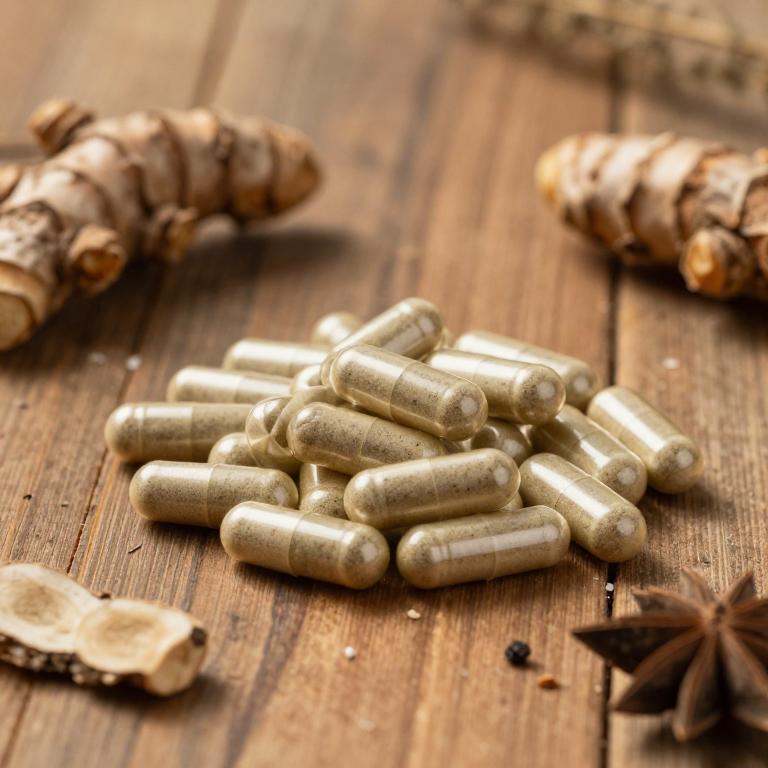
Curcuma longa, commonly known as turmeric, is a popular herbal supplement used for its anti-inflammatory and antioxidant properties.
Curcuma longa herbal capsules are often taken to support skin health and may help reduce acne due to their ability to regulate sebum production and combat bacterial growth. The active compound in turmeric, curcumin, has been studied for its potential to reduce inflammation and oxidative stress, both of which are linked to acne development. However, while some studies suggest benefits, more research is needed to fully understand its effectiveness for acne treatment.
As with any supplement, it is advisable to consult a healthcare professional before starting curcuma longa capsules, especially if you have existing health conditions or are taking other medications.
3. Ginger (Zingiber officinale)
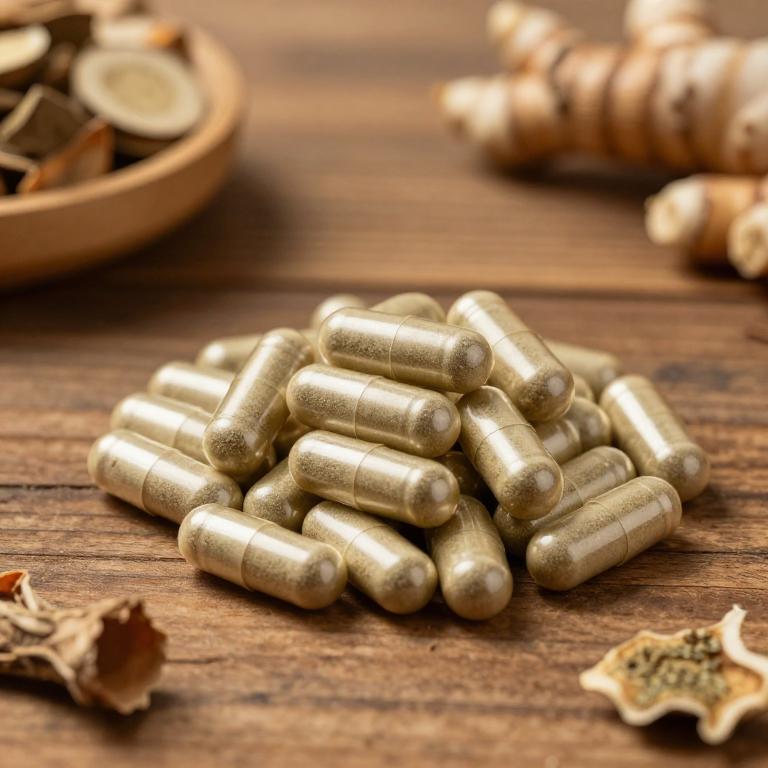
Zingiber officinale, commonly known as ginger, has been traditionally used for its anti-inflammatory and antioxidant properties, making it a potential natural remedy for acne.
When formulated into herbal capsules, zingiber officinale may help reduce inflammation and redness associated with acne breakouts. Its active compounds, such as gingerol and shogaol, are believed to inhibit the growth of Propionibacterium acnes, the bacteria commonly linked to acne formation. These capsules offer a convenient and natural alternative for individuals seeking to manage acne without harsh chemical treatments.
However, it is important to consult with a healthcare provider before incorporating ginger supplements into a skincare routine, especially for those with sensitive skin or existing health conditions.
4. St. john's wort (Hypericum perforatum)
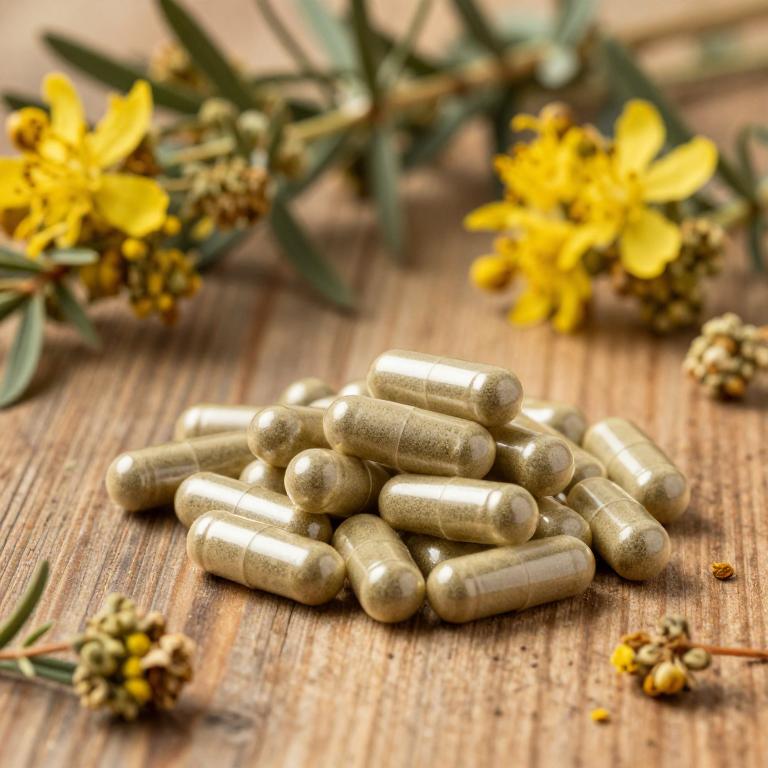
Hypericum perforatum, commonly known as St. John's wort, is a herbal supplement that has been traditionally used for its potential benefits in treating acne.
While it is best known for its use in supporting mood and mental health, some studies suggest that it may also have anti-inflammatory and antimicrobial properties that could help reduce acne symptoms. Hypericum perforatum herbal capsules are often used as a natural alternative to conventional acne treatments, offering a gentler approach for those seeking herbal remedies. These capsules typically contain standardized extracts of the plant, ensuring a consistent concentration of active compounds.
However, it is important to consult with a healthcare professional before using St. John's wort, as it can interact with certain medications and may not be suitable for everyone.
5. Dog rose (Rosa canina)
Rosa canina, also known as dog rose, is a traditional herbal remedy that has been used for centuries to support skin health and treat various skin conditions, including acne.
The herbal capsules containing Rosa canina are rich in antioxidants, vitamins, and bioflavonoids, which help reduce inflammation and promote healing of the skin. These capsules are often recommended for individuals seeking a natural alternative to conventional acne treatments, as they can help regulate sebum production and prevent bacterial growth. Rosa canina is generally considered safe with minimal side effects, making it a suitable option for long-term use in managing acne-prone skin.
When combined with a healthy diet and proper skincare routine, Rosa canina herbal capsules may contribute to clearer, healthier skin over time.
6. Stinging nettle (Urtica dioica)
Urtica dioica, commonly known as stinging nettle, is a herbal remedy that has been used for centuries for its potential health benefits, including its use in managing acne.
Urtica dioica herbal capsules are formulated to harness the plant’s anti-inflammatory and antioxidant properties, which may help reduce skin inflammation and bacterial growth associated with acne. These capsules are often made from dried and standardized extracts of the plant, ensuring consistent potency and efficacy. They are typically taken as a dietary supplement, and some studies suggest they may support skin health by regulating sebum production and reducing oxidative stress.
While generally considered safe, it is advisable to consult a healthcare professional before starting any new supplement regimen, especially for those with existing health conditions or who are pregnant.
7. Salvia (Salvia officinalis)
Salvia officinalis, commonly known as sage, has been traditionally used for its medicinal properties, and recent studies suggest that sage herbal capsules may offer benefits for acne-prone skin.
The active compounds in sage, such as rosmarinic acid and flavonoids, possess anti-inflammatory and antimicrobial properties that can help reduce acne-causing bacteria and inflammation. When taken as capsules, sage is a convenient and natural alternative to conventional acne treatments, with fewer side effects. It is often recommended as part of a holistic approach to skin health, alongside a balanced diet and proper skincare routine.
However, it is important to consult with a healthcare provider before starting any new supplement regimen, especially for those with existing health conditions or who are pregnant.
8. Blessed thistle (Cnicus benedictus)
Cnicus benedictus, also known as blessed thorn, is a traditional herbal remedy that has been used for centuries to support skin health and treat acne.
The herbal capsules containing Cnicus benedictus are formulated to harness the plant's natural properties, which may help reduce inflammation and regulate sebum production in the skin. These capsules are often recommended as a natural alternative to conventional acne treatments, offering a gentler approach with fewer side effects. The active compounds in Cnicus benedictus are believed to have antimicrobial and antioxidant properties that contribute to its effectiveness in managing acne symptoms.
When used as part of a holistic skincare routine, these herbal capsules may support clearer, healthier skin over time.
9. Echinacea (Echinacea purpurea)
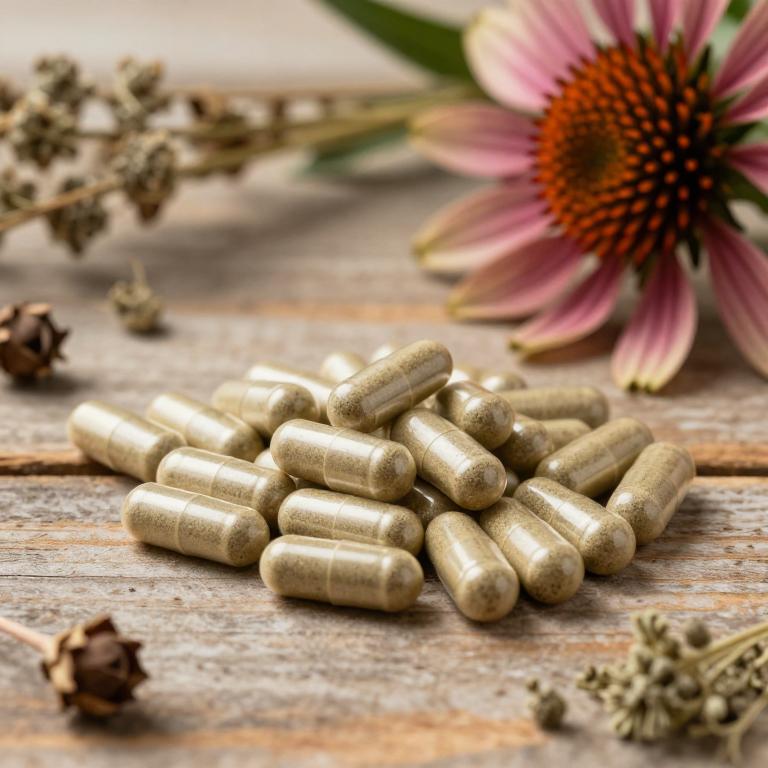
Echinacea purpurea, commonly known as purple coneflower, is a popular herbal remedy often used to support the immune system, but it has also been explored for its potential benefits in managing acne.
Herbal capsules containing Echinacea purpurea are believed to possess anti-inflammatory and antimicrobial properties that may help reduce the severity of acne by targeting the bacteria Propionibacterium acnes and calming skin inflammation. While some studies suggest that Echinacea may have a positive effect on skin health, more research is needed to confirm its efficacy specifically for acne treatment. These capsules are generally considered safe for most adults when taken as directed, though they may cause allergic reactions in individuals sensitive to plants in the daisy family.
As with any herbal supplement, it is advisable to consult a healthcare provider before using Echinacea purpurea for acne, especially if you are on other medications or have underlying health conditions.
10. Chamomile (Matricaria chamomilla)
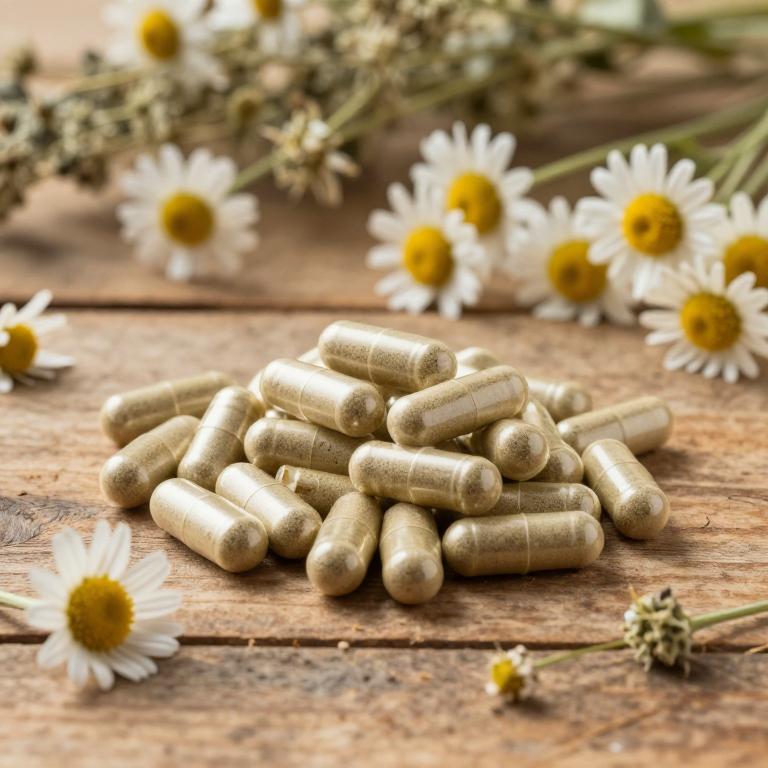
Matricaria chamomilla, commonly known as chamomile, is often used in herbal capsules for its anti-inflammatory and antibacterial properties that may help in managing acne.
These capsules contain the dried flower heads of the plant, which are rich in compounds like flavonoids and essential oils that can soothe skin irritation and reduce redness associated with breakouts. Chamomile has been traditionally used in skincare for its calming effects, making it a popular choice for those with sensitive or acne-prone skin. While scientific evidence supporting its efficacy for acne is limited, many users report improved skin clarity and reduced blemishes when using chamomile-based supplements regularly.
As with any herbal remedy, it is advisable to consult a healthcare professional before starting a new supplement regimen, especially if you have underlying health conditions or are taking other medications.