10 Best Herbal Syrups For Acid Reflux
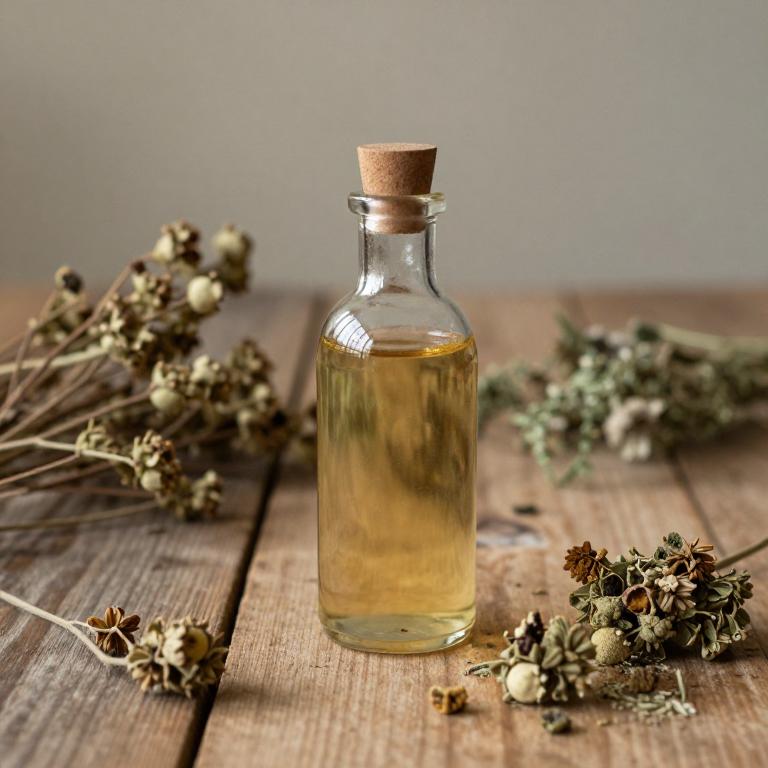
Herbal syrups for acid reflux are natural remedies that aim to soothe the digestive system and reduce symptoms like heartburn and indigestion.
Common ingredients in these syrups include ginger, licorice root, fennel, and marshmallow root, all of which are believed to have anti-inflammatory and soothing properties. These syrups work by coating the esophagus, reducing stomach acid irritation, and promoting healthy digestion. While they are generally considered safe, it's important to consult with a healthcare provider before use, especially for individuals with existing medical conditions or those taking other medications.
Herbal syrups can be a gentle alternative to conventional acid reflux treatments, offering a holistic approach to managing symptoms.
Table of Contents
- 1. Licorice (Glycyrrhiza glabra)
- 2. Ginger (Zingiber officinale)
- 3. Thistle (Silybum marianum)
- 4. Common grape (Vitis vinifera)
- 5. Fennel (Foeniculum vulgare)
- 6. Cumin (Cuminum cyminum)
- 7. Chamomile (Matricaria chamomilla)
- 8. Stinging nettle (Urtica dioica)
- 9. Dog rose (Rosa canina)
- 10. Peppermint (Mentha piperita)
1. Licorice (Glycyrrhiza glabra)
Glycyrrhiza glabra, commonly known as licorice root, has been traditionally used in herbal medicine for its potential soothing effects on the digestive system.
Licorice root syrup is often recommended for individuals suffering from acid reflux due to its demulcent properties, which can help coat and protect the esophageal lining. The active compounds in licorice, such as glycyrrhizin, may reduce inflammation and neutralize stomach acid, offering relief from heartburn and indigestion. However, long-term use of licorice syrup can lead to side effects like hypertension and fluid retention due to its effect on the adrenal glands.
As a result, it is advisable to consult a healthcare professional before using licorice root syrup for acid reflux, especially for those with existing health conditions.
2. Ginger (Zingiber officinale)
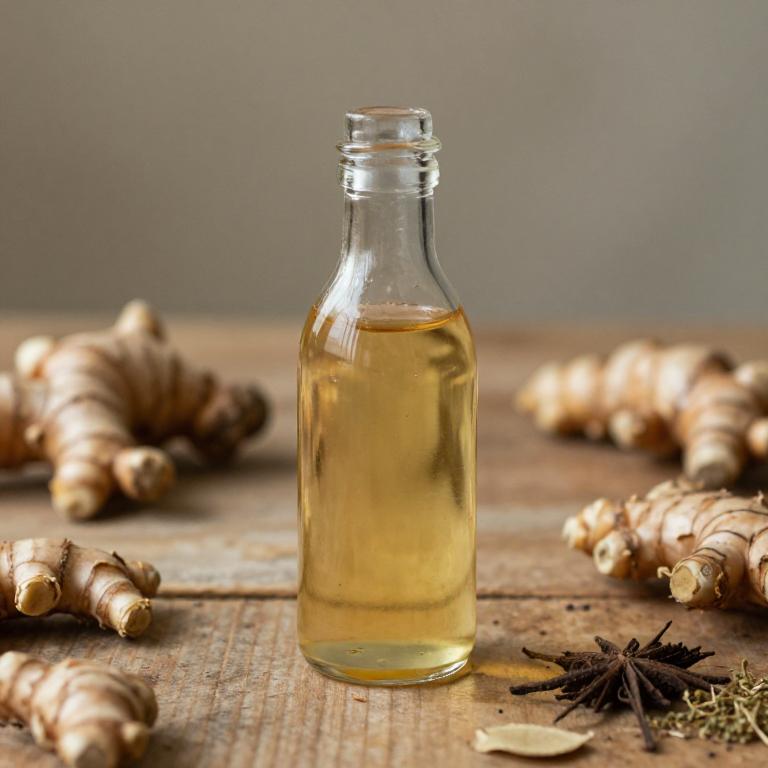
Zingiber officinale, commonly known as ginger, has been traditionally used for its digestive benefits, and ginger herbal syrups are gaining popularity as a natural remedy for acid reflux.
These syrups contain concentrated extracts of fresh or dried ginger root, which is known for its anti-inflammatory and carminative properties. The active compounds in ginger, such as gingerol and shogaol, may help reduce stomach irritation and neutralize excess acid, providing relief from heartburn and indigestion. However, it is important to consult with a healthcare provider before using ginger syrup, especially for individuals with existing medical conditions or those taking medications.
While generally safe in moderate amounts, excessive consumption of ginger may cause gastrointestinal discomfort or interact with certain drugs.
3. Thistle (Silybum marianum)
Silybum marianum, commonly known as milk thistle, is often used in herbal syrups to support liver health, which can indirectly aid in managing acid reflux by improving digestion and reducing inflammation.
While not a direct treatment for acid reflux, the antioxidant and anti-inflammatory properties of silybum marianum may help protect the stomach lining and reduce irritation. These herbal syrups are typically made by extracting the active compounds from the seeds of the plant and are available in various formulations for oral use. Some individuals may find relief from symptoms such as heartburn and indigestion when incorporating silybum marianum into their regimen, though it is important to consult a healthcare provider before use, especially if taking other medications.
Overall, while not a substitute for conventional treatments, silybum marianum herbal syrups may offer supportive benefits for those seeking natural remedies for acid reflux.
4. Common grape (Vitis vinifera)

Vitis vinifera herbal syrups, derived from the grapevine plant, are traditionally used to support digestive health and alleviate symptoms of acid reflux.
These syrups contain bioactive compounds such as resveratrol and flavonoids, which may help reduce inflammation and protect the lining of the esophagus. Some studies suggest that Vitis vinifera can neutralize stomach acid and promote the healing of gastric ulcers, making it a potential natural remedy for heartburn and indigestion. However, it is important to consult with a healthcare professional before using these syrups, as they may interact with certain medications or have contraindications for specific health conditions.
Despite their traditional use, more clinical research is needed to fully understand their efficacy and safety in treating acid reflux.
5. Fennel (Foeniculum vulgare)
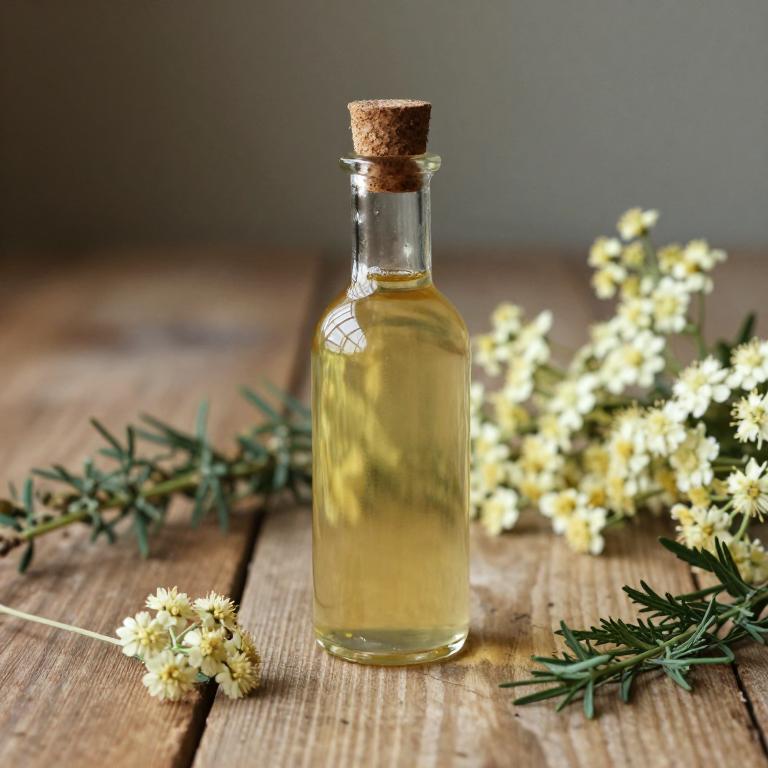
Foeniculum vulgare, commonly known as fennel, has been traditionally used in herbal medicine for its digestive benefits, including its potential to alleviate symptoms of acid reflux.
Fennel herbal syrups are often made from the seeds of the plant and are believed to help reduce heartburn and indigestion by soothing the gastrointestinal tract. These syrups may work by promoting the production of digestive enzymes and reducing excess stomach acid. While some studies suggest that fennel may have mild antacid properties, more research is needed to confirm its efficacy for acid reflux.
As with any herbal remedy, it is advisable to consult a healthcare professional before use, especially for individuals with existing medical conditions or those taking other medications.
6. Cumin (Cuminum cyminum)
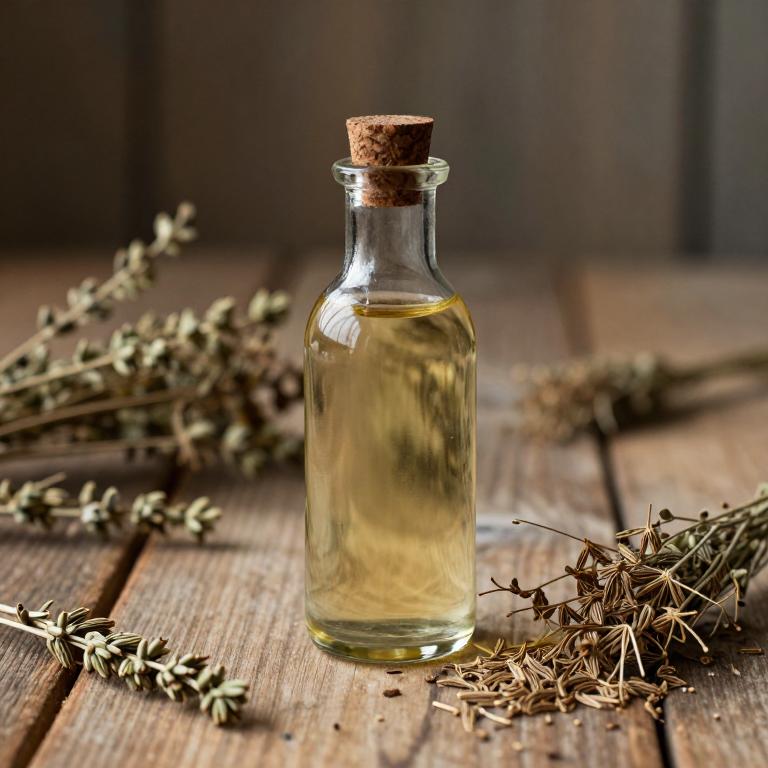
Cuminum cyminum, commonly known as cumin, has been traditionally used in herbal medicine for its digestive benefits, including its potential to alleviate symptoms of acid reflux.
When prepared as a herbal syrup, cumin may help reduce gastric acidity and promote healthy digestion by stimulating the production of digestive enzymes. The essential oils in cumin, such as limonene and carvone, are believed to have anti-inflammatory and antispasmodic properties that can soothe the esophageal lining. However, while some anecdotal evidence supports its use, more scientific research is needed to confirm its efficacy for acid reflux.
It is advisable to consult a healthcare professional before using cumin syrup, especially if you have underlying health conditions or are taking other medications.
7. Chamomile (Matricaria chamomilla)
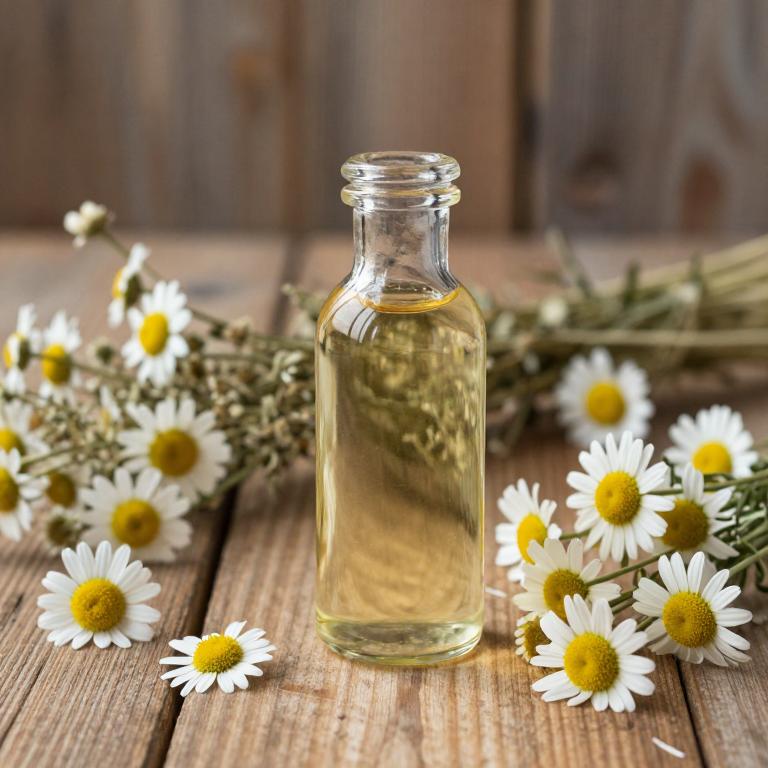
Matricaria chamomilla, commonly known as chamomile, is often used in herbal syrups to help alleviate symptoms of acid reflux due to its calming and anti-inflammatory properties.
These syrups are typically prepared by steeping chamomile flowers in a mixture of honey and water, creating a soothing and easily digestible remedy. The active compounds in chamomile, such as flavonoids and terpenoids, may help reduce stomach acidity and soothe the esophageal lining. While generally considered safe for most adults, chamomile syrups should be used with caution in individuals with allergies or those taking blood-thinning medications.
As with any herbal remedy, it is advisable to consult a healthcare professional before use, especially for chronic or severe acid reflux symptoms.
8. Stinging nettle (Urtica dioica)
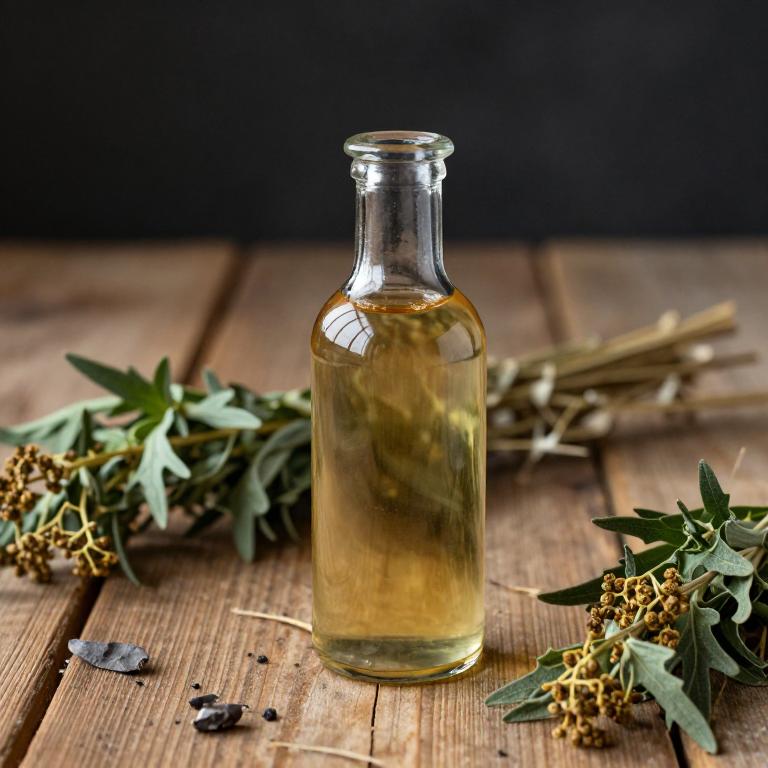
Urtica dioica, commonly known as stinging nettle, has been traditionally used in herbal medicine for its anti-inflammatory and digestive properties.
When prepared as a syrup, it may help alleviate symptoms of acid reflux by soothing the digestive tract and reducing excess stomach acid. The syrup is typically made by simmering the leaves in water and then adding honey or another natural sweetener to preserve the mixture. Some studies suggest that the compounds in stinging nettle may support gut health and reduce irritation in the esophagus.
However, it is important to consult a healthcare professional before using urtica dioica syrup, especially for individuals with existing health conditions or those taking medications.
9. Dog rose (Rosa canina)
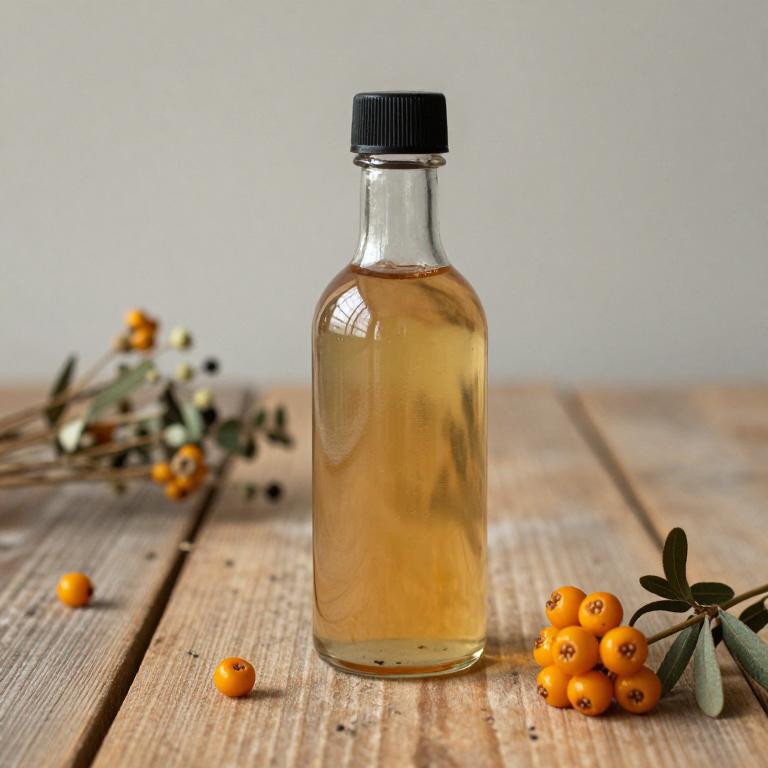
Rosa canina, also known as rosehip, is a traditional herbal remedy often used in the form of a syrup to support digestive health.
This herbal syrup is believed to help alleviate symptoms of acid reflux due to its high content of bioflavonoids and antioxidants, which may reduce inflammation and strengthen the lining of the esophagus. The natural anti-inflammatory properties of rosa canina may help soothe irritation caused by stomach acid. However, it is important to consult with a healthcare professional before using it, especially if you are taking other medications or have underlying health conditions.
While some people find relief with rosa canina syrup, it should not replace prescribed treatments for acid reflux.
10. Peppermint (Mentha piperita)
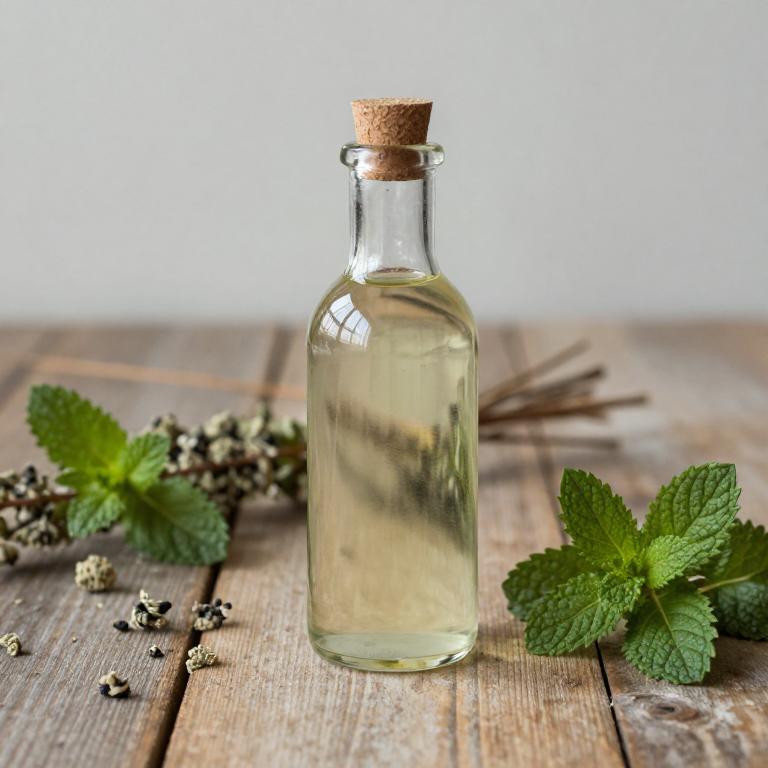
Mentha piperita, commonly known as peppermint, is often used in herbal syrups to provide relief from acid reflux due to its soothing and antispasmodic properties.
These syrups work by relaxing the lower esophageal sphincter, which can help prevent the backflow of stomach acid into the esophagus. Peppermint also has a cooling effect that can ease the burning sensation associated with acid reflux. However, some individuals may find that peppermint aggravates symptoms, as it can increase stomach acid production in certain cases.
It is important to consult a healthcare professional before using peppermint syrup, especially if you have a history of gastrointestinal issues or are taking other medications.