10 Best Herbal Lotions For Acid Reflux
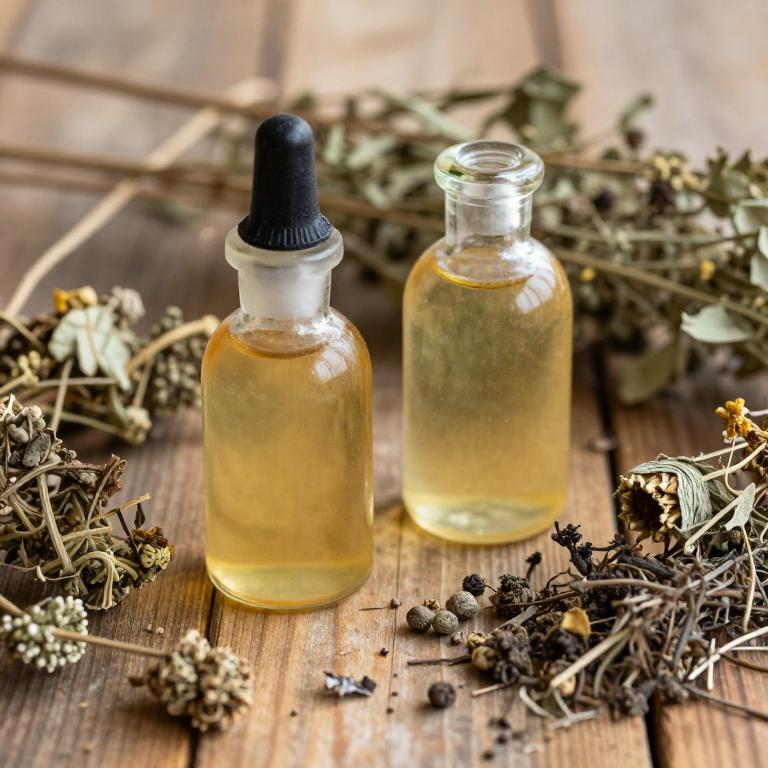
Herbal lotions can be a natural complement to managing acid reflux by soothing the digestive tract and reducing inflammation.
Ingredients such as ginger, peppermint, and licorice root are commonly used in these lotions for their anti-inflammatory and soothing properties. While herbal lotions are not a cure for acid reflux, they may help alleviate symptoms when used alongside other lifestyle and dietary changes. It is important to consult with a healthcare professional before using any herbal remedy, as some ingredients may interact with medications or worsen symptoms in certain individuals.
Overall, herbal lotions offer a gentle, holistic approach to supporting digestive health and comfort.
Table of Contents
- 1. Chamomile (Matricaria chamomilla)
- 2. Ginger (Zingiber officinale)
- 3. Common grape (Vitis vinifera)
- 4. Thistle (Silybum marianum)
- 5. Licorice (Glycyrrhiza glabra)
- 6. Fennel (Foeniculum vulgare)
- 7. Stinging nettle (Urtica dioica)
- 8. Cumin (Cuminum cyminum)
- 9. Peppermint (Mentha piperita)
- 10. Yarrow (Achillea millefolium)
1. Chamomile (Matricaria chamomilla)
Matricaria chamomilla, commonly known as chamomile, is often used in herbal lotions for its calming and anti-inflammatory properties.
While chamomile is primarily known for its soothing effects on the skin, some studies suggest it may help alleviate symptoms of acid reflux by reducing stomach inflammation and promoting digestion. These herbal lotions typically contain chamomile essential oils or extracts, which can be applied topically to ease discomfort associated with heartburn and indigestion. However, it is important to note that chamomile lotions are not a direct treatment for acid reflux and should complement, rather than replace, medical advice.
Always consult a healthcare professional before using herbal remedies, especially if you have existing health conditions or are taking medications.
2. Ginger (Zingiber officinale)
Zingiber officinale, commonly known as ginger, has long been used in traditional medicine for its digestive benefits, and ginger-based herbal lotions are increasingly being explored for their potential to alleviate symptoms of acid reflux.
These lotions typically contain essential oils and extracts of fresh or dried ginger root, which are believed to have anti-inflammatory and carminative properties that may help reduce stomach irritation and neutralize excess acid. While topical application of ginger lotion may provide soothing relief to the chest and throat areas, it is not a direct treatment for acid reflux and should complement, rather than replace, conventional medical therapies. Some studies suggest that ginger can aid in digestion and reduce the frequency of heartburn, though more research is needed to confirm its efficacy in lotion form.
As with any herbal remedy, it is advisable to consult a healthcare professional before using ginger lotion, especially for individuals with known allergies or underlying health conditions.
3. Common grape (Vitis vinifera)
Vitis vinifera, commonly known as the grape vine, has been traditionally used in herbal remedies for its potential anti-inflammatory and soothing properties.
While it is not a direct treatment for acid reflux, some herbal lotions containing Vitis vinifera extracts may help alleviate symptoms by reducing irritation in the esophageal lining. These lotions are often marketed for their calming and healing effects on the skin, which can be beneficial for individuals experiencing discomfort from acid reflux-related throat irritation. However, it is important to consult a healthcare professional before using any herbal products, as they may interact with other medications or conditions.
Overall, Vitis vinifera herbal lotions may offer supportive relief but should not replace conventional medical treatments for acid reflux.
4. Thistle (Silybum marianum)
Silybum marianum, commonly known as milk thistle, is a herbal remedy that has been traditionally used for its potential health benefits, including support for digestive health.
While it is primarily known for its liver-protective properties, some studies suggest that silybum marianum may help alleviate symptoms of acid reflux by reducing inflammation and improving gut motility. Herbal lotions containing silybum marianum are often marketed for their soothing effects on the skin and internal organs, though their efficacy for acid reflux specifically requires further scientific validation. These lotions may be used as a complementary therapy alongside conventional treatments for acid reflux, but they should not replace medical advice or prescribed medications.
It is important to consult a healthcare professional before using any herbal product, especially if you have underlying health conditions or are taking other medications.
5. Licorice (Glycyrrhiza glabra)
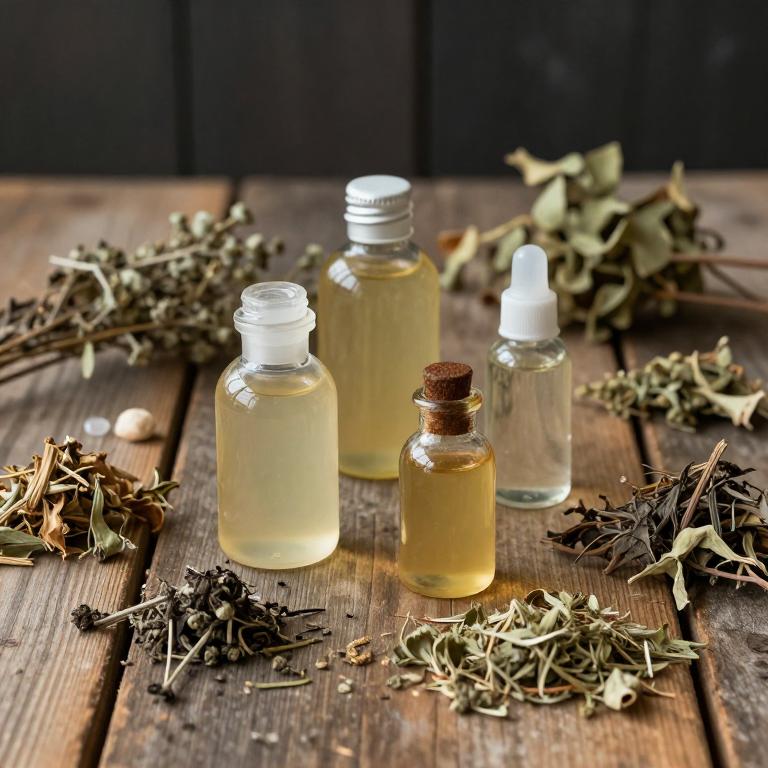
Glycyrrhiza glabra, commonly known as licorice root, has been traditionally used in herbal medicine for its potential soothing properties.
Herbal lotions containing glycyrrhiza glabra may help alleviate symptoms of acid reflux by reducing inflammation in the esophagus and stomach lining. These lotions are often formulated with other calming herbs to enhance their effectiveness. However, it is important to note that while some studies suggest licorice root may offer relief, it should not replace professional medical advice or treatment for chronic acid reflux.
As with any herbal remedy, it is advisable to consult a healthcare provider before use, especially for individuals with hypertension or other underlying health conditions.
6. Fennel (Foeniculum vulgare)
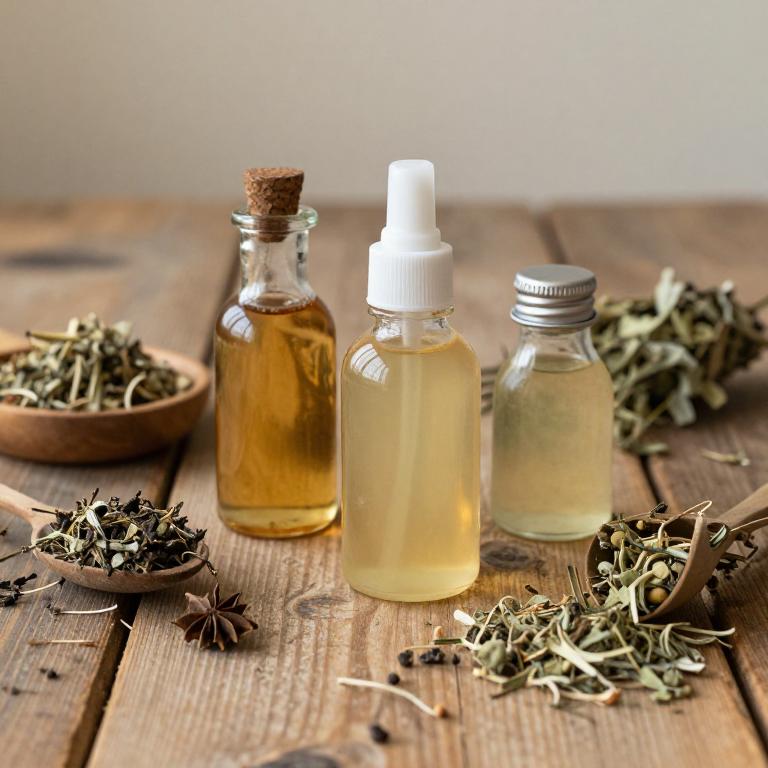
Foeniculum vulgare, commonly known as fennel, has been traditionally used in herbal remedies for its soothing and anti-inflammatory properties.
Fennel herbal lotions are often formulated with essential oils derived from the seeds of the plant, which are known to help alleviate symptoms of acid reflux by reducing stomach irritation and promoting digestive health. These lotions can be applied topically to the chest or abdomen to provide a calming effect and ease discomfort associated with heartburn and indigestion. While they are not a substitute for medical treatment, they may serve as a complementary therapy for those seeking natural relief.
However, individuals with sensitive skin or allergies should perform a patch test before using fennel-based products.
7. Stinging nettle (Urtica dioica)
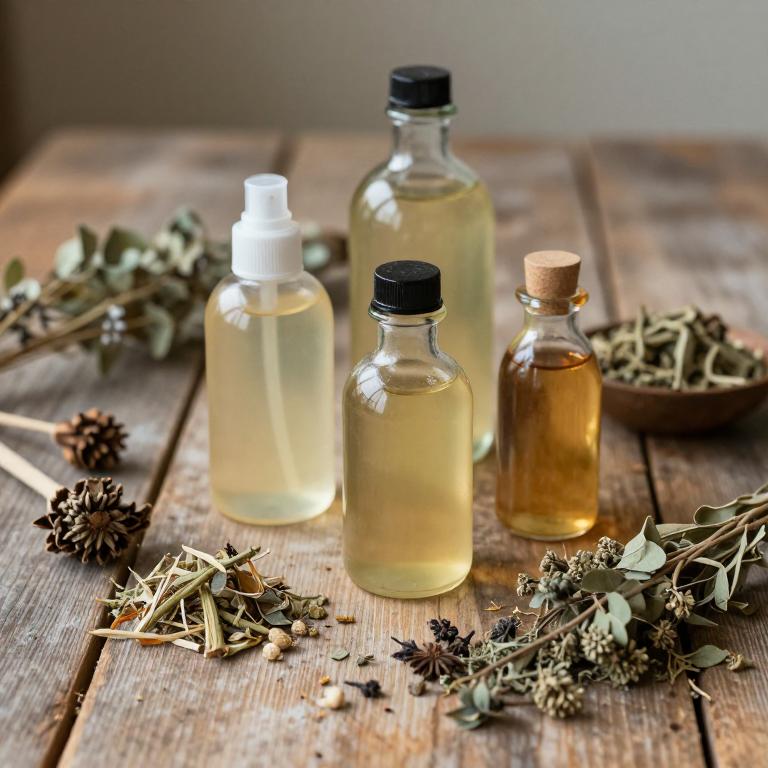
Urtica dioica, commonly known as stinging nettle, has been traditionally used in herbal remedies for its anti-inflammatory and soothing properties.
Some herbal lotions containing Urtica dioica are marketed for their potential to alleviate symptoms of acid reflux by reducing inflammation in the digestive tract. These lotions are typically applied topically to the chest or throat area, where they may help soothe irritation caused by stomach acid. While there is limited scientific evidence supporting their effectiveness for acid reflux, some users report relief from discomfort.
It is important to consult a healthcare professional before using any herbal remedy, especially if you have underlying health conditions or are taking other medications.
8. Cumin (Cuminum cyminum)
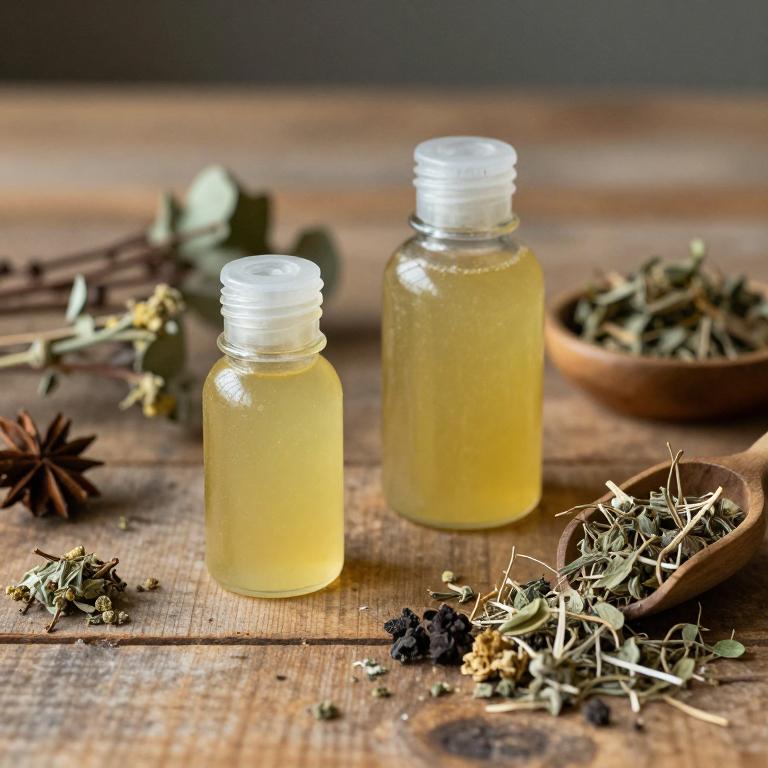
Cuminum cyminum, commonly known as cumin, has been traditionally used in herbal remedies for its potential digestive benefits.
When incorporated into herbal lotions, cumin may help soothe the digestive system and reduce symptoms of acid reflux by promoting healthy digestion and reducing stomach acidity. These lotions typically combine cumin with other soothing herbs like ginger or licorice to enhance their effectiveness. However, it is important to consult a healthcare professional before using cumin-based lotions, especially for individuals with existing health conditions or those taking medications.
While some people may find relief from using cumin herbal lotions, more research is needed to fully understand their efficacy and safety for acid reflux.
9. Peppermint (Mentha piperita)
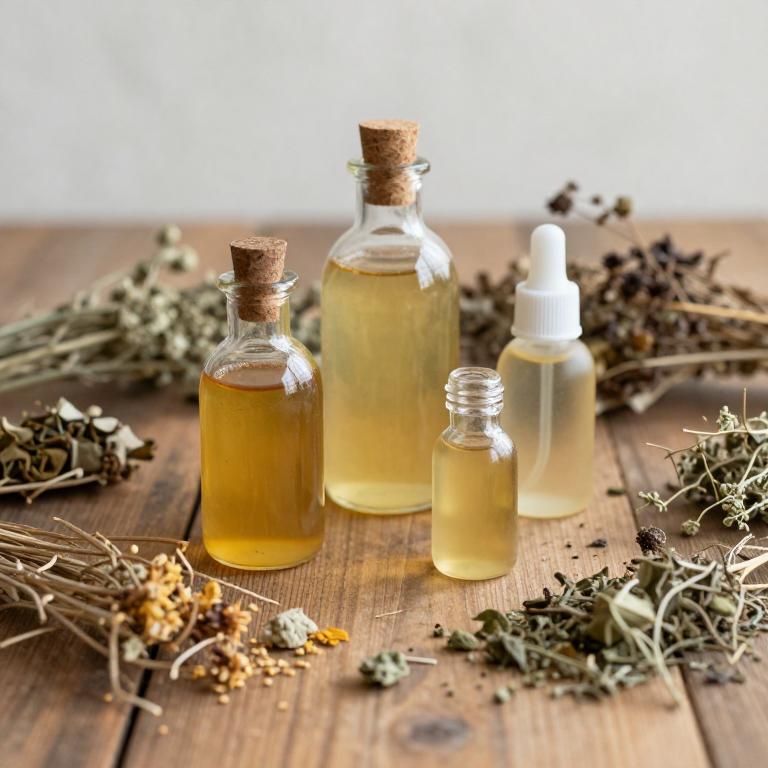
Mentha piperita, commonly known as peppermint, is often used in herbal lotions for its soothing and digestive benefits.
These lotions can help alleviate symptoms of acid reflux by calming the gastrointestinal tract and reducing inflammation. The menthol in peppermint has a cooling effect that may ease the burning sensation associated with heartburn. However, it is important to consult a healthcare professional before using peppermint products, as they may interact with certain medications.
When applied topically, these lotions can provide a gentle, natural remedy for those seeking relief from acid reflux without oral medication.
10. Yarrow (Achillea millefolium)
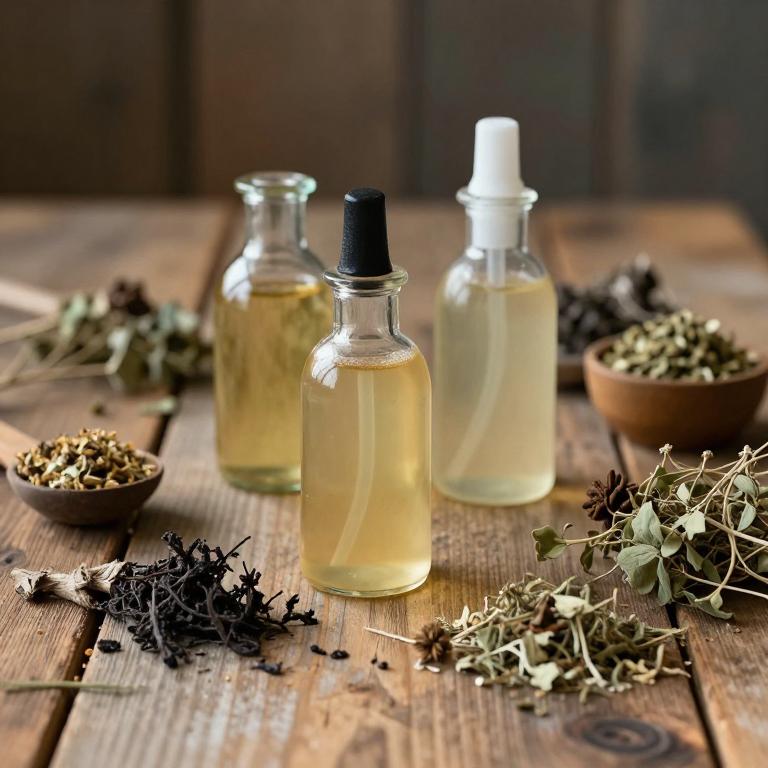
Achillea millefolium, commonly known as yarrow, has been traditionally used for its anti-inflammatory and soothing properties, making it a potential ingredient in herbal lotions for acid reflux.
When incorporated into topical formulations, yarrow may help reduce inflammation in the esophagus and provide a calming effect on the digestive tract. However, it is important to note that while some studies suggest its benefits for digestive health, more research is needed to confirm its efficacy for acid reflux specifically. Herbal lotions containing yarrow should be used as a complementary therapy alongside conventional treatments, under the guidance of a healthcare professional.
As with any herbal remedy, individuals should be cautious of possible allergies or interactions with other medications.